ByMax Lee
Kentucky Vehicle Property Tax: What You Need to Know
Bing (Web (fair-use with source credit))
If you own a car in Kentucky, the Kentucky vehicle property tax requirements apply to you every year. This tax is separate from sales tax or registration fees, and missing it can block your vehicle registration.
As of 2026, Kentucky assesses vehicles at 100% of their NADA clean retail value, then applies local millage rates. Here’s what you need to know to stay compliant and avoid penalties.
Quick Answer
Kentucky vehicle property tax requirements apply to all registered vehicles annually. The tax is based on your vehicle’s assessed value. County millage rates determine the final amount.
Payment is required before registration renewal. Late fees start at 5% after 30 days.
What Kentucky Vehicle Property Tax Actually Is
This is an annual tax on personal property, specifically your vehicle. It’s not a one-time fee like sales tax when you buy a car. The revenue funds local services like schools and road maintenance.
The Kentucky Department of Revenue oversees the system, but your county Property Valuation Administrator (PVA) handles assessments. You’ll receive a tax bill based on your vehicle’s value, which you must pay to keep your registration current.
Why You Can’t Skip This Tax (And What Happens If You Do)
Skip the payment, and your county clerk won’t renew your registration. That means you can’t legally drive your vehicle. Kentucky also adds penalties: 5% after 30 days, then 1% per month until paid.
Worse, unpaid taxes can lead to a lien on your vehicle. Some counties may even tow or boot cars with long-overdue taxes. The risk isn’t just financial, it’s legal.
How Kentucky Vehicle Property Tax Works
Every year, your county PVA assesses your vehicle’s value using the NADA clean retail guide. They apply Kentucky’s 100% assessment ratio, meaning the full value is taxable. Then, your county’s millage rate (set by local governments) determines the tax amount.
For example, if your car is assessed at $20,000 and your county’s rate is 0.015 (1.5%), your tax would be $300. Rates vary by county, so your neighbor in the next county over might pay more or less for the same car.
Who Has to Pay (And Who Might Be Exempt)
Bing (Web (fair-use with source credit))
Every registered vehicle owner in Kentucky must pay this tax. That includes cars, trucks, motorcycles, and even leased vehicles. New residents have to pay it once they register their vehicle in the state.
Exemptions exist but are limited. Disabled veterans with a 100% service-connected disability may qualify for full exemption under KRS 132.190. Some agricultural vehicles and government-owned vehicles are also exempt.
If you think you qualify, contact your county PVA office to apply.
How Much You’ll Owe: The 3 Numbers That Decide Your Bill
Bing (Web (fair-use with source credit))
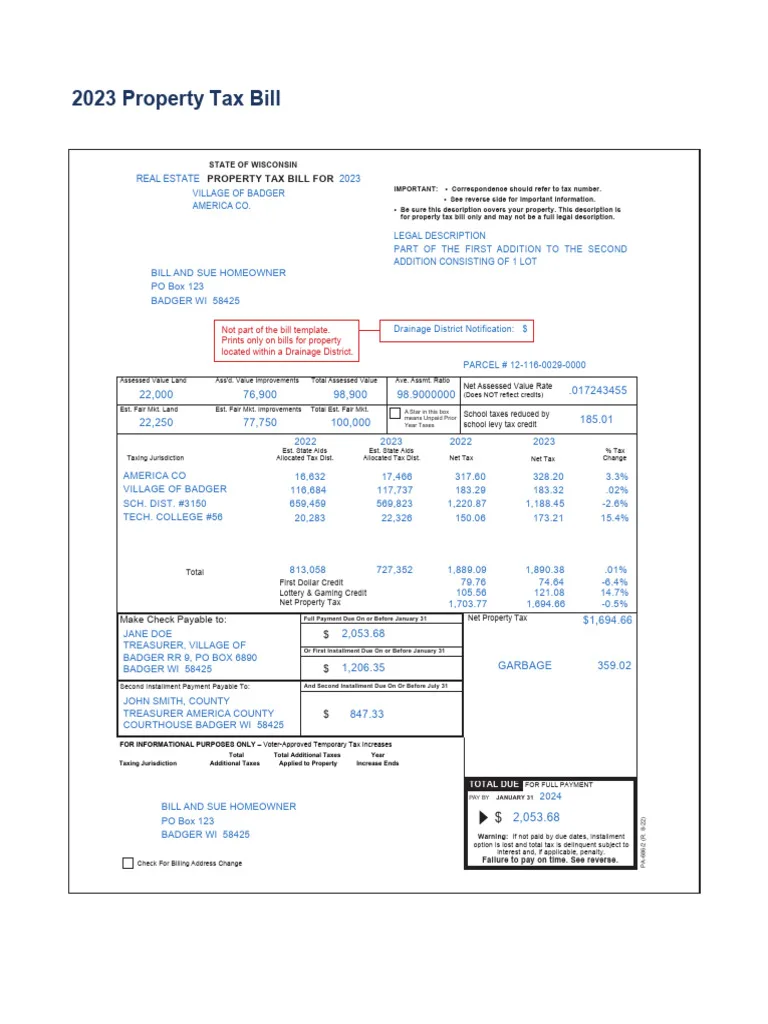
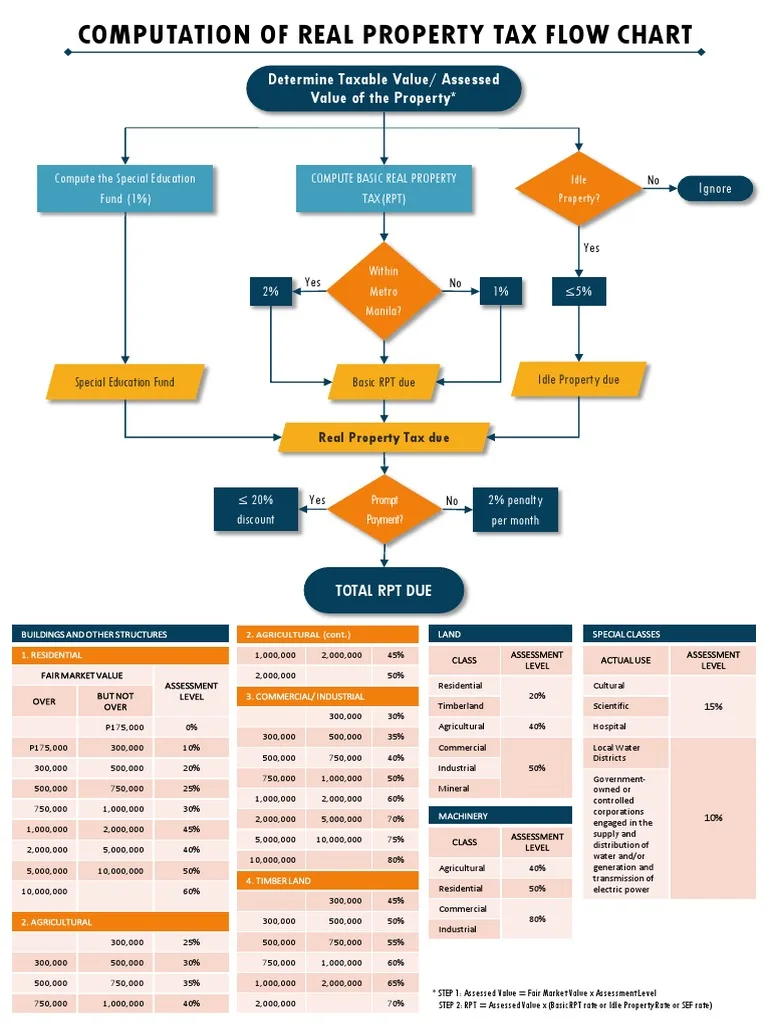
Your tax bill comes down to three key numbers. First is your vehicle’s assessed value, which Kentucky sets at 100% of the NADA clean retail value. This is the standard guide used by all county PVAs.
Second is the assessment ratio, which in Kentucky is always 100%. Unlike some states that tax a percentage of value, Kentucky taxes the full assessed amount.
Third is your county’s millage rate. This varies widely. Jefferson County might have a different rate than Fayette or Warren.
Multiply your assessed value by the millage rate to get your tax.
County-by-County Differences You Need to Know
Millage rates differ because local governments set them. Urban counties often have higher rates to fund more services. Rural counties may have lower rates but fewer exemptions.
Some counties offer discounts for early payment. Others add convenience fees for online payments. Always check your county’s PVA website for the exact rate and rules.
Here’s a quick look at a few counties as of 2026:
| County | Approx. Millage Rate | Early Payment Discount |
|---|---|---|
| Jefferson | 0.018 | 2% |
| Fayette | 0.015 | None |
| Warren | 0.012 | 1% |
| Kenton | 0.016 | None |
Step-by-Step: How to Pay Your Kentucky Vehicle Property Tax
Bing (Web (fair-use with source credit))
You’ll receive a tax bill in the mail from your county PVA. If you don’t, check their website or call the office. The bill includes your vehicle details, assessed value, and amount due.
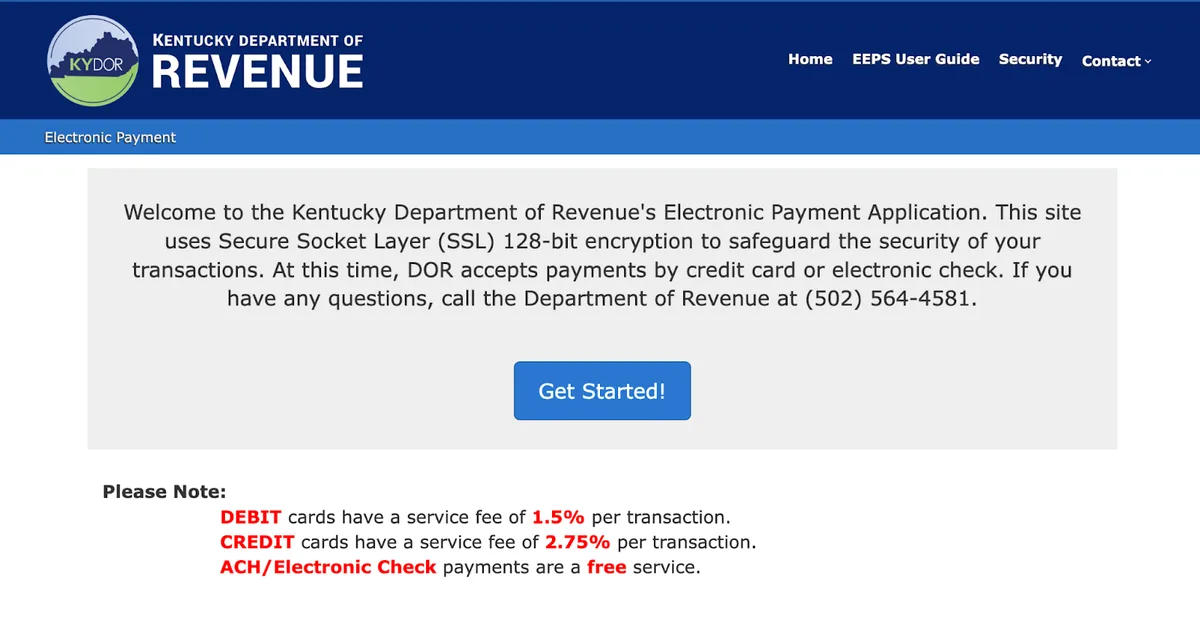
Payment options vary by county. Most accept online payments through their portal. Others allow in-person payments at the clerk’s office or by mail.
If paying online, have your bill and payment method ready. Some counties charge a small processing fee for credit or debit cards. Always save your receipt.
What to Do If Your Assessment Seems Wrong
First, review your assessment notice carefully. Compare the NADA value listed to your vehicle’s condition and mileage. If it seems off, gather evidence like recent sale prices for similar vehicles.
Next, contact your county PVA office. Ask how they arrived at the value. They may adjust it if you provide solid proof.
If you still disagree, you can file a formal appeal. Deadlines are strict, usually within 45 days of the assessment notice. Follow your county’s process exactly.
Common Mistakes That Cost Kentucky Drivers Extra
Ignoring the bill is the biggest mistake. Late fees add up fast, and unpaid taxes can block your registration. Set a reminder for the due date.
Another error is assuming your tax is the same as last year. Vehicle values change, and so do millage rates. Always check the current bill.
Some drivers forget to update their address with the PVA. If you move, notify them immediately. Otherwise, you might miss the bill and face penalties.
Key Deadlines and Penalties (Don’t Miss These)
Kentucky vehicle property tax bills typically arrive between August and October. The due date varies by county but often falls between October 1 and December 31. Check your bill for the exact deadline.
If you miss the due date, a 5% penalty applies after 30 days. After that, an additional 1% penalty accrues each month until paid. Some counties cap the total penalty at 20%.
Unpaid taxes can lead to a registration hold. This means you won’t be able to renew your vehicle’s registration until the tax is settled.
Where to Get Official Help (And Who to Avoid)
Your county PVA office is the best place for assessment questions. They can explain how your vehicle’s value was determined. They can also guide you through the appeal process if needed.
For payment issues, contact your county clerk’s office. They handle tax collections and can confirm payment status. Many offer online chat or phone support.
Avoid third-party services that charge fees to pay your taxes. These are unnecessary. Always use official county channels to ensure your payment is processed correctly.
FAQs About Kentucky Vehicle Property Tax
Do I have to pay property tax on a leased vehicle?
Yes. In Kentucky, leased vehicles are still subject to property tax. The lessee is responsible for paying the tax, not the leasing company.
The bill will typically be sent to the registered owner, which may be the leasing company, but they will pass the obligation to you.
How is the tax calculated if I own multiple vehicles?
Each vehicle is assessed and taxed separately. You’ll receive a separate bill for each registered vehicle. The total tax is the sum of all individual vehicle taxes.
Can I pay my vehicle property tax in installments?
Most Kentucky counties require full payment by the due date. Some may offer short-term payment plans, but this is rare. Check with your county clerk’s office for options.
What happens if I sell my vehicle before the tax is due?
You’re responsible for the tax up to the date of sale. The new owner will be responsible for any taxes due after the transfer. Notify your county clerk’s office of the sale to avoid future bills.
Are electric vehicles taxed differently?
No. Electric vehicles are assessed and taxed the same way as gas-powered vehicles. The tax is based on the vehicle’s value, not its fuel type.
How do I update my address for tax bills?
Contact your county PVA office to update your address. You can usually do this online, by phone, or in person. Keeping your address current ensures you receive your tax bill on time.