Kentucky right-of-way regulations can feel confusing until you know the core rules. The state follows a mix of standard traffic laws and a few Kentucky-specific twists that trip up even experienced drivers.
Per Kentucky Revised Statutes Chapter 189, failure to yield is a common cause of accidents and fines. The good news is that most situations follow a simple if-then logic.
Quick Answer
Kentucky right-of-way regulations require you to yield at stop signs and to pedestrians in crosswalks. At unmarked intersections, the first vehicle to arrive goes first. If two arrive simultaneously, yield to the right.
Emergency vehicles always have the right-of-way.
How Right-of-Way Works in Kentucky (The Basics)
Kentucky’s right-of-way rules are built on three principles: safety, predictability, and fairness. The Kentucky Vehicle Code (KRS 189) spells out who goes first in every scenario, from intersections to crosswalks.
At its core, right-of-way means the legal privilege to proceed first in traffic. It’s not about speed or aggression, it’s about who has the lawful turn to move. If you have the right-of-way, you can go.
If you don’t, you must yield.
The most common misunderstanding is assuming right-of-way is automatic. It’s not. You must actively yield when required, even if the other driver waves you through.
The law doesn’t care about gestures, it cares about the rules.
For official details, the Kentucky Transportation Cabinet provides full statutes and driver resources.
Right-of-Way at Intersections (Stop Signs, Yield Signs, Unmarked)
4-Way Stops: Who Actually Goes First?
The first vehicle to stop is the first to go. If two vehicles stop at the same time, the one on the left yields to the one on the right.
This is where many drivers get it wrong. They assume the vehicle going straight always has priority. Not true.
The rule is first come, first served, with the right-of-way tiebreaker.
Unmarked Intersections: The "Yield to the Right" Rule
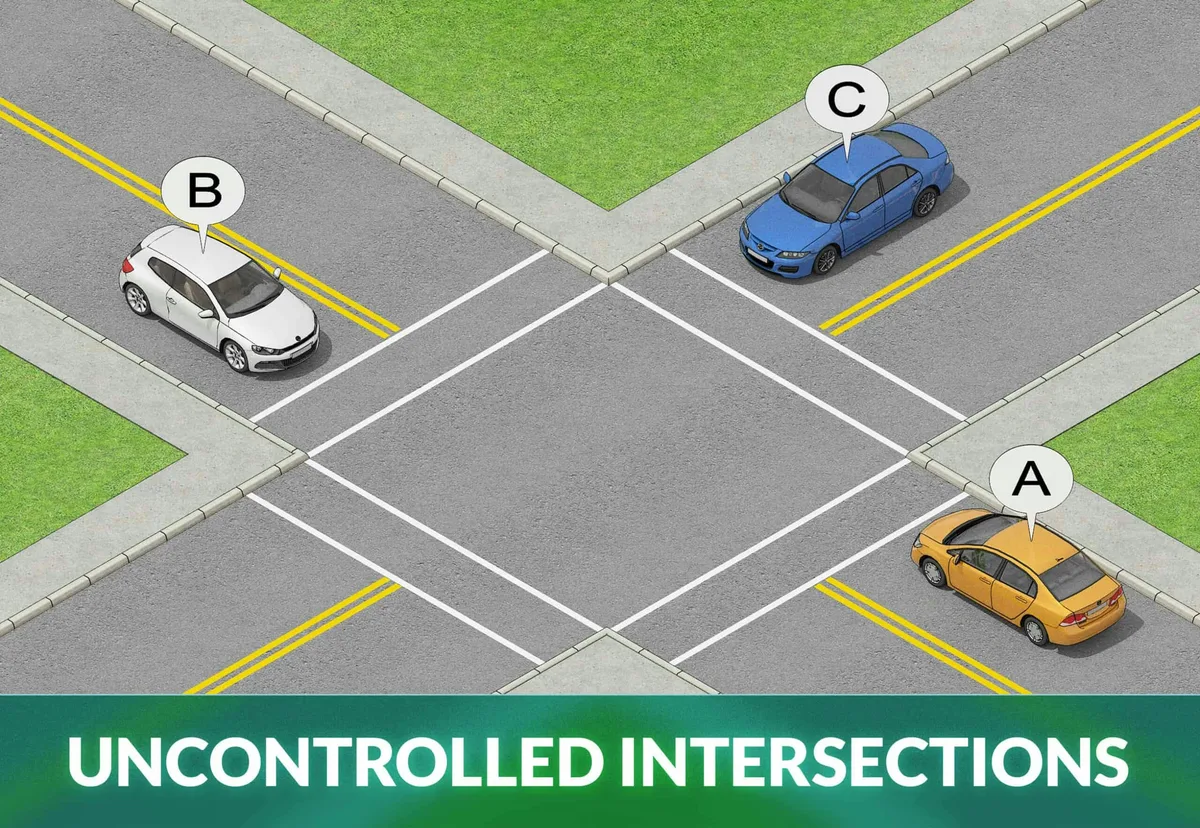
At unmarked intersections, yield to any vehicle already in the intersection. If you arrive at the same time as another driver, yield to the vehicle on your right.
This is a Kentucky-specific rule that differs from some states. In California, for example, the vehicle going straight has priority over a turning vehicle. In Kentucky, the right-of-way rule is simpler: yield to the right.
Yield Signs: When to Stop, When to Go
A yield sign means you must slow down and be prepared to stop. You only stop if necessary to let other traffic pass.
The key word here is "necessary." If the intersection is clear, you can proceed without stopping. But if there’s oncoming traffic, you must yield. This is where many drivers get ticketed, they roll through a yield sign without fully stopping when required.
Pedestrian Right-of-Way: Crosswalks, Sidewalks, and School Zones
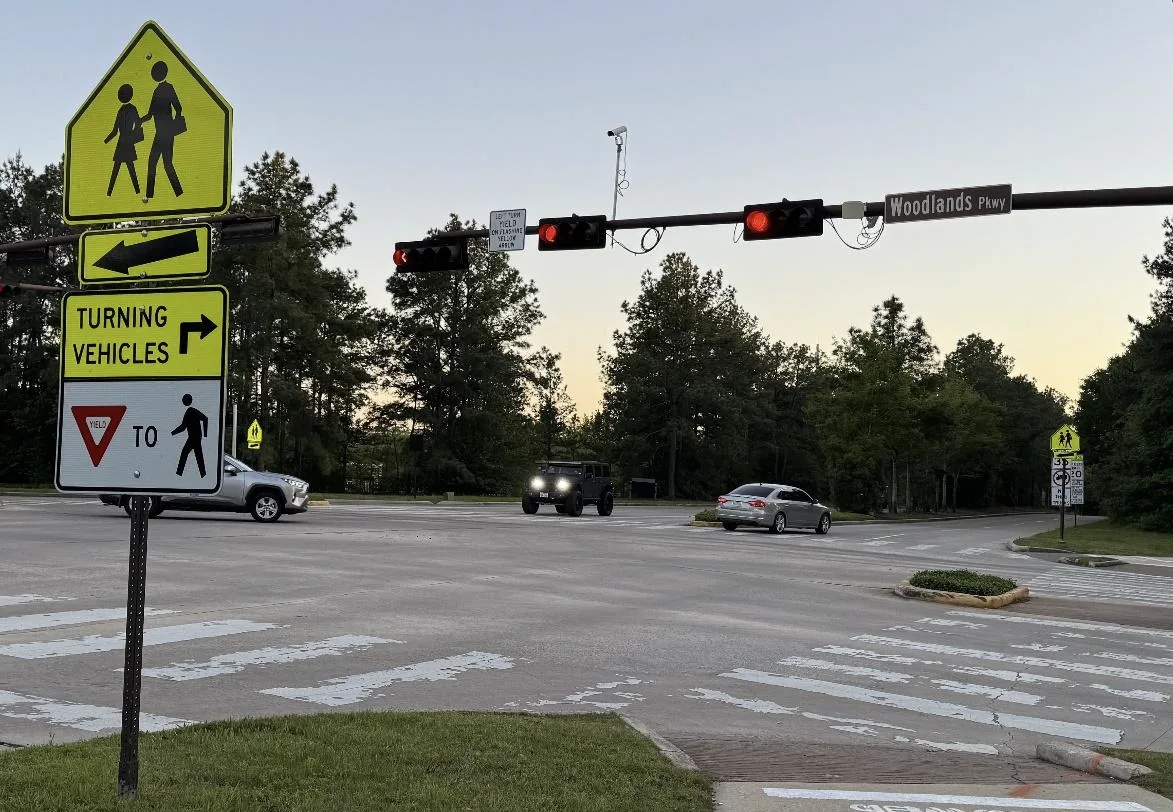
Kentucky law is clear: pedestrians have the right-of-way in marked and unmarked crosswalks. This means you must stop and yield to any pedestrian crossing the road within a crosswalk.
The confusion often comes with unmarked crosswalks. Many drivers assume they only need to yield at painted crosswalks. But in Kentucky, unmarked crosswalks exist at every intersection, even if there’s no paint on the road.
If a pedestrian is crossing at an intersection, you must yield.
School zones add another layer. As of 2026, Kentucky enforces stricter penalties for failing to yield to pedestrians in school zones. Fines can reach up to $500, and points on your license are likely.
Here’s the rule in simple terms:
- Stop for pedestrians in any crosswalk, marked or unmarked.
- Do not pass a vehicle that has stopped for a pedestrian.
- In school zones, be extra cautious, kids don’t always follow the rules.
Special Cases: Emergency Vehicles, School Buses, and Funeral Processions
Emergency vehicles with flashing lights and sirens always have the right-of-way. This means you must pull over to the right and stop until the vehicle passes.
The rule applies even if the emergency vehicle is coming from the opposite direction on a divided highway. Many drivers assume they only need to yield if the vehicle is on their side of the road. That’s not the case in Kentucky.
School buses are another special case. When a school bus stops with its red lights flashing, you must stop completely. This applies to all lanes of traffic, unless you’re on the opposite side of a divided highway with a physical barrier.
Funeral processions are less common but still important. In Kentucky, a funeral procession has the right-of-way at intersections, as long as it’s led by a vehicle with flashing lights. Other vehicles in the procession must follow closely and not break the line.
Roundabouts: Kentucky’s Yield Rules (And Why People Get It Wrong)
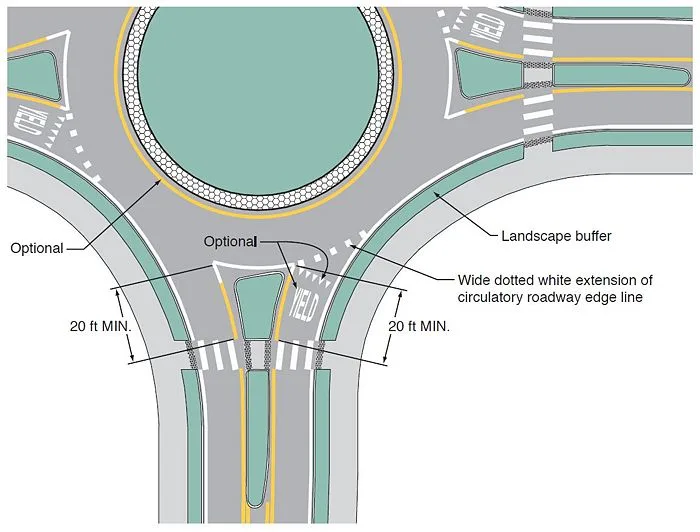
Roundabouts are designed to keep traffic flowing, but many drivers freeze at the entrance. The rule is simple: yield to vehicles already in the circle.
You only enter when there’s a safe gap. Once inside, you have the right-of-way until you exit. The confusion comes when drivers stop mid-circle or try to merge too early.
Kentucky’s roundabouts follow the same national standards as other states. But unlike some places, Kentucky doesn’t have many multi-lane roundabouts yet. Most are single-lane, which simplifies the rules.
Left Turns: Who Has the Right-of-Way?
Oncoming traffic always has the right-of-way when you’re turning left. This applies at intersections, driveways, and parking lots.
The only exception is when you have a green arrow. Then you can turn left without yielding to oncoming traffic.
Many accidents happen because drivers assume the other person will yield. Don’t assume. Wait for a clear gap, then proceed.
Common Mistakes That Get Kentucky Drivers Ticketed
Rolling through stop signs is the most common violation. A full stop means your wheels aren’t moving, even for a second.
Another frequent mistake is not yielding to pedestrians at crosswalks. Even if the pedestrian is just starting to cross, you must stop.
Failing to yield to emergency vehicles is a serious offense. Pull over immediately and stop. Don’t try to outrun the siren.
Kentucky Right-of-Way Laws vs. Other States (Key Differences)
Kentucky’s "yield to the right" rule at unmarked intersections is standard in most states. But some, like California, give priority to the vehicle going straight.
Pedestrian right-of-way is similar nationwide, but enforcement varies. Kentucky tends to be strict in school zones and urban areas.
Emergency vehicle laws are consistent: always yield. But fines for violations can be higher in Kentucky than in neighboring states.
What Happens If You Fail to Yield? (Fines, Points, Liability)
Fines for failure to yield start around $100 but can go up to $500 in school zones. Points on your license are likely, which can increase insurance rates.
If you cause an accident by failing to yield, you’re usually at fault. This means higher insurance premiums and potential lawsuits.
In extreme cases, like failing to yield to an emergency vehicle, you could face jail time. The law doesn’t take these violations lightly.
Real-Life Scenarios: Who’s at Fault in These Situations?
You and another car arrive at a 4-way stop at the same time
You yield to the right. If you’re on the left, you wait. If you’re on the right, you go first.
This is the most common scenario where drivers get into disputes. The rule is clear, but many assume they have priority because they’re going straight.
A pedestrian starts crossing at an unmarked intersection
You must stop. Unmarked crosswalks exist at every intersection, even without paint.
Many drivers assume they only need to yield at marked crosswalks. That’s not the case in Kentucky. If a pedestrian is crossing, you stop.
You’re turning left at a green light with oncoming traffic
You must yield to oncoming vehicles. Only turn when it’s safe and clear.
This is a frequent cause of accidents. Drivers often misjudge the speed of oncoming traffic or assume they have more time than they do.
FAQs About Kentucky Right-of-Way Rules
Do I have to stop for a pedestrian at an unmarked crosswalk?
Yes. Kentucky law treats unmarked crosswalks the same as marked ones. You must yield to pedestrians crossing at any intersection.
What if two cars arrive at an unmarked intersection at the same time?
Yield to the right. The vehicle on the left must wait for the vehicle on the right to proceed first.
Can I turn right on red in Kentucky?
Yes, but only after coming to a complete stop and ensuring the way is clear. This applies to all right turns unless a sign prohibits it.
What’s the fine for failing to yield to an emergency vehicle?
Fines start at $200 and can go up to $500. You may also face points on your license and potential jail time in severe cases.
Do school buses have the right-of-way in Kentucky?
Yes. When a school bus stops with its red lights flashing, all traffic must stop. This applies to all lanes unless you’re on the opposite side of a divided highway with a physical barrier.
Final Decision Guide: What to Do in Any Situation
When in doubt, yield. It’s better to be cautious than to cause an accident or get a ticket.
At intersections, follow the first-come, first-served rule. If in doubt, yield to the right.
For pedestrians, always stop at crosswalks, marked or unmarked. In school zones, be extra cautious.
For emergency vehicles, pull over immediately and stop. Don’t try to outrun the siren.
For roundabouts, yield to traffic already in the circle. Once inside, you have the right-of-way until you exit.