ByMax Lee
Louisiana Window Tint Laws: 40% Light Transmission Rule
Louisiana window tint rules generally require at least 40% light transmission for front side windows. This means your driver and passenger side windows must allow at least 40% of outside light to pass through. The rule is part of Louisiana’s vehicle safety laws, designed to keep visibility clear for drivers and law enforcement.
As of 2026, the 40% standard applies specifically to the front side windows, while other windows may have different limits. Understanding these rules helps you avoid fines and ensures your vehicle stays street-legal.
YouTube / VVV-Group (YouTube thumbnail (fair-use with source credit))
Quick Answer
Louisiana requires at least 40% light transmission for front side windows. This is the minimum visible light transmission (VLT) allowed. Rear side windows and the back window often have different rules.
Always verify tint percentage with a VLT meter to stay compliant.
The 40% Rule Explained Simply
Visible light transmission (VLT) measures how much light passes through your window tint. A 40% VLT means 40% of outside light gets through, while 60% is blocked. Louisiana’s law sets this as the minimum for front side windows to ensure drivers can see clearly, especially at night or in low-light conditions.
The rule doesn’t apply to the windshield, which typically can’t have any aftermarket tint below the AS-1 line. Factory-tinted windows from the manufacturer may already meet these standards, but aftermarket tint must comply as well.
Which Windows Have the 40% Light Transmission Requirement?
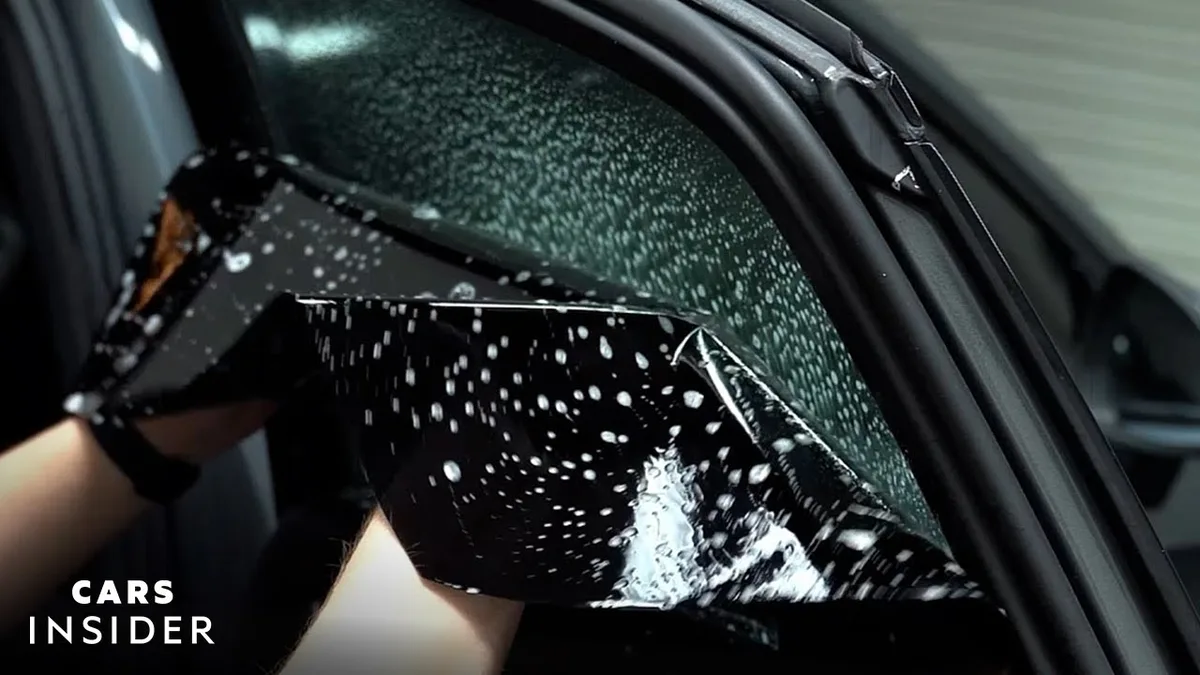
The 40% VLT rule applies specifically to the front side windows: the driver’s window and the front passenger window. These are the windows directly beside the driver and front seat passenger.
YouTube / Insider Cars (YouTube thumbnail (fair-use with source credit))
Rear side windows and the rear windshield often have more lenient rules, sometimes allowing tints as dark as 25% VLT. However, the front side windows must always meet the 40% standard unless a medical exemption applies.
Other Louisiana Tint Limits You Need to Know
Louisiana’s tint laws don’t stop at the 40% rule for front side windows. Here’s a quick breakdown of the other key limits:
| Window | Minimum VLT | Notes |
|---|---|---|
| Windshield | None | No aftermarket tint below AS-1 line |
| Front side windows | 40% | Must allow at least 40% light in |
| Rear side windows | 25% | Can be darker than front sides |
| Rear window | 12% | Often no restriction if vehicle has side mirrors |
Reflective tints are also restricted. Louisiana prohibits tints that are highly reflective, as they can blind other drivers. Additionally, certain colors like red, amber, and blue are off-limits for non-emergency vehicles, as they can be confused with emergency vehicle lighting.
Why the 40% Rule Exists (Safety & Legal Reasons)
The 40% VLT requirement is primarily about safety. Darker tints can reduce a driver’s visibility, especially at night or in poor weather conditions. This increases the risk of accidents, as drivers may struggle to see pedestrians, cyclists, or other vehicles.
Law enforcement also needs to see inside vehicles during traffic stops for safety reasons. If an officer can’t see inside your car due to overly dark tint, it can lead to a citation or even a more serious confrontation. The Louisiana State Police enforces these rules to maintain road safety and transparency.
How to Check if Your Tint is Legal
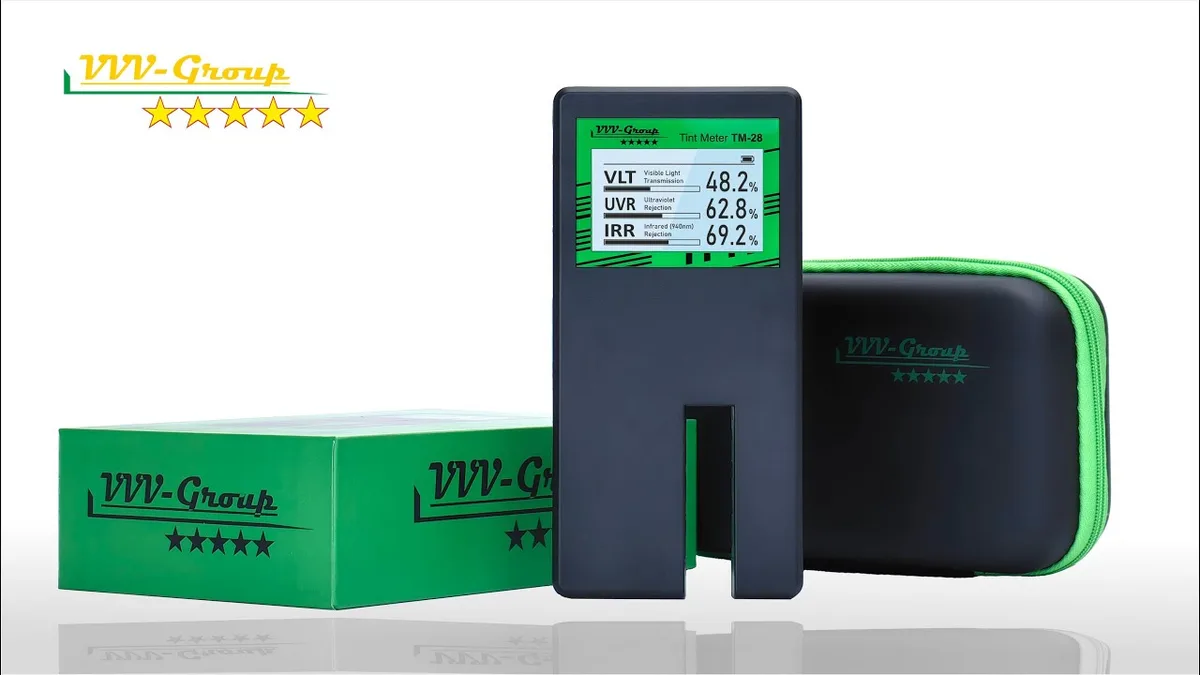
The easiest way is to use a VLT meter, which measures light transmission. Most auto shops and inspection stations have one. If you don’t have access to a meter, compare your tint to a known legal window or ask a professional installer to verify.
A quick visual test won’t be precise, but if your front side windows look significantly darker than factory glass, they likely violate the 40% rule.
Medical Exemptions: When You Can Go Darker
Louisiana allows darker tints for medical reasons, but you need documentation. A licensed physician must certify that you require additional protection from sunlight due to a condition like lupus or extreme light sensitivity.
YouTube / MyEyeRx (YouTube thumbnail (fair-use with source credit))
The exemption typically allows tints darker than 40% on front side windows, but you must carry the certificate in your vehicle at all times.
What Happens If Your Tint is Too Dark?
You’ll likely get pulled over and issued a fix-it ticket. The officer may require you to remove the illegal tint and pass a re-inspection within a set period, usually 30 days.
YouTube / UK FREEDOM AUDITS (YouTube thumbnail (fair-use with source credit))
If you ignore the ticket, the fine can increase, and repeated violations may lead to points on your license.
How to Fix Non-Compliant Tint
Your best option is to have a professional remove the illegal tint and replace it with a legal 40% or lighter version. DIY removal can damage your window defroster lines or leave adhesive residue.
If you’re unsure about the tint percentage, ask the installer to provide a compliance certificate. This can save you trouble during inspections or traffic stops.
Common Mistakes That Get You Pulled Over
Assuming factory tint is always legal is a big mistake. Some vehicles come with darker-than-legal tint from the manufacturer, and aftermarket additions can push it over the limit.
Another common error is ignoring the front side window rule while focusing only on the rear windows. Officers typically check the front sides first, as these are the most critical for visibility.
Best Legal Tint Options for Louisiana Drivers
Ceramic tint is a top choice because it blocks heat and UV rays without violating the 40% VLT rule. It’s more expensive but lasts longer and doesn’t interfere with electronics.
Dyed tint is the budget-friendly option. It meets the 40% requirement and provides basic privacy, though it fades faster than ceramic. Metallic tint is another alternative, but it can interfere with radio signals and may not be worth the trade-off.
Where to Get Your Tint Installed (And What to Ask)
Professional shops are the safest bet for compliant tint. Look for installers who guarantee their work meets Louisiana’s 40% standard for front side windows.
Ask for a compliance certificate and verify the VLT percentage before installation. Avoid fly-by-night operations that don’t provide documentation, as this can lead to legal trouble down the road.
Frequently Asked Questions
Is 35% tint legal in Louisiana?
No, 35% tint does not meet Louisiana’s 40% minimum VLT requirement for front side windows. You’ll need at least 40% light transmission to stay legal.
Can I get a ticket for tint that’s too dark?
Yes, officers can issue a fix-it ticket if your front side windows are below 40% VLT. You’ll typically have 30 days to correct the issue and pass a re-inspection.
Do medical exemptions allow darker tint?
Yes, but only with a physician’s certification. The exemption must be carried in the vehicle at all times to avoid citations.
Are there any color restrictions for window tint?
Louisiana prohibits red, amber, and blue tints on non-emergency vehicles. Stick to neutral shades like gray, black, or charcoal to stay compliant.
What’s the fine for illegal tint in Louisiana?
Fines vary by parish but typically start around $50 for a first offense. Repeated violations can lead to higher penalties and points on your license.