Massachusetts child restraint law and car seat requirements for young children can feel overwhelming, but the rules exist to keep kids safe. The state has clear guidelines based on age, height, and weight, and breaking them isn’t just risky, it’s illegal.
As of 2026, Massachusetts law requires all children under 8 years old or under 57 inches tall to use a federally approved child restraint system. That means car seats or boosters aren’t optional, even for short trips. Here’s what you need to know to stay compliant and, more importantly, keep your child protected.
Quick Answer
Massachusetts child restraint law and car seat requirements for young children mandate a car seat or booster for kids under 8 or under 57 inches tall. Rear-facing seats are safest for infants and toddlers. Forward-facing seats come next, followed by boosters.
The fine for non-compliance is up to $25.
Who Needs a Car Seat or Booster in Massachusetts?
The law is straightforward: if your child is under 8 years old or under 57 inches tall, they must be in a car seat or booster. This applies to all vehicles, including rideshares and taxis. There are no exceptions for short trips or "just around the corner" drives.

Height and weight matter just as much as age. A 7-year-old who’s 58 inches tall can use a seat belt, but a 9-year-old under 57 inches still needs a booster. Always check the car seat manufacturer’s guidelines, as they often have stricter limits than the law.
Rear-Facing vs. Forward-Facing: When to Switch
Rear-facing seats are the gold standard for safety. The American Academy of Pediatrics (AAP) recommends keeping children rear-facing as long as possible, ideally until they outgrow the seat’s height or weight limit. Most convertible seats allow rear-facing up to 40, 50 pounds.
Forward-facing seats are the next step, but only when your child meets the seat’s minimum height and weight requirements. This is usually around age 2 or older, but every child and seat is different.
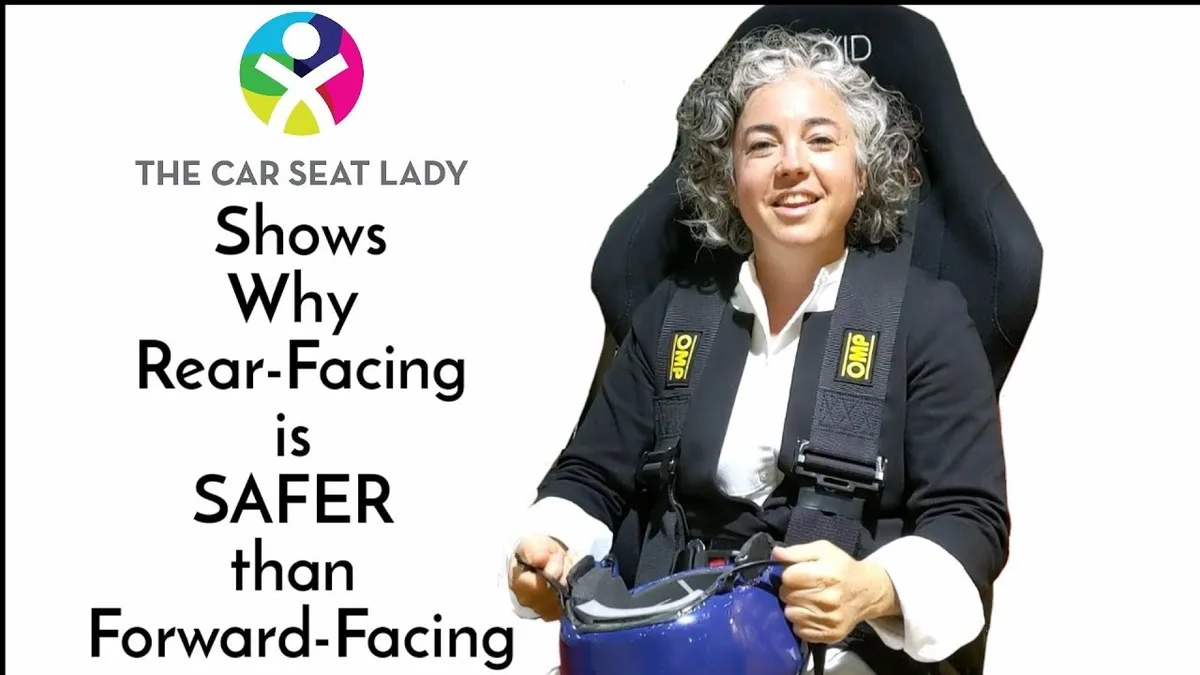
Key differences at a glance:
| Feature | Rear-Facing | Forward-Facing |
|---|---|---|
| Safety | Best for head/neck support | Good, but less protective |
| Age Range | Birth to ~4 years | ~2 years and up |
| Weight Limit | 4–50 lbs (varies by seat) | 20–65+ lbs (varies by seat) |
| Height Limit | Until child outgrows seat | Until child outgrows seat |
Switching too soon is one of the most common mistakes. If your child still fits in their rear-facing seat, keep them there. It’s not about convenience, it’s about protection in a crash.
Booster Seat Requirements: Age, Height, and Weight
Booster seats bridge the gap between car seats and adult seat belts. In Massachusetts, children must use a booster if they’re under 8 or under 57 inches tall. But height is the more critical factor.
A seat belt is only safe if it fits properly: the lap belt should lie across the hips, not the stomach, and the shoulder belt should cross the chest, not the neck.
There are two types of boosters:
- High-back boosters: Provide head and neck support, ideal for vehicles without headrests or for smaller kids.
- Backless boosters: More portable, but only safe if the vehicle seat has a headrest and the child’s ears are below the top of the seat.

When to stop using a booster:
- Your child is at least 8 years old and at least 57 inches tall.
- The seat belt fits correctly without the booster (test this in every vehicle they ride in).
How to Install a Car Seat Correctly in Massachusetts
A car seat is only as safe as its installation. The most common mistakes, loose straps, incorrect angles, or using the wrong anchors, can reduce protection in a crash. Follow these steps every time:
1. Choose the right location
- The back seat is always safest. If possible, use the middle of the back seat to minimize side-impact risk.
- Never place a rear-facing seat in the front if the vehicle has an active passenger airbag.
2. Secure the seat properly
- Use either the LATCH system (Lower Anchors and Tethers for Children) or the vehicle’s seat belt. Never use both at the same time.
- The seat should not move more than 1 inch side-to-side or front-to-back when tested at the belt path.
3. Adjust the harness
- Straps should be snug enough that you can’t pinch excess webbing at the shoulder.
- The chest clip should be at armpit level to prevent internal injuries in a crash.
- For rear-facing seats, the recline angle is critical. Most seats have indicators or adjusters to help you get it right.
4. Test the installation
- Many fire stations and police departments in Massachusetts offer free car seat checks. A certified technician can confirm your seat is installed correctly.
LATCH System vs. Seat Belt: Which Should You Use?
The LATCH system makes installation easier by using built-in anchors in your vehicle. Most cars manufactured after 2002 have lower anchors and top tethers designed for child seats. The seat belt method works too, but it requires careful threading and locking.

When to use LATCH:
- Your vehicle has the anchors (check the owner’s manual).
- Your child’s seat is within the LATCH weight limit (usually 65 lbs combined for child + seat).
When to use the seat belt:
- Your vehicle lacks LATCH anchors.
- Your child has outgrown the LATCH weight limit.
- You’re installing the seat in a middle back seat without LATCH.
Never use both LATCH and the seat belt together. This can put too much stress on the seat and reduce safety.
Common Mistakes Parents Make (And How to Avoid Them)
Loose straps are the most frequent error. A properly secured harness should pass the pinch test: if you can pinch excess strap at the shoulder, it’s too loose. Another common issue is moving to the next seat type too soon.
Top mistakes to watch for:
- Turning a child forward-facing before they meet the seat’s minimum height and weight.
- Using an expired car seat (most expire after 6, 10 years).
- Placing the chest clip too low or too high (it should be at armpit level).
- Not registering the seat for recall alerts.
Recalls happen more often than you think. Always check the NHTSA recall database if you’re using a secondhand seat.
What Happens If You Break the Law?
Massachusetts takes child passenger safety seriously. If you’re pulled over with a child not properly restrained, you could face a fine of up to $25. More importantly, you’re putting your child at risk.
The law applies to all drivers, not just parents. If you’re transporting a child who isn’t yours, you’re still responsible for following the rules. There are no exceptions for rideshares, taxis, or short trips.
Police officers can stop you solely for a child restraint violation. It’s not just a secondary offense, it’s a primary reason to pull you over.
Free Car Seat Checks in Massachusetts
Many fire stations, police departments, and hospitals offer free car seat inspections. A certified Child Passenger Safety Technician (CPST) will check your installation and answer any questions. These checks take about 20, 30 minutes and can catch errors you might miss.
Where to find a check:
- Local fire departments (call ahead to confirm availability).
- Massachusetts Safe Kids coalition events.
- Some pediatrician offices and community health centers.
Bring your car seat, your vehicle, and your child if possible. The technician will show you how to install the seat correctly and may even demonstrate with your child in it.
Massachusetts Law vs. Safety Best Practices
The law sets the minimum requirements, but safety experts often recommend going further. The AAP advises keeping children rear-facing until they reach the maximum height or weight limit for their seat. This is usually around age 4 or older.
Key differences:
| Requirement | Massachusetts Law | AAP Recommendation |
|---|---|---|
| Rear-facing | No specific age/weight | Until max limit of seat |
| Forward-facing | Allowed after rear-facing limits | Only after outgrowing rear-facing |
| Booster use | Under 8 or under 57 inches | Until seat belt fits properly |
Following the law keeps you legal, but following best practices gives your child the best protection. When in doubt, err on the side of caution.
FAQs About Massachusetts Child Restraint Laws
Does Massachusetts require a car seat for a 7-year-old?
Yes, if they’re under 57 inches tall. The law applies to all children under 8 or under 57 inches, regardless of age.
Can my 6-year-old use just a seat belt?
Only if they’re at least 57 inches tall. Otherwise, they need a booster seat. The seat belt must fit properly across the hips and chest.
What’s the fine for not using a car seat in Massachusetts?
The fine is up to $25. But the real cost is the risk to your child’s safety in a crash.
Are backless boosters legal in Massachusetts?
Yes, but only if the vehicle seat has a headrest and the child’s ears are below the top of the seat. High-back boosters are safer for most kids.
When can my child stop using a booster seat?
When they’re at least 8 years old and at least 57 inches tall. The seat belt must fit correctly without the booster.
Do taxis and rideshares have to follow the same rules?
Yes. The law applies to all vehicles, including taxis and rideshares. Bring your child’s car seat or booster with you.
Final Checklist: Are You Following the Rules?
Use this quick checklist to make sure you’re compliant and keeping your child safe.
For infants and toddlers:
- Rear-facing seat until they outgrow the height or weight limit.
- Seat installed in the back, never in the front with an active airbag.
For young children:
- Forward-facing seat with a 5-point harness until they outgrow it.
- Top tether used if the seat and vehicle support it.
For older kids:
- Booster seat until at least 8 years old and 57 inches tall.
- Seat belt fits properly across the hips and chest.
For all seats:
- Installed tightly with LATCH or seat belt (not both).
- Harness straps snug with chest clip at armpit level.
- Seat not expired or recalled.
- Registered with the manufacturer for recall alerts.
Use this quick checklist to make sure you’re compliant and keeping your child safe.
For infants and toddlers:
- Rear-facing seat until they outgrow the height or weight limit.
- Seat installed in the back, never in the front with an active airbag.
For young children:
- Forward-facing seat with a 5-point harness until they outgrow it.
- Top tether used if the seat and vehicle support it.
For older kids:
- Booster seat until at least 8 years old and 57 inches tall.
- Seat belt fits properly across the hips and chest.
For all seats:
- Installed tightly with LATCH or seat belt (not both).
- Harness straps snug with chest clip at armpit level.
- Seat not expired or recalled.
- Registered with the manufacturer for recall alerts.