That old car sitting on the side of the road or in your parking lot isn’t just an eyesore, it might be breaking the law. The Massachusetts abandoned vehicle removal process on public and private property is strict, and the rules change depending on where the vehicle is and who owns the land. If you don’t follow the steps correctly, you could end up facing fines or even a lawsuit.
In Massachusetts, a vehicle is typically considered abandoned after 48 hours on public property or 30 days on private property if the owner can’t be identified. The process involves notices, towing, and sometimes even auctions, but the exact steps depend on the situation.
Quick Answer
The Massachusetts abandoned vehicle removal process on public and private property starts with a notice. On public property, police can remove it after 48 hours if the owner is unknown. On private property, owners must post a 30-day notice before towing.
Unclaimed vehicles may be sold at auction. Always follow local ordinances to avoid legal issues.
Is It Actually Abandoned? How Massachusetts Defines the Problem
Not every parked car is abandoned. In Massachusetts, a vehicle is legally abandoned if it’s left unattended on public property for more than 48 hours or on private property for more than 30 days without the owner’s permission. The key factor is whether the owner can be identified and notified.
If the vehicle has visible damage, missing plates, or expired registration, it’s more likely to be classified as abandoned. However, even a seemingly abandoned car might belong to someone who’s just out of town. That’s why the notice process is critical, it gives the owner a chance to move it before removal.
Public Property vs. Private Property: The Two Different Rules
The rules for removing an abandoned vehicle in Massachusetts differ sharply between public and private property. On public land, the process is faster and involves law enforcement. On private land, the property owner has more control but must follow strict notice requirements.
On Public Roads, Lots, or Right-of-Ways
Public property includes streets, highways, and government-owned lots. Here, the police have the authority to remove a vehicle if it’s been abandoned for 48 hours or more. They’ll first attempt to identify the owner through the vehicle’s registration or VIN.
If the owner can’t be found, the police can authorize towing.
If the owner is identified, they’ll receive a notice giving them 24 to 48 hours to move the vehicle before it’s towed. After towing, the owner has 10 days to reclaim it by paying towing and storage fees. If unclaimed, the vehicle may be sold at a public auction.
On Private Driveways, Parking Lots, or Land
Private property owners have the right to remove abandoned vehicles, but the process is slower. You must first post a written notice on the vehicle, giving the owner 30 days to move it. If the vehicle remains after that period, you can have it towed at the owner’s expense.
The notice must include:
- A description of the vehicle (make, model, color, license plate)
- The location where it’s parked
- The date and time the notice was posted
- A statement that the vehicle will be towed if not removed within 30 days
If the owner doesn’t respond, you can proceed with towing. However, you must use a licensed towing company, and the vehicle will be taken to a storage facility where the owner can still reclaim it by paying fees.
Step-by-Step Removal Process for Public Property
If you spot an abandoned vehicle on public property in Massachusetts, here’s how the removal process works:
Report the Vehicle Contact your local police department or call the non-emergency line. Provide the vehicle’s location, make, model, and license plate number if visible.
Police Inspection An officer will inspect the vehicle to check for signs of abandonment, such as expired registration, flat tires, or missing parts. They’ll also run the VIN to identify the owner.
Owner Notification (If Identifiable) If the owner can be identified, the police will send a notice giving them 48 hours to move the vehicle.
Towing and Impound If the vehicle isn’t moved within the notice period, the police will authorize a licensed towing company to remove it.
Redemption Period The owner has 10 days to reclaim the vehicle by providing proof of ownership and paying towing and storage fees. As of 2026, storage fees in Massachusetts are capped at $35 per day for the first 10 days.
Public Auction If the vehicle isn’t claimed within the redemption period, it may be sold at a public auction.
Notice Requirements: What You Must Do Before Towing
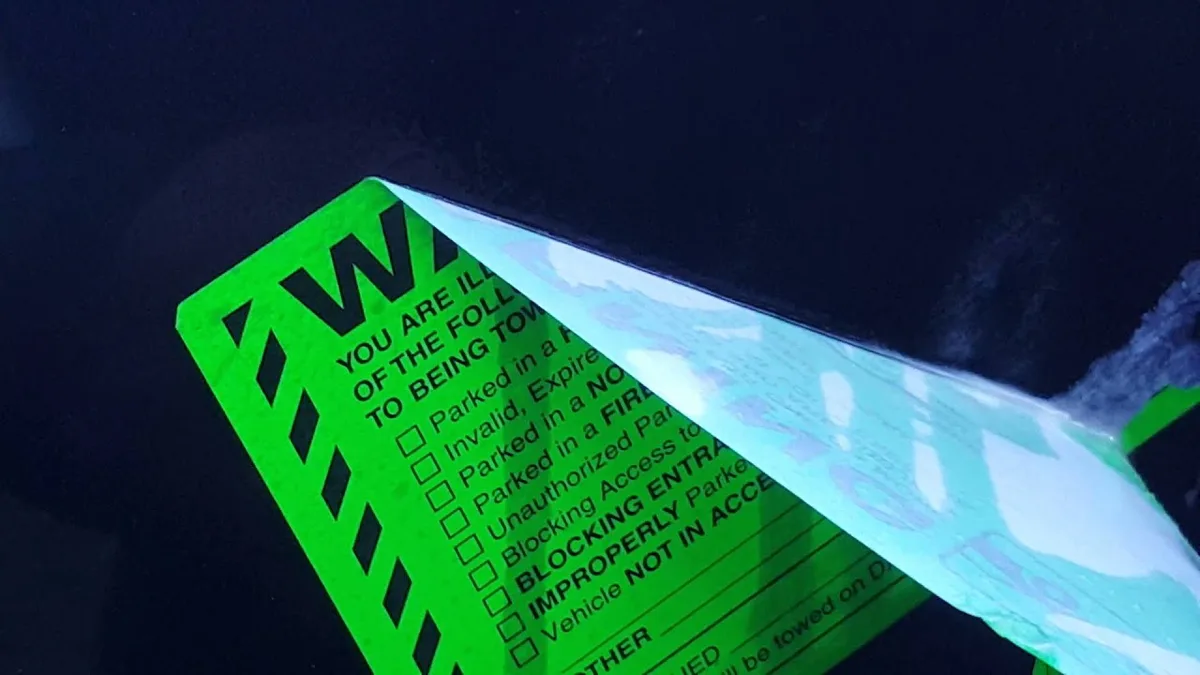
Before towing an abandoned vehicle from private property in Massachusetts, you must follow the notice requirements to the letter. Skipping this step can lead to legal trouble, including lawsuits for wrongful towing.
The notice must be in writing and include:
- A clear description of the vehicle
- The exact location where the vehicle is parked
- The date and time the notice was posted
- A statement that the vehicle will be towed if not removed within 30 days
- Your contact information as the property owner
Post the notice prominently on the vehicle. If the vehicle is in a location where posting a notice isn’t possible, you can mail the notice to the owner’s last known address if you can identify them through the RMV.
What Happens After the Vehicle Is Towed?
Once a vehicle is towed in Massachusetts, the clock starts ticking for the owner to reclaim it. The towing company must hold the vehicle for at least 10 days before taking further action.
If the vehicle isn’t claimed within 10 days, the towing company can apply for a title through the Massachusetts RMV. After receiving the title, they can sell the vehicle at a public auction. Any proceeds from the sale first cover the towing and storage costs.
How to Reclaim an Abandoned Vehicle in Massachusetts
To reclaim a towed vehicle, the owner must act quickly. First, contact the local police department or the towing company to confirm where the vehicle was taken. You’ll need to provide proof of ownership and a valid driver’s license.
Next, pay all outstanding fees, which typically include towing charges and daily storage fees. If the vehicle was towed from private property, the property owner may also have placed a lien on it, which must be satisfied before release.
Costs You Should Expect (Towing, Storage, Fees)
Removing an abandoned vehicle in Massachusetts comes with costs, and they add up fast. Towing fees vary by location but generally range from $100 to $200. Storage fees accrue daily, with the state capping them at $35 per day for the first 10 days.
Here’s a breakdown of typical costs:
| Fee Type | Estimated Cost |
|---|---|
| Towing | $100 – $200 |
| Storage (per day) | Up to $35 (first 10 days) |
| Administrative Fees | $25 – $50 |
If the vehicle isn’t claimed, these costs are deducted from the auction proceeds.
Common Mistakes That Lead to Legal Trouble
One of the biggest mistakes property owners make is skipping the notice requirement. Posting a proper 30-day notice is mandatory for private property removals. Without it, you risk a wrongful towing lawsuit.
Another common error is using an unlicensed towing company. Massachusetts requires all towing operators to be licensed. Always verify the towing company’s credentials before authorizing a tow.
Local Variations: Boston, Worcester, and Other Cities
While Massachusetts has statewide laws for abandoned vehicle removal, local ordinances can add extra layers. In Boston, the police department handles abandoned vehicles on public property, and the process may move faster in high-traffic areas. Worcester and other cities may have additional rules for private property removals.
Always check with your local police department or city hall for specific requirements. Some municipalities require additional permits or have stricter timelines for removal.
When to Call the Police vs. Handling It Yourself
For vehicles on public property, always call the police first. They have the authority to verify abandonment, identify the owner, and initiate removal if needed.
On private property, you can handle the process yourself, but only after posting the required 30-day notice. If the vehicle is blocking emergency access or poses a safety hazard, contact the police immediately.
FAQs About Massachusetts Abandoned Vehicle Removal
How long before a car is considered abandoned in Massachusetts?
On public property, a vehicle is considered abandoned after 48 hours. On private property, the threshold is 30 days if the owner can’t be identified or hasn’t given permission.
Can I tow a car parked on my property without notice?
No. Massachusetts law requires a 30-day written notice posted on the vehicle before towing from private property.
What happens if the owner never claims the towed vehicle?
After 10 days, the towing company can apply for a title and sell the vehicle at auction. Proceeds cover towing and storage fees, with any remainder going to the owner if located.
Do I need a lawyer to remove an abandoned vehicle?
Not usually. Following the proper notice and towing procedures protects you legally. However, if the owner disputes the removal, consulting a lawyer may be wise.
Are there fees for reporting an abandoned vehicle?
No. Reporting an abandoned vehicle to the police or local authorities is free. Fees only apply if you’re the property owner towing the vehicle.