ByMax Lee
Maine Commercial Vehicle Registration & Weight Limits
YouTube / Chiewcharn Sa-nguanmoo (YouTube thumbnail (fair-use with source credit))
Maine commercial vehicle registration and weight restrictions trip up even experienced drivers. The rules change based on your vehicle’s weight, how you use it, and whether you’re crossing state lines.
If your vehicle has a Gross Vehicle Weight Rating of 10,001 lbs or more, Maine considers it commercial. That means registration, potential permits, and strict weight limits apply.
Quick Answer
Maine commercial vehicle registration and weight restrictions apply to any vehicle over 10,000 lbs GVWR. Single axles max out at 22,400 lbs. Tandem axles can’t exceed 36,000 lbs.
Gross vehicle weight is capped at 80,000 lbs. Seasonal limits may drop these further in spring.
Do You Need Commercial Registration in Maine?
You do if your vehicle meets any of these conditions. GVWR over 10,000 lbs is the most common trigger. Vehicles used for business purposes, like hauling goods or passengers for hire, also qualify even if lighter.
Farm vehicles have some exemptions, but logging trucks and construction equipment almost always need commercial plates. Check the Maine BMV site for the full list of exceptions.
How Maine Defines a Commercial Vehicle
Maine uses three main criteria. First is weight: anything over 10,000 lbs GVWR is commercial. Second is use: vehicles transporting goods or passengers for compensation count.
Third is design: vehicles built for commercial purposes, like dump trucks or box trucks, require commercial registration regardless of current use.
The classification affects everything from registration fees to insurance requirements. It also determines which weight restrictions apply to your vehicle.
Weight Restrictions: The Hard Limits You Can’t Ignore
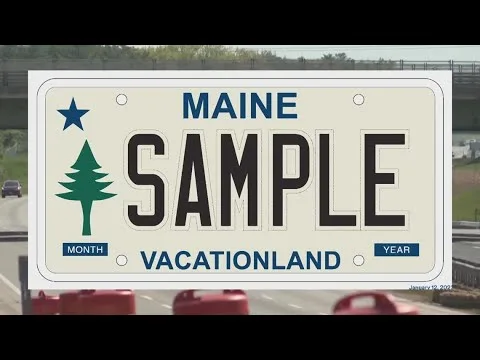
YouTube / NEWS CENTER Maine (YouTube thumbnail (fair-use with source credit))
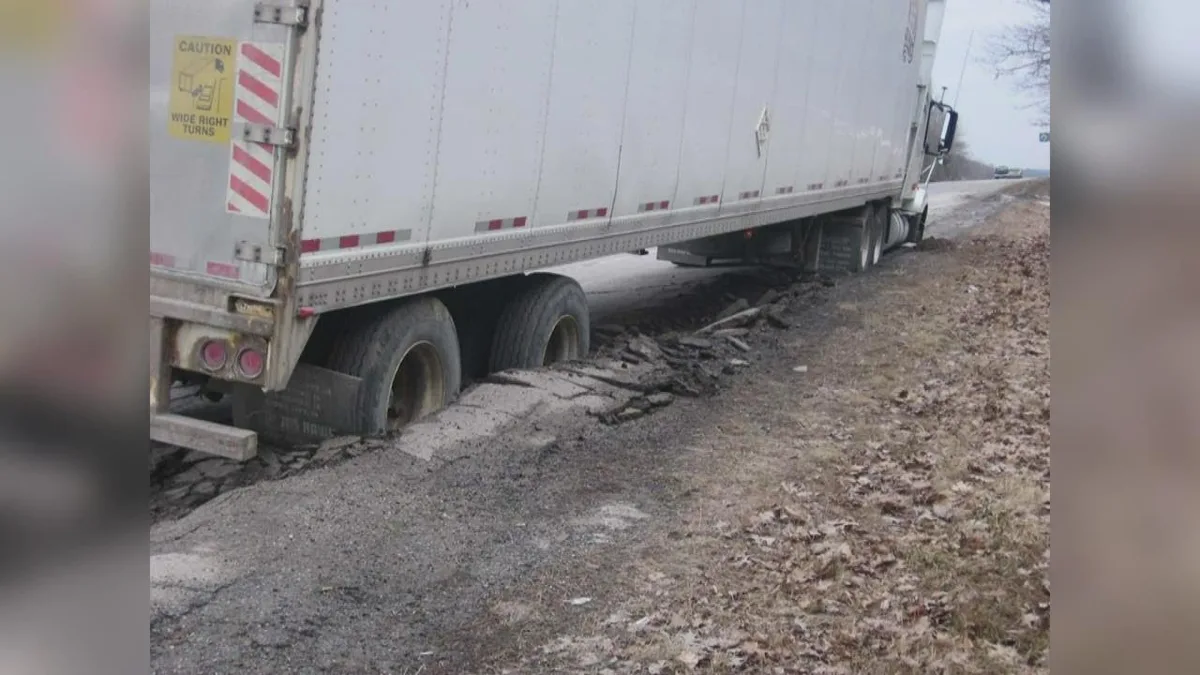
Maine enforces strict weight limits to protect roads and bridges. Single axles can’t exceed 22,400 lbs. Tandem axles max out at 36,000 lbs.
The total gross vehicle weight limit is 80,000 lbs, matching federal standards.
Seasonal restrictions kick in during spring thaw, typically March through May. During this period, weight limits may drop by 25% or more on certain roads. The Maine DOT posts these changes annually, so always check before hauling heavy loads.
| Weight Type | Standard Limit | Spring Thaw Reduction |
|---|---|---|
| Single Axle | 22,400 lbs | Often 16,800 lbs |
| Tandem Axle | 36,000 lbs | Often 27,000 lbs |
| Gross Weight | 80,000 lbs | Varies by route |
Overweight violations start at $100 and scale up with the excess weight. Repeat offenses can lead to higher fines or even vehicle impoundment.
Step-by-Step: Registering a Commercial Vehicle in Maine
YouTube / Maine Department of the Secretary of State (YouTube thumbnail (fair-use with source credit))
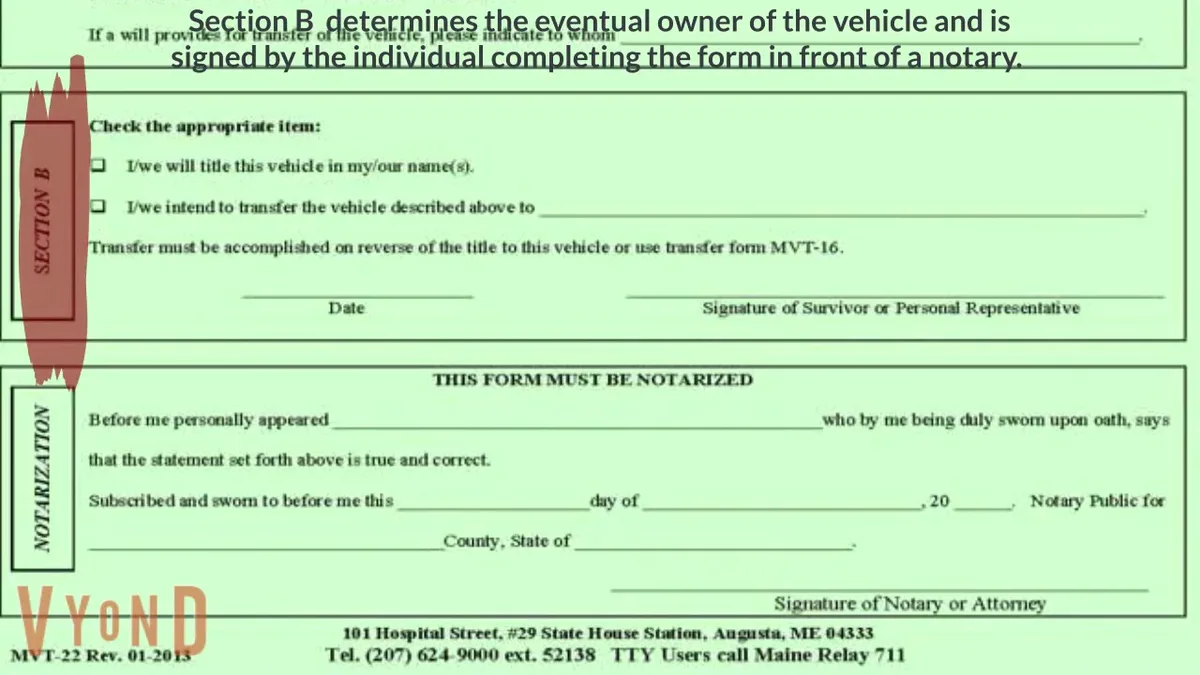
Start by confirming your vehicle’s classification. You’ll need the title, proof of insurance, and a completed application form. If the vehicle is new, bring the Manufacturer’s Certificate of Origin instead of a title.
Next, calculate your fees. Maine bases registration costs on GVWR, with higher weights costing more. As of 2026, fees range from $25 for lighter commercial vehicles to over $200 for the heaviest classes.
You can pay online, by mail, or in person at a BMV office.
For interstate operations, you’ll need to enroll in the International Registration Plan. This apportions your registration fees based on the distance you travel in each state. The process requires additional paperwork, including a list of all states you’ll operate in.
Once approved, you’ll receive your commercial plates and registration documents. Keep these in your vehicle at all times. Registration is typically valid for one year, though some vehicles may qualify for biennial registration.
IRP and IFTA: When You Need Apportioned Registration
YouTube / From A Driver View (YouTube thumbnail (fair-use with source credit))
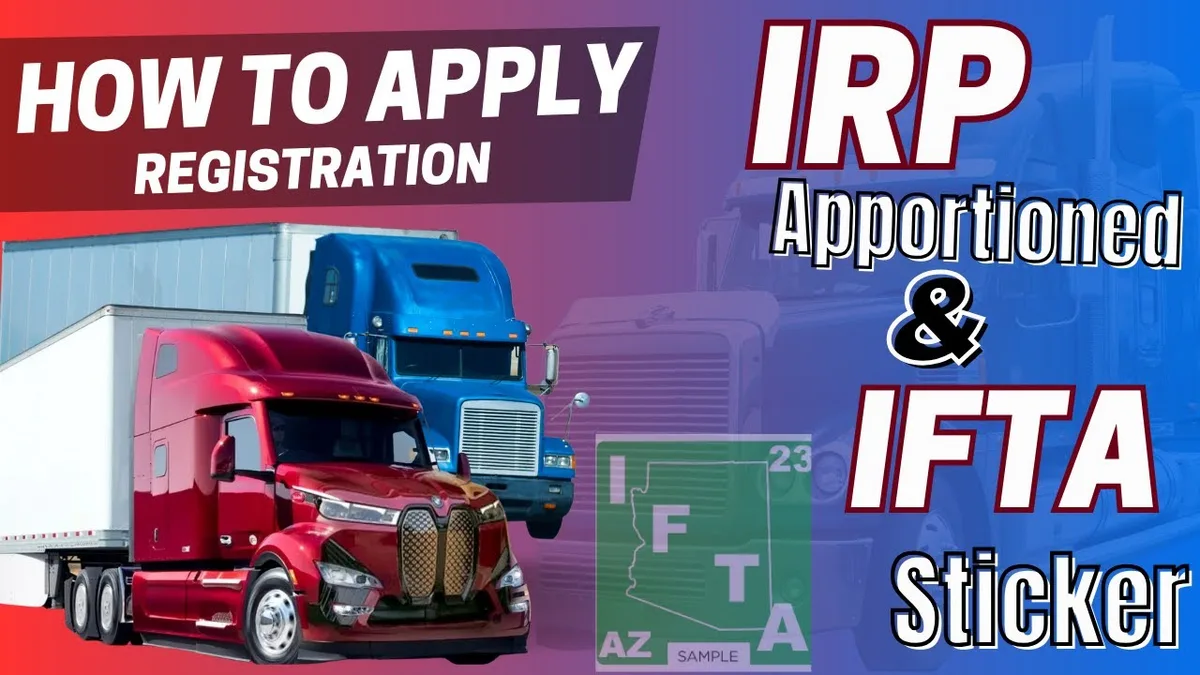
IRP is required if you operate in multiple states. It apportions your registration fees based on the percentage of miles driven in each jurisdiction. IFTA handles fuel tax reporting across states, simplifying compliance for interstate carriers.
You’ll need both if your vehicle travels outside Maine. The process involves submitting an application with your fleet details and estimated mileage by state. Maine BMV processes these through their commercial services division.
Permits for Oversize or Overweight Loads
Oversize or overweight loads need special permits. Maine DOT issues these for vehicles exceeding standard weight or dimension limits. Single-trip, annual, or seasonal permits are available depending on your needs.
Common oversize scenarios include construction equipment, logging trucks, and specialized hauling rigs. Fees vary by load size and route. Some roads may require escorts or restricted travel times.
Common Mistakes That Lead to Fines (or Worse)
Skipping weight checks is a top mistake. Many drivers assume their load is legal only to get flagged at a weigh station. Always verify your axle and gross weights before hitting the road.
Another common error is ignoring seasonal restrictions. Spring thaw limits catch many operators off guard. Maine DOT posts these changes annually, but it’s your responsibility to stay updated.
Maine vs. Other States: What’s Different Here?
Maine’s weight limits align with federal standards, but enforcement is stricter in rural areas. Unlike some states, Maine doesn’t offer many exemptions for agricultural vehicles during harvest season.
The registration process is similar to other New England states, but fees and paperwork requirements can vary. Always check with Maine BMV if you’re registering a vehicle from out of state.
FAQs About Maine Commercial Vehicle Registration
Do I need a CDL for my commercial vehicle in Maine?
Yes, if your vehicle has a GVWR over 26,001 lbs or is designed to transport 16 or more passengers. Some lighter commercial vehicles may also require a CDL depending on their use.
How often do I need to renew my commercial registration?
Most commercial registrations in Maine are valid for one year. Some vehicles may qualify for biennial registration, but this depends on the vehicle type and use.
What happens if I exceed Maine’s weight limits?
Fines start at $100 and increase with the excess weight. Repeat offenses can lead to higher penalties, including vehicle impoundment or CDL suspension.
Are there any exemptions for farm vehicles?
Yes, but they’re limited. Farm vehicles used exclusively for agricultural purposes may qualify for reduced fees or exemptions. Check with Maine BMV for specific requirements.
Can I register my commercial vehicle online?
Yes, Maine BMV offers online registration for many commercial vehicles. You’ll need your title, insurance proof, and payment method ready. Some cases may still require in-person visits.
Final Checklist: Are You Compliant?
Start with your vehicle’s classification. Confirm it meets Maine’s commercial vehicle definition based on weight or use. Double check the GVWR on your title or manufacturer specs.
Next, verify your registration is current. Commercial plates expire annually unless you’ve qualified for biennial registration. Keep your registration documents in the vehicle at all times.
Check your weight compliance before every trip. Use certified scales if you’re near the limits. Remember seasonal restrictions apply March through May on many roads.
Review your route for any special restrictions. Some bridges and roads have lower weight limits posted. Maine DOT’s website lists current road restrictions and closures.
Finally, ensure you have the right permits. Oversize or overweight loads need special authorization. Interstate operators must have IRP and IFTA credentials if applicable.