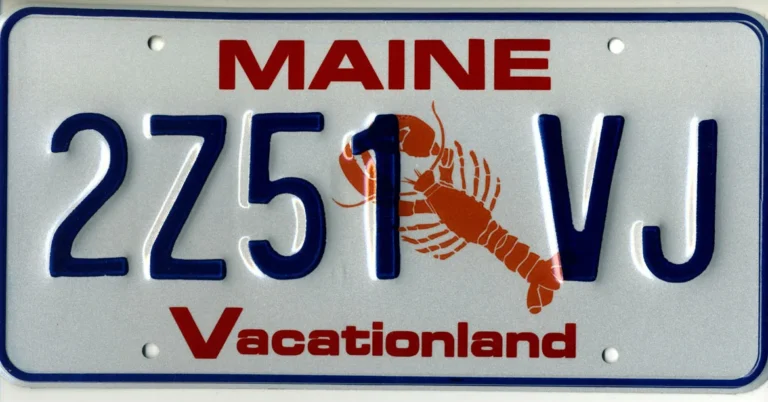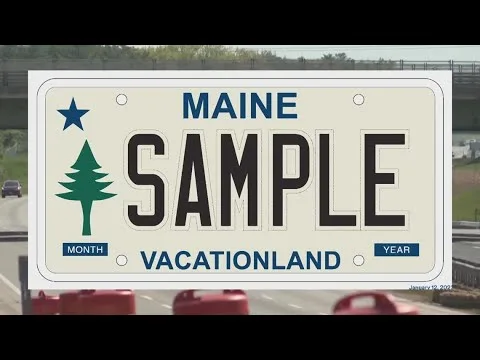
Maine and year registration options for utility trailers depend on weight, use, and whether the trailer is homemade or store-bought. Many owners assume all trailers need plates, but Maine’s rules are more nuanced. As of 2026, the cutoff starts at 3,000 pounds, but there are exceptions for farm use and temporary permits.
If you’ve ever hitched up only to wonder if you’re legal, you’re not alone. The process is straightforward once you know the thresholds, but missing a detail can mean fines or denied access to public roads.
Quick Answer
Maine requires registration for utility trailers over 3,000 lbs GVWR. Under 3,000 lbs, no plates are needed but a title may be. Temporary 30-day permits are available for one-time use.
Farm trailers often qualify for exemptions.
When Registration Is Required (and When It’s Not)
Maine’s rule is simple: weight determines registration. Trailers under 3,000 lbs GVWR don’t need plates, but you may still want a title for proof of ownership. At 3,000 lbs and above, registration is mandatory.
There are exceptions. Farm trailers used exclusively for agricultural purposes are often exempt, as are trailers towed by implements of husbandry. Temporary permits cover short-term needs like moving a newly purchased trailer home.
| Trailer Type | Registration Required? | Notes |
|---|---|---|
| Under 3,000 lbs | No | Title recommended |
| 3,000–10,000 lbs | Yes | Standard registration |
| Over 10,000 lbs | Yes | Commercial registration + CDL may apply |
| Farm use | Often no | Must meet exemption criteria |
| Temporary use | No (with permit) | 30-day permit available |
Homemade trailers follow the same weight rules but require a VIN inspection before registration.
Year-Round vs. Temporary Registration: Which One Do You Need?
Year-round registration is the default for most utility trailers in Maine. It’s what you’ll use if you plan to tow regularly, whether for work, hauling equipment, or recreational use. The registration is valid for one to three years, depending on the option you choose.
Temporary registration is for one-time or short-term needs. A 30-day permit costs around $15, $25 and covers you for a single trip or project. It’s ideal for moving a trailer you just bought or borrowing one for a weekend job.
Just remember, it’s not renewable, once it expires, you’ll need full registration.
Step-by-Step: How to Register a Utility Trailer in Maine
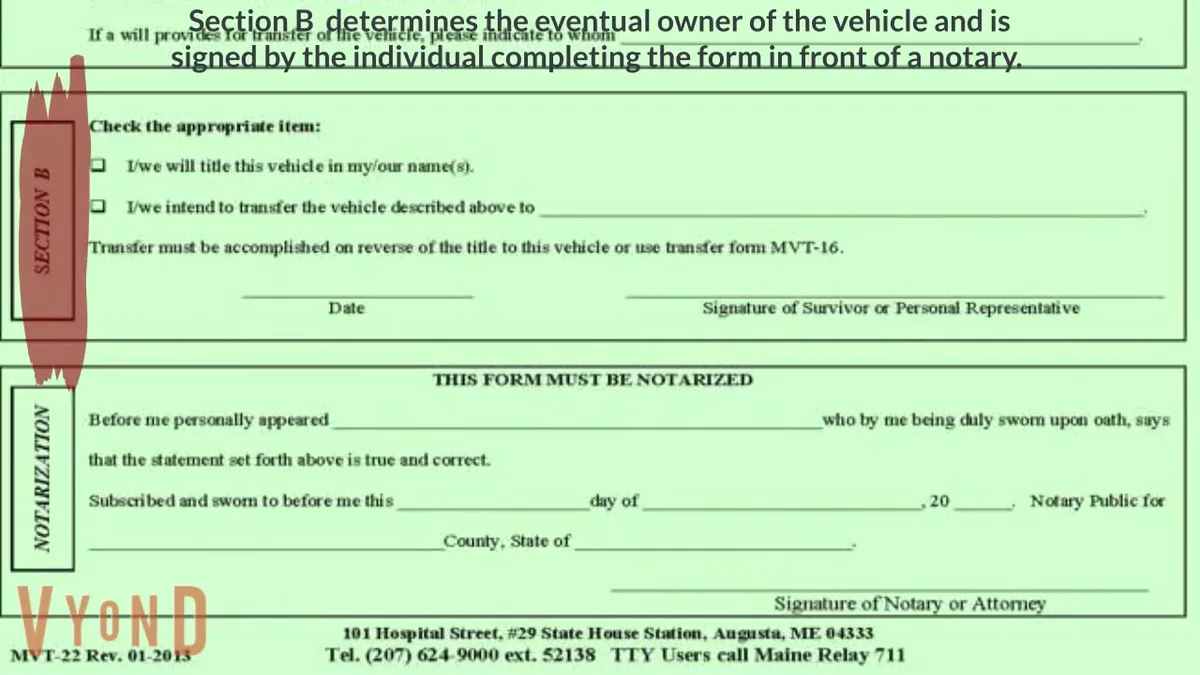
Gathering the Right Documents
Start with the basics: proof of ownership. For a new trailer, that’s the manufacturer’s certificate of origin. For a used trailer, you’ll need the signed title from the previous owner.
If there’s no title, a bill of sale may suffice, but you’ll likely need additional paperwork.
Homemade trailers require a bit more work. You’ll need to provide a completed application and proof of ownership. A VIN inspection is mandatory, and you’ll need to submit a Application for Certificate of Title form.
Completing the BMV Paperwork
Maine’s BMV provides a Trailer Registration Application that covers most situations. Fill it out completely, including the trailer’s make, model, year, and VIN. If the trailer doesn’t have a VIN, you’ll need to apply for one during the inspection process.
For commercial trailers or those over 10,000 lbs, additional forms may be required. Check the Maine BMV’s commercial vehicle page for specifics. Double-check your paperwork before submitting, missing information is the most common reason for delays.
Getting a VIN Inspection (If Needed)
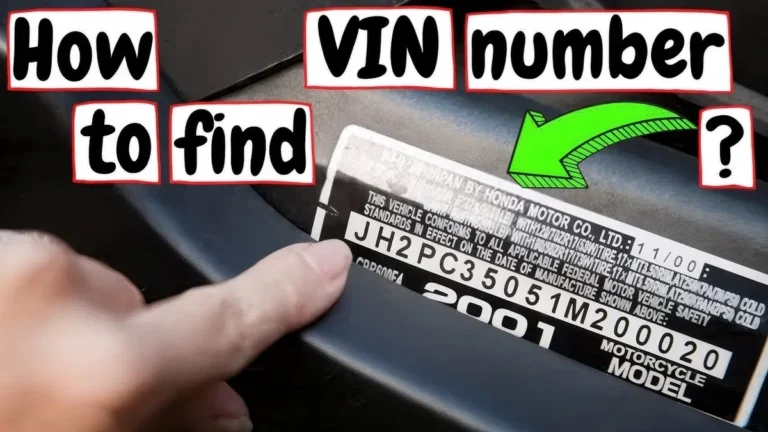
Not all trailers have a VIN, especially older or homemade ones. If yours doesn’t, you’ll need to visit a Maine State Police barracks or an authorized inspection station. They’ll assign a VIN and provide a verification form.
Bring the trailer, your ID, and any ownership documents you have. The inspection typically takes 15, 30 minutes. Once you have the VIN verification, you’re ready to submit your registration application.
Paying Fees and Getting Your Plates
Fees vary by weight and registration type. As of 2026, a standard utility trailer registration costs around $20, $50, with additional fees for titles and plates. Temporary permits are cheaper but non-renewable.
| Registration Type | Fee Range | Duration |
|---|---|---|
| Standard (under 6,000 lbs) | $20–$35 | 1–3 years |
| Standard (6,000–10,000 lbs) | $35–$50 | 1–3 years |
| Commercial (over 10,000 lbs) | $50+ | 1 year |
| Temporary Permit | $15–$25 | 30 days |
| Title Fee | ~$33 | One-time |
You can pay in person at any Maine BMV office, by mail, or online for renewals. Once processed, you’ll receive your plates and registration sticker.
Homemade or Out-of-State Trailers: Special Rules

Homemade trailers must pass a safety inspection before registration. Maine requires a VIN assignment, which you’ll get during the inspection. You’ll also need to provide proof of ownership, which can be a bill of materials or a notarized affidavit if you built the trailer yourself.
Out-of-state trailers need to meet Maine’s registration requirements within 30 days of establishing residency. If the trailer is already titled in another state, the process is straightforward, submit the out-of-state title and pay the registration fees. If there’s no title, you may need a VIN inspection and additional documentation.
Costs: Registration Fees, Titles, and Penalties
Standard registration for a utility trailer under 6,000 lbs costs $20 to $35 in Maine. Heavier trailers up to 10,000 lbs run $35 to $50. Commercial trailers over 10,000 lbs start at $50 and go up based on weight.
A title adds about $33, a one-time fee. Temporary permits are $15 to $25 for 30 days. Late renewals incur a $10 penalty after 30 days, with additional fees for longer delays.
| Item | Cost | Notes |
|---|---|---|
| Standard registration | $20–$50 | Varies by weight |
| Title fee | ~$33 | One-time |
| Temporary permit | $15–$25 | Non-renewable |
| Late fee | $10+ | After 30 days |
Common Mistakes (and How to Avoid Them)
Skipping the VIN inspection for homemade trailers is a top error. Without it, the BMV will reject your application. Always verify the VIN location and condition before submitting paperwork.
Another frequent issue is mismatched weight classifications. If your trailer is close to 3,000 lbs, double-check the GVWR on the manufacturer’s plate. Overestimating or underestimating can lead to incorrect registration and potential fines.
Forgetting to transfer registration when buying a used trailer can also cause problems. The seller should sign the title over to you, and you must register it in your name within 30 days.
Farm, Commercial, and Other Exemptions
Farm trailers used solely for agricultural purposes are often exempt from registration. This includes trailers towing farm equipment or hauling crops. The exemption applies only if the trailer is not used on public roads for non-farm purposes.
Commercial trailers over 10,000 lbs require commercial registration. This includes additional fees and may require a CDL, depending on the combination weight of the tow vehicle and trailer.
Other exemptions include trailers towed by implements of husbandry and certain government or military trailers. Always confirm with the Maine BMV if you’re unsure about eligibility.
What Happens If You Don’t Register?
Driving an unregistered trailer in Maine can result in a fine. Law enforcement may also impound the trailer if it’s not properly registered and titled. This applies even if the trailer itself is in good condition.
Insurance claims can be denied if the trailer wasn’t registered at the time of an accident. Most policies require proof of registration for coverage to apply. Without it, you could be on the hook for damages.
Access to certain areas may be restricted. Some boat launches, state parks, and public lands require trailers to display valid registration. Without it, you might be turned away.
Maine BMV Locations and Next Steps

Maine has BMV offices in every county, with multiple locations in larger cities like Portland and Bangor. You can find the nearest office using the Maine BMV location tool. Most offices operate by appointment, though some accept walk-ins.
For renewals, Maine offers online and mail-in options. First-time registrations typically require an in-person visit, especially for homemade or out-of-state trailers. Bring all required documents to avoid multiple trips.
Processing times vary. In-person registrations are often completed the same day. Mail-in applications can take 1, 2 weeks.
Temporary permits are issued on the spot if you apply in person.
Frequently Asked Questions
Do I need to register a small utility trailer in Maine?
No, trailers under 3,000 lbs GVWR don’t require registration in Maine. However, getting a title is still recommended for proof of ownership.
How much does it cost to register a utility trailer in Maine?
Standard registration fees range from $20 to $50 depending on weight. Add about $33 for a title if needed.
Can I get a temporary permit for my trailer?
Yes, Maine offers 30-day temporary permits for around $15 to $25. These are non-renewable and cover one-time use.
What documents do I need to register a homemade trailer?
You’ll need a completed application, proof of ownership, and a VIN inspection verification. The BMV will assign a VIN if one doesn’t exist.
How do I transfer trailer registration to a new owner?
The seller must sign the title over to you. Then submit it to the BMV with a completed registration application within 30 days.
What happens if my trailer registration expires?
You’ll face a $10 late fee after 30 days, with additional penalties for longer delays. Driving with expired registration can result in fines.