Maine winters don’t forgive poor preparation. If you’re asking about Maine winter driving requirements and studded tire regulations, it’s because you’ve seen how quickly black ice or a nor’easter can turn a routine drive into a hazard. The state has clear rules, especially around studded tires, to balance safety with road preservation.
As of 2026, Maine permits studded tires from October 1 to May 1, but there are exceptions and nuances most drivers overlook. Get this wrong, and you risk fines, reduced traction, or even an accident when you need control most.
Quick Answer
Maine allows studded tires from October 1 to May 1. Studs must not protrude more than 1/16 inch beyond the tread. All-season tires are legal year-round but offer poor ice grip.
Chains are permitted when conditions require them.
Maine’s Studded Tire Rules: The Exact Dates and Exceptions
Maine’s studded tire season runs October 1 through May 1 each year. The Maine Department of Transportation (MaineDOT) sets these dates to align with typical winter conditions, though they can adjust the window if weather patterns shift. As of 2026, no changes have been announced, so plan around these dates unless official updates are posted.
There are two key exceptions. First, studded tires are prohibited on the front wheels of vehicles under 6,000 pounds unless all wheels have studs. This prevents uneven handling.
Second, commercial vehicles and emergency responders may follow different rules, so check with the Maine Bureau of Motor Vehicles if you’re in that category.
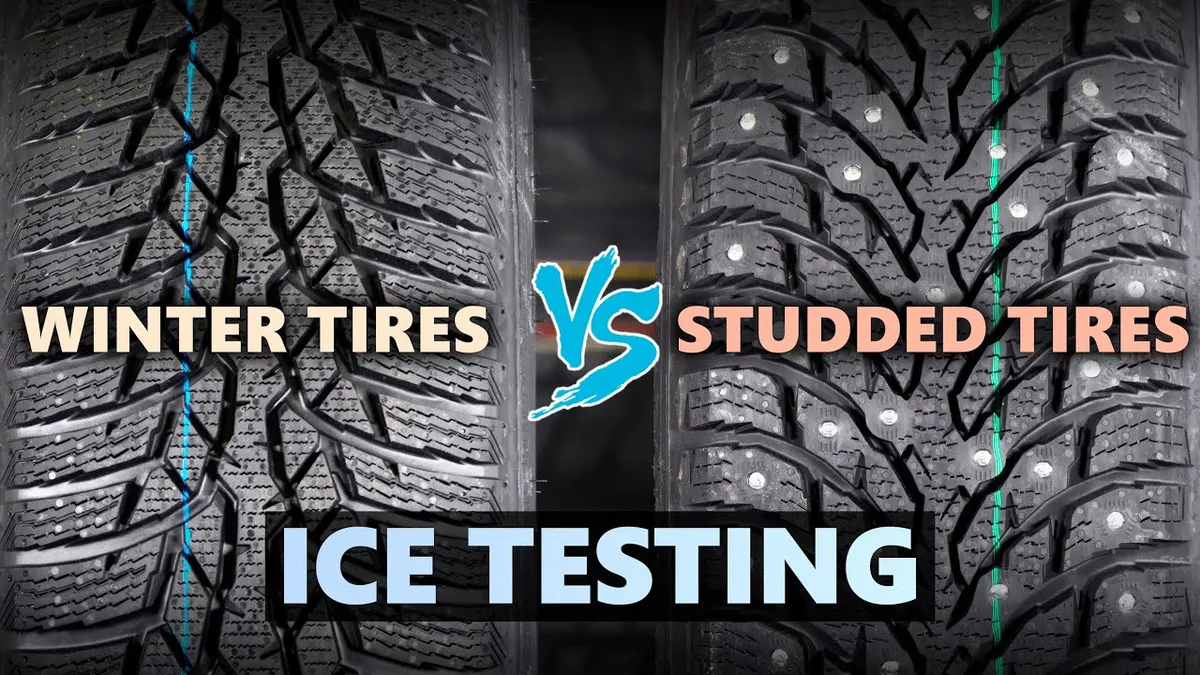
Studs must also meet size limits. The MaineDOT specifies that studs can’t extend more than 1/16 inch beyond the tire tread. This reduces road damage while still improving traction.
If you’re pulled over with illegal studs, you’ll face fines, typically around $100, though repeat offenses can cost more.
How Studded Tires Work (And When They Actually Help)
Studded tires use small metal or ceramic studs embedded in the tread to bite into ice. Unlike regular winter tires, which rely on soft rubber and deep treads, studs provide direct contact with hard-packed snow and black ice. This can shorten braking distances by up to 25% in icy conditions, per independent traction tests.
But they’re not a magic solution. Studs are most effective on glare ice and hard-packed snow, not fresh powder. They also reduce grip on dry pavement, which is why Maine restricts their use to winter months.
If you drive mostly on plowed roads, high-quality winter tires without studs may be just as safe, and they’re legal year-round.
Studded Tires vs. Winter Tires vs. Chains: Which Should You Use?
Not all winter traction is created equal. Here’s how the options stack up:
| Option | Best For | Limitations | Maine Legality |
|---|---|---|---|
| Studded tires | Ice, hard-packed snow | Road damage, seasonal restrictions | Oct 1–May 1 |
| Winter tires | Snow, slush, cold pavement | Less grip on ice than studs | Year-round |
| Chains | Emergency use, steep hills | Slow speeds, installation hassle | When conditions require |
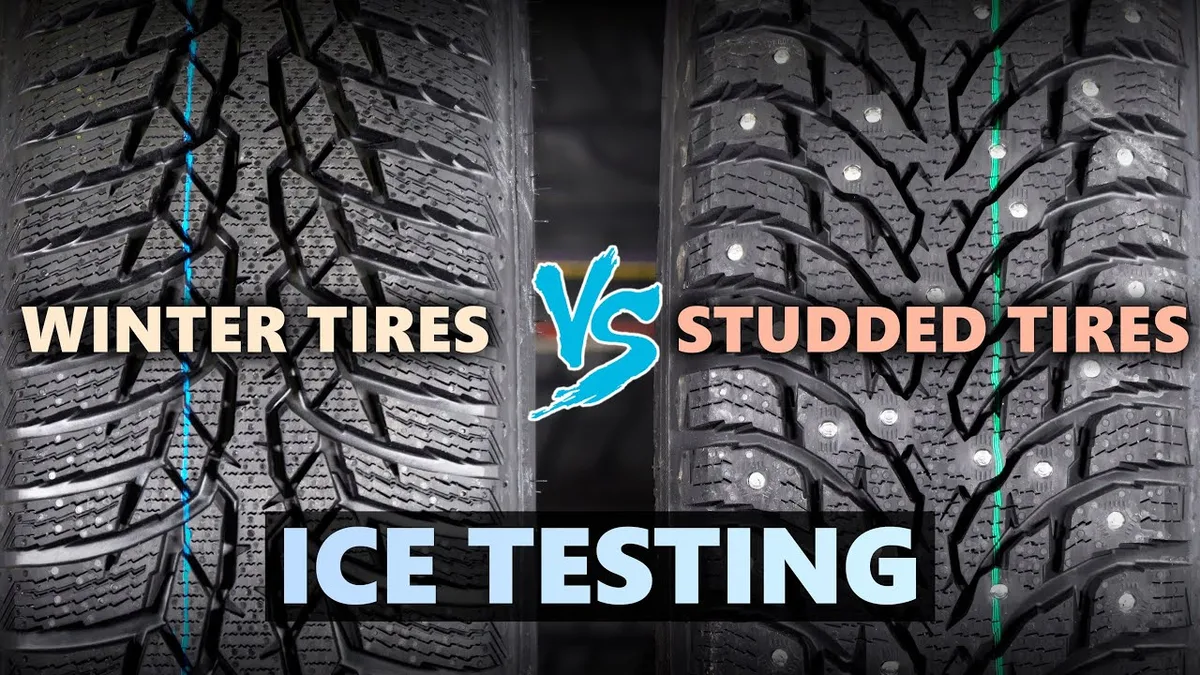
For most Maine drivers, non-studded winter tires are the best balance. They’re legal all year, perform well in snow, and avoid the hassle of seasonal swaps. Studded tires make sense if you frequently drive on ungraded roads, mountain passes, or early/late-season ice.
Chains are a last resort, useful for sudden storms or steep, unplowed hills, but they’re cumbersome and can damage your vehicle if used improperly.
If you’re unsure, consider this: MaineDOT data shows that most winter accidents happen on plowed roads, where studless winter tires perform nearly as well as studded ones. Save the studs for rural or high-elevation driving.
Who Must Follow Maine’s Winter Tire Rules (And Who Gets a Pass)
Maine’s studded tire regulations apply to all passenger vehicles, trucks, and motorcycles operating on public roads. There’s no exemption for out-of-state drivers, if you’re visiting from New Hampshire or Massachusetts, you still must comply with Maine’s dates.
Commercial vehicles over 6,000 pounds have separate rules, often allowing studs year-round for safety. Emergency vehicles (police, fire, ambulances) are also exempt. For everyone else, the October 1, May 1 window is non-negotiable.
If you’re caught with studs outside this period, you’ll be ticketed, even if the roads are icy.
The Hidden Risks of Studded Tires (Road Damage, Fines, and More)
Studded tires chew up pavement over time. Maine restricts their use to winter months to limit this damage, as the metal studs can leave grooves in the road surface. This isn’t just about aesthetics, it shortens road lifespan and increases maintenance costs for the state.
You’ll also face fines if caught with studs outside the legal window. Typical penalties start around $100, but repeat offenses can climb higher. There’s another risk: reduced traction on dry roads.
Studs can actually decrease grip on bare pavement, making them a liability when winter conditions aren’t present.
Step-by-Step: How to Legally Use Studded Tires in Maine
First, confirm the dates. Maine’s window is October 1 to May 1, but always check the MaineDOT website for updates. If you’re buying new studded tires, ensure they meet the 1/16-inch protrusion limit.
Install them before the first snowfall. Many Maine drivers swap to studded tires in late October, when temperatures consistently drop below 45°F. Remove them by May 1, even if late snow lingers.
Storing them properly, clean, dry, and away from UV light, extends their lifespan for next season.
Maine Winter Driving Mistakes That Get People in Trouble
Driving with worn-out studs is a common error. If the studs are less than 1/16 inch above the tread, they won’t grip ice effectively. Another mistake: mixing studded and non-studded tires on the same axle.
This creates uneven handling, especially in emergency stops.
Many drivers also assume all-season tires are sufficient. They’re not. All-season tires harden in cold weather, reducing traction on snow and ice.
Finally, forgetting to check tire pressure in winter can lead to underinflation, which decreases fuel efficiency and control.
What to Do If You’re Caught with Illegal Studded Tires
If you’re pulled over with studded tires outside the legal dates, stay calm. The officer will likely issue a fine, but you can contest it if you believe the dates were misapplied. Pay the fine promptly to avoid additional penalties.
To prevent this, set a calendar reminder for May 1. If you’re traveling through Maine from a state with different rules, swap your tires before crossing the border. Some Maine service stations offer seasonal tire storage, which can simplify the process.
Maine’s Worst Winter Roads (And How to Drive Them)

Northern Maine’s Route 11 and Route 163 are notorious for black ice and limited plowing. Drive these roads with extra caution, especially at dawn and dusk when temperatures fluctuate. The Kancamagus Highway in western Maine is another trouble spot, with steep grades and sharp turns that become treacherous in winter.
In coastal areas like Bar Harbor, freezing rain creates glare ice that’s hard to see. Reduce speed and increase following distance to at least 8, 10 seconds. If you’re heading into Acadia National Park, check the NPS website for road closures and chain requirements before you go.
Winter Tire Maintenance: How to Keep Them Safe All Season
Check tread depth monthly. The legal minimum in Maine is 2/32 of an inch, but for winter driving, aim for at least 6/32. Use the penny test: insert a penny head-first into the tread.
If you see Lincoln’s head, it’s time for new tires.
Rotate your winter tires every 5,000 miles to ensure even wear. This is especially important for studded tires, as uneven wear can reduce stud effectiveness. Store off-season tires in a cool, dry place away from direct sunlight to prevent rubber degradation.
Quick Answers to Maine Winter Tire FAQs
Can I use studded tires year-round in Maine?
No. Studded tires are only legal from October 1 to May 1. Using them outside this window can result in fines and increased road wear.
Do I need winter tires to drive in Maine?
No, but they’re strongly recommended. All-season tires are legal but offer poor performance in snow and ice compared to dedicated winter tires.
Are chains required in Maine?
Chains aren’t mandatory, but they’re allowed when conditions require them. They’re useful for steep hills or unplowed roads but must be removed once you’re back on clear pavement.
What’s the fine for illegal studded tires in Maine?
The fine is typically around $100 for a first offense. Repeat violations can lead to higher penalties and potential points on your license.
How do I know if my studded tires are legal?
Check that the studs don’t protrude more than 1/16 inch beyond the tread. Also ensure they’re only used between October 1 and May 1.