Maryland antique vehicle registration for older cars lets you legally drive and display vintage vehicles under special rules. The process is straightforward if you know the age, condition, and paperwork requirements up front.
As of 2026, Maryland requires vehicles to be at least 25 years old to qualify for antique plates. The first step is confirming whether your car meets that threshold and the state’s other criteria.
Quick Answer
Maryland antique vehicle registration for older cars applies to vehicles 25+ years old. You’ll need a title, VIN inspection, and completed MVA application. The fee is $51.
Antique plates allow limited use like shows and parades.
Does Your Car Qualify as an Antique in Maryland?
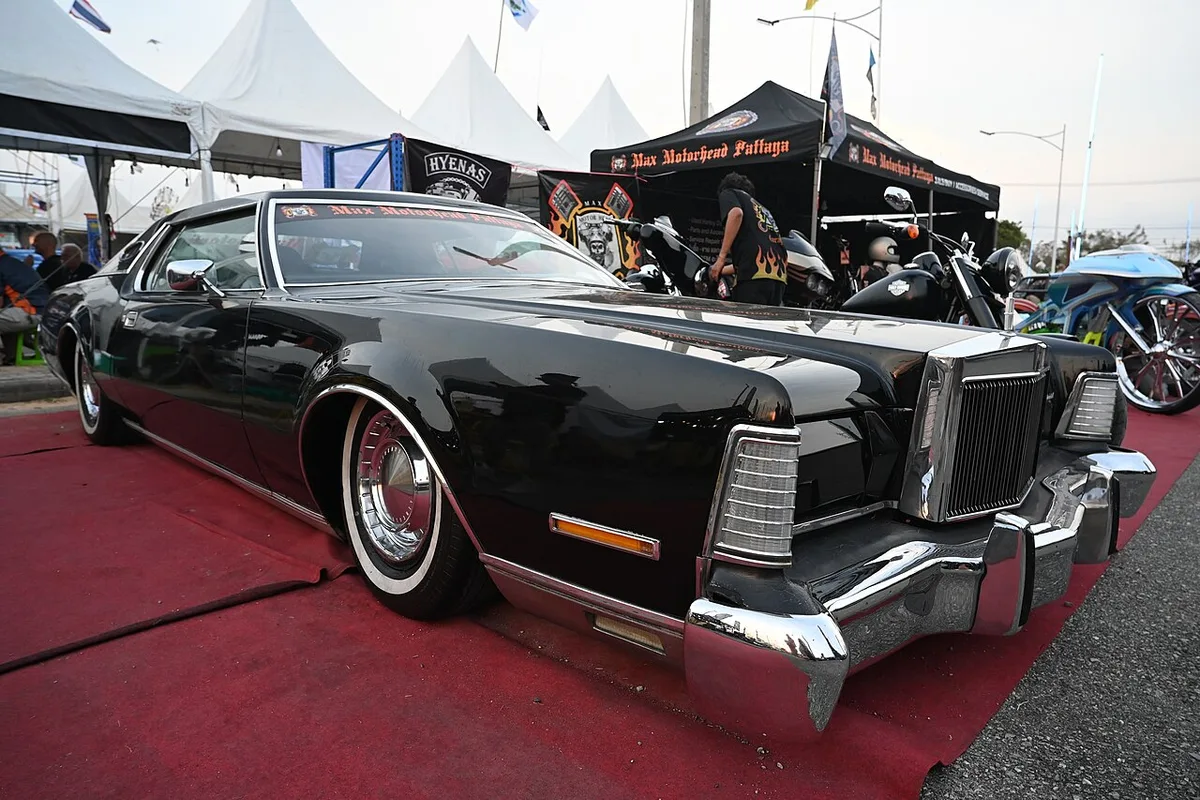
Your car must be at least 25 years old to qualify. Maryland does not set a maximum age, so even a 1920s Model T can register as antique if it meets the other rules.
The vehicle must be in original or restored condition. This means no major modifications that change its historical accuracy. Daily drivers don’t qualify, as antique plates are for limited use like exhibitions, parades, and club activities.
Maryland also offers a historic vehicle classification for cars 20+ years old, but the rules and fees differ.
Maryland’s Antique vs. Historic Vehicle: What’s the Difference?
Antique vehicles are 25+ years old and have strict use restrictions. Historic vehicles are 20+ years old and may have different fees and requirements.
Both classifications exempt vehicles from annual emissions testing. However, antique plates typically have lower registration fees and stricter usage limits.
If your car is between 20 and 24 years old, you’ll need to register it as historic rather than antique.
The 3 Key Requirements for Antique Registration
Your vehicle must be at least 25 years old. The MVA uses the model year to determine eligibility, not the manufacture date.
You’ll need proof of ownership, such as a title or bill of sale. If the title is lost, you’ll have to apply for a duplicate through the MVA.
The vehicle must pass a VIN inspection. This confirms the car’s identity and ensures it hasn’t been stolen or tampered with.
Step-by-Step: How to Register an Antique Car in Maryland
Gather the Required Documents
Start with your vehicle’s title. If you don’t have it, request a duplicate from the MVA before proceeding.
You’ll also need a completed Application for Certificate of Title and Registration (Form VR-005). This form is available on the MVA website.

Bring proof of insurance. Maryland requires minimum liability coverage for all registered vehicles, including antiques.
Get the VIN Inspection
Visit an MVA office or authorized inspection station. A technician will verify the VIN matches your paperwork.
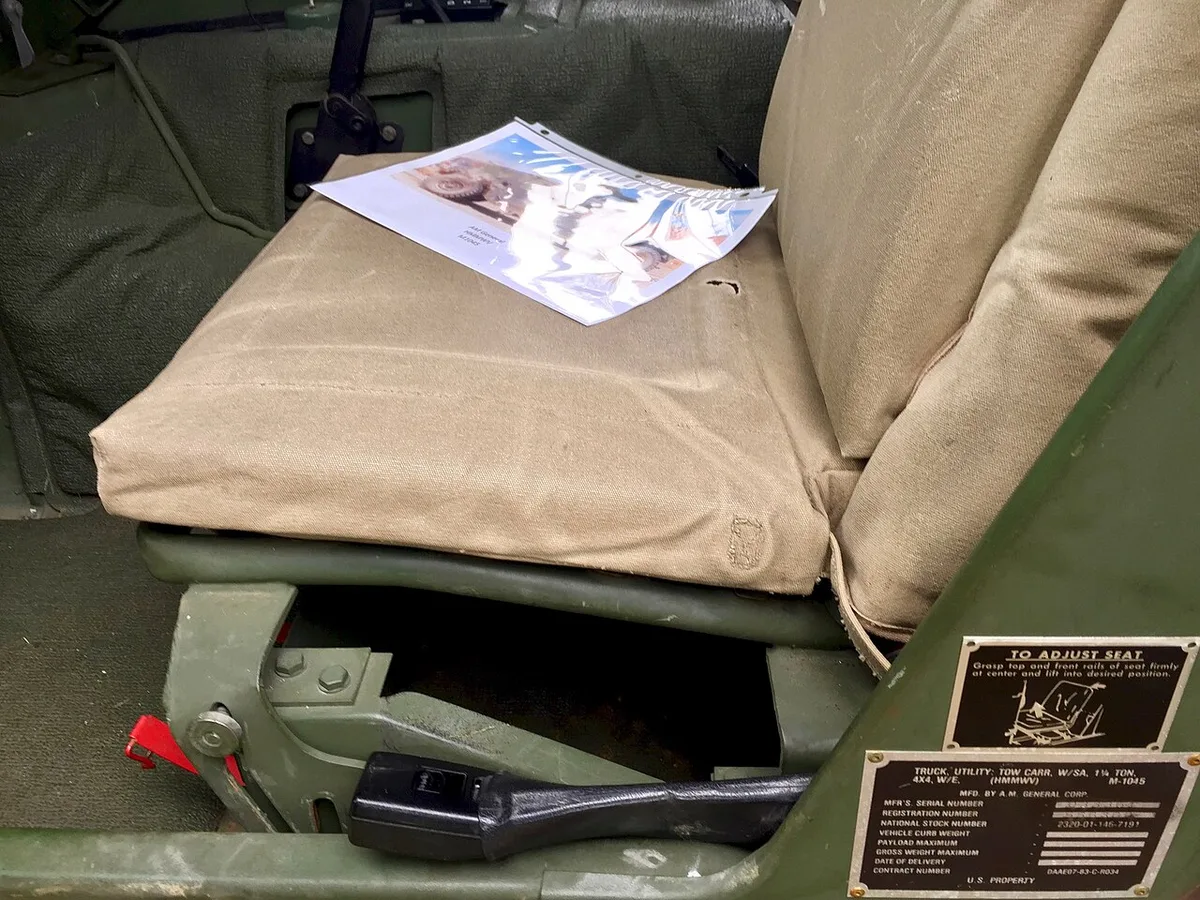
If your car was built before 1981, it may not have a standard 17-digit VIN. In this case, the MVA will guide you through the alternative verification process.
Submit Your Application to the MVA
Submit your completed Form VR-005, title, and proof of insurance to the MVA. You can do this in person or by mail.
If submitting by mail, include a check or money order for the $51 fee. The MVA does not accept cash payments for mail-in applications.
Pay the Fees and Get Your Plates
The fee for antique vehicle registration is $51. This covers the cost of your plates and processing.
Once approved, you’ll receive your antique plates and registration documents. These plates are distinct from regular plates and often feature a classic design.
Costs and Fees for Maryland Antique Vehicle Registration
The registration fee for antique vehicles in Maryland is $51. This covers the cost of your specialty plates and processing.
There are no additional annual fees for antique plates. However, you’ll need to maintain valid insurance, which may have its own costs.
If you’re restoring a vehicle and need temporary plates, Maryland offers a different process with separate fees.
Can You Drive an Antique Car Daily in Maryland?
No, antique plates are not for daily driving. They’re intended for limited use like car shows, parades, and club events.
Maryland does not set a strict mileage limit. But the law assumes antique vehicles are used occasionally, not as primary transportation.
If you plan to drive your antique car regularly, you’ll need to register it with standard plates instead.
Modified or Restored Cars: Special Rules to Know
Modified vehicles can still qualify for antique registration. But the changes must not alter the car’s historical accuracy or safety.
If your car has aftermarket parts, you may need additional documentation. The MVA will review modifications on a case-by-case basis.
Restored vehicles must meet Maryland’s safety standards. This includes working lights, brakes, and other essential systems.
Insurance Requirements for Antique Vehicles
Maryland requires minimum liability insurance for all registered vehicles, including antiques. The minimum coverage is $30,000 for bodily injury per person, $60,000 per accident, and $15,000 for property damage.
Many owners opt for specialized antique car insurance. These policies often have lower premiums and agreed-value coverage.
Check with your insurer to confirm they cover antique vehicles. Some companies have specific requirements for classic or vintage cars.
Common Mistakes That Delay or Deny Registration
Submitting incomplete paperwork is the top reason for delays. Double-check that you have the title, completed application, and proof of insurance.
Skipping the VIN inspection will also hold up your registration. This step is mandatory for all vehicles, including antiques.
Another common issue is registering a car that doesn’t meet the 25-year age requirement. Confirm your vehicle’s eligibility before applying.
What Happens If You Move or Sell Your Antique Car?
If you move out of Maryland, you’ll need to register your antique vehicle in your new state. Each state has its own rules for antique or historic plates.
When selling your antique car, the registration does not transfer to the new owner. The buyer must apply for their own antique registration with the MVA.
You can cancel your antique plates if you no longer own the vehicle. This prevents any liability issues after the sale.
FAQs About Maryland Antique Vehicle Registration
How old does a car have to be for antique plates in Maryland?
A vehicle must be at least 25 years old to qualify for antique plates in Maryland. The MVA uses the model year to determine eligibility.
Can I use antique plates for daily driving?
No, antique plates are for limited use only. This includes car shows, parades, and club events, not daily commuting.
Do antique cars need emissions testing in Maryland?
No, vehicles registered with antique plates are exempt from annual emissions testing. However, they must still meet basic safety standards.
What documents do I need to register an antique car?
You’ll need the vehicle title, a completed Application for Certificate of Title and Registration (Form VR-005), and proof of insurance. A VIN inspection is also required.
How much does it cost to register an antique car in Maryland?
The fee for antique vehicle registration is $51. This covers the cost of your specialty plates and processing.
Can a modified car get antique plates?
Yes, but modifications must not alter the car’s historical accuracy or safety. The MVA reviews each case individually.