Maryland blue and red light prohibition for private motor vehicles is a strict rule with no gray area. If you’re driving a personal car, truck, or motorcycle in the state, mounting or using these colors can land you in legal trouble. The law exists to prevent confusion with emergency vehicles and protect public safety.
As of 2026, Maryland Transportation Article §22-218 explicitly bans blue and red lights on non-emergency vehicles, with fines and potential vehicle impoundment for violations. Here’s what you need to know to stay compliant.
Quick Answer
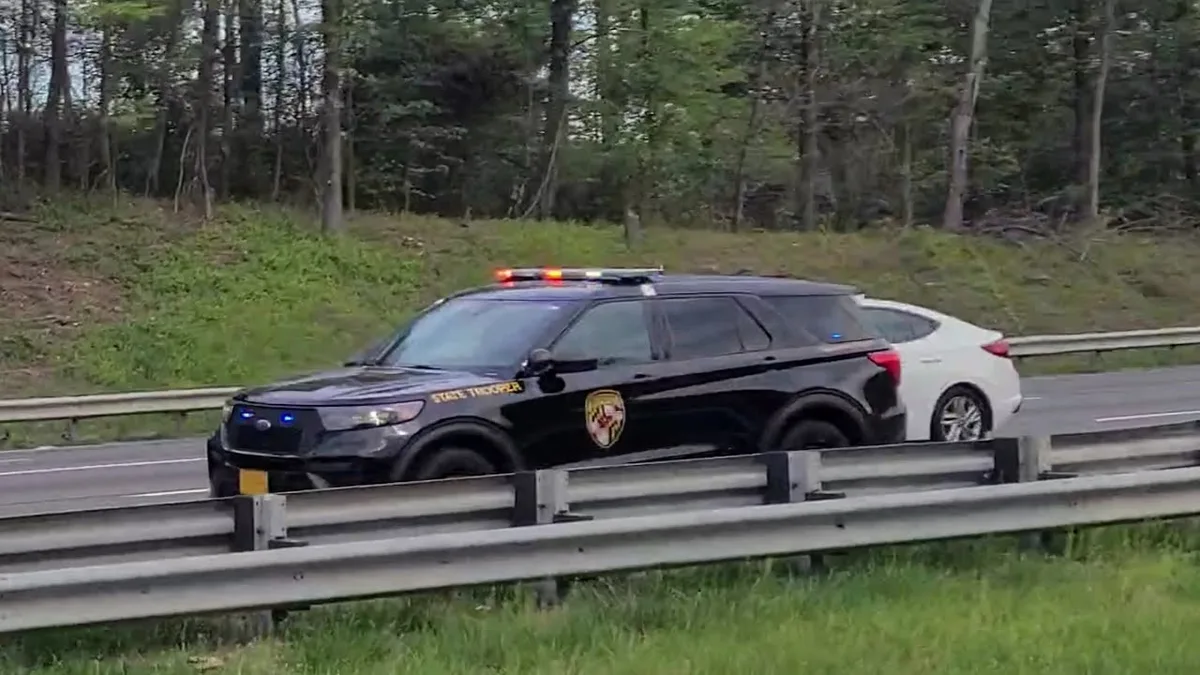
Maryland bans blue and red lights on private vehicles. Only authorized emergency vehicles can use them. Violations risk fines.
Exemptions include police, fire, and EMS.
The Quick Legal Answer: Can You Have Blue or Red Lights?
No. Maryland law prohibits private vehicles from displaying blue or red lights, whether flashing or steady. This applies to all passenger cars, trucks, and motorcycles unless they qualify for specific exemptions.
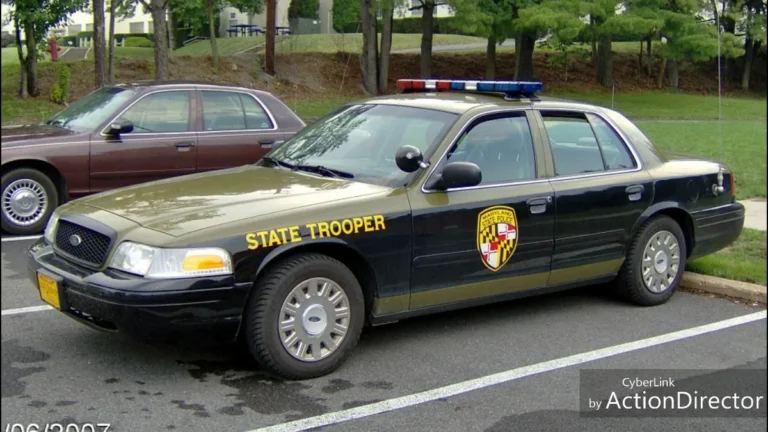
The only exceptions are emergency vehicles like police cars, fire trucks, and ambulances, as well as certain authorized service vehicles (e.g., tow trucks in limited cases). Even then, usage is tightly regulated.
Why Maryland Bans These Lights on Private Cars
The restriction exists to avoid confusion on the road. Blue and red lights are universally recognized as signals for emergency response, and allowing private vehicles to use them could lead to dangerous miscommunication.
It also prevents impersonation of law enforcement or first responders, which is a serious offense. The law prioritizes public safety and clear traffic signaling.
The Exact Law: Maryland Transportation Article §22-218
Maryland’s vehicle code explicitly states that no person may operate a private motor vehicle with blue or red lights visible from the front, sides, or rear. This includes aftermarket installations, LED strips, or any other modifications.
The statute covers all light types, whether flashing, rotating, or steady. Violations are considered misdemeanors, and enforcement is handled by local police and the Maryland State Police. For the full legal text, refer to the Maryland General Assembly’s official statutes.
Who’s Exempt? Emergency Vehicles and Other Allowed Cases
Authorized emergency vehicles are the primary exception. This includes:
- Police cars and motorcycles
- Fire trucks and rescue vehicles
- Ambulances and EMS units
- Certain government or utility vehicles (with proper permits)
Limited exemptions may apply to tow trucks, funeral processions, or agricultural equipment, but these require specific approvals and often restrict light colors to amber or white. Volunteer firefighters may also qualify under certain conditions, but they must follow strict guidelines.
What Happens If You Break the Rule?
You’ll face a traffic citation and a fine. Maryland treats this as a misdemeanor, with penalties that can escalate if the violation leads to unsafe driving conditions.
In extreme cases, your vehicle may be impounded if the lights are deemed a public safety hazard. Repeat offenses can result in higher fines or even license suspension.
Common Ways People Accidentally Violate the Law
Aftermarket LED strips are a frequent culprit. Many drivers install blue or red underglow lights without realizing they’re illegal in Maryland.
Some assume interior lighting is exempt, but visible blue or red lights from any angle are prohibited. Even decorative lights inside the cabin can be an issue if they’re visible from outside.
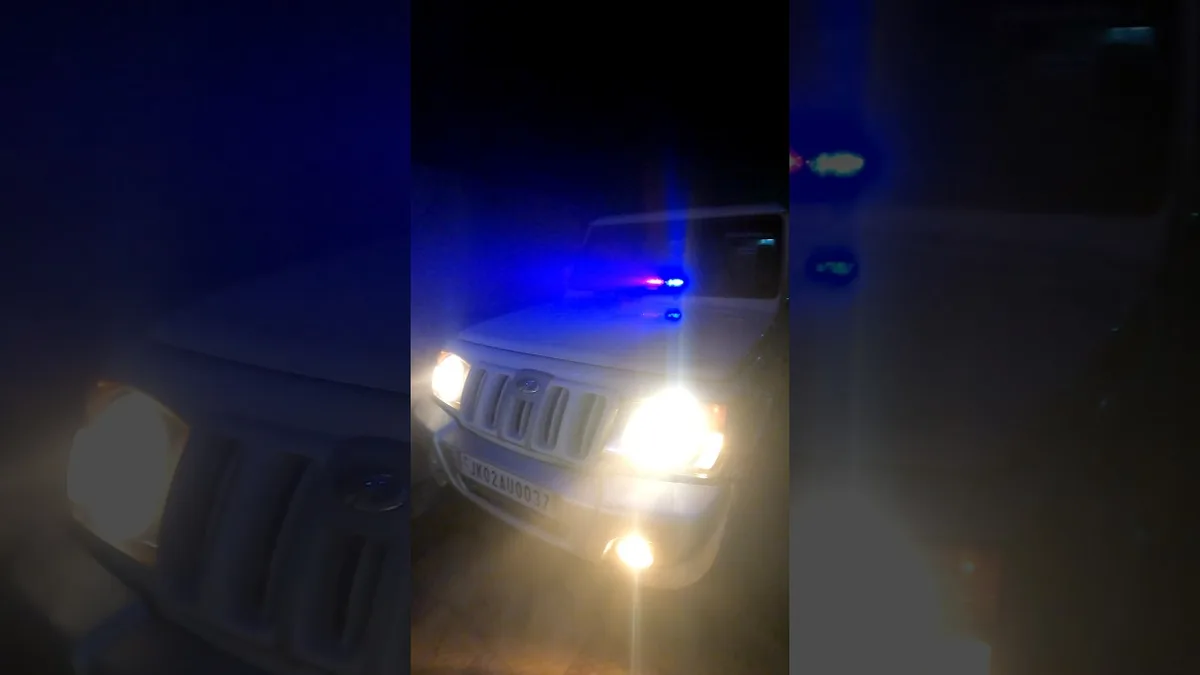
Another common mistake is using emergency-style light bars on personal vehicles. These are strictly for authorized vehicles only.
Legal Alternatives: What You Can Use Instead
White and amber lights are generally permitted. These colors don’t conflict with emergency vehicle signals.
You can use auxiliary lights for visibility, such as fog lights or driving lamps, as long as they’re white or amber. Check that they meet Maryland’s brightness and placement regulations.
Interior lighting is fine if it’s not visible from outside the vehicle. Stick to colors like white, green, or purple for personalization.
How to Check If Your Vehicle’s Lights Are Compliant
Start by inspecting all exterior lights. Remove any blue or red bulbs, strips, or covers immediately.
Review Maryland’s vehicle equipment standards on the MVA website. They provide clear guidelines on permitted lighting.
If you’re unsure, consult a certified mechanic or a local police department’s non-emergency line. They can confirm whether your setup meets legal requirements.
What to Do If You’re Pulled Over for Illegal Lights
Stay calm and cooperative. Pull over safely and turn off your engine.
Provide your license and registration when requested. If you’re cited, you’ll receive instructions on how to pay the fine or contest the ticket.
Remove the non-compliant lights as soon as possible to avoid further issues. Keeping them installed could lead to additional citations.
FAQs About Maryland’s Light Restrictions
Are blue interior lights legal in Maryland?
Yes, if they’re not visible from outside the vehicle. Any blue or red light that can be seen externally is prohibited.
Can I use red taillights or brake lights?
Yes. Standard red taillights and brake lights are required by law and are exempt from the restriction.
What about underglow lights in other colors?
White and amber underglow lights are generally allowed. Blue and red are always prohibited on private vehicles.
Do the rules apply to motorcycles?
Yes. The same restrictions apply to all private motor vehicles, including motorcycles.
Can volunteer firefighters use red or blue lights?
Only if their vehicle is properly registered and authorized under Maryland law. Unauthorized use is still illegal.
Final Takeaway: Stay Safe and Legal
The rule is simple: no blue or red lights on private vehicles in Maryland. Stick to white or amber for any aftermarket lighting.
When in doubt, check the MVA guidelines or consult a professional. Compliance keeps you and others safe on the road.