ByMax Lee
Maryland Emissions Test Waivers & Repair Rules
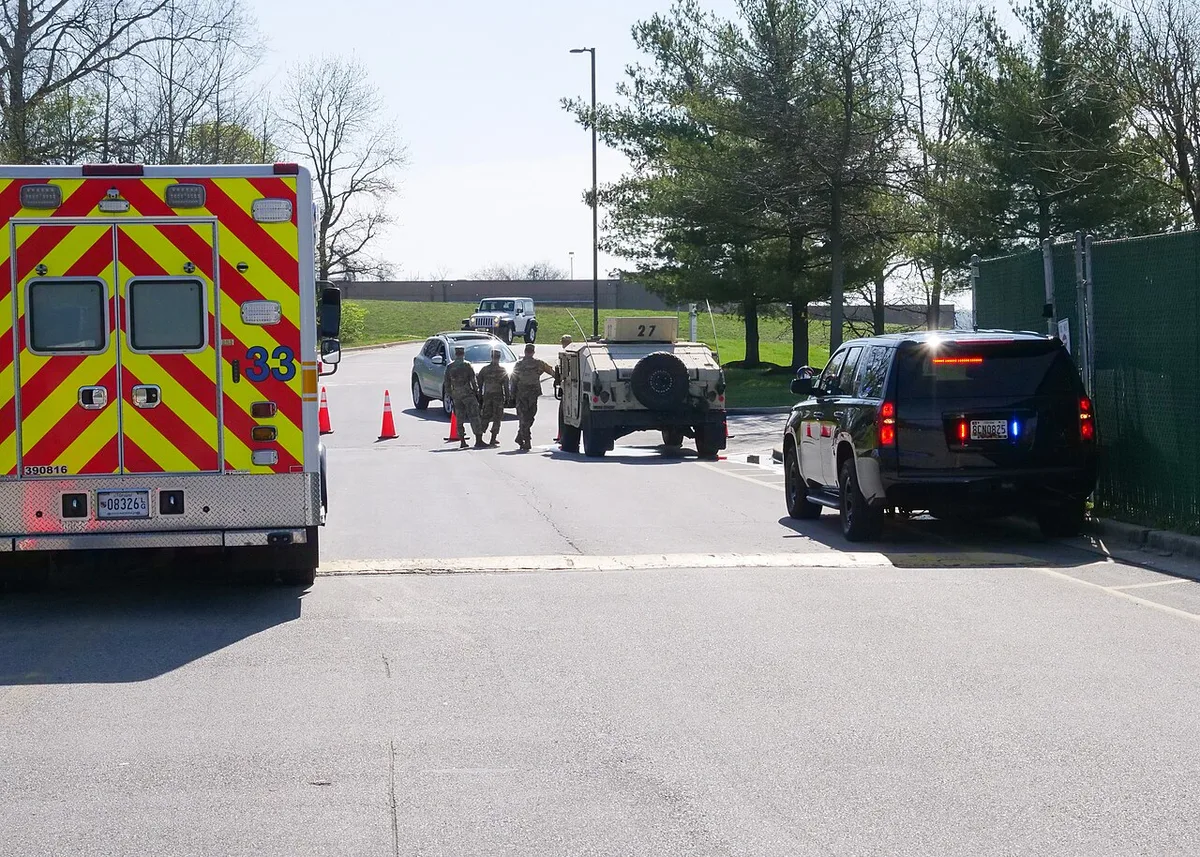
Wikimedia Commons / Sgt. 1st Class Michael Davis Jr.
If your car failed Maryland’s emissions test, you’re not stuck with a huge repair bill. Maryland failed emissions test repair waivers and compliance standards let you apply for a waiver if repairs hit the state’s cost cap.
As of 2026, the program covers up to $650 in emissions-related fixes for most vehicles. But the rules are strict, and one wrong move can get your waiver denied.
Quick Answer
Maryland failed emissions test repair waivers and compliance standards allow a one-time waiver if repairs cost $650 or more. You must complete qualifying fixes at a licensed shop. Submit receipts and a waiver application to the MVA.
The waiver lets you register your vehicle for one year. Not all vehicles or repairs qualify.
What Happens If You Fail Maryland’s Emissions Test?
You’ll get a Vehicle Emissions Inspection Program (VEIP) failure notice. This blocks your registration renewal until you pass a retest or get a waiver.
Most counties in Maryland require emissions testing every two years. If you fail, you have 30 days to repair and retest. Drive without fixing it, and you risk fines or registration suspension.
Does Maryland Offer a Repair Waiver for Failed Emissions Tests?
Yes, but only under specific conditions. The waiver isn’t automatic, you must prove you spent the money on qualifying repairs.
The state’s waiver program is designed to help owners of older or high-mileage vehicles avoid excessive costs. It doesn’t cover every repair, and some vehicles don’t qualify at all.
How Maryland’s Emissions Waiver Actually Works
The waiver applies to vehicles that fail the OBD-II or tailpipe test. You must spend at least $650 on emissions-related repairs at a licensed Maryland shop.
YouTube / WUSA9 (YouTube thumbnail (fair-use with source credit))
Who Qualifies for the Waiver?
Your vehicle must be model year 1977 or newer. It must have failed the initial emissions test. You must complete repairs at a Maryland-licensed facility.
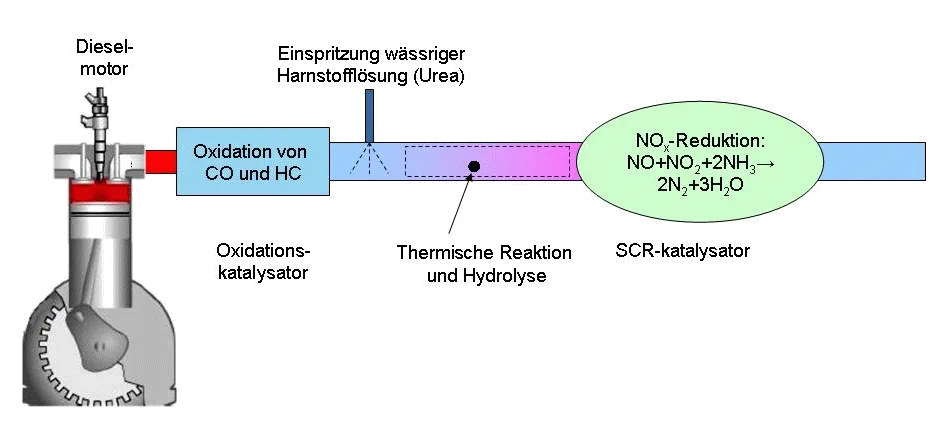
Hybrid and electric vehicles are exempt from emissions testing. Diesel vehicles have different rules and may not qualify for the same waiver.
What Repairs Count Toward the Waiver?
Only repairs directly related to emissions control systems qualify. This includes:
- Catalytic converter replacement
- Oxygen sensor replacement
- EVAP system repairs
- EGR valve replacement
- Fuel system repairs affecting emissions
Routine maintenance like oil changes or tire rotations doesn’t count. Neither do repairs unrelated to emissions, such as brake or suspension work.
Maryland’s $650 Repair Cost Cap Explained
The waiver covers up to $650 in labor and parts for emissions-related repairs. If your repairs cost less than $650, you don’t qualify for the waiver.
You must pay out of pocket first, then submit receipts to the MVA. The waiver doesn’t reimburse you, it allows you to register your vehicle despite the failed test.
Step-by-Step: How to Get a Maryland Emissions Waiver
Before You Start: Check Your Eligibility
Confirm your vehicle is model year 1977 or newer. Verify it failed the VEIP test. Ensure you’re within the 30-day repair window.
If your vehicle is exempt (e.g., electric or pre-1977), you don’t need a waiver. Check the MVA’s official VEIP page for the latest exemptions.
Confirm your vehicle is model year 1977 or newer. Verify it failed the VEIP test. Ensure you’re within the 30-day repair window.
If your vehicle is exempt (e.g., electric or pre-1977), you don’t need a waiver. Check the MVA’s official VEIP page for the latest exemptions.
Get the Repairs Done (Without Overspending)
Take your car to a licensed Maryland repair shop. Ask for a diagnostic to identify emissions-related issues. Get a written estimate before authorizing work.
Stick to repairs that directly address the failure reason. Avoid unnecessary upsells that won’t help you pass the test or qualify for the waiver.
Gather the Right Paperwork
You’ll need the VEIP failure notice, repair receipts, and a completed waiver application. The receipts must itemize parts and labor for emissions-related work.
Missing or incomplete paperwork is the top reason for waiver denials. Double-check that all documents include the vehicle’s VIN, repair shop’s license number, and a clear breakdown of costs.
Submit Your Waiver Application
Take your documents to a VEIP inspection station or mail them to the MVA. Some stations allow online submissions, but in-person is fastest.
Processing typically takes 5 to 10 business days. You’ll receive a notice by mail confirming approval or denial.
Common Reasons Maryland Denies Emissions Waivers
Wikimedia Commons / Hastdutoene (CC BY-SA)
The most common denial reason is insufficient repair costs. If your total is under $650, you don’t qualify.
Other frequent issues include non-emissions repairs, missing receipts, or repairs done out of state. The MVA also denies waivers for vehicles that could pass with minor fixes.
What If Your Waiver Gets Rejected?
You’ll receive a denial letter explaining the reason. If it’s a paperwork error, you can resubmit with corrections.
If the denial is due to insufficient repairs, you’ll need to spend more on qualifying fixes. Some drivers choose to sell or retire the vehicle instead.
Maryland Emissions Test vs. Waiver: Which Should You Pursue?
Pursue a waiver if repairs will cost $650 or more and your vehicle is otherwise reliable. The waiver is a one-year solution, not a permanent fix.
Opt for repairs and a retest if the fixes are minor and under $650. Passing the test means no future waiver hassles until your next inspection.
Costs to Expect (Tests, Repairs, and Fees)
The VEIP test costs $14 for most vehicles. Retests are free if done within 30 days of the initial failure.
Repair costs vary widely. A new catalytic converter can run $500 to $2,000. An oxygen sensor replacement is often $100 to $300.
The waiver caps your out-of-pocket at $650 for qualifying repairs.
Maryland Emissions Rules You Might Not Know
Not all counties require emissions testing. Allegany, Carroll, Garrett, Kent, Queen Anne’s, Somerset, Talbot, Washington, Wicomico, and Worcester are exempt.
Vehicles older than 1977 are exempt from testing. Model years 1977 to 1995 only need a tailpipe test. 1996 and newer vehicles must pass both OBD-II and tailpipe tests where applicable.
Pro Tips to Pass Maryland’s Emissions Test the First Time
YouTube / YOUCANIC (YouTube thumbnail (fair-use with source credit))
Start with a free pre-inspection at some auto parts stores. They can scan your OBD-II system for codes that would cause a failure.
Drive your car for 15 to 20 minutes before testing. This ensures the catalytic converter and oxygen sensors are warm and functioning properly. A cold engine can trigger a false failure.
Check your gas cap. A loose or damaged cap can trigger an EVAP system failure. Tighten it or replace it if it’s cracked.
Frequently Asked Questions
Can I drive with a failed emissions test in Maryland?
No. You have 30 days to repair and retest. After that, you can’t renew your registration until you pass or get a waiver.
How long does a Maryland emissions waiver last?
A waiver is valid for one year from the date of approval. You’ll need to retest when it expires.
What if my repairs cost more than $650?
You only need to spend $650 on qualifying repairs to apply. Any amount over that doesn’t help your waiver application.
Do hybrid or electric vehicles need emissions tests?
No. Hybrid and electric vehicles are exempt from Maryland’s emissions testing requirements.