ByMax Lee
Maryland Lemon Law: New Car Consumer Protection Guide
Maryland’s lemon law exists to protect you when a new car keeps breaking down under warranty. The Maryland lemon law for new vehicle consumer protection and repair standards gives you clear rights if your vehicle has repeated, unfixed defects. As of 2026, it covers cars, trucks, and motorcycles under 10,000 lbs for 24 months or 18,000 miles from delivery.
If your dealer can’t fix the same problem after multiple attempts, you may qualify for a refund or replacement. The law sets strict rules on what counts as a “lemon” and how to prove it.
Quick Answer
The Maryland lemon law for new vehicle consumer protection and repair standards covers defects that substantially impair use, value, or safety. It applies to new vehicles under 10,000 lbs within 24 months or 18,000 miles. You qualify after 3 repair attempts for the same issue or 30+ days out of service.
The manufacturer must buy back or replace the vehicle if they fail to fix it.
YouTube / WBAL-TV 11 Baltimore (YouTube thumbnail (fair-use with source credit))
Does Maryland’s Lemon Law Cover Your New Car?
Yes, if your car was bought or leased new in Maryland and meets the weight and mileage limits. The law applies to personal, family, or household use, not commercial vehicles. It also covers demonstrator or dealer loaner vehicles if they’re still under the original warranty.
The key is whether the defect is substantial. Minor issues like a loose radio knob won’t qualify, but persistent engine stalling or brake failures will.
What Exactly Qualifies as a “Lemon” in Maryland
A lemon is a new vehicle with a defect that the manufacturer or dealer can’t fix after a reasonable number of attempts. Under Maryland law, that means:
- 3 or more repair attempts for the same issue
- 30 or more cumulative days out of service for repairs
- A defect that substantially impairs the vehicle’s use, value, or safety
The defect must occur within the first 24 months or 18,000 miles, whichever comes first. It must also be covered by the manufacturer’s express warranty.
YouTube / Navarroweb apps (YouTube thumbnail (fair-use with source credit))
Common qualifying defects include:
- Engine or transmission failures
- Electrical system malfunctions
- Brake or steering issues
- Chronic water leaks or paint defects
Non-qualifying issues are usually minor, like a broken cup holder or a scratch on the interior trim.
The 3 Repair Rules That Trigger Your Rights
Maryland’s lemon law kicks in under specific conditions. Here’s how it works:
| Rule | Requirement | What It Means |
|---|---|---|
| Same Defect | 3+ repair attempts | The dealer tried to fix the same problem at least 3 times without success |
| Cumulative Days | 30+ days out of service | Your car was in the shop for repairs for 30 or more days total |
| Final Attempt | 1 last chance to fix | After the 3rd attempt, the manufacturer gets one final try to repair the defect |
If the defect persists after these attempts, you’re entitled to a buyback or replacement. The manufacturer must also cover costs like towing, rental cars, and repair expenses related to the defect.
Vehicles That Don’t Qualify (And Why)
Not every vehicle or issue is covered. Here’s what’s excluded:
- Used cars: Only new vehicles qualify, unless they’re still under the original manufacturer’s warranty.
- Commercial vehicles: Vehicles over 10,000 lbs or used for business purposes aren’t covered.
- Motorcycles: Only if they’re under 10,000 lbs and primarily for personal use.
- Off-road vehicles: ATVs, dirt bikes, and other off-road vehicles don’t qualify.
- Abuse or neglect: If the defect was caused by your actions, the law won’t apply.
- Unauthorized modifications: Aftermarket changes that void the warranty can disqualify your claim.
Your Step-by-Step Claim Process in Maryland
Start by gathering all repair records. You need work orders, invoices, and dates showing each attempt to fix the defect. Without documentation, your claim will likely fail.
Next, notify the manufacturer in writing. Use certified mail with return receipt requested. This creates a paper trail proving they received your complaint.
Documenting the Problem the Right Way
Keep a log of every repair visit. Note the date, mileage, and description of the issue. Save all receipts for towing, rentals, or other costs tied to the defect.
Request a final repair attempt if you haven’t already. Maryland law requires the manufacturer to have one last chance to fix the problem before you can demand a buyback or replacement.
Notifying the Manufacturer (With Proof)
Send a demand letter to the manufacturer’s customer service address. Include your vehicle identification number, purchase date, and a summary of repair attempts. State clearly that you’re invoking your rights under Maryland’s lemon law.
The manufacturer has 40 days to respond once they receive your letter. If they don’t resolve the issue, you can escalate to arbitration or file a complaint with the state.
Choosing Arbitration vs. Court
Most manufacturers have their own arbitration programs. These are often faster than court but may favor the company. You can also use Maryland’s state-certified arbitration process, which is neutral.
If arbitration doesn’t work, you can sue in court. Many lemon law attorneys work on contingency, meaning they only get paid if you win.
What You’re Entitled To: Buyback, Replacement, or Cash
You have three main options if your claim succeeds. The manufacturer must offer a full refund, a replacement vehicle, or cash compensation.
A full refund includes the purchase price, taxes, fees, and finance charges. They’ll also reimburse you for towing, rentals, and repair costs related to the defect.
YouTube / Brad Deery (YouTube thumbnail (fair-use with source credit))
For a replacement, you get a comparable new vehicle. The manufacturer covers all costs, including registration and taxes. The replacement must be the same make and model or equivalent.
Cash compensation is rare but possible if you prefer to keep the vehicle. This is usually a partial refund to offset the defect’s impact on value.
How the Buyback Payout Is Actually Calculated
The refund isn’t just the purchase price. Maryland law requires the manufacturer to reimburse you for all associated costs. This includes sales tax, title fees, and registration.
They’ll also subtract a mileage offset. This is a deduction for the miles you drove before the first repair attempt. The formula varies but is typically a few cents per mile.
Here’s a simplified breakdown:
| Item | Included in Refund? | Notes |
|---|---|---|
| Purchase price | Yes | Full amount paid |
| Sales tax | Yes | All taxes on the original purchase |
| Finance charges | Yes | Interest paid up to the buyback date |
| Towing/rental costs | Yes | Only if related to the defect |
| Mileage offset | No | Deducted from the total |
The manufacturer must pay within 30 days of the arbitration decision or court judgment. If they delay, they may owe additional penalties.
Common Mistakes That Kill Lemon Law Claims
Waiting too long to act is the biggest mistake. Maryland’s lemon law has strict deadlines. You must file within 18 months of delivery or 18,000 miles, whichever comes first.
Another error is not documenting repairs properly. Without detailed records, you can’t prove the defect meets the legal threshold. Always get a written repair order every time you visit the dealer.
Signing a waiver or release can also hurt your case. Some dealers may ask you to sign a document stating you’re satisfied with the repairs. This could waive your right to pursue a lemon law claim later.
Ignoring the manufacturer’s arbitration program is another pitfall. While you can skip it and go straight to court, arbitration is often faster and less expensive. Just be sure to use a state-certified program if you want a neutral decision.
When to Hire a Maryland Lemon Law Attorney
You don’t always need a lawyer, but it helps in complex cases. If the manufacturer is dragging their feet or denying your claim, an attorney can level the playing field.
Most lemon law attorneys work on contingency. This means they only get paid if you win, usually taking a percentage of your refund or settlement. As of 2026, this fee is often capped at a reasonable amount by state law.
Consider hiring a lawyer if:
- The manufacturer refuses to acknowledge the defect
- Arbitration ruled against you but you believe you have a strong case
- The buyback offer seems unfair or incomplete
Maryland vs. Federal Lemon Law: Which Protects You More?
Maryland’s law is stricter than the federal Magnuson-Moss Warranty Act. The federal law covers defects but doesn’t set a fixed number of repair attempts. Maryland’s 3-attempt rule gives you clearer protection.
Federal law also doesn’t specify a time or mileage limit. Maryland’s 24-month/18,000-mile window is more defined. This makes it easier to know if you qualify.
The federal law does cover more vehicles, including some used cars with remaining warranties. But for new cars in Maryland, the state law is usually your best option.
Real-World Examples: Cases That Won (And Lost)
A 2023 case involved a new SUV with persistent transmission failures. The owner documented 4 repair attempts within 12 months. The manufacturer offered a buyback after arbitration ruled in the owner’s favor.
Another case lost because the owner missed the 18,000-mile deadline. Even though the defect was severe, the claim was denied for exceeding the mileage limit.
A third example won on the 30-day rule. The car was in the shop for 35 days total for electrical issues. The manufacturer replaced the vehicle after the owner provided all repair records.
FAQs Maryland Buyers Ask Most
How long do I have to file a lemon law claim in Maryland?
You have 18 months from the delivery date or 18,000 miles, whichever comes first. After that, you lose eligibility under state law.
Does the lemon law cover leased vehicles?
Yes, if the lease is for a new vehicle and meets the weight and mileage requirements. The same rules apply as for purchased cars.
Can I still file if I didn’t keep all my repair records?
It’s much harder without documentation. You need proof of repair attempts to meet the legal threshold. Always save every work order and invoice.
What if the manufacturer refuses to cooperate?
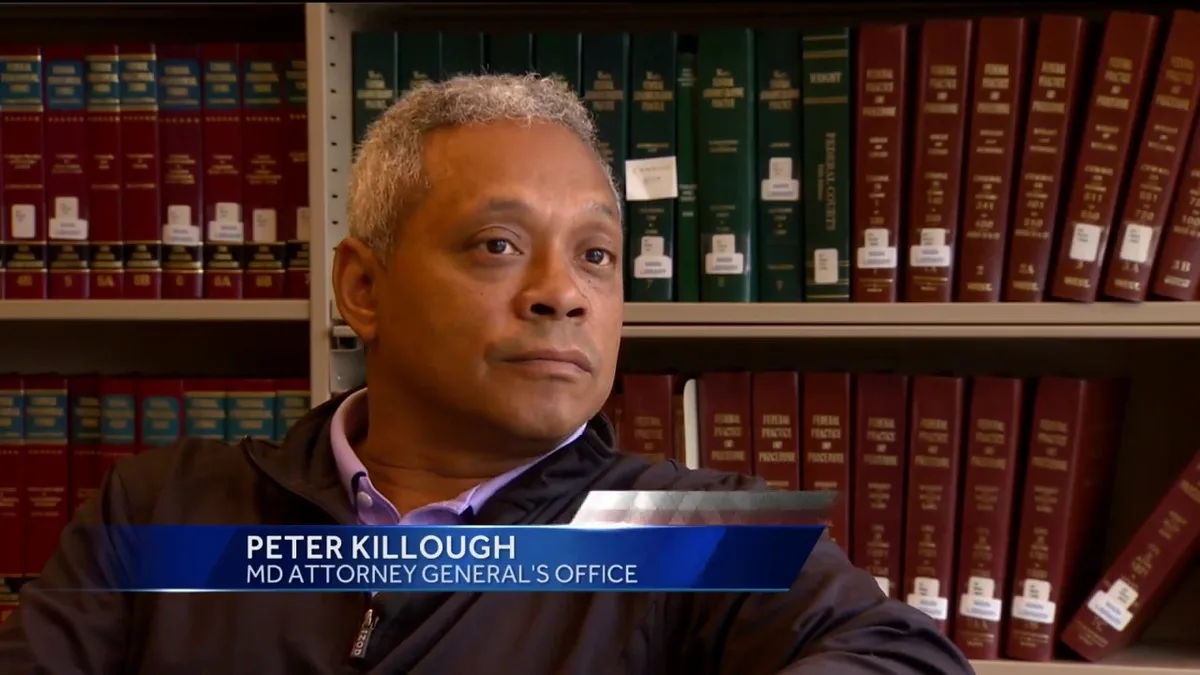
You can file a complaint with the Maryland Attorney General’s Consumer Protection Division. They can mediate or take legal action on your behalf.
Do I need a lawyer to win a lemon law case?
No, but it helps in complex cases. Many people win through arbitration without an attorney. If the manufacturer fights back, legal representation may be worth it.
Where to File and Who to Contact in Maryland
Start with the manufacturer’s customer service. They’re required to have a process for lemon law claims. Send your demand letter to their registered address.
For state help, contact the Maryland Attorney General’s Consumer Protection Division. They provide complaint forms and guidance. Their website has step-by-step instructions.
You can also visit a local MVA office for assistance. They can confirm your vehicle’s eligibility and direct you to the right resources.
YouTube / WMAR-2 News (YouTube thumbnail (fair-use with source credit))