If your car’s been declared a total loss in Maryland, you’re dealing with salvage title rules. Maryland salvage title requirements for wrecked or destroyed vehicles kick in when damage hits 75% of the car’s pre-accident value, and the process isn’t automatic, you’ve got to follow the state’s steps to stay legal.
Maryland’s Motor Vehicle Administration (MVA) treats salvage titles differently than clean ones, and missing a step can leave you with a car you can’t sell or drive. As of 2026, the threshold and paperwork haven’t changed, but the inspection rules for rebuilt titles remain strict.
Quick Answer
Maryland salvage title requirements for wrecked or destroyed vehicles apply when damage exceeds 75% of the car’s value. You must report the total loss to the MVA. The state issues a salvage certificate, not a regular title.
Rebuilt titles require a separate inspection.
What Counts as a Salvage Vehicle in Maryland?
A vehicle is considered salvage in Maryland if the cost to repair it meets or exceeds 75% of its fair market value before the damage. This is the state’s official threshold, and it’s non-negotiable, insurance companies and the MVA both use it to determine total loss status.
The designation isn’t just about crashes. Flood damage, fire, or even theft recovery can trigger salvage status if the repair costs hit that 75% mark. The MVA doesn’t issue salvage titles for minor damage, so if your car’s repairable for less, you’re not in this category.
Maryland’s Total Loss Threshold and How It Works
Maryland uses a 75% damage threshold to define a total loss. If repairs would cost 75% or more of the car’s pre-accident value, it’s automatically classified as salvage. The insurance company usually makes this call first, but the MVA has the final say.
Here’s how it breaks down:
- Pre-accident value: What the car was worth just before the damage (Kelley Blue Book or NADA guides are common references).
- Repair estimate: The cost to fix the vehicle to pre-accident condition, including labor and parts.
- Salvage value: What the car’s worth as-is, often determined by auction prices for similar wrecks.
If the repair estimate plus salvage value equals or exceeds the pre-accident value, the car is a total loss. The MVA then requires a salvage title before you can sell it, junk it, or rebuild it.
Salvage Title vs. Rebuilt Title vs. Non-Repairable
Not all damaged cars get the same label in Maryland. Here’s the difference:
| Title Type | Definition | Can You Drive It? | Can You Sell It? |
|---|---|---|---|
| Salvage Title | Issued for vehicles declared a total loss but still repairable. | No | Yes, but as salvage. |
| Rebuilt Title | Given after a salvage vehicle passes inspection and is roadworthy again. | Yes | Yes. |
| Non-Repairable | For vehicles so damaged they can’t be safely repaired. | No | Only for parts/scrap. |
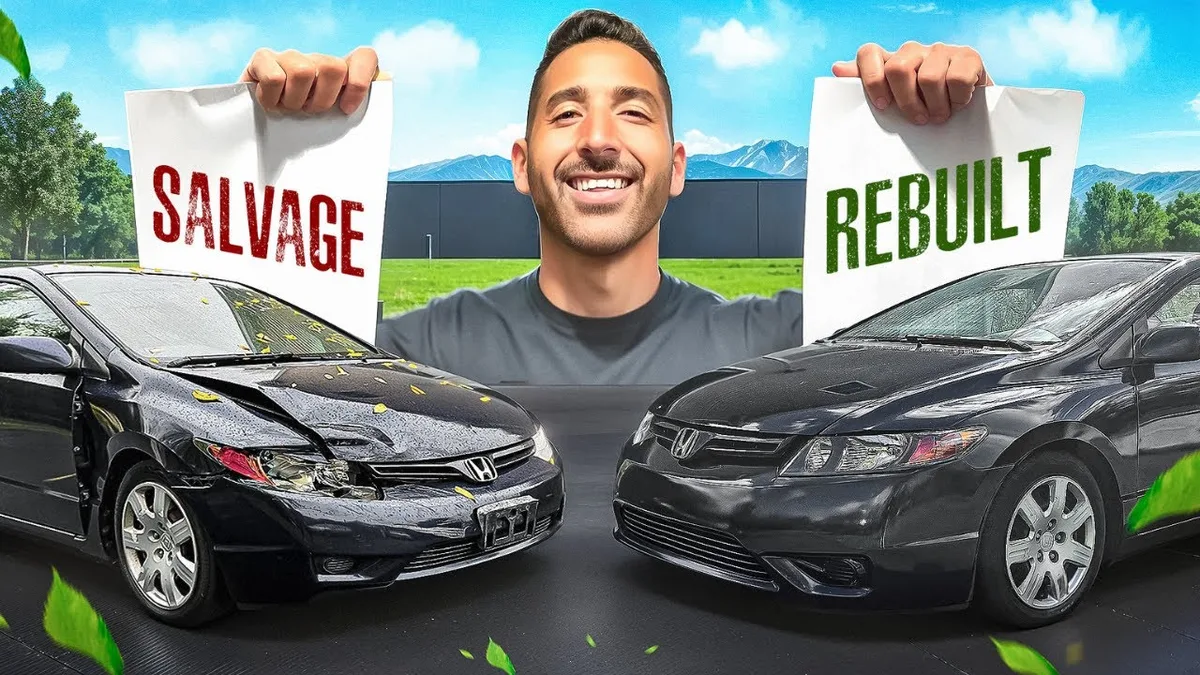
A salvage title is your first step after a total loss. If you rebuild the car, you’ll need to apply for a rebuilt title, which requires a Maryland State Police inspection. Non-repairable vehicles can’t get a rebuilt title, they’re only good for parts or scrap.
Step-by-Step: How to Get a Salvage Title in Maryland
Reporting the Total Loss to the MVA
Start by notifying the MVA within 30 days of the total loss declaration. Your insurance company usually handles this, but if you’re self-insured or paying out of pocket, it’s on you. You’ll need to submit Form VR-005 (Application for Certificate of Title) and mark it as a salvage vehicle.
Required Documents You’ll Need
Gather these before you apply:
- Completed Form VR-005 (check the salvage box).
- Proof of ownership (your current title, signed over to you if there’s a lien).
- Insurance company’s total loss statement (or a repair estimate if uninsured).
- A copy of the damage appraisal (if available).
- Payment for the $20 salvage title fee.
If the car has a lien, the lienholder must sign off on the salvage title application. Without their approval, the MVA won’t process it.
Fees and Processing Times
The salvage title fee is $20 as of 2026. Processing typically takes 4 to 6 weeks, but it can be longer if there’s missing paperwork or a backlog at the MVA. You’ll get a salvage certificate in the mail, this isn’t a regular title, and you can’t drive the car with it.
What Happens After You Get the Salvage Title?
Once you have the salvage certificate, you can’t drive the car. It’s illegal to operate a salvage-titled vehicle on public roads in Maryland until it’s rebuilt and passes inspection.
You can sell it as-is to a junkyard or salvage buyer. Or you can start repairs to eventually apply for a rebuilt title. The salvage certificate proves ownership, but it doesn’t let you register or insure the car for road use.
Rebuilding a Salvage Vehicle? Here’s the Process
To legally drive a rebuilt salvage car, you must first repair it to meet Maryland safety standards. Then you’ll need to apply for a rebuilt title, which requires a state inspection.
Maryland’s Rebuilt Title Inspection Requirements
The Maryland State Police must inspect the vehicle before the MVA issues a rebuilt title. They check for stolen parts, verify the VIN, and confirm the car meets safety standards.
You’ll need to bring:
- The salvage certificate
- Receipts for all major parts used in repairs
- A completed Application for Rebuilt Vehicle Inspection (Form VR-068)
The inspection fee is $20 as of 2026. If the car passes, you’ll get a certificate to submit to the MVA for your rebuilt title.
Can You Drive a Salvage-Title Car in Maryland?
No, you cannot legally drive a car with only a salvage title in Maryland. It’s not registered, and insurance companies won’t cover it for road use.
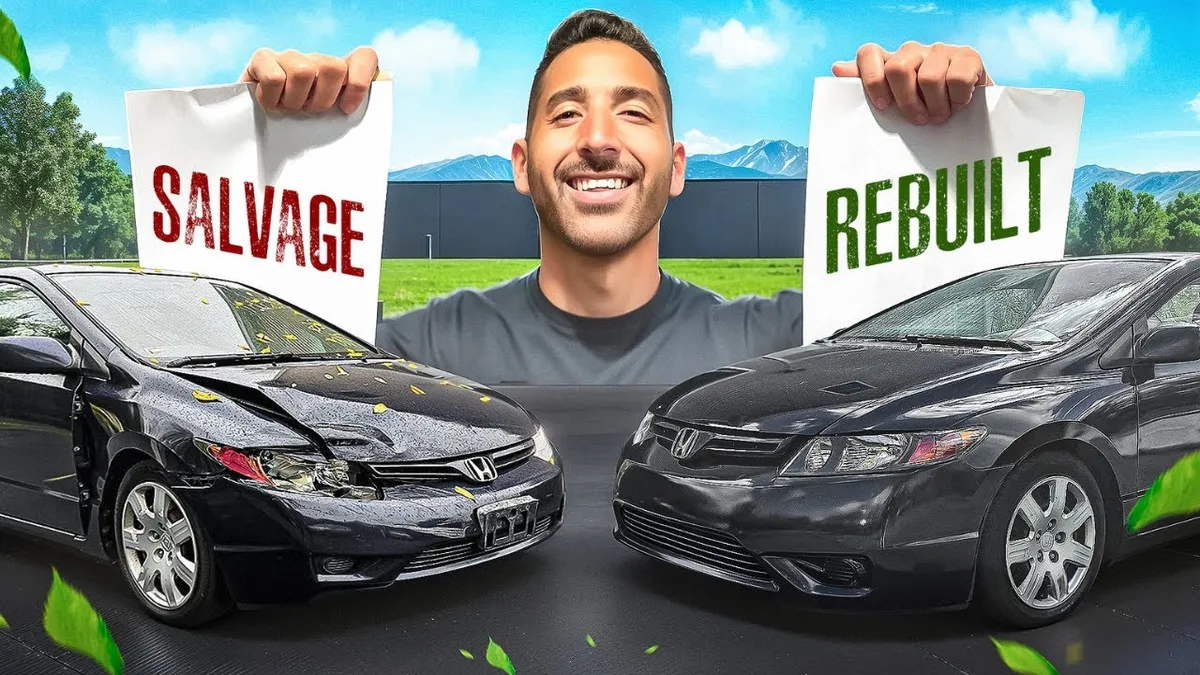
Once you have a rebuilt title, you can register and insure the car. Some insurers may still charge higher premiums or limit coverage for rebuilt vehicles. Always check with your provider before hitting the road.
Selling or Buying a Salvage-Title Vehicle in Maryland
Selling a salvage-titled car is legal, but you must disclose the salvage status to the buyer. Maryland law requires full transparency about the title brand.
Buyers should be cautious. Salvage vehicles may have hidden damage, and financing can be harder to secure. A pre-purchase inspection by a trusted mechanic is a smart move.
Common Mistakes That Get Your Application Rejected
Missing paperwork is the top reason for delays. Double-check you’ve included the total loss statement, title, and all required forms.
Another common issue is incomplete repairs. If you’re applying for a rebuilt title, the car must pass the State Police inspection on the first try. Skipping safety-critical repairs (brakes, lights, structural integrity) will get you rejected.
Maryland Salvage Title Costs and Fees
The salvage title application fee is $20 as of 2026. This covers the MVA’s processing of your paperwork and issuance of the salvage certificate.
If you later apply for a rebuilt title, expect another $20 fee for the rebuilt title itself. The Maryland State Police inspection adds another $20. These fees are non-refundable, even if your application is denied.
Out-of-State Salvage Vehicles: What Maryland Requires
Bringing a salvage-titled car into Maryland from another state means you’ll need to follow Maryland’s rules. You can’t just transfer the out-of-state salvage title.
First, get a Maryland salvage certificate by submitting the out-of-state title and a completed VR-005 form. If the vehicle was already rebuilt in another state, you’ll still need to pass Maryland’s inspection to get a rebuilt title here.
FAQs About Maryland Salvage Titles
How long does it take to get a salvage title in Maryland?
Processing typically takes 4 to 6 weeks. Delays happen if paperwork is incomplete or if there’s a backlog at the MVA. Submitting everything correctly the first time speeds up the process.
Can I register a salvage-titled car in Maryland?
No. A salvage title means the car isn’t road-legal. You must first rebuild it, pass the State Police inspection, and get a rebuilt title before registration is possible.
What’s the difference between a salvage title and a rebuilt title?
A salvage title is for totaled vehicles that aren’t roadworthy. A rebuilt title is issued after repairs and inspection, proving the car is safe to drive again.
Does a salvage title affect insurance?
Yes. Most insurers won’t provide full coverage for a salvage-titled car. Even with a rebuilt title, expect higher premiums or limited coverage options.
Can I sell a salvage-titled car without disclosing it?
No. Maryland law requires you to disclose the salvage title status to any buyer. Failing to do so can result in legal penalties and void the sale.
Final Checklist: What to Do Next
Confirm your car meets Maryland’s 75% damage threshold. Gather your title, insurance total loss statement, and completed VR-005 form.
Submit everything to the MVA with the $20 fee. If rebuilding, schedule your State Police inspection once repairs are complete. Keep copies of all paperwork for your records.
Confirm your car meets Maryland’s 75% damage threshold. Gather your title, insurance total loss statement, and completed VR-005 form.
Submit everything to the MVA with the $20 fee. If rebuilding, schedule your State Police inspection once repairs are complete. Keep copies of all paperwork for your records.