Transferring an out-of-state title to Maryland always starts with one question: do you need a VIN verification. The Maryland VIN verification requirements for out-of-state title transfers depend on your vehicle’s history and where you’re registering it. Some counties require it, others don’t, and salvage titles always do.
As of 2026, the Maryland Motor Vehicle Administration enforces these rules to prevent fraud and ensure compliance. The process is straightforward once you know which path applies to you.
Quick Answer
Maryland requires VIN verification for out-of-state title transfers in most cases. Salvage or rebuilt vehicles always need it. Clean titles may skip it in some counties.
The verification confirms the VIN matches the title. It’s a free or low-cost step at approved stations.
Do You Need a VIN Verification for an Out-of-State Title Transfer in Maryland?
Yes, if your vehicle has a salvage or rebuilt title. No, if it’s a clean title in certain counties. The rule exists to catch discrepancies before registration.
Maryland’s MVA leaves some flexibility for clean titles, but you’ll still need to confirm with your local office. The verification itself is a simple visual check of the VIN against your paperwork.
How Maryland’s VIN Verification Actually Works
A VIN verification is a physical inspection of your vehicle’s 17-character VIN. An authorized inspector compares it to the title and completes a form. This ensures the vehicle isn’t stolen or misrepresented.
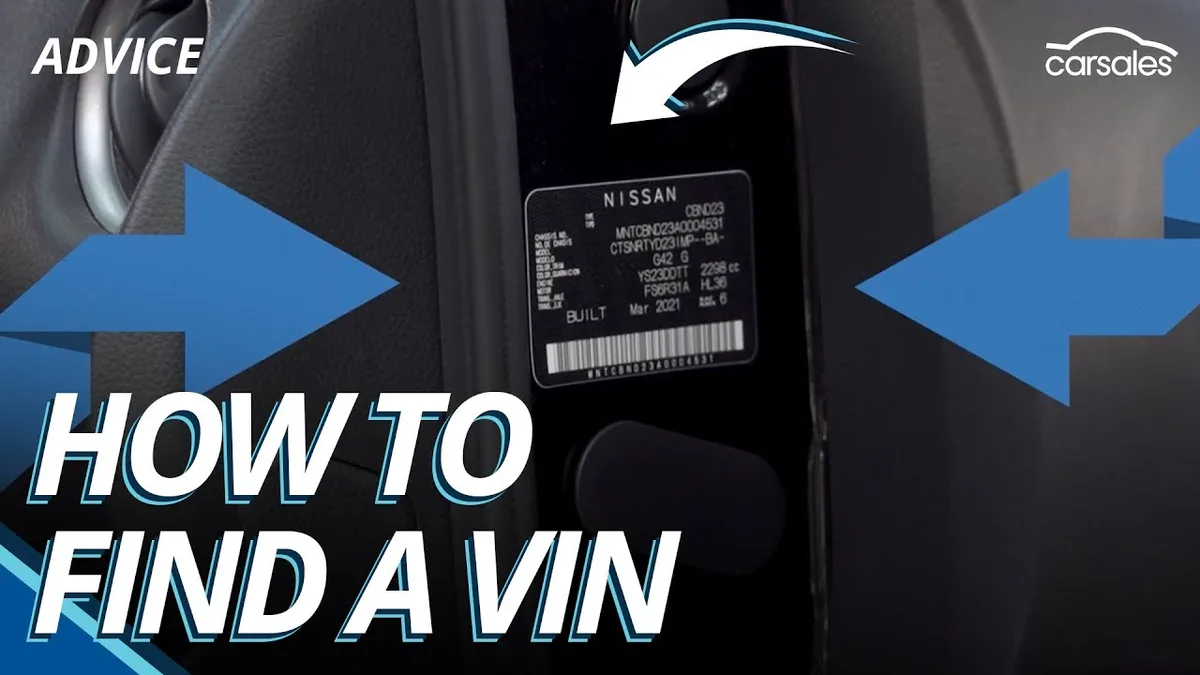
The VIN is typically found on the dashboard near the windshield, the driver’s door jamb, or the engine block. Maryland uses the National Highway Traffic Safety Administration standard for VIN formatting.
The inspector will also check for signs of tampering, like scratched or altered numbers. If everything matches, they’ll sign off on the verification form, which you’ll submit with your title transfer application.
The 3 Scenarios That Change Your Requirements
You’re Transferring a Clean, Out-of-State Title
Most counties don’t require a VIN verification for clean titles. However, some, like Montgomery and Prince George’s, do. Always check with your local MVA office before assuming you’re exempt.
If your title is clean and the county doesn’t require verification, you can skip this step. But you’ll still need to provide the title, proof of insurance, and payment for fees.
You’re Bringing in a Salvage or Rebuilt Vehicle
Salvage or rebuilt titles always require a VIN verification in Maryland. This is non-negotiable, as the state wants to ensure the vehicle has been properly reconstructed.
You’ll also need to provide additional documentation, like a salvage inspection certificate or proof of repairs. The MVA may require a safety inspection before issuing a new title.
You Have No Title (Bonded Title Cases)
If you don’t have a title, you’ll need to apply for a bonded title. This process includes a VIN verification to confirm the vehicle’s identity. You’ll also need to purchase a surety bond for the vehicle’s value.
Once the bonded title is issued, you can proceed with the transfer as usual. This path is common for vehicles bought without a title or those with unclear ownership history.
Step-by-Step: How to Get a VIN Verification in Maryland
Start by locating your VIN on the vehicle. It’s usually visible through the windshield on the dashboard or on the driver’s side door jamb. Write it down and compare it to the VIN on your title.
Next, visit an approved VIN verification location. These include MVA offices, police departments, and authorized inspection stations. Call ahead to confirm they offer the service, as not all locations do.
Where to Get Your VIN Verified (And Where to Avoid)
Maryland offers multiple options for VIN verification. MVA offices, police departments, and authorized inspection stations can all perform the check. Some private businesses also offer the service for a fee.
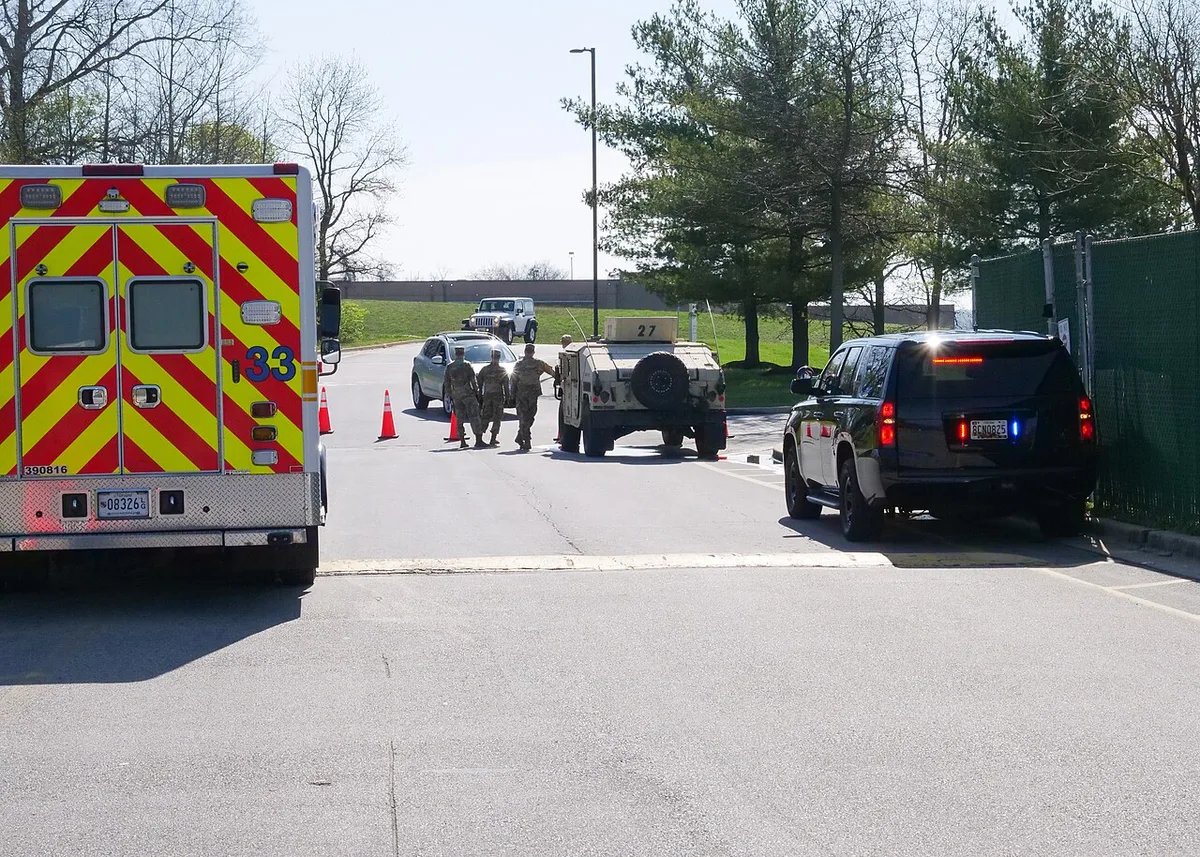
Avoid unofficial or unapproved locations. The MVA won’t accept verifications from unauthorized sources. Stick to recognized providers to prevent delays in your title transfer.
Documents You’ll Need for the Title Transfer
The core document is your out-of-state title. If there’s a lien, you’ll need a lien release or the lender’s information. Proof of insurance is also required for registration.
For salvage or rebuilt vehicles, bring additional paperwork like repair receipts or a salvage inspection certificate. A completed Application for Certificate of Title (VR-005) is mandatory for all transfers.
Maryland Title Transfer Fees and Costs
The title transfer fee is $50 as of 2026. VIN verification itself is often free at MVA offices or police stations. Private inspection stations may charge up to $20.
Additional costs include registration fees, which vary by vehicle type and weight. Emissions and safety inspections add $14 and $16 respectively if required in your county.
Common Mistakes That Get Your Application Rejected
A mismatched VIN is the top reason for rejection. Even a single digit error between the vehicle and title will cause problems. Always double-check before submitting.
Missing signatures or incomplete forms are other common issues. The MVA requires all sections of the VR-005 to be filled out correctly. Notarization is sometimes needed for out-of-state titles.
What Happens After Verification: Next Steps
Once verified, submit your documents to the MVA. They’ll process your title transfer and issue a new Maryland title. This usually takes 1-4 weeks depending on workload.
You’ll receive temporary tags if needed while waiting for your permanent plates. Keep these in your vehicle at all times. The MVA will mail your new title and registration once approved.
Special Cases (Military, Dealers, Inherited Vehicles)
Military personnel transferring vehicles to Maryland often get exemptions. Active duty members may skip emissions testing if the vehicle was registered out of state. The MVA still requires a title transfer and VIN verification for salvage vehicles.
Dealers have a streamlined process for inventory transfers. They use a different form and can batch process multiple vehicles. Private sellers don’t get this option.
Inherited vehicles need a court order or affidavit of inheritance. The VIN verification is still required if the title is from out of state. The process is similar to a standard transfer but with extra documentation.
Maryland County-Specific Rules You Should Know
Montgomery and Prince George’s counties require VIN verification for all out-of-state titles. Baltimore County follows the same rule. Other counties may waive it for clean titles.
Rural counties like Garrett and Allegany often skip the verification for clean titles. But salvage or rebuilt vehicles always need it statewide. Always confirm with your local MVA office before assuming.
Some counties also require emissions testing before registration. This is separate from the VIN verification but often done at the same location. Check the Maryland Department of the Environment site for the latest requirements.
FAQs About Maryland VIN Verification for Out-of-State Titles
Do I need a VIN verification for a used car from another state?
Yes, if it’s a salvage or rebuilt title. Clean titles may skip it in some counties. The MVA website lists county-specific rules.
How much does a VIN verification cost in Maryland?
It’s free at MVA offices and most police stations. Private inspection stations may charge up to $20. The title transfer fee is $50 regardless.
Can I get a VIN verification at any police station?
Most can do it, but call ahead to confirm. Some smaller stations may not offer the service. MVA offices are the most reliable option.
What if my VIN doesn’t match the title?
The MVA will reject the transfer. You’ll need to resolve the discrepancy with the previous owner or DMV. This often means getting a corrected title.
How long does a Maryland title transfer take?
Processing typically takes 1-4 weeks. Temporary tags are available if you need to drive the vehicle during this period. The MVA mails the new title once approved.