Maryland vehicle emission testing requirements and inspection standards can feel confusing, but they’re straightforward once you know the rules. The state requires most gasoline and diesel vehicles to pass an emission test every two years, with some exemptions based on age, fuel type, or location.
As of 2026, 23 of Maryland’s 24 counties enforce these tests, and failing to comply can block your registration. The good news is that newer cars, hybrids, and electric vehicles often skip the test entirely.
Quick Answer
Maryland requires emission tests for most gasoline and diesel vehicles every two years. Vehicles 8+ years old, hybrids, EVs, and those in Garrett or Somerset counties are exempt. The test costs $14 and checks OBD-II systems or tailpipe emissions.
Failures must be fixed and retested within 30 days.
Does Your Car Need a Maryland Emission Test?
Not every vehicle does. The rule depends on three things: your car’s fuel type, its model year, and where you live.
Gasoline vehicles from 1975 or newer need testing unless they’re over 8 years old. Diesel vehicles from 2007 or newer are included, but older diesels are usually exempt. Hybrid and electric vehicles don’t require emission tests at all.
Location matters too. If you live in Garrett or Somerset counties, you’re off the hook. Everywhere else in Maryland, you’ll need to comply.
How Maryland’s Emission Testing Works
The Maryland Vehicle Emissions Inspection Program (VEIP) runs the show. They use two main test types, depending on your car’s age and setup.
For most vehicles made after 1996, the test plugs into your OBD-II port to check for trouble codes and emission system readiness. Older cars (pre-1996) go through a two-speed idle test, which measures tailpipe emissions directly.
The test also includes a quick visual check. Inspectors look for missing or tampered emission control parts, like catalytic converters or gas caps.
The Two Types of Emission Tests (and Which One Applies to You)
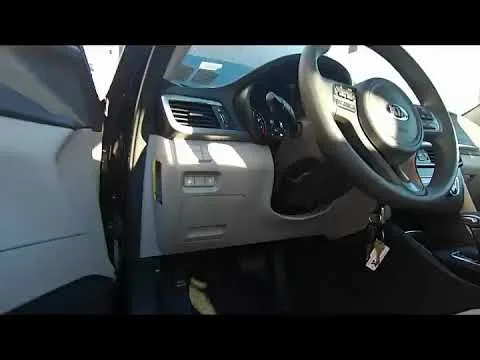
OBD-II testing is the standard for most cars on the road today. If your vehicle was made in 1996 or later, it almost certainly has an OBD-II port, usually located under the dashboard near the steering column. The test takes about 10-15 minutes and checks for stored trouble codes and whether your emission monitors are ready.
For older vehicles (1975, 1995), Maryland uses the two-speed idle (TSI) test. This involves running your engine at two different RPMs while a probe measures tailpipe emissions. It’s less common now but still required for non-OBD-II cars.
Diesel vehicles have their own rules. Most pre-2007 diesels are exempt, but newer ones go through a modified OBD test or a visual inspection. The Maryland Department of the Environment has the full details on diesel requirements.
Maryland Counties That Require Testing vs. Exempt Counties
Here’s the simple breakdown: 23 counties require emission testing, and 2 do not.
| Requires Testing | Exempt Counties |
|---|---|
| Anne Arundel | Garrett |
| Baltimore | Somerset |
| Calvert | |
| Carroll | |
| Charles | |
| Frederick | |
| Harford | |
| Howard | |
| Montgomery | |
| Prince George’s |
If you live in Garrett or Somerset, you’re done, no emission test needed. Everywhere else, you’ll need to schedule one when your registration is up for renewal.
Step-by-Step: How to Get Your Vehicle Tested

First, check if your vehicle is due. The MVA sends a notice, but you can also verify online via the VEIP website. Bring your registration and proof of insurance to any VEIP station.
No appointment is needed for most locations, but you can schedule one to skip the line. The test itself takes about 15-20 minutes. If you pass, you’ll get a sticker and a Vehicle Inspection Report (VIR).
What Happens If You Fail (and How to Fix It)
You’ll get a list of the specific issues causing the failure. The most common culprits are a lit check engine light, faulty oxygen sensors, or EVAP system leaks.
You have 30 days to fix the problem and return for a free retest. If the repairs exceed $650, you may qualify for a waiver. Keep all receipts and documentation to apply.
The Emission Test Waiver: When and How to Apply
The waiver is for vehicles that fail but would cost more than $650 to repair. You must spend at least $200 on repairs and provide receipts.
Submit your application at a VEIP station with your repair invoices and failed test report. If approved, you’ll get a one-year exemption from the emission test.
Costs, Fees, and Penalties You Should Know
The emission test costs $14 as of 2026. Retests are free if done within 30 days of the initial failure.
Driving with an expired inspection sticker can result in a $70 fine. If your registration is due, you won’t be able to renew it without a passing emission test.
Common Reasons for Failing (and How to Avoid Them)
A lit check engine light is the top reason for failure. Even if it’s for a minor issue, the test will fail until the light is off and the monitors are ready.
Other common issues include a loose or damaged gas cap, faulty catalytic converter, or dirty air filter. Regular maintenance can prevent many of these problems.
Hybrid, Electric, and Diesel Vehicles: Special Rules
Hybrid vehicles are exempt from emission testing in Maryland. The same goes for fully electric vehicles since they produce zero tailpipe emissions.
Diesel vehicles follow different rules. Most pre-2007 diesels are exempt, but newer ones require testing. The test focuses on OBD-II systems or visual inspections for emission control components.
Classic, Antique, and Modified Cars: What’s Allowed
Vehicles 40+ years old qualify for antique plates and are exempt from emission testing. Classic cars (25+ years old) may also be exempt depending on their use.
Modified vehicles must still meet emission standards. Removing or tampering with emission control devices is illegal and will cause an automatic failure. The MVA can fine you up to $1,000 for tampering.
Out-of-State Vehicles: Maryland’s Rules for New Residents
New Maryland residents have 60 days to register their vehicle. If your car is from a state with emission testing, you’ll need to pass Maryland’s test to register.
If your out-of-state vehicle is exempt in its original state, it may still need testing in Maryland. The rules depend on the vehicle’s model year and where you’re registering it.
FAQs About Maryland Emission Testing
How often do I need an emission test?
Most vehicles require testing every two years. Newer cars get a two-year exemption from the model year.
What if my check engine light is on?
You’ll automatically fail the test. Get the issue diagnosed and repaired before retesting.
Can I get an extension if my car fails?
No extensions exist, but you have 30 days to fix the problem and retest for free.
Are motorcycles required to get emission tests?
No. Motorcycles are exempt from Maryland’s emission testing program.
What happens if I ignore the test?
You won’t be able to renew your registration. Driving with an expired sticker can result in a $70 fine.
Do I need an appointment for the test?
Appointments aren’t required but can save time. Walk-ins are accepted at most VEIP stations.