Maryland winter driving requirements and studded tire regulations can be confusing, especially when the first snow hits. The state has clear rules on when and how you can use studded tires, and ignoring them can mean fines or unsafe driving.
As of 2026, Maryland allows studded tires only between November 1 and March 31, with strict tread depth and stud protrusion limits. If you’re unsure whether your tires meet the standard, here’s what you need to know.
Quick Answer
Maryland permits studded tires from November 1 to March 31. They must have a minimum tread depth of 2/32 inch. Studs cannot protrude more than 1/16 inch.
Outside these dates, studded tires are illegal.
Are Studded Tires Legal in Maryland?
Yes, but only during the designated winter season. Maryland’s law is straightforward: studded tires are allowed from November 1 through March 31. Outside this window, using them can result in fines.
The restriction exists because studded tires can damage road surfaces, especially in warmer months. Maryland’s Maryland Department of Transportation enforces this to balance safety and infrastructure protection.
When You Can (and Can’t) Use Studded Tires in Maryland
You can legally use studded tires from November 1 to March 31. This window covers the typical winter months when ice and snow are most likely. The dates are fixed, so even if winter weather arrives early or lingers, the law doesn’t adjust.
Outside this period, studded tires are prohibited. This includes spring, summer, and early fall. The rule applies statewide, regardless of local weather conditions.
Maryland’s Official Winter Tire Requirements
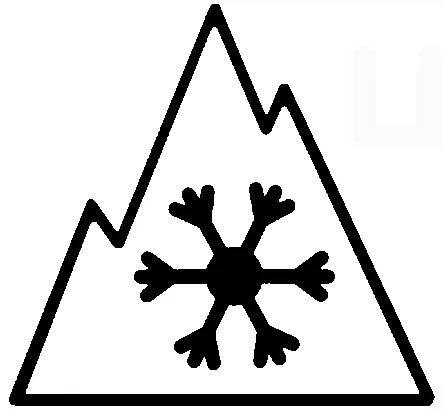
Maryland doesn’t just regulate studded tires, it also sets standards for all winter tires. The key requirement is the 3PMSF symbol (Three-Peak Mountain Snowflake). This symbol confirms the tire meets snow traction performance standards.
Here’s what else you need to know:
- Tread depth: Minimum of 2/32 inch for all tires, including winter tires.
- Tire condition: No exposed cords, bulges, or cracks.
- Stud specifications: If using studded tires, studs must not protrude more than 1/16 inch.
These rules are enforced during vehicle inspections. If your tires don’t meet these standards, your car may fail inspection.
Studded Tires vs. Studless Winter Tires: What’s the Difference?
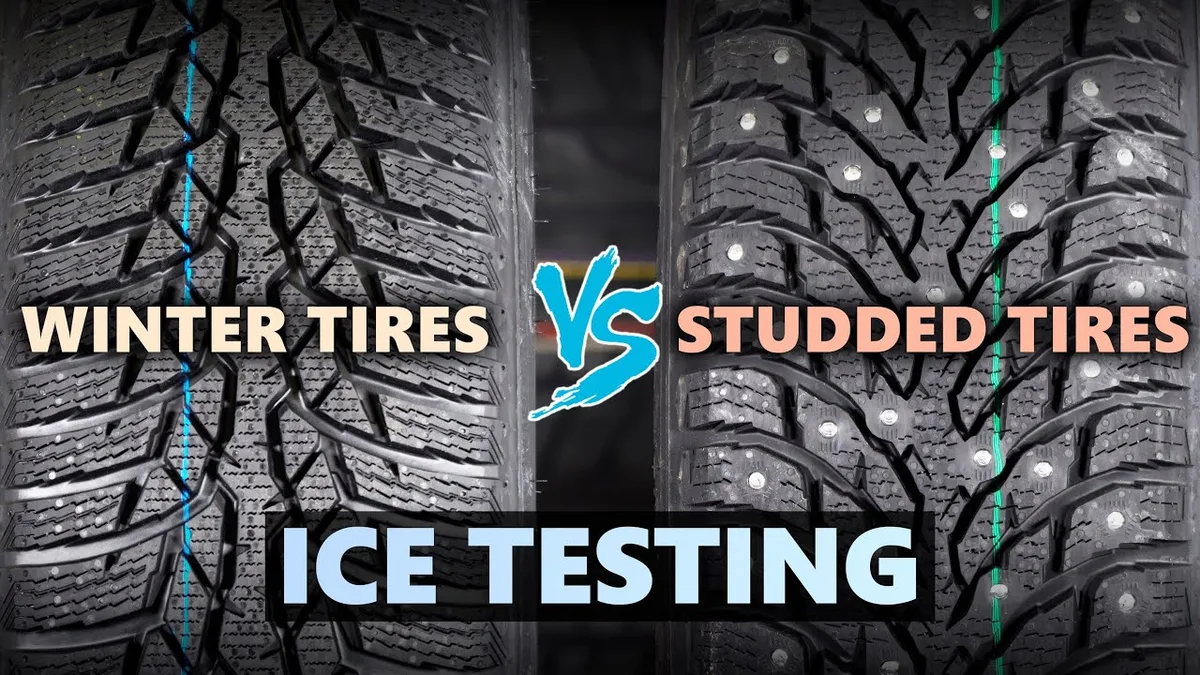
Studded tires have small metal studs embedded in the tread. These studs bite into ice, providing better traction in extreme conditions. However, they can be noisy and may damage dry pavement over time.
Studless winter tires use advanced rubber compounds and tread patterns to grip snow and ice. They’re quieter and more road-friendly but may not perform as well on hard-packed ice.
| Feature | Studded Tires | Studless Winter Tires |
|---|---|---|
| Ice traction | Excellent | Very good |
| Dry pavement wear | High | Low |
| Noise level | Loud | Quiet |
| Seasonal use | Limited | Full winter |
For most Maryland drivers, studless winter tires are the better choice. They’re legal year-round and perform well in typical winter conditions.
How to Check If Your Tires Are Winter-Ready
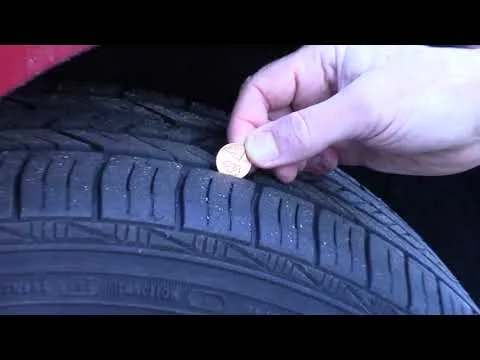
Start with the tread depth. Maryland requires at least 2/32 inch for safe winter driving. The easiest way to check is the penny test: insert a penny into the tread with Lincoln’s head upside down.
If you can see the top of his head, your tread is too shallow.
Next, look for the 3PMSF symbol on the sidewall. This confirms the tire meets snow traction standards. If your tires lack this symbol, they may not perform well in winter conditions.
Maryland’s Tread Depth and Tire Condition Rules
Maryland’s tread depth minimum is 2/32 inch for all tires. This applies year-round, not just in winter. If your tires fall below this, they’re unsafe and illegal.
The state also prohibits tires with visible damage. This includes:
- Exposed cords or fabric
- Deep cracks in the sidewall
- Bulges or blisters
These rules are part of Maryland’s vehicle inspection standards. If your tires fail inspection, you’ll need to replace them before your car passes.
Where Studded Tires Matter Most in Maryland
Western Maryland sees the heaviest snowfall, making studded tires more useful here. Counties like Garrett and Allegany often have icy roads that benefit from the extra grip.
In central Maryland, including Baltimore and the DC suburbs, studless winter tires are usually sufficient. The roads are better maintained, and extreme ice is less common.
Eastern Shore drivers rarely need studded tires. Snow is lighter, and temperatures are milder. Studless winter tires or even high-quality all-season tires often work fine.
Penalties for Breaking Maryland’s Tire Laws
Using studded tires outside the November 1 to March 31 window can result in a fine. The exact amount varies by county, but it’s typically around $80 to $100.
Driving with tires that don’t meet tread depth or condition standards can also lead to penalties. Your car may fail inspection, and you could be ticketed if pulled over.
Step-by-Step: Switching to Winter Tires the Right Way
First, check your current tires. If they’re worn or damaged, replace them before winter hits. If they’re in good shape but not winter-rated, consider swapping to dedicated winter tires.
Next, choose the right tires. Look for the 3PMSF symbol if you want studless winter tires. If you opt for studded tires, ensure they meet Maryland’s stud protrusion limits.
Finally, get them installed by a professional. Proper mounting and balancing are key to safe winter driving.
Common Winter Tire Mistakes Maryland Drivers Make
Mixing tire types is a frequent error. Putting studded tires on the front and regular tires on the back creates uneven traction. This can lead to dangerous handling, especially in turns or sudden stops.
Another mistake is ignoring tread depth. Many drivers assume their tires are fine if they look okay. But even tires with 4/32 inch of tread may not perform well in deep snow.
Waiting too long to switch to winter tires is also risky. The first snow often catches drivers off guard.
Do You Really Need Winter Tires in Maryland?
It depends on where you drive. In Western Maryland, winter tires are highly recommended. The region gets heavy snow and icy roads that all-season tires struggle with.
In central Maryland, winter tires are helpful but not always necessary. If you have a front-wheel-drive or all-wheel-drive vehicle, high-quality all-season tires may suffice for most conditions.
On the Eastern Shore, winter tires are rarely needed. The climate is milder, and snow is less frequent.
Frequently Asked Questions
Can I use studded tires year-round in Maryland?
No. Studded tires are only legal from November 1 to March 31. Using them outside this period can result in fines.
What’s the minimum tread depth for winter tires in Maryland?
The minimum tread depth is 2/32 inch. This applies to all tires, not just winter-specific ones.
Do I need the 3PMSF symbol on my tires?
Yes, if you want tires rated for snow traction. The 3PMSF symbol confirms the tire meets winter performance standards.
Are tire chains legal in Maryland?
Yes, but they’re rarely needed. Chains are allowed in extreme conditions, but they must not damage the road surface.
What happens if my tires fail inspection?
Your car won’t pass inspection. You’ll need to replace or repair the tires before it can be approved.
Can I mix studded and non-studded tires?
No. Mixing tire types creates uneven traction and can be dangerous. All four tires should match in type and condition.