ByMax Lee
Michigan Implements of Husbandry: Road Safety Rules
Michigan farmers move equipment on public roads every day, but one wrong assumption about the rules can mean a ticket, a crash, or a lawsuit. The Michigan implements of husbandry definition and road safety regulations spell out exactly which farm vehicles skip registration and what safety gear they must carry to stay legal.
Per Michigan Vehicle Code, these machines are exempt from title and plates if they’re used only for agricultural work and travel no faster than 25 mph. That speed limit is the first hard line between a legal farm move and an illegal one.
Quick Answer
Michigan implements of husbandry are farm vehicles used exclusively for agriculture. They do not require registration or plates. They must display a slow-moving-vehicle emblem.
They are limited to 25 mph on public roads.
What Counts as an Implement of Husbandry in Michigan
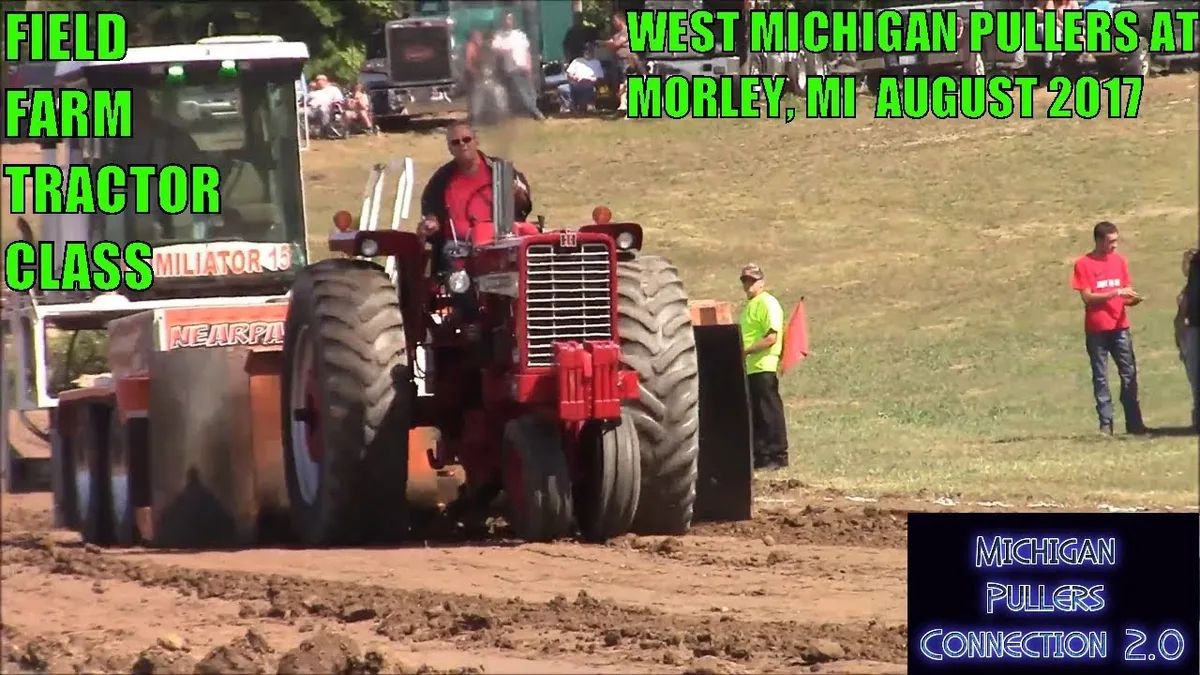
An implement of husbandry is any vehicle or machinery designed and adapted exclusively for agricultural purposes. This includes tractors, combines, balers, and manure spreaders. The key word is exclusively, if the same machine hauls grain to a commercial elevator, it may lose its exempt status.
The Michigan Vehicle Code (MCL 257.66) defines it as a vehicle used primarily in the conduct of agricultural operations. That means plowing, planting, harvesting, or moving feed between farm properties.
YouTube / Michigan Pullers Connection 2.0 (YouTube thumbnail (fair-use with source credit))
Road tractors pulling farm implements are also covered, but only if the entire rig stays within the agricultural use definition. If you’re hauling a trailer of soybeans to a grain elevator, that’s still farm use. If you’re hauling a trailer of gravel for a neighbor’s driveway, it’s not.
Michigan’s Legal Definition and Key Exemptions
The exemption hinges on three tests: design, use, and operation. The vehicle must be built for farm work, used only for farm work, and operated in a way that doesn’t endanger others.
Design means the machine’s primary function is agricultural. A tractor with a front loader is still an implement of husbandry if it’s used to move manure, not to clear snow from a township parking lot.
Use is the trickiest part. The law allows travel on public roads only when it’s necessary to get from one farm property to another. Detours for fuel, repairs, or personal errands can void the exemption.
Operation covers speed, lighting, and markings. As of 2026, Michigan still enforces the 25 mph cap for unregistered farm equipment. Anything faster requires registration, insurance, and compliance with standard vehicle lighting rules.
Road Use Rules for Farm Equipment in Michigan
You can legally drive an implement of husbandry on any public road unless a local ordinance says otherwise. Township and county governments can restrict or ban farm equipment on specific roads, usually for safety reasons.
State highways are generally off-limits unless you have a special permit. The Michigan Department of Transportation (MDOT) can issue permits for oversize or slow-moving farm equipment, but these are rare and require advance planning.
The most common restriction is on limited-access highways like interstates. Farm equipment is never allowed on these roads, even with a permit.
Lighting, Markings, and Visibility Requirements
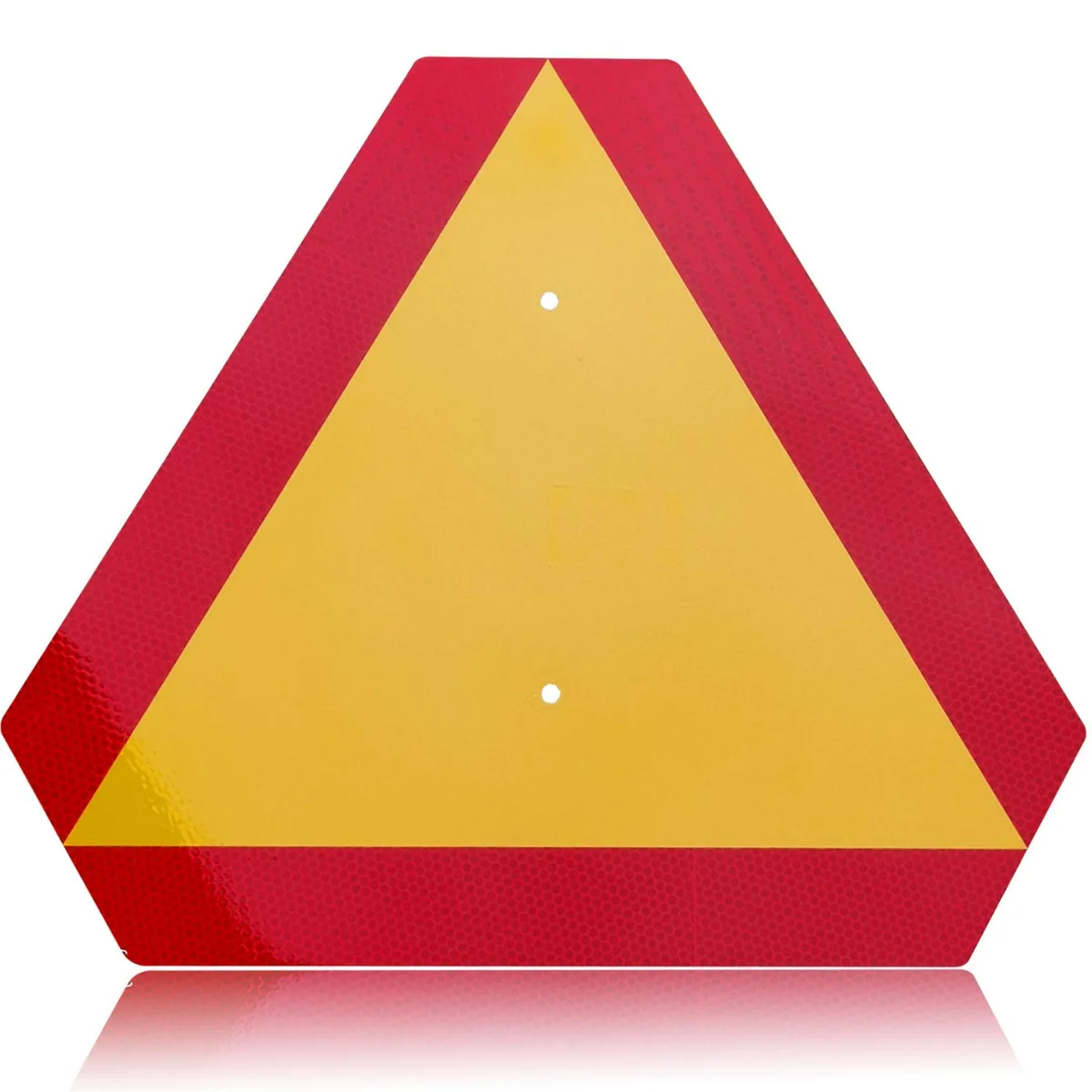
Every implement of husbandry must display a slow-moving-vehicle (SMV) emblem when traveling on public roads. The emblem is a fluorescent orange triangle with a red reflective border. It must be mounted at least 3 feet off the ground and visible from 500 feet in daylight.
Bing (Web (fair-use with source credit))
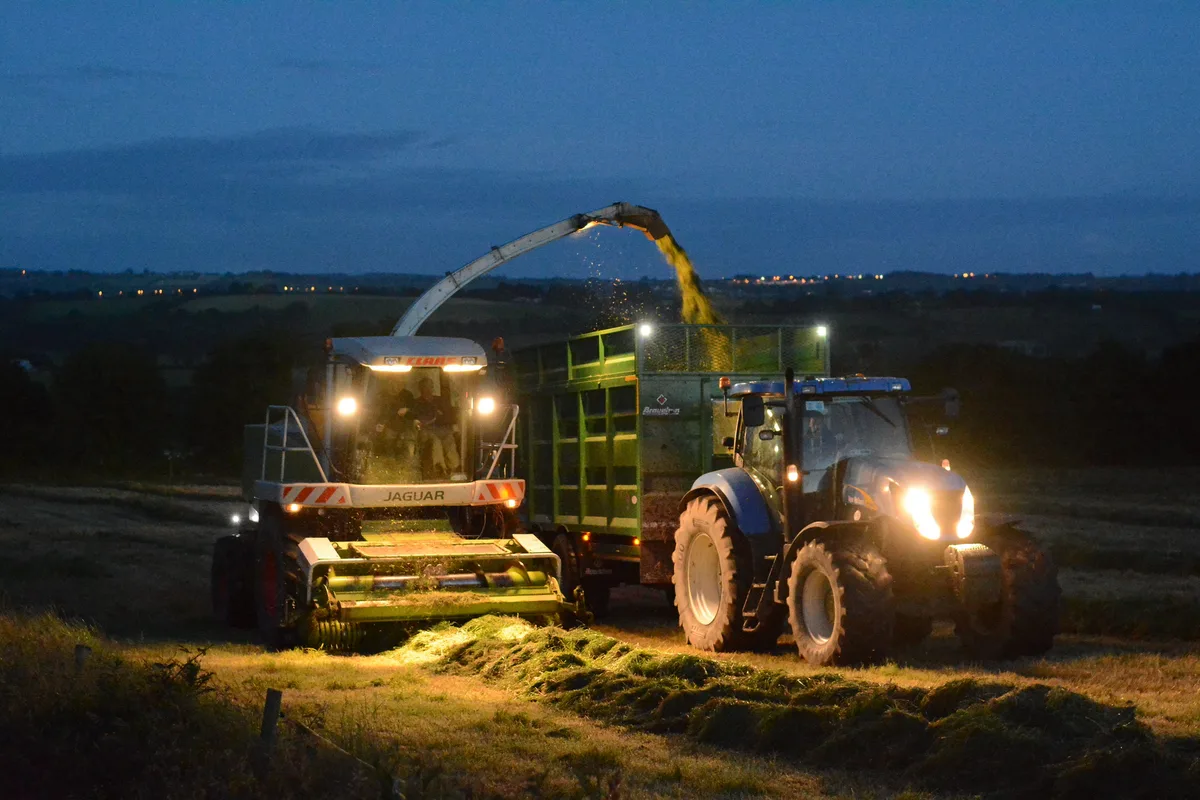
At night, the rules get stricter. You need at least one white headlamp visible from 1,000 feet and one red taillamp visible from 500 feet. If the equipment is wider than the vehicle pulling it, you must add additional lighting to mark the outermost edges.
Bing (Web (fair-use with source credit))
Brake lights are not optional. Any towed implement must have working brake lights that activate when the tow vehicle brakes. This is one of the most common violations cited during roadside inspections.
For more on vehicle safety standards, see the official MDOT guidelines.
Speed Limits and Where You Can (and Can’t) Drive
The 25 mph rule is absolute for unregistered implements. Exceed it, and you’ve just turned your farm tractor into an uninsured, unregistered motor vehicle.
Township roads are usually fair game, but watch for posted restrictions. Some rural townships ban farm equipment during peak traffic hours or on narrow bridges.
State trunkline highways (M- roads) often allow farm equipment, but you may need to call ahead. Avoid any road with a posted weight limit your equipment exceeds, fines start at $100 and climb fast.
Interstates and expressways are off-limits, no exceptions.
Common Mistakes That Lead to Fines or Crashes
Skipping the SMV emblem is the top violation. Without it, other drivers don’t expect a 10 mph vehicle ahead.
Using farm equipment for non-farm tasks voids the exemption. Hauling firewood for sale or grading a neighbor’s driveway turns your tractor into a commercial vehicle.
Ignoring lighting at dusk is another frequent error. Many farmers assume daylight rules apply until full dark. Michigan law requires full lighting from sunset to sunrise.
Overlooking towed implement width is dangerous. If your baler sticks out beyond the tractor’s lights, you need additional markers.
Finally, assuming all rural roads are open is risky. Some townships require permits for any farm equipment over 12 feet wide.
Township vs. State Rules: What Overrides What
State law sets the baseline, but townships can add stricter rules. If Michigan allows farm equipment on a road, a township can still ban it for safety.
Some townships require permits for any farm vehicle over 10 feet wide. Others restrict travel during morning and afternoon school bus routes.
YouTube / driversprep (YouTube thumbnail (fair-use with source credit))
County road commissions also have a say. They can post weight limits or seasonal restrictions, especially during spring thaw when roads are soft.
When You Need Permits or Extra Precautions
Oversize loads always need permits. If your combine or sprayer exceeds 12 feet wide or 14 feet high, you must get MDOT approval.
Seasonal restrictions apply too. During frost law periods (typically March to May), weight limits drop to protect roads.
Night moves require extra lighting. If you must travel after dark, add amber rotating beacons and additional reflectors.
What Happens If You Get It Wrong (Liability, Tickets, Safety Risks)
Operating an unregistered implement on a public road can mean a $100 to $250 fine. If you’re pulled over without an SMV emblem, add another $50 to $150.
The real cost is liability. If your unmarked tractor causes a crash, you’re personally on the hook for damages.
Safety risks are the biggest concern. Slow-moving farm equipment without proper markings is 3 times more likely to be rear-ended.
Quick Checklist Before Moving Farm Equipment on Public Roads
Confirm your route is legal. Check township and county rules for restrictions.
Verify all lighting works. Headlamps, taillamps, brake lights, and turn signals must be functional.
Mount the SMV emblem. It must be clean, unobstructed, and at the correct height.
Check speed limits. Stay under 25 mph unless your equipment is registered and insured.
Inspect towed implements. Wide loads need additional markers and lights.
Confirm your route is legal. Check township and county rules for restrictions.
Verify all lighting works. Headlamps, taillamps, brake lights, and turn signals must be functional.
Mount the SMV emblem. It must be clean, unobstructed, and at the correct height.
Check speed limits. Stay under 25 mph unless your equipment is registered and insured.
Inspect towed implements. Wide loads need additional markers and lights.
Frequently Asked Questions
Do I need a driver’s license to operate farm equipment on the road?
No, Michigan does not require a driver’s license for implements of husbandry. However, you must be at least 16 years old and follow all traffic laws.
Can I drive my tractor on the shoulder of the highway?
No, shoulder travel is illegal for farm equipment. You must stay on the roadway unless pulling over for an emergency.
What’s the fine for missing an SMV emblem?
The fine is typically $50 to $150 for the first offense. Repeat violations can double the penalty.
Are ATVs or UTVs considered implements of husbandry?
Only if they’re used exclusively for agricultural purposes. Recreational use voids the exemption.
Can I haul a trailer with my farm tractor without plates?
Yes, if the entire rig qualifies as an implement of husbandry. The trailer must also be used only for farm work.