ByMax Lee
Michigan Move Over Law: Rules for Emergency Vehicles
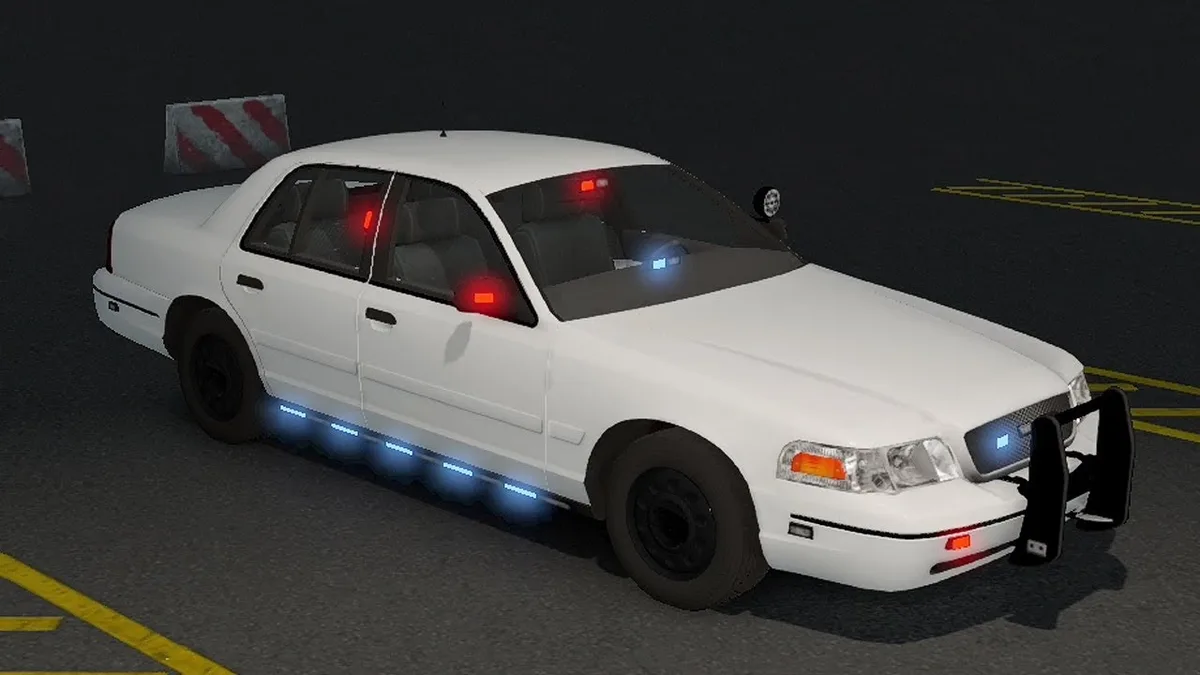
YouTube / FirstThirtyMinutes, Police Video Games and Mods (YouTube thumbnail (fair-use with source credit))
Michigan’s move over law for emergency vehicles exists to protect first responders and roadside workers. The rule is simple: when you see flashing lights, you must move over or slow down. As of 2026, failing to comply can result in fines up to $400 and points on your license.
This law isn’t just about police cars, it covers fire trucks, ambulances, and even tow trucks with amber lights. Understanding the specifics can mean the difference between a safe pass and a costly mistake.
Quick Answer
The Michigan move over law for emergency vehicles requires you to move one lane away if safe. If you can’t, slow down to at least 10 mph below the speed limit. It applies to all emergency and roadside assistance vehicles with flashing lights.
Violations carry fines and license points.
Why This Law Exists (And Why It’s Serious)
Every year, first responders are injured or killed by passing vehicles while working roadside incidents. Michigan’s law directly addresses this risk by mandating drivers take action when approaching emergency scenes.
The National Highway Traffic Safety Administration reports that traffic incidents are a leading cause of line-of-duty deaths for law enforcement. This law reduces those risks by forcing drivers to create a buffer zone.
Who and What the Law Covers
The law applies to any vehicle with flashing red, blue, or amber lights. This includes:
- Police cars
- Fire trucks
- Ambulances
- Tow trucks
- Roadside assistance vehicles

YouTube / REDFLEET Safety Australia (YouTube thumbnail (fair-use with source credit))
It also covers stationary vehicles, meaning if an emergency vehicle is parked with lights on, you must still comply. The law doesn’t distinguish between moving and stopped emergency vehicles.
The Exact Rules: Move Over or Slow Down
When you see flashing lights ahead, you must move over one lane if it’s safe to do so. If traffic or road conditions prevent this, you must slow down to at least 10 mph below the posted speed limit.
This applies on all multi-lane roads, including highways like I-94 and I-75. On divided highways, the rule applies in both directions, even if the emergency vehicle is on the opposite side of the median.
Wikimedia Commons / Ken Lund from Reno, Nevada, USA (CC BY-SA)
The law is clear: you must take action. Ignoring it isn’t just unsafe, it’s illegal.
When You Can’t Move Over—What to Do Instead
If traffic is heavy or you’re in the far lane, you may not be able to move over safely. In this case, the law requires you to slow down by at least 10 mph below the speed limit.
This isn’t optional. Even if you’re in a single-lane road or bridge, you must reduce your speed. The goal is to give emergency workers as much space as possible.
Wikimedia Commons / Steve Shook from Moscow, Idaho, USA (CC BY)
Remember, the law applies 24/7, regardless of weather or visibility. If you see flashing lights, you must react. Similar laws exist in other states, like Delaware’s 20 mph speed reduction requirement when passing vehicles with flashing lights.
Where the Law Applies (And Where It Doesn’t)
This rule is in effect on all public roads in Michigan, including:
- Interstates and highways
- State and county roads
- City streets with multiple lanes
The only exception is when you’re on a single-lane road where moving over isn’t possible. Even then, you must slow down.
It doesn’t matter if the emergency vehicle is on your side of the road or the opposite side of a divided highway. The law still requires you to take action. This is different from some states where the rule only applies when the vehicle is on your side.
Penalties for Breaking the Law in Michigan
A violation is a civil infraction. You’ll face a fine up to $400 and two points on your driving record.
If your actions cause injury or death to an emergency worker, the penalties escalate to criminal charges. This could include reckless driving or vehicular manslaughter.
Common Mistakes Drivers Make (And How to Avoid Them)
Many assume the law only applies to police cars. It covers all emergency vehicles with flashing lights, including tow trucks and ambulances.
Some think they only need to move over if the vehicle is on their side of the road. Michigan’s law applies to both directions on divided highways.
Others believe slowing down is optional if they can’t move over. The law requires both actions when possible.
Finally, some drivers wait until the last second to react. Start slowing down or moving over as soon as you see flashing lights, not when you’re right next to the vehicle.
Real-Life Scenarios: What to Do in These Situations
You’re on I-94 with heavy traffic and see a police car with lights on ahead
Move over one lane if possible. If traffic is too dense, slow down by at least 10 mph below the speed limit.
You’re on a two-lane road with a fire truck parked on the shoulder
Slow down to 10 mph below the limit. You can’t move over, so reducing speed is your only option.
You’re approaching a tow truck with amber lights on the opposite side of a divided highway
Michigan’s law still requires you to move over or slow down. The divided highway rule applies to both directions.
It’s nighttime with poor visibility and you see flashing lights ahead
Begin slowing down immediately. Reduced visibility means you need extra time to react safely.
Frequently Asked Questions
Does the move over law apply to construction vehicles?
No, Michigan’s law specifically covers emergency vehicles and tow trucks with flashing lights. Construction vehicles with amber lights are not included unless they’re providing roadside assistance.
What if I’m in the far left lane and can’t move over?
Slow down to at least 10 mph below the speed limit. The law requires action whether you can move over or not.
Are there any exceptions for bad weather?
No. The law applies 24/7 regardless of weather conditions. In fact, bad weather makes it even more important to slow down and proceed cautiously.
How do I know if a vehicle qualifies under the law?
Look for flashing red, blue, or amber lights. If you see these, the vehicle is covered by Michigan’s move over law.
Can I get a ticket if I slow down but don’t move over?
Yes, if you could have safely moved over but chose not to. The law requires you to move over when possible, and slow down when it’s not.
What if the emergency vehicle is moving?
The law still applies. Whether the vehicle is stationary or in motion, you must move over or slow down when you see flashing lights.
Final Reminder: Stay Safe, Stay Legal
This law protects the people who protect us. First responders rely on drivers to follow these rules to stay safe on the job.
Always scan ahead for flashing lights. React early by moving over or slowing down. It’s not just the law, it’s the right thing to do.