ByMax Lee
Michigan School Bus Stop Law on Divided Highways
The Michigan school bus stop law on divided highways trips up more drivers than almost any other traffic rule in the state. You're cruising down a median-split road, a bus hits its reds up ahead in the opposite lanes, and you freeze. Do you stop or keep rolling?
Per the Michigan Vehicle Code (MCL 257.682), as of 2026, the answer hinges on one thing: a physical barrier. If the divided highway has a barrier separating the directions of travel, drivers on the opposite side don't stop. We'll walk through the exact decision tree so you never guess wrong again.
Quick Answer
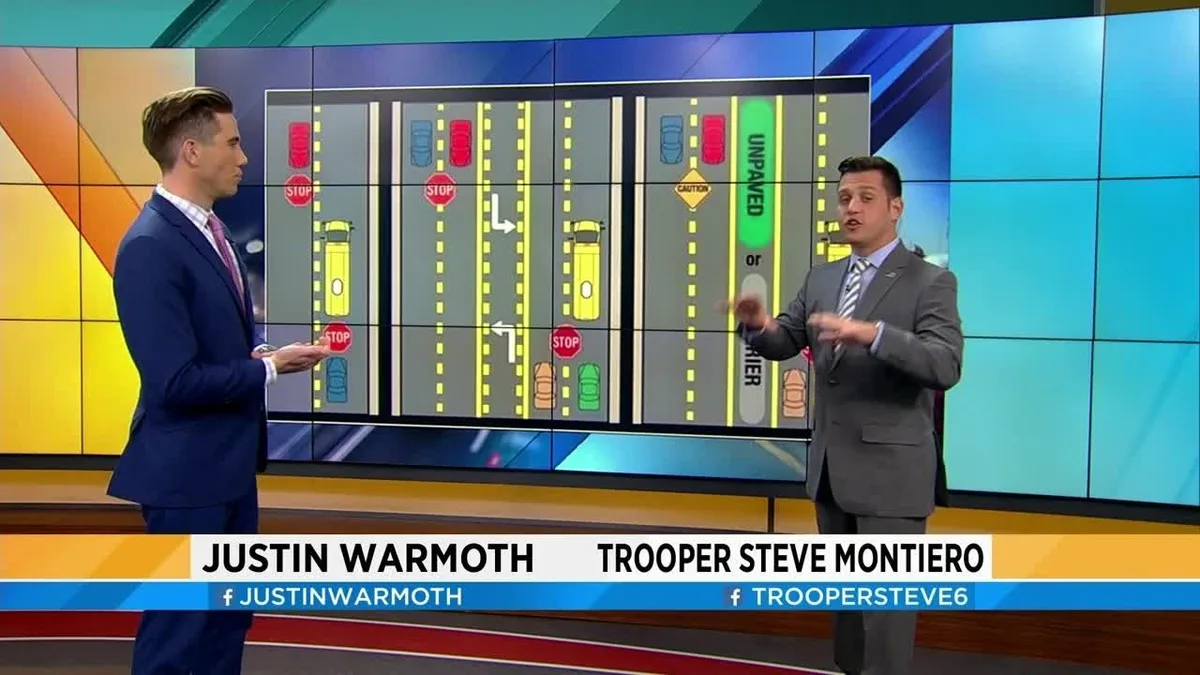
The Michigan school bus stop law on divided highways says you must stop only if you're behind the bus. A physical barrier like a median means oncoming traffic keeps moving. Painted lines alone don't count as a division.
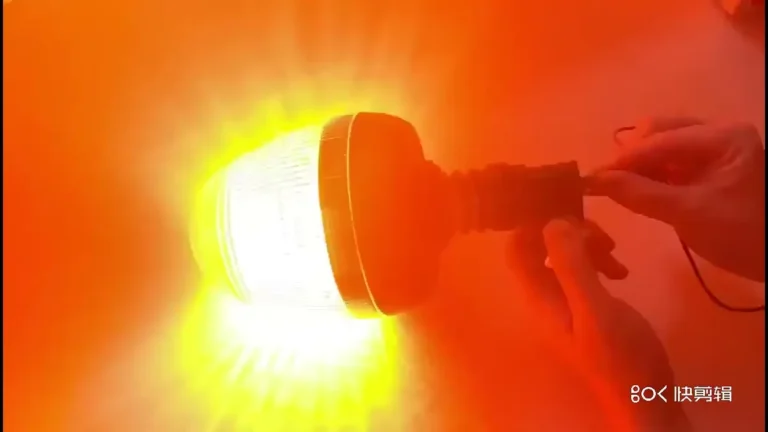
Red flashing lights mean stop, amber means slow down.
What Michigan's Divided Highway Bus Law Actually Means
Michigan's rule lives in the Michigan Vehicle Code under MCL 257.682. That statute controls when a driver must halt for a school bus displaying stop signals.
The law defines a divided highway as a road split by a physical barrier or an unimproved median. A painted double yellow line is not enough. If you can cross the line on foot or by car without hitting something solid, it's not divided under this law.
We've reviewed the statute language and the Michigan State Police traffic guidance. Both confirm the barrier must be a real separation. That means concrete, grass, guardrail, or a similar solid feature.
This matters because the penalty for getting it wrong is steep. A civil infraction carries a fine up to $250 and two points on your license. Pass the extended stop arm and the stakes climb higher.
The Michigan Legislature hosts the full statute if you want the legal wording verbatim.
When You Must Stop: The Divided Highway Decision Tree
Let's make this a clean if/then workflow. You'll rarely need more than three questions to land on the right action.
Is There a Physical Barrier?
First, look at the road. Is there a concrete median, grass strip, or guardrail between your lane and the bus? If yes, the highway is divided under Michigan law.
If there's only paint, you're on an undivided road. The decision tree ends differently there.
Are You Traveling the Same Direction as the Bus?
If you're behind the bus and moving the same way, you stop. No exception. This holds whether the highway is divided or not.
If you're opposite the bus, the barrier decides. A physical barrier means you proceed. No barrier means you stop with everyone else.
What Do the Bus Lights Tell You?
Amber lights mean the bus is preparing to stop. You should slow and ready yourself to halt. Red lights plus the stop arm mean stop now and stay put.
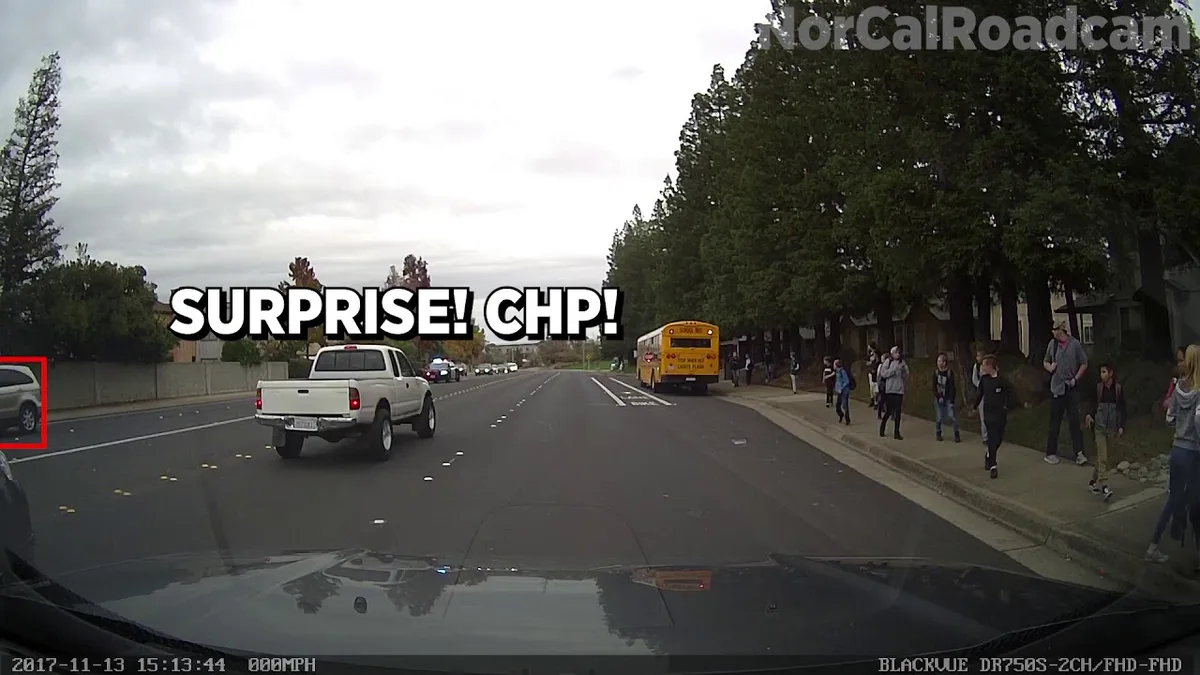
Here's the decision tree in plain steps:
- See amber flashing: slow down, prepare to stop.
- See red flashing and stop arm: stop if same direction or no barrier.
- Opposite direction with physical barrier: keep driving at a safe speed.
- Same direction always: stop until lights clear.
Michigan Vehicle Code Rules for School Bus Stops
The core statute is MCL 257.682. It requires a stop for a bus with extended stop arm and red signals. The divided highway exception is written right into the same section.
Michigan Department of Transportation publishes driver guides that echo the statute. The Michigan State Police enforce it during patrols and bus route checks.
A key point: the bus driver triggers the stop. You don't judge if kids are visible. You react to the lights and arm as installed on the vehicle.
Common Driver Confusion on Divided Roads
Drivers from other states bring bad habits. Some assume any median counts. Others think a center turn lane makes a road divided.
Michigan is strict. A left-turn lane with paint on both sides is undivided. You stop for the bus there.
A raised curb with grass between lanes is divided.
We've seen aggregate complaint data from driver education forums. The top confusion is "what counts as a barrier." The answer is physical, not painted.
Another mix-up is one-way streets. If the road is one-way and the bus is on it, all traffic behind stops. Direction of travel still rules.
Mistakes That Get You Ticketed in Michigan
The most common violation is passing a bus with red lights on an undivided road. Drivers assume the median counts when it doesn’t. Painted lines never qualify as a barrier under the law.
Another frequent error is rolling through a stop behind a bus. You must come to a complete halt. Creeping forward while kids board is still a violation.
Out-of-state drivers get caught by Michigan’s strict interpretation. If you’re visiting, assume you stop unless you see a solid divider.
The fine structure is clear. First offense is up to $250 and two points. Subsequent violations can climb higher.
Courts don’t waive these easily.
Real Scenarios: Divided Highway Bus Stops
I-94 with a concrete median
You’re eastbound, bus is westbound with red lights. The median is a solid barrier. You keep driving.
No stop required.
US-12 with a grass strip
You’re westbound, bus is eastbound with red lights. The grass strip is a physical barrier. You keep driving.
M-59 with double yellow lines
You’re eastbound, bus is westbound with red lights. No barrier exists. You must stop.
Local road with a turn lane
You’re behind the bus, same direction. Red lights flash. You stop regardless of the turn lane.
Quick Reference: Stop or Don't Stop by Road Type
Use this table to settle the question in seconds.
| Road Type | Physical Barrier? | Same Direction as Bus? | Action |
|---|---|---|---|
| Divided highway | Yes | No | Keep driving |
| Divided highway | Yes | Yes | Stop |
| Undivided highway | No | No | Stop |
| Undivided highway | No | Yes | Stop |
Your Decision Guide for Safe Driving
Use this flowchart to make the call in real time.
See a school bus with flashing lights ahead?
- Are you behind the bus? Stop.
- Are you oncoming? Check for a physical barrier.
, Barrier present? Keep driving.
, No barrier? Stop.
Unsure about the barrier?
When in doubt, stop. The risk of a ticket or accident isn’t worth the gamble.
Penalties for Illegal Passing in Michigan
What happens if you pass a stopped school bus?
You face a civil infraction with a fine up to $250 and two points on your license. If you pass on the right side or hit a child, the penalties escalate to criminal charges.
How do stop-arm cameras affect enforcement?
Many Michigan school buses now have cameras that capture license plates of violators. Footage is reviewed by law enforcement and used to issue citations by mail.
Can you contest a school bus passing ticket?
Yes, but the burden is on you to prove the bus wasn’t displaying proper signals or that you weren’t in violation. Camera evidence makes this difficult.
Frequently Asked Questions
Do I stop for a school bus on a divided highway in Michigan?
Only if you’re traveling the same direction as the bus. A physical barrier means oncoming traffic doesn’t stop. Painted lines don’t count as a barrier.
What counts as a physical barrier on a Michigan divided highway?
A concrete median, grass strip, guardrail, or any solid separation between directions of travel. Painted lines or turn lanes don’t qualify.
What’s the fine for passing a school bus in Michigan?
Up to $250 and two points on your license for a first offense. Subsequent violations can be higher. Passing with the stop arm extended can lead to criminal charges.
Can I get a ticket for not stopping behind a bus on a divided highway?
Yes. Same-direction traffic must always stop, even on divided roads. The barrier only affects oncoming traffic.
Do school bus cameras work in Michigan?
Yes. Many districts use stop-arm cameras to catch violators. The footage is admissible in court and often leads to citations.
What do amber lights on a school bus mean?
They signal the bus is preparing to stop. Slow down and be ready to halt. Red lights mean stop immediately.