ByMax Lee
Mississippi Muffler & Exhaust Laws for Passenger Cars
Mississippi muffler and exhaust noise level regulations for passenger cars can be confusing, especially when you’re modifying your vehicle. The state sets clear noise limits, and ignoring them can lead to fines or failed inspections.
As of 2026, Mississippi enforces a 92 decibel limit measured under the SAE J1169 standard. That’s the baseline your exhaust must not exceed.
Wikimedia Commons / Mr.choppers (CC BY-SA)
Quick Answer
Mississippi muffler and exhaust noise level regulations for passenger cars cap sound at 92 dB. This uses the SAE J1169 test standard. The limit applies to all passenger vehicles.
Exceeding it can result in fines. Police enforce this during traffic stops.
What Mississippi’s Muffler and Exhaust Noise Laws Actually Say
Mississippi’s vehicle noise regulations are outlined in Mississippi Code §63-7-13. The law prohibits exhaust systems that amplify or produce excessive noise. This includes modified mufflers or straight pipes that bypass noise reduction.
The key point is that your exhaust must not be louder than the factory setup. Aftermarket systems are allowed, but they must comply with the 92 dB limit. Removing the muffler entirely is illegal.
The Quick Legal Limit for Passenger Cars in Mississippi
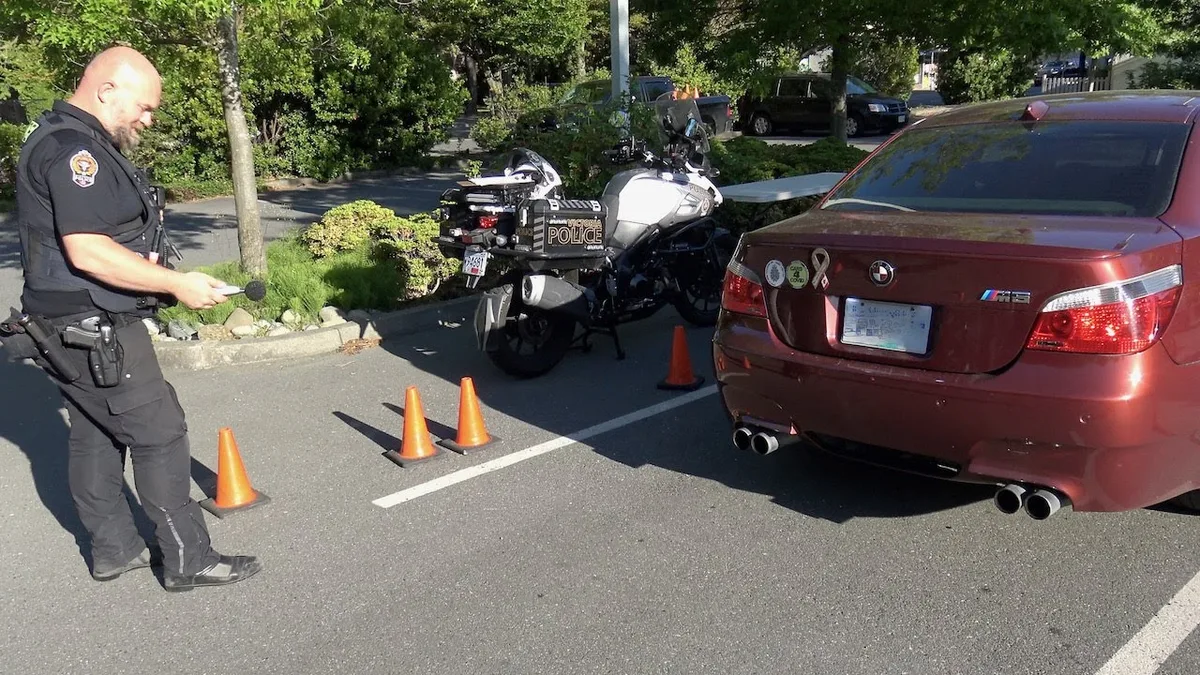
The legal noise limit for passenger cars in Mississippi is 92 decibels. This is measured at 50 feet from the vehicle using the SAE J1169 test procedure. The test involves revving the engine to 3⁄4 of its maximum RPM and recording the loudest sound.
Most stock exhaust systems fall well below this limit, typically in the 70, 80 dB range. Aftermarket exhausts can push closer to the limit, but exceeding 92 dB is a violation.
YouTube / Dewesoft (YouTube thumbnail (fair-use with source credit))
How Exhaust Noise Is Measured (And Why It Matters)
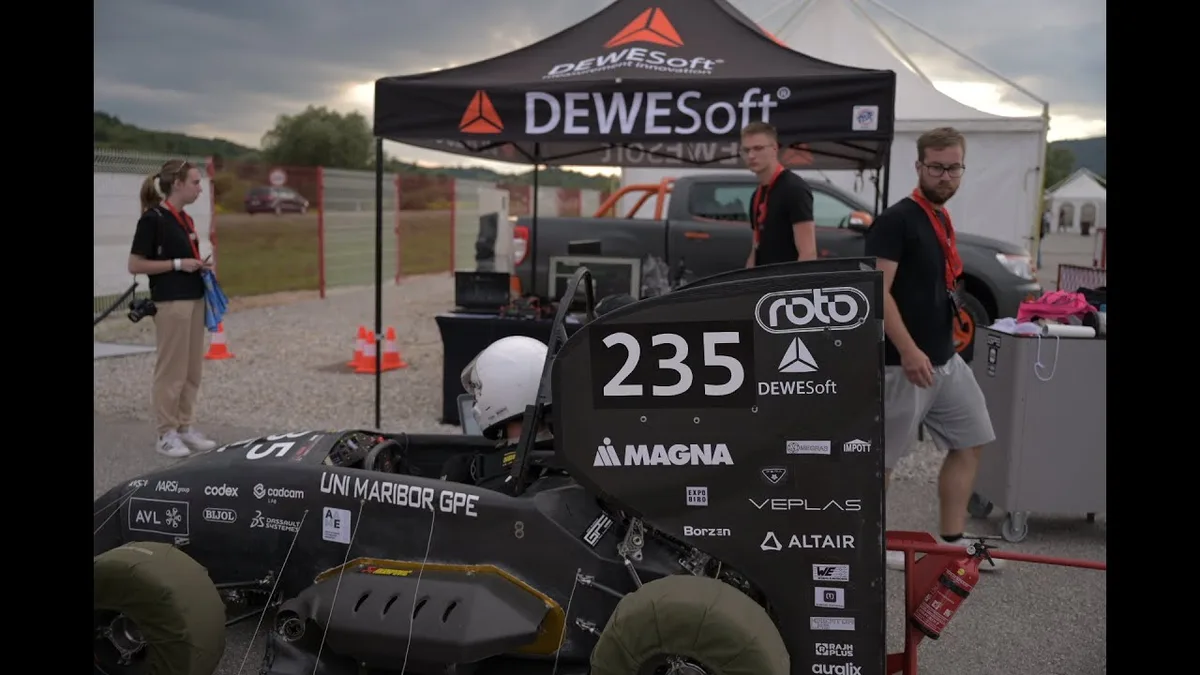
Mississippi uses the SAE J1169 standard to measure exhaust noise. This test requires a sound meter placed 50 feet from the vehicle at a 90-degree angle. The engine is revved to 3⁄4 of its maximum RPM, and the loudest reading is recorded.
The SAE J1169 standard ensures consistency in measurements. Without it, enforcement would be subjective. If you’re modifying your exhaust, make sure it’s tested under this standard to confirm compliance.
What’s Allowed vs. What’s Illegal in Mississippi
Allowed:
- Stock exhaust systems
- Aftermarket mufflers that meet the 92 dB limit
- Performance exhausts with proper noise reduction
Illegal:
- Straight-pipe exhausts (no muffler)
- Muffler deletes
- Any modification that amplifies noise beyond the legal limit
If your exhaust system is louder than stock, it’s likely illegal. Even if it sounds good, it could cost you in fines or failed inspections.

Wikimedia Commons / Ronald Saunders from Warrington, UK (CC BY-SA)
Aftermarket Exhausts: What You Can and Can’t Do
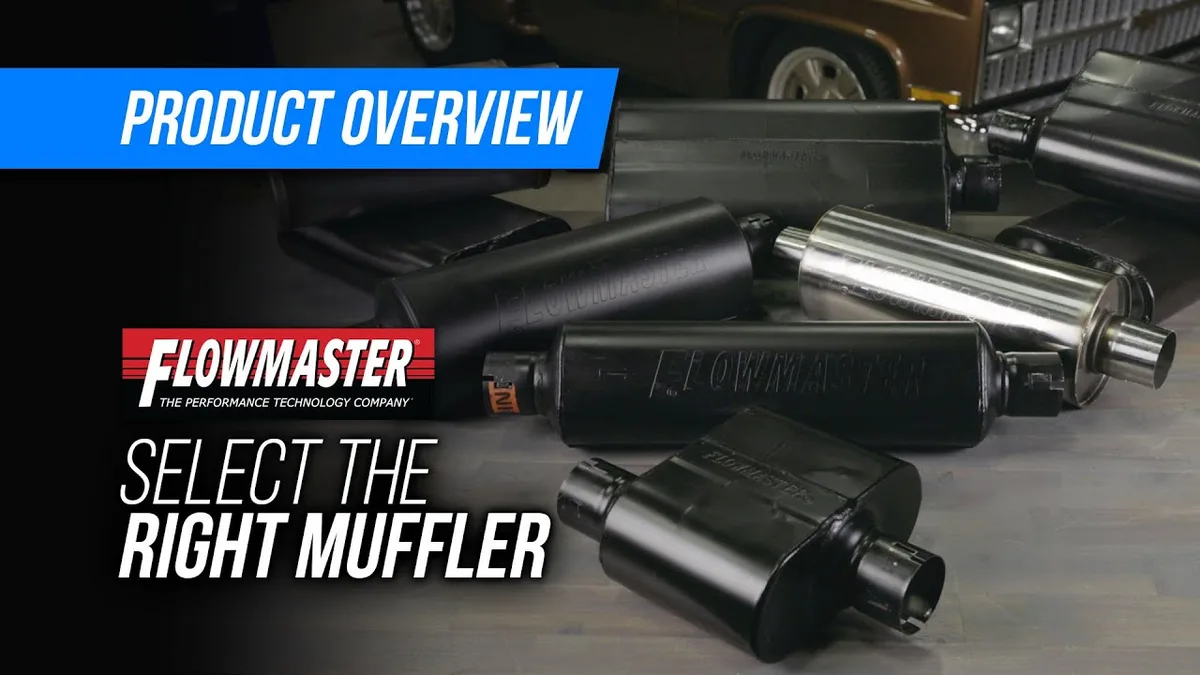
Aftermarket exhausts are popular for improving performance and sound. However, in Mississippi, they must still comply with the 92 dB limit. Brands like Flowmaster, Borla, and MagnaFlow offer systems designed to stay within legal noise levels.
If you’re considering an aftermarket exhaust, check the manufacturer’s specs for noise output. Some performance exhausts are louder than stock, so verify compliance before installing.
YouTube / Flowmaster Inc (YouTube thumbnail (fair-use with source credit))
The Risks of Non-Compliance (Fines, Inspections, and More)
Mississippi takes exhaust noise violations seriously. If your car exceeds the 92 dB limit, you could face a fine. The exact amount varies by county, but it typically ranges from $50 to $200 or more.
Repeated violations may lead to mandatory inspections. Some areas also have local ordinances that add extra penalties.
How Police Enforce Exhaust Noise Laws in Mississippi
Police use sound meters to check exhaust noise during traffic stops. If your car sounds excessively loud, an officer can pull you over and test it on the spot. The SAE J1169 standard ensures the test is fair and consistent.
Some departments also conduct random checks at car meets or along popular cruising routes.
YouTube / West Coast Supercars and Classics (YouTube thumbnail (fair-use with source credit))
Common Mistakes That Get Drivers in Trouble
Many drivers assume any aftermarket exhaust is legal as long as it’s not obnoxiously loud. That’s not true. Even a slightly louder system can push you over the 92 dB limit.
Another common mistake is removing the muffler entirely. This is known as a muffler delete and it’s illegal in Mississippi. Some also modify their exhaust to bypass the catalytic converter, which violates both noise and emissions laws.
How to Check if Your Exhaust Is Legal
The easiest way is to visit a professional exhaust shop. They have the equipment to test your system under the SAE J1169 standard. If you’re buying an aftermarket exhaust, check the manufacturer’s specs for noise output.
You can also do a quick self-check. If your exhaust is noticeably louder than stock, it might be illegal. Listen for deep, rumbling sounds or excessive drone at highway speeds.
Mississippi vs. Neighboring States: Noise Law Differences
Mississippi’s 92 dB limit is more lenient than some neighboring states. Alabama also uses the 92 dB standard, but Tennessee caps noise at 86 dB. Louisiana follows federal guidelines, which are generally stricter.
If you’re driving across state lines, it’s worth checking the local laws.

YouTube / LeeZY Comparisons (YouTube thumbnail (fair-use with source credit))
FAQs About Mississippi Exhaust and Muffler Regulations
Is a straight pipe legal in Mississippi?
No. Straight pipes remove the muffler entirely, which violates Mississippi’s noise limit of 92 dB. Police can ticket you for this modification.
How loud can my car be in Mississippi?
The legal limit is 92 decibels measured at 50 feet using the SAE J1169 test. Most stock exhausts stay well below this, but aftermarket systems may exceed it.
Can I get pulled over for a loud exhaust in Mississippi?
Yes. If an officer suspects your exhaust is too loud, they can test it on the spot. Failing the test typically results in a fine.
Are muffler deletes legal in Mississippi?
No. Muffler deletes remove a key noise-reducing component, making the exhaust louder than the legal limit. This modification is illegal under state law.
What’s the fine for a loud exhaust in Mississippi?
Fines vary by county but usually range from $50 to $200. Repeat offenses may lead to higher penalties or mandatory inspections.
Does Mississippi have emissions testing for exhaust systems?
No. Mississippi does not require emissions testing for passenger vehicles. However, tampering with emissions components like the catalytic converter is still illegal under federal law.
Final Takeaway: Stay Legal and Avoid Headaches
Mississippi’s exhaust noise laws are straightforward. Keep your system under 92 dB, avoid muffler deletes, and stick to compliant aftermarket parts.
Following these rules keeps you on the right side of the law and prevents unnecessary fines. Drive smart and stay legal.