ByMax Lee
Mississippi’s Slow Mover Pull-Out Law Explained
Mississippi's rural roads see their share of tractors, combines, and other farm equipment sharing the pavement with faster-moving cars. The Mississippi slow mover pull out law for rural road safety exists to prevent collisions by clarifying who yields and when. Without it, confusion at intersections or blind curves can turn deadly in seconds.
Per Mississippi Code § 63-3-1201, any vehicle traveling under 25 mph must display a slow-moving vehicle (SMV) emblem and yield to faster traffic when pulling onto a public road. As of 2026, non-compliance can mean fines and liability if an accident occurs.
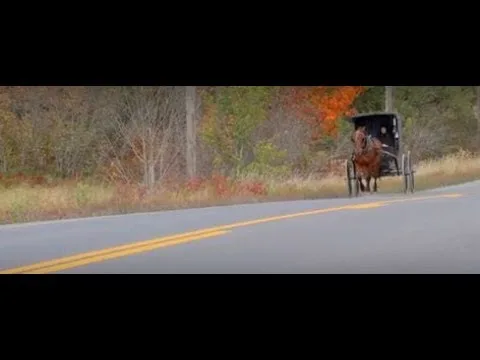
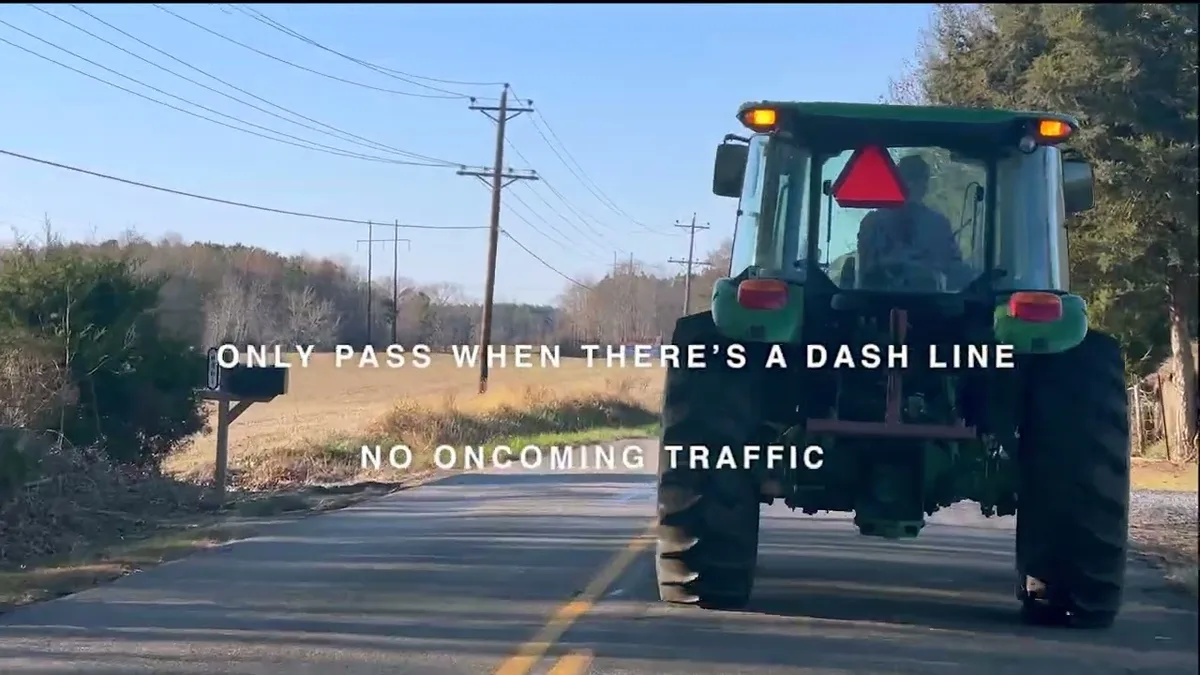
YouTube / VirginiaFarmBureau (YouTube thumbnail (fair-use with source credit))
Quick Answer
The Mississippi slow mover pull out law for rural road safety requires slow-moving vehicles to yield to faster traffic when entering a public road. It applies to any vehicle traveling under 25 mph. These vehicles must display an orange SMV emblem.
The law aims to reduce accidents on rural highways.
Why This Law Exists and Who It Protects
Rural Mississippi roads weren't designed for high-speed traffic mixed with farm machinery. The law protects both farmers and drivers by setting clear rules for visibility and right-of-way.
Farm equipment often moves at 10 to 15 mph. That creates dangerous speed differences with cars doing 55 mph or more. Without the pull-out rule, rear-end collisions become far more likely.
The Mississippi Department of Transportation reports that most rural accidents involving slow-moving vehicles happen at intersections or when faster drivers misjudge distances.
The Exact Rule: When Slow-Moving Vehicles Must Yield
Slow-moving vehicles must yield to oncoming traffic when pulling onto a public road from a field, driveway, or side road. This applies even if the slow-moving vehicle has the right-of-way under normal circumstances.
The rule is straightforward. If your vehicle can't keep up with the flow of traffic, you wait. This includes tractors, combines, and any other machinery operating below 25 mph.
The law doesn't just cover farm equipment. It applies to any vehicle moving slowly enough to impede traffic.
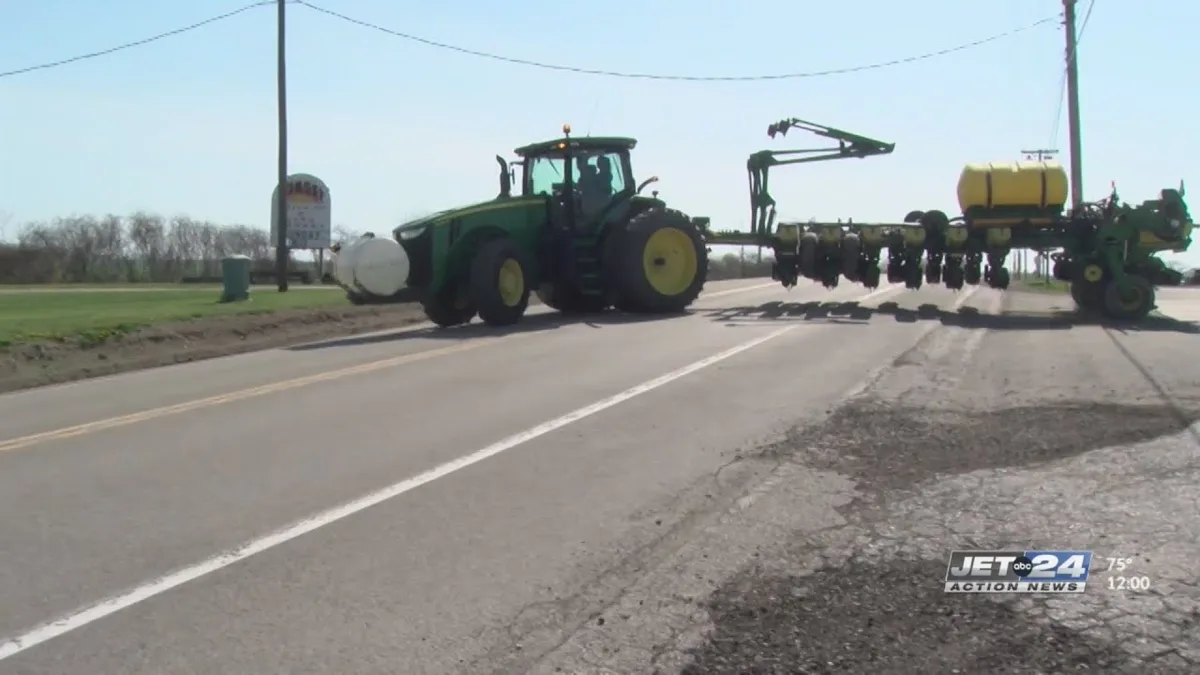
YouTube / JET24-7 (YouTube thumbnail (fair-use with source credit))
If a slow-moving vehicle is already on the road, faster drivers must reduce speed and pass only when safe. But the pull-out rule specifically addresses the moment when slow vehicles enter the roadway.
What Counts as a "Slow-Moving Vehicle" in Mississippi
A slow-moving vehicle is any vehicle traveling at 25 mph or less. This typically includes:
- Tractors and farm machinery
- Combines and harvesters
- Road maintenance equipment
- Animal-drawn carts
- Construction vehicles moving between sites
The key factor isn't the type of vehicle. It's the speed. If it can't maintain at least 25 mph, it's considered slow-moving under Mississippi law.
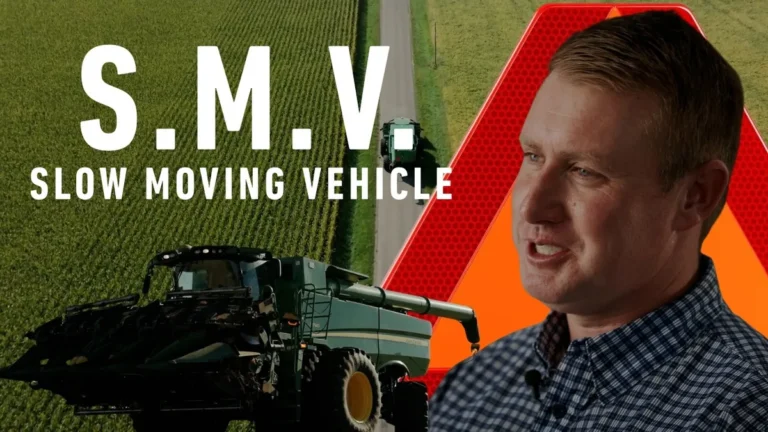
YouTube / HunterPhotography (YouTube thumbnail (fair-use with source credit))
Even some older cars or heavily loaded trucks might qualify if they can't reach 25 mph. The law focuses on safety, not vehicle classification.
Where and When the Law Applies
This rule is in effect on all public roads in Mississippi. It is most critical in rural areas where farm traffic is common. The law applies 24/7, though visibility requirements change at night.
During daylight hours, slow-moving vehicles must display the SMV emblem. After dark, they need additional lighting. Headlights must be visible from 1,000 feet.
Red taillights and reflectors are also required on both sides.
The law doesn't just cover highways. It applies to any public roadway, including county and municipal roads where farm equipment might travel between fields. Seasonal spikes in agricultural activity mean extra vigilance is needed during planting in spring and harvesting in fall.
SMV Emblem and Visibility Requirements You Can't Ignore
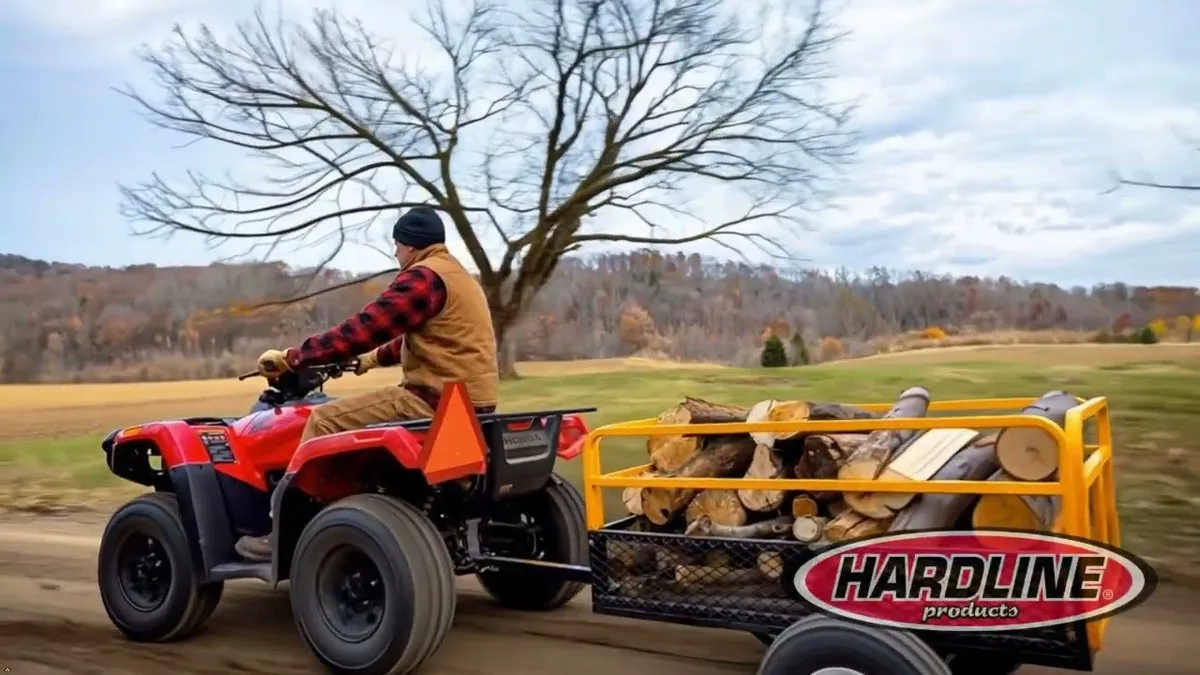
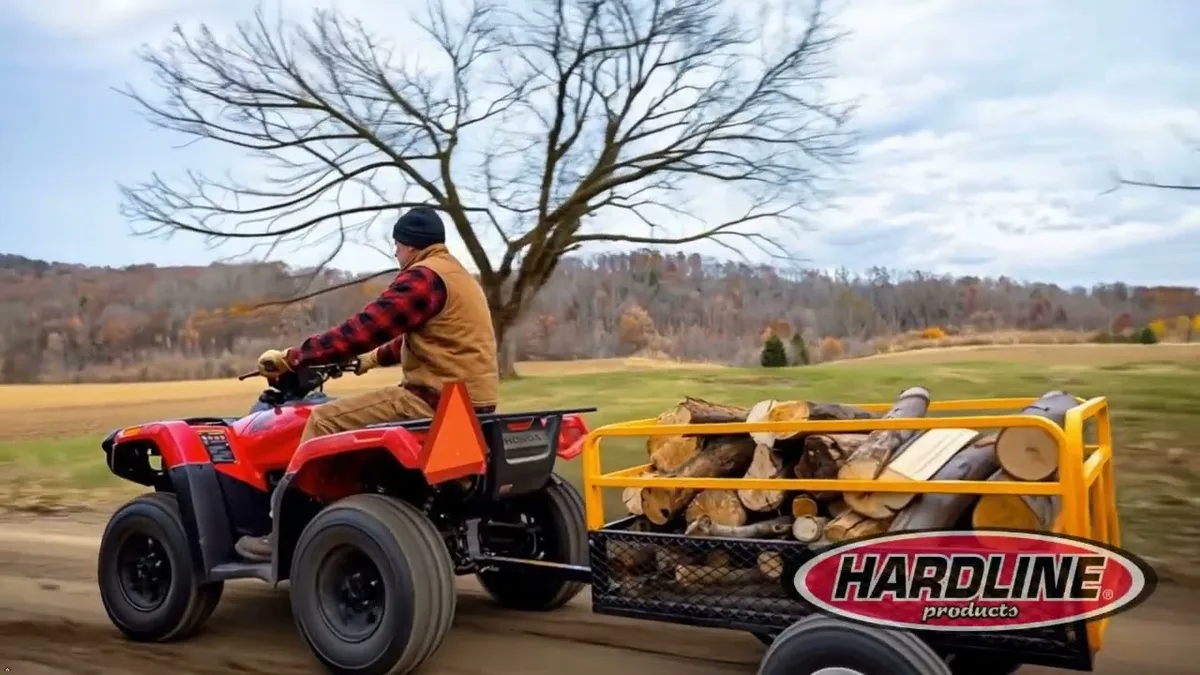
The slow-moving vehicle emblem is a bright orange triangle with a red border. It must be mounted on the rear of any vehicle traveling under 25 mph. This emblem is required by both Mississippi law and federal standards from the Federal Highway Administration.
The emblem must be visible from at least 500 feet in daylight. It should be mounted 2 to 6 feet above the road surface. If the vehicle is wider than the emblem, additional emblems may be needed on both sides.
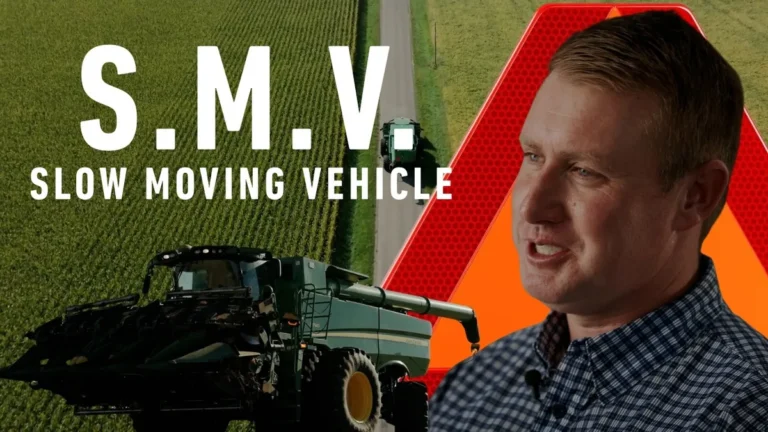
YouTube / Hardline Products® (YouTube thumbnail (fair-use with source credit))
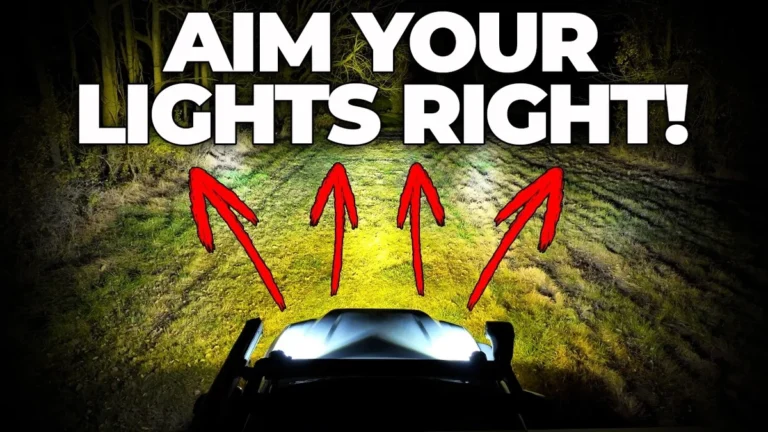
At night, the emblem alone isn't enough. Vehicles must also have working headlights, taillights, and reflectors. White headlights must be visible from 1,000 feet.
Red taillights must be visible from the same distance.
What Drivers Must Do When Approaching Slow-Moving Vehicles
When you see a slow-moving vehicle ahead, reduce your speed immediately. Passing is only allowed when you have a clear view of the road ahead and no oncoming traffic.
Never assume the slow-moving vehicle will pull over. Farmers often can't safely move their equipment off the road. Be patient and wait for a safe passing opportunity.
If you're approaching from behind at night, dim your high beams. Bright lights can blind the operator of slow-moving equipment. Always maintain a safe following distance, at least 3 to 4 seconds behind the vehicle.
Common Mistakes That Lead to Accidents (and Fines)
One of the most common mistakes is failing to display the SMV emblem. Without it, faster drivers may not recognize the vehicle as slow-moving until it's too late. Another frequent error is improper emblem placement, such as mounting it too low or covering it with mud.
Drivers often misjudge the speed of slow-moving vehicles. A tractor moving at 15 mph can seem almost stationary from a distance. This leads to dangerous passing attempts.
YouTube / Hardline Products® (YouTube thumbnail (fair-use with source credit))
Farmers sometimes forget to use turn signals or hand signals when turning. This can confuse drivers behind them. Always signal your intentions, even if your equipment doesn't have standard turn signals.
Real-World Scenarios: Who's at Fault in a Collision?
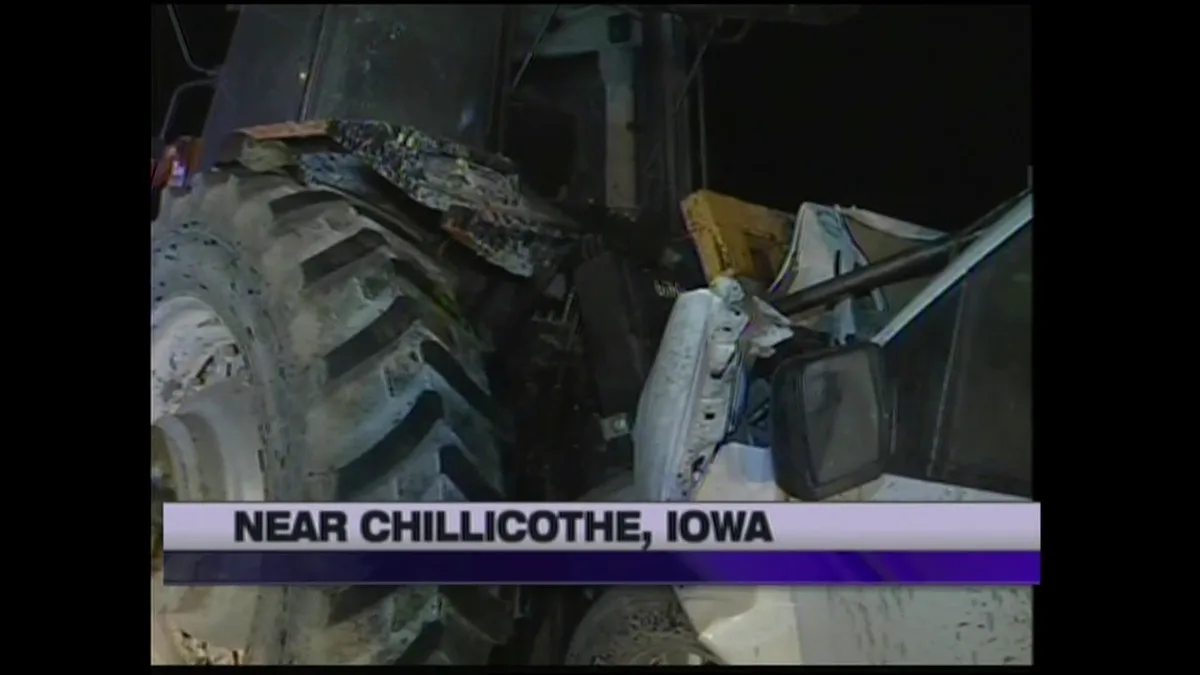
If a car rear-ends a slow-moving vehicle with a properly displayed SMV emblem, the car driver is almost always at fault. The law assumes faster drivers have a duty to maintain a safe following distance.
If the slow-moving vehicle doesn't have an SMV emblem or proper lighting, liability becomes shared. The farmer may be cited for non-compliance. The car driver could still share fault for not adjusting speed.
YouTube / KTVOtv (YouTube thumbnail (fair-use with source credit))
At intersections, the vehicle with the right-of-way depends on traffic signals and signs. Slow-moving vehicles must still yield when pulling onto a road, even if they technically have the right-of-way. Understanding these rules is similar to knowing how Maryland move over law rules for emergency vehicles protect first responders.
Both exist to keep vulnerable road users safe.
Mississippi vs. Neighboring States: How the Rules Differ
Mississippi's 25 mph threshold for slow-moving vehicles is standard across most states. However, some neighboring states have additional requirements.
Alabama requires slow-moving vehicles to pull over when five or more vehicles are lined up behind them. Louisiana mandates that slow-moving vehicles use escort vehicles if they're wider than 12 feet. Mississippi doesn't have these specific rules but still enforces the pull-out and visibility requirements strictly.
| State | SMV Speed Threshold | Escort Requirement | Pull-Over Rule |
|---|---|---|---|
| Mississippi | 25 mph | None | Yield when entering |
| Alabama | 25 mph | None | Pull over after 5 vehicles |
| Louisiana | 25 mph | Yes if wider than 12 feet | Yield when entering |
Penalties for Breaking the Law (For Farmers and Drivers)
Farmers who fail to display the SMV emblem or proper lighting can face fines up to $100. The same penalty applies if the emblem is dirty, obscured, or improperly mounted.
Drivers who collide with a properly marked slow-moving vehicle may be cited for failure to maintain a safe following distance. Fines for this violation can reach $200. Points may also be added to the driver's license.
In cases of injury or property damage, civil liability can far exceed the fine.
Mississippi Highway Patrol enforces these rules strictly during peak agricultural seasons. Officers often patrol rural routes where farm traffic is heaviest.
Pro Tips for Farmers to Stay Safe and Legal
Always check your SMV emblem before moving equipment. Dirt, mud, or damage can make it invisible to other drivers. Clean or replace it if it's not clearly visible from 500 feet.
Use escort vehicles for wide loads. While not always required by Mississippi law, an escort with hazard lights can warn oncoming traffic. This is especially useful on curves or hills where visibility is limited.
Plan your route to avoid high-traffic roads during peak hours. Early mornings and late evenings are safer for moving equipment. Always signal your intentions well in advance, even if it means using hand signals.
What to Do If You're in an Accident Involving Farm Equipment
First, move to a safe location if possible. Turn on hazard lights and set up warning triangles or flares if you have them. Call 911 immediately if there are injuries or significant damage.
Exchange information with the other driver, including insurance details. Take photos of the scene, vehicle damage, and any road signs or markings. Note whether the slow-moving vehicle had proper SMV emblems and lighting.
Do not admit fault at the scene. Mississippi's comparative negligence laws mean fault can be shared. Let law enforcement and insurance companies determine liability based on the evidence.
Reviewing how Michigan mandatory liability insurance limits explained structures coverage can help you understand what protections may apply in your state.
Official Resources and Where to Check for Updates
The Mississippi Department of Transportation (MDOT) provides the most current information on slow-moving vehicle laws. Their website includes updates on road safety regulations and agricultural vehicle requirements.
For specific questions about compliance, contact your local Mississippi Highway Patrol office. They can clarify how the law applies to your equipment and routes.
The MDOT site also offers downloadable guides for farmers. These include checklists for proper vehicle marking and safe road travel tips. The Mississippi State University Extension also publishes seasonal road safety materials for agricultural operators.
Bookmark both pages for quick reference during planting and harvest seasons.
Frequently Asked Questions
Does the slow mover law apply to bicycles in Mississippi?
No. The Mississippi slow mover pull out law specifically targets vehicles traveling under 25 mph that are required to display an SMV emblem. Bicycles are classified differently and don't need the orange triangle.
Can I be fined for a dirty SMV emblem?
Yes. The emblem must be clean and clearly visible at all times. An obscured or faded emblem doesn't meet legal requirements and can result in a citation during a traffic stop.
What is the difference between the pull-out rule and right-of-way rules?
The pull-out rule requires slow vehicles to yield when entering a public road. Right-of-way rules determine who goes first once both vehicles are already on the road. Slow vehicles never have the right-of-way when pulling out.
Do I need special permits to drive farm equipment on highways?
No special permit is required in Mississippi. However, the equipment must meet all visibility and marking requirements, including the SMV emblem and proper lighting. Oversized loads over certain dimensions may need additional signage.
How do I report a vehicle without a proper SMV emblem?
You can report unsafe vehicles to your local Mississippi Highway Patrol post. Provide the location, direction of travel, and a description of the vehicle. Officers patrol rural roads during peak agricultural seasons and take these violations seriously.