ByMax Lee
Mississippi Horse & Carriage Road Sharing Rules
Mississippi horse drawn vehicle and animal rider highway sharing rules can be confusing, but getting them wrong risks fines, accidents, or worse. Whether you're driving a buggy, riding a horse, or sharing the road with them, Mississippi law has clear expectations for visibility, right-of-way, and equipment.
Per Mississippi Code § 63-3-801, animal-drawn vehicles must follow the same traffic rules as motor vehicles where applicable, with added requirements for slow-moving vehicle markers and lighting. Our research confirms that compliance is straightforward once you understand the key statutes.
Quick Answer
Mississippi horse drawn vehicle and animal rider highway sharing rules require slow-moving vehicle emblems. Animal-drawn vehicles must yield to faster traffic when safe. Riders must use proper hand signals.
Night operation demands reflective gear and lighting.
Why Getting This Wrong Can Cost You
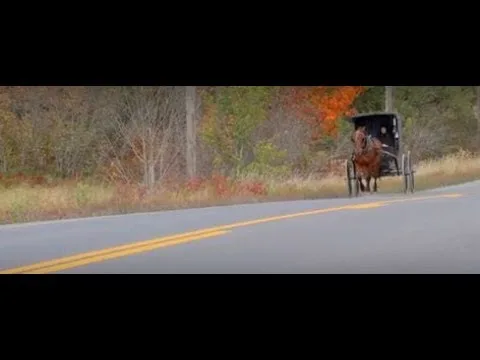
Mississippi's roads see regular use by Amish buggies, farm wagons, and equestrian riders. A collision with a horse-drawn vehicle can total a car, injure animals, and lead to lawsuits. As of 2026, non-compliance with visibility or right-of-way laws can result in fines up to $500.
The risks aren't just legal. Horses can spook at sudden noises or fast-moving vehicles, creating dangerous situations for everyone on the road. Motorists often underestimate how long it takes to stop behind a slow-moving animal.
YouTube / MMGInsurance (YouTube thumbnail (fair-use with source credit))
Mississippi Statutes You Must Know
Mississippi Code § 63-3-801 explicitly permits animal-drawn vehicles on public highways. It also states they must follow all applicable traffic laws, including signaling, yielding, and lane usage. This statute applies to buggies, wagons, and any conveyance pulled by horses, mules, or other animals.
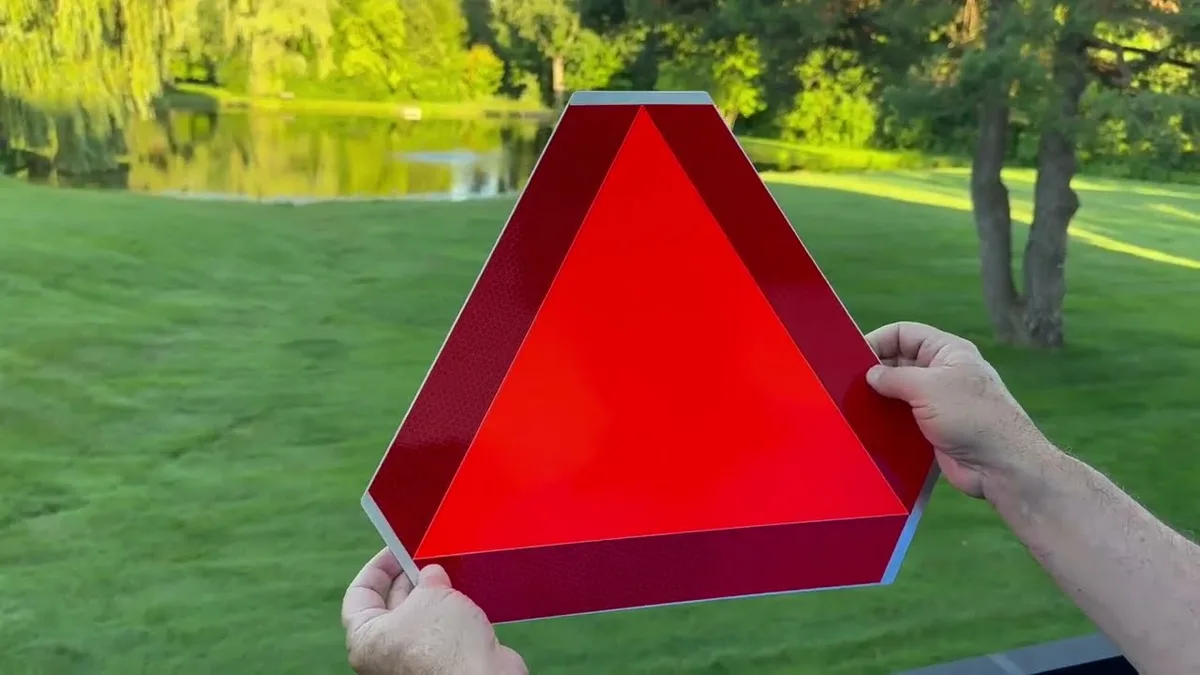
Mississippi Code § 63-3-601 requires slow-moving vehicles to display an orange triangular emblem. This applies to any vehicle traveling under 25 mph. The emblem must be visible from 500 feet when approached from the rear.
YouTube / Highly Recommended Products (YouTube thumbnail (fair-use with source credit))
Mississippi Code § 63-7-13 outlines right-of-way rules. Animal-drawn vehicles and riders must yield to motor vehicles when it's safe to do so, especially on narrow roads or when visibility is limited. Failure to yield can result in liability if an accident occurs.
| Statute | Requirement | Penalty for Violation |
|---|---|---|
| § 63-3-801 | Follow all traffic laws | Up to $500 fine |
| § 63-3-601 | SMV emblem under 25 mph | Up to $250 fine |
| § 63-7-13 | Yield to faster traffic | Liability in accidents |
Who Has the Right-of-Way on MS Roads?
Motorists must pass animal-drawn vehicles at a safe distance and speed. Mississippi law doesn't specify a minimum passing distance, but common practice is at least 3 feet. Some counties enforce wider clearances on narrow roads.
Animal riders and drivers must keep as far right as practicable. On roads with shoulders, they should use them when safe. Don't block traffic when a pullout is available nearby.
Consider [Maryland Move Over Law Rules For Emergency Vehicles] (anchor) for additional context on yielding to emergency responders.
YouTube / KSAT 12 (YouTube thumbnail (fair-use with source credit))
If an animal-drawn vehicle is turning left, it must yield to oncoming traffic. Hand signals are required for turns and stops, just as with bicycles. Never assume a motorist sees you.
Wave or make eye contact at intersections when possible.
Equipment & Visibility Requirements
Mississippi requires an orange slow-moving vehicle (SMV) emblem on the rear of any animal-drawn vehicle. The emblem must be mounted at least 3 feet off the ground and visible from 500 feet. Replace faded emblems promptly.
At night, animal-drawn vehicles need at least one white light visible from 500 feet to the front. They also require two red reflectors or lights visible from 500 feet to the rear. LED kits are affordable and last longer than incandescent bulbs.
YouTube / Golden Eye Loft-Racing Pigeon (YouTube thumbnail (fair-use with source credit))
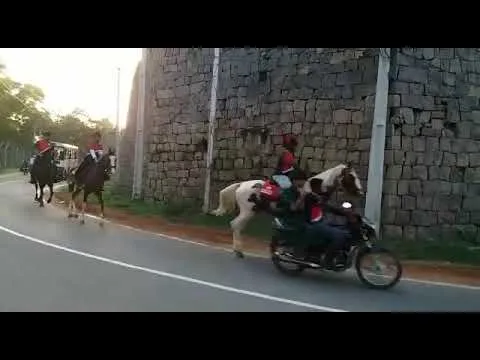
Riders on horseback must use hand signals for turns and stops. Extend your left arm straight out for a left turn. Extend your left arm upward for a right turn.
Extend your left arm downward for a stop. Practice these signals before hitting the road.
YouTube / 13 ON YOUR SIDE (YouTube thumbnail (fair-use with source credit))
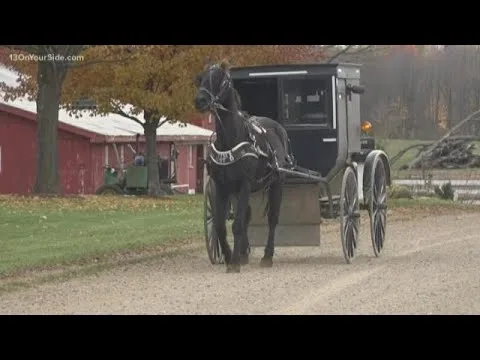
Reflective tape on the animals themselves improves visibility significantly. Wrap legs, tails, and harnesses with retroreflective material. Motorists can spot reflective tape from much farther away than dark-colored animals.
Practical Rules for Sharing the Road
Speed expectations and patience norms for rural Mississippi routes
Motorists should expect vehicles traveling 10 to 15 mph on rural highways. Patience is required when passing horse-drawn conveyances. Slow down and give ample space, especially on narrow roads.
Aggressive passing causes accidents.
Animal riders and drivers must stay to the right whenever possible. Use shoulders when they're wide enough and safe. Don't block traffic when a pullout is available nearby.
Pull out every half mile or so to let backed-up traffic pass.
Pulling over and yielding: when and how to clear the roadway
Yield by pulling onto the shoulder, not into ditches. If no shoulder exists, signal and move as far right as feasible. Wait for a clear stretch of road before proceeding.
Never stop suddenly without signaling first.
Emergency vehicles always have the right-of-way. Pull over completely and stop until the vehicle passes. Never attempt to outrun emergency responders.
[Michigan Trailer Towing Safety Chain Lighting Rules] (anchor) provide useful parallels for equipment safety standards.
Interacting safely with large trucks and buses
Large trucks create wind gusts that can spook horses. Reduce your speed and stay far left within your lane when passing. Give buses at least 6 feet of clearance.
Wind buffers and blind spots make large vehicles especially dangerous near animals.
Truck drivers often have blind spots near intersections. Make eye contact when possible, or wave to confirm you've been seen. Assume motorists may not notice you at all times.
Stay alert and ready to react quickly.
Local Nuances: Rural Roads, Historic Districts, County Ordinances
Rural agricultural corridors see frequent farm equipment and buggy travel. These roads often lack shoulders, making right-of-way decisions critical. County sheriffs may enforce stricter penalties in high-traffic zones.
Stay extra cautious in farming areas during harvest season.
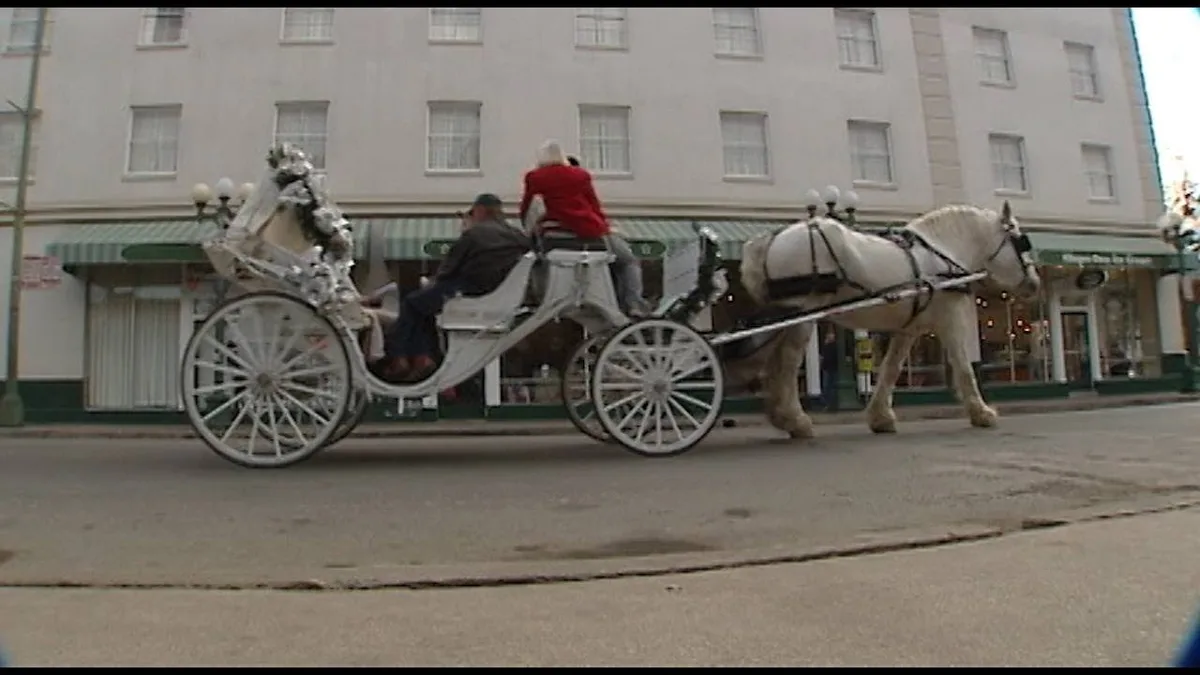
Historic districts like Natchez sometimes have local ordinances requiring additional permits. Tour operators must display visible identification and carry insurance. Verify city regulations before offering carriage rides.
[Best Hose Filter For Car Washing] (anchor) shows how local maintenance standards matter, just as local traffic ordinances do.
YouTube / Dennis the Doughboy (YouTube thumbnail (fair-use with source credit))
County-level variations can affect where you can travel. Some parishes ban animal-drawn vehicles during certain hours. Others require reflective tape beyond state minimums.
Check with your county clerk's office before long trips. Rural routes change frequently, so stay updated on local rules.
Common Mistakes That Lead to Fines or Accidents
Assuming slow vehicles have no speed limits is dangerous. You must still obey posted limits and drive within road conditions. Excessive speed increases accident risk and liability.
Courts hold drivers to reasonable care standards regardless of vehicle type.
Ignoring reflective equipment after sunset invites citations. State law requires lights and reflectors once the sun drops below the horizon. Carry spare bulbs, tape, and a charged flashlight.
Budget-friendly options work just as well as premium brands.
Misunderstanding right-of-way during merging or turning scenarios
Right-of-way isn't automatically granted because you're on a wider lane. Yield when another vehicle is already committed to an intersection. Waiting a few seconds prevents collisions and legal trouble.
Aggressive drivers expect you to yield anyway, so don't challenge them.
Hand signals must be given early enough for others to react. Signal at least 30 feet before a turn on urban streets. On rural roads, signal even earlier due to higher speeds.
Consistent signaling builds predictability and trust on shared roads.
Frequently Asked Questions
Do horse-drawn buggies need a driver's license or vehicle registration?
Yes, drivers need a valid Mississippi driver's license. Registration is required if the vehicle is used for commercial purposes. Private farm use may exempt registration, but local laws vary.
Are there specific hours when animal-drawn vehicles cannot operate?
Some counties restrict operation between dusk and dawn without proper lighting. Rural routes with limited visibility may have additional time-of-day bans. Check county ordinances before night travel.
What happens if a motorist hits a horse-drawn vehicle?
Liability depends on fault, speed, and compliance with equipment laws. If the vehicle lacked required reflectors, the driver may share blame. Always document the scene and exchange information.
Can animal riders use bike lanes or paved trails in Mississippi?
Bike lanes are generally reserved for bicycles only. Paved trails may allow equestrians if posted. Look for signage indicating shared-use permissions before riding.
How quickly do I need to yield to faster traffic?
Yield as soon as it's safe to pull to the right. Don't wait until the last moment. Honking or flashing lights doesn't obligate faster drivers to pass.
What's the cheapest way to meet visibility requirements?
Purchase an SMV emblem from agricultural supply stores. Add reflective tape and a budget-friendly LED light kit. Total cost usually stays under $50.
Do I need insurance for my horse-drawn carriage?
Commercial operators must carry liability insurance. Private owners aren't required to carry insurance in Mississippi. However, uninsured accidents can lead to financial ruin.
Can I ride two horses side-by-side on a highway lane?
No, single-file travel is required in moving traffic. Two-abreast riding is only permitted on shoulders or designated paths. Passing slower groups is allowed when safe.
What penalties apply for non-compliance with Mississippi statutes?
First-time offenses typically result in a fine of $100 to $500. Repeat violations may increase fines and require court appearances. Equipment violations can halt your journey until corrected.
Verified Checklist for Compliance
- Confirm your vehicle meets MS Code § 63-3-601 slow-moving standards
- Equip proper lighting, reflectors, and an SMV emblem per state rules
- Know your right-of-way responsibilities at intersections and on narrow roads
- Carry proof of any required local permits or registrations
- Review county ordinances before traveling outside your home area
Stay informed about [Michigan Horse Carriage Road Sharing Rules] (anchor) for comparative insights. Understanding neighboring states' approaches strengthens your own compliance strategy.
- Confirm your vehicle meets MS Code § 63-3-601 slow-moving standards
- Equip proper lighting, reflectors, and an SMV emblem per state rules
- Know your right-of-way responsibilities at intersections and on narrow roads
- Carry proof of any required local permits or registrations
- Review county ordinances before traveling outside your home area
Stay informed about [Michigan Horse Carriage Road Sharing Rules] (anchor) for comparative insights. Understanding neighboring states' approaches strengthens your own compliance strategy.
Final Recommendation
Follow Mississippi's statutes closely. Install proper lighting and SMV emblems before sunset travel. Yield consistently and use clear hand signals.
Check county-specific rules before longer trips. These steps keep you legal, safe, and respected on shared roads.