ByMax Lee
Missouri Boat & Trailer Registration Guide
Missouri boat and trailer registration requirements and fees can feel like a maze if you don’t know where to start. Whether you’re launching a bass boat on Table Rock Lake or hauling a kayak to the Ozarks, the rules change based on size, power, and how you use it. As of 2026, the Missouri Department of Revenue (DOR) and State Highway Patrol enforce these rules, and missing a step can mean fines or denied access to public ramps.
The good news is most boats and trailers follow a clear workflow: check if yours needs registration, gather the right paperwork, and pay the fee based on length or weight. Non-motorized boats under 12 feet are exempt, but motorized vessels and most trailers aren’t.
Quick Answer
Missouri boat and trailer registration requirements and fees depend on vessel type and trailer weight. Motorized boats and PWCs must register. Non-motorized boats under 12 ft are exempt.
Trailers over 1,800 lbs need plates. Fees start at $15 for boats and $8.50 for trailers.
YouTube / Boat Alert (YouTube thumbnail (fair-use with source credit))
Where to Start: Is Your Boat or Trailer Actually Required to Register?
Missouri doesn’t require registration for every vessel or trailer. The first step is determining whether yours falls under the mandatory categories.
Boats that must register:
- All motorized boats, regardless of size
- Sailboats 12 feet or longer
- Personal watercraft (PWCs like Jet Skis)
Boats that don’t need registration:
- Non-motorized boats under 12 feet (canoes, kayaks, rowboats)
- Boats documented with the U.S. Coast Guard
Trailers that must register:
- Any trailer with a gross vehicle weight rating (GVWR) over 1,800 lbs
- All homemade trailers, regardless of weight
Trailers that don’t need registration:
- Trailers under 1,800 lbs GVWR (unless homemade)
You have 30 days from the date of purchase to register a newly acquired boat or trailer. After that, late fees apply.
The 30-Day Rule and What Happens If You Ignore It
If you don’t register within 30 days, you’ll face a $10 late fee. Operating an unregistered boat or trailer can result in fines from the Missouri State Highway Patrol’s Water Patrol Division. They conduct regular checks at popular launch sites.
Quick Decision Checklist: Registration vs. No Registration Needed
Use this to determine if you need to register:
- Is your boat motorized? → Register
- Is your boat a sailboat 12+ feet? → Register
- Is your boat a PWC? → Register
- Is your boat non-motorized and under 12 feet? → No registration
- Is your trailer over 1,800 lbs GVWR? → Register
- Is your trailer homemade? → Register
- Is your trailer under 1,800 lbs and factory-built? → No registration
Use this to determine if you need to register:
- Is your boat motorized? → Register
- Is your boat a sailboat 12+ feet? → Register
- Is your boat a PWC? → Register
- Is your boat non-motorized and under 12 feet? → No registration
- Is your trailer over 1,800 lbs GVWR? → Register
- Is your trailer homemade? → Register
- Is your trailer under 1,800 lbs and factory-built? → No registration
How Missouri's Registration System Actually Works (It's Not One-Size-Fits-All)
Missouri’s system separates boats and trailers, with different rules for each. The Missouri Department of Revenue (DOR) handles registration, while the State Highway Patrol’s Water Patrol Division enforces compliance on the water.
Boat registration is about water safety and access. Trailer registration is about road safety.
Condition Variables That Change Your Requirements
Your obligations depend on these factors:
- Boat type: Motorized, sail, PWC, or non-motorized
- Boat length: Fees scale with size
- Engine horsepower: Affects some classifications
- Trailer weight: GVWR determines registration and fees
- Residency: Missouri residents vs. out-of-state visitors
Why Boats and Trailers Are Treated Differently
Boat registration ensures vessels meet minimum standards and helps fund waterway maintenance. Trailer registration ensures trailers meet lighting, braking, and weight requirements for highway use.
Reciprocity Rules for Out-of-State Owners
Missouri honors valid registrations from other states for up to 60 consecutive days. After that, you must register in Missouri.
Boat Registration Requirements: What Changes Based on Your Vessel
The type of boat you own determines whether you need to register and how much you’ll pay.
Motorized vs. Non-Motorized: The Biggest Split
Motorized boats must register, no exceptions. Non-motorized boats only need registration if they’re 12 feet or longer.
Length-Based Fee Tiers (With Exact Cost Breakdown)
Fees are based on boat length, measured from end to end over the deck, excluding motors or trailers.
| Boat Length | Annual Fee | 3-Year Fee |
|---|---|---|
| Under 12 ft (non-motorized) | $0 | $0 |
| 12–16 ft | $15 | $45 |
| 16–26 ft | $25 | $75 |
| 26–40 ft | $50 | $150 |
| Over 40 ft | $100 | $300 |
3-year registration is optional and offers a slight discount compared to renewing annually.
PWC and Jet Ski Specific Rules
Personal watercraft (PWCs) must register. The fee is $25 annually, regardless of size.
PWC operators must be at least 14 years old. Anyone under 16 must complete a boater education course. PWCs must have a lanyard-type engine cutoff switch.
When Permanent Registration Is Your Best Bet
Missouri offers permanent registration for non-motorized boats under 12 feet. This is a one-time $35 fee with no renewals. It’s ideal for canoes, kayaks, or rowboats you plan to keep long-term.
Trailer Registration Requirements: Weight Is the Deciding Factor
Trailer registration in Missouri hinges on weight. The gross vehicle weight rating (GVWR) determines whether you need to register and how much you’ll pay.
YouTube / Boat Alert (YouTube thumbnail (fair-use with source credit))
When a Trailer Needs a License Plate (and When It Doesn’t)
Your trailer needs a license plate if:
- It has a GVWR over 1,800 lbs
- It’s homemade, regardless of weight
Factory-built trailers under 1,800 lbs don’t need registration or plates. However, they must still meet safety requirements like lighting and reflectors if used on public roads.
Homemade vs. Manufacturer-Built Trailer Rules
Homemade trailers must pass a safety inspection by the Missouri State Highway Patrol. They must display a homemade trailer inspection sticker and register regardless of weight.
Manufacturer-built trailers only need registration if they exceed 1,800 lbs GVWR.
GVWR Brackets and Your Exact Fee
| GVWR | Annual Fee | 3-Year Fee |
|---|---|---|
| Under 1,800 lbs | $0 | $0 |
| 1,801–3,000 lbs | $10 | $30 |
| 3,001–5,000 lbs | $12 | $36 |
| Over 5,000 lbs | $15 | $45 |
Special Cases: Utility, Cargo, and Boat-Specific Trailers
Boat trailers follow the same weight-based rules as other trailers. Utility and cargo trailers are treated the same as boat trailers for registration purposes.
Step-by-Step: Registering Your Boat or Trailer in Missouri
Start by gathering the required documents. For new boats or trailers, you’ll need the manufacturer’s certificate of origin (MCO) and bill of sale. For used ones, bring the signed title from the previous owner.
For trailers, bring the title or a bill of sale if it’s new. Homemade trailers require a completed application plus a safety inspection certificate.
YouTube / Boat Alert (YouTube thumbnail (fair-use with source credit))
Gathering the Right Documents Before You Apply
Here’s what you’ll need for each scenario:
New boat or trailer:
- Manufacturer’s Certificate of Origin (MCO)
- Bill of sale
- Completed application form
Used boat or trailer:
- Signed title from the previous owner
- Bill of sale
- Completed application form
Homemade trailer:
- Safety inspection certificate
- Bill of sale or affidavit of ownership
- Completed application form
Online, In-Person, or By Mail — Which Route Works Best
Missouri offers three ways to register:
Online: Fastest option for renewals only.
In-person: Visit your local Missouri DOR license office. This is the quickest way for new registrations. You’ll get your decals or plates immediately.
By mail: Send your application and documents to the address on the form. Processing takes 10 to 14 business days.
What Happens at the County Assessor's Office
At the office, you’ll submit your documents and pay the fees. The clerk will verify your information and issue your registration decals for boats or license plates for trailers.
For boats, you’ll receive a registration certificate and decals. For trailers, you’ll get a license plate and registration certificate.
Receiving and Placing Your Decals and Plates
Boat decals must be displayed on both sides of the bow, above the waterline. They should be clearly visible and not obstructed. The registration numbers must be painted or attached to both sides of the bow in block letters at least 3 inches high.
Trailer license plates must be mounted on the rear of the trailer, centered and clearly visible.
Renewal Process (And How to Avoid Last-Minute Rushes)
Boat and trailer registrations expire annually or every three years. You’ll receive a renewal notice by mail about 60 days before expiration.
Renew online, by mail, or in person. Set a calendar reminder to avoid late fees.
Titling vs. Registration: Don't Confuse the Two
Titling and registration serve different purposes. A title proves ownership, while registration grants legal permission to use the boat or trailer.
YouTube / Boat Alert (YouTube thumbnail (fair-use with source credit))
Which Vessels Require a Title in Missouri
Missouri requires titles for:
- All motorized boats
- All sailboats 12 feet or longer
- All trailers with a GVWR over 3,000 lbs
Non-motorized boats under 12 feet and trailers under 3,000 lbs don’t need titles.
What a Title Proves (And What It Doesn't)
A title establishes legal ownership. It includes the owner’s name, vessel details, and any liens. It doesn’t grant permission to operate the boat or trailer.
How to Title a Boat or Trailer — The Basic Flow
The titling process is similar to registration. You’ll need:
- Proof of ownership (MCO, previous title, or bill of sale)
- Completed title application
- Payment of title fee ($8.50 for boats, $8.50 for trailers)
Submit these to your local DOR office. You’ll receive your title by mail within 10 to 14 business days.
Exact Costs: What You'll Pay for Registration and Titling
Fees vary based on boat length and trailer weight.
YouTube / Boat Alert (YouTube thumbnail (fair-use with source credit))
Boat Fee Table by Length
| Boat Length | Annual Fee | 3-Year Fee |
|---|---|---|
| Under 12 ft (non-motorized) | $0 | $0 |
| 12–16 ft | $15 | $45 |
| 16–26 ft | $25 | $75 |
| 26–40 ft | $50 | $150 |
| Over 40 ft | $100 | $300 |
Trailer Fee Table by Weight
| GVWR | Annual Fee | 3-Year Fee |
|---|---|---|
| Under 1,800 lbs | $0 | $0 |
| 1,801–3,000 lbs | $10 | $30 |
| 3,001–5,000 lbs | $12 | $36 |
| Over 5,000 lbs | $15 | $45 |
Additional Fees (Transfers, Name Changes, Late Penalties)
- Title fee: $8.50 (boats and trailers)
- Transfer fee: $8.50
- Name change fee: $8.50
- Late fee: $10 (after 30 days)
- Homemade trailer inspection: $10
Multi-Year Registration Savings Breakdown
Choosing a 3-year registration saves time. You’ll pay the annual fee multiplied by three but won’t have to renew as often.
Common Mistakes Missouri Boaters and Trailer Owners Make
Even with clear rules, people often stumble over the same issues.
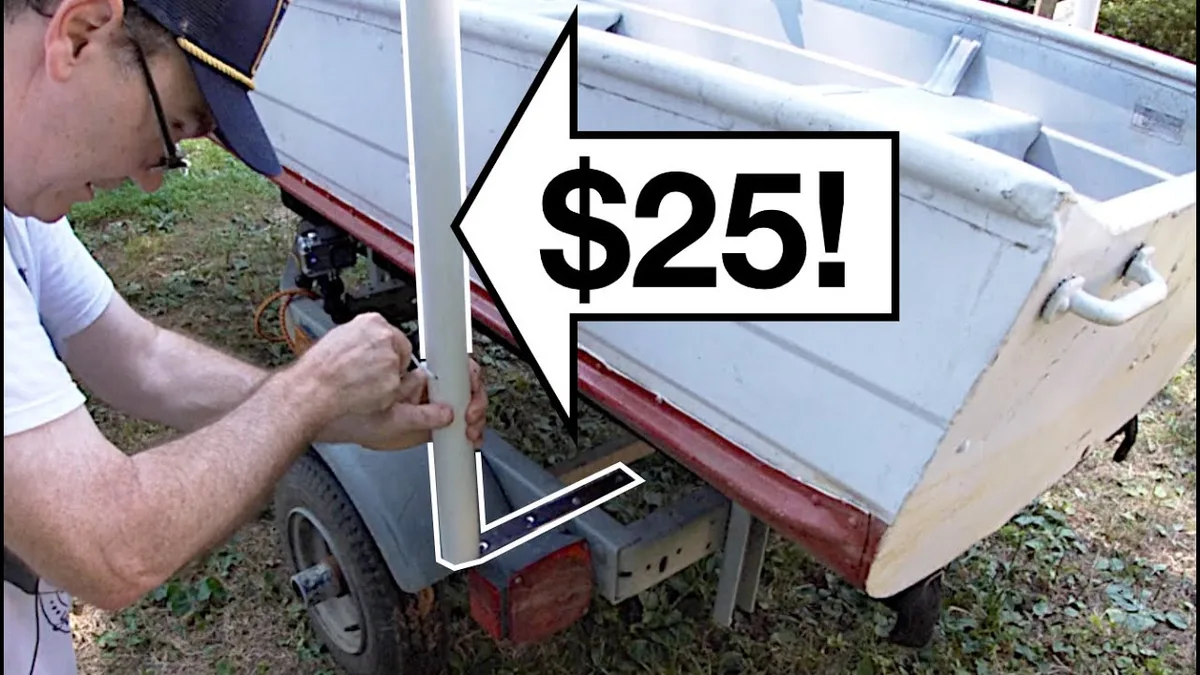
YouTube / Boat Alert (YouTube thumbnail (fair-use with source credit))
Skipping Renewal and Getting Stuck With Late Fees
The most common mistake is letting registration lapse. You have a 30-day grace period after expiration to renew without penalty. After that, you’ll owe a $10 late fee.
Mixing Up Registration With Titling
Registration and titling are separate processes. You need both for most motorized boats and larger trailers. Skipping the title means you don’t have legal proof of ownership.
Wrong Length or Weight Reporting
Fees are based on accurate measurements. Reporting the wrong length for your boat or GVWR for your trailer can lead to incorrect fees or registration denial.
Measure your boat from end to end over the deck. For trailers, use the manufacturer’s GVWR, which is usually on a plate or in the owner’s manual.
Assuming Out-of-State Registration Covers You
Missouri honors out-of-state registrations for up to 60 consecutive days. After that, you must register in Missouri.
Homemade Trailer Headaches (and How to Avoid Them)
Homemade trailers require a safety inspection before registration. Schedule an inspection with the Missouri State Highway Patrol. They’ll check lighting, brakes, and structural integrity.
The inspection costs $10 and is mandatory.
Real Scenarios: Navigating Registration in Practice
Scenario A: New Boat Purchase at a Dealership
The dealer often handles the initial paperwork. You’ll still need to complete the registration process within 30 days. Bring the MCO and bill of sale to your local DOR office.
Scenario B: Buying a Used Boat From a Private Seller
You’ll need the signed title from the previous owner. If the boat is motorized or over 12 feet, you must register it. Submit the title, bill of sale, and completed application to the DOR.
Scenario C: Registering a Homemade Boat Trailer
Schedule a safety inspection with the Missouri State Highway Patrol first. After passing, bring the inspection certificate, bill of sale, and application to the DOR. Pay the registration fee based on GVWR.
Scenario D: Out-of-State Resident Boating on Lake of the Ozarks
Your home state registration is valid for 60 consecutive days. After that, you must register in Missouri.
Staying Compliant: Safety, Legal, and Long-Term Maintenance
Required Safety Equipment Beyond Registration
Missouri requires all boats to have a US Coast Guard-approved life jacket for each person on board. Boats 16 feet or longer must carry a throwable flotation device. Fire extinguishers are required for motorized boats.
Proper Decal and Plate Placement Rules
Boat registration numbers must be displayed on both sides of the bow. They should be at least 3 inches high and in block letters. Trailer plates must be mounted on the rear, centered and visible.
Updating Your Registration After a Sale or Move
If you sell your boat or trailer, remove the decals or plates. The new owner must register it in their name. If you move, update your address with the DOR within 30 days.
Keeping Records So Renewal Is Stress-Free
Save your registration certificate and renewal notices. Set reminders for renewal deadlines to avoid late fees.
Frequently Asked Questions
Do I need to register a kayak or canoe without a motor?
No. Non-motorized boats under 12 feet are exempt from registration in Missouri.
How much does it cost to register a 16-foot boat in Missouri?
A 16-foot boat costs $25 annually or $75 for three years.
Can I register my boat online in Missouri?
New registrations require in-person or mail submission. Renewals can be done online.
How long does a Missouri boat registration last?
Boat registrations last one year or three years, depending on what you choose.
Do I need a separate plate for my boat trailer?
Yes if it’s over 1,800 lbs GVWR or homemade. Factory-built trailers under 1,800 lbs don’t need plates.
What happens if I buy a boat from another state?
You have 30 days to register it in Missouri. Bring the out-of-state title and bill of sale to the DOR.