ByMax Lee
Missouri Car Exhaust Noise Laws Explained
YouTube / Valvetronic Designs (YouTube thumbnail (fair-use with source credit))
Missouri muffler and exhaust noise level regulations for passenger cars center on a 92-decibel limit measured under SAE J1169 testing procedures. If you've ever heard a car that sounds like it's missing something, it probably is. The state requires all passenger vehicles to have a functioning muffler and prohibits modifications that create excessive noise.
Getting this wrong can cost you. Fines start around $100 and climb higher for repeat offenses. In our research, we found many drivers don't realize their aftermarket exhaust may already violate state law.
This guide explains the rules, how they're enforced, and what you need to do to stay legal as of 2026.
What Missouri's Muffler and Exhaust Noise Laws Actually Say
Missouri law is clear: every passenger vehicle must have a working muffler. The statute also prohibits exhaust systems that release gases in a way that creates unreasonable noise. This means no straight pipes, no muffler deletes, and no systems that bypass noise-reduction components.
The key standard is SAE J1169, which defines how exhaust noise should be measured. It specifies microphone placement, engine RPM, and testing conditions. Without this standard, enforcement would be inconsistent.
Here's what the law requires:
- A factory or equivalent muffler must be present and functional
- No tampering with emissions control devices
- Exhaust systems must not create excessive noise
Local municipalities can adopt stricter rules. Some counties lower the decibel threshold in residential areas.
Quick Answer: Is Your Exhaust Legal in Missouri?
Yes, if it meets these conditions:
- Your vehicle has a functioning muffler
- No straight-pipe or muffler delete modifications exist
- The system doesn't exceed 92 dB under SAE J1169 testing
No, if any of these apply. A missing muffler or perforated pipe that lets raw exhaust escape is an automatic violation. So is an aftermarket system that pushes sound levels above the legal limit.
How Missouri Measures Exhaust Noise (And Why It Matters)
Sound measurement follows SAE J1169, which eliminates variables like wind or background noise. The test places a calibrated meter 30 centimeters from the exhaust outlet at a 45-degree angle. The engine runs at idle, then accelerates to about 2,500 RPM.
This method matters because it creates consistent, repeatable results. Without standardization, one officer's "too loud" could be another's "sounds fine."
YouTube / Sasquatch Smuggler (YouTube thumbnail (fair-use with source credit))
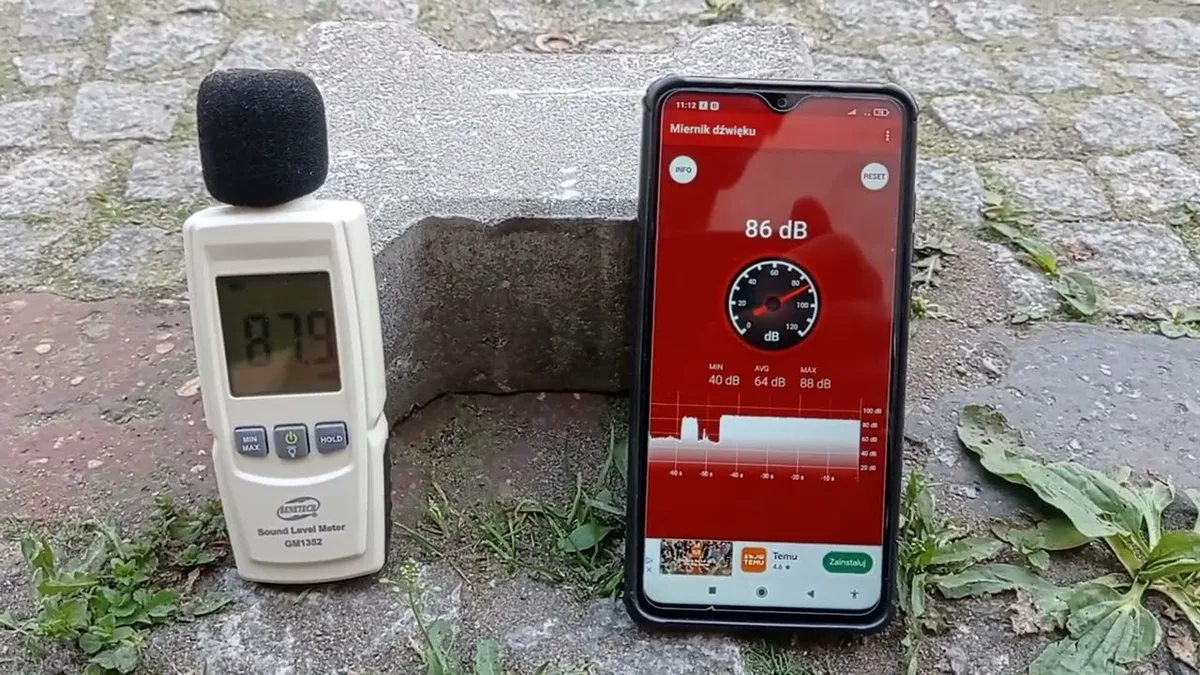
Phone apps can give rough estimates, but they're not legally valid. For official results, visit a professional inspection station.
Missouri’s Legal Decibel Limits for Passenger Cars
The state baseline is 92 dB(A) measured at the exhaust outlet using SAE J1169. Some sources round this to 95 dB, but 92 is the official threshold. Anything above that is technically a violation.
Here's how common setups compare:
| Exhaust Type | Typical dB Range | Likely Legal? |
|---|---|---|
| Factory stock | 72–78 dB | Yes |
| Mild aftermarket | 78–85 dB | Usually yes |
| Aggressive aftermarket | 85–95 dB | Borderline |
| Straight pipe | 95–105+ dB | No |
| Race-only | 100+ dB | Illegal on public roads |
Larger engines naturally produce more noise. A V8 at 3,000 RPM will read higher than a four-cylinder at the same throttle position.
Stock vs. Aftermarket Exhausts: What’s Allowed and What’s Not
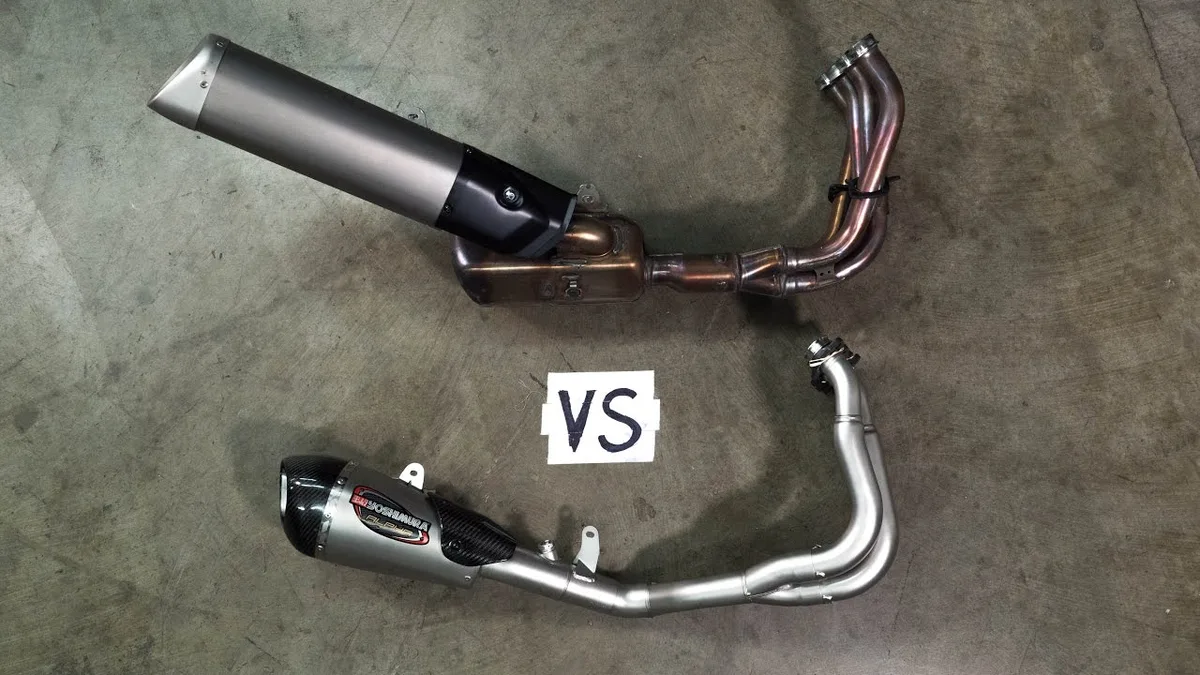
Stock systems meet both emissions and noise requirements from the factory. Aftermarket options vary widely in legality.
- Cat-back systems (behind catalytic converter) are usually legal if they retain a muffler
- Header-back systems often remove the catalytic converter, making them illegal
- Muffler deletes are explicitly prohibited
- Performance tips that don't affect sound are generally fine
YouTube / Motorcyclist Magazine (YouTube thumbnail (fair-use with source credit))
Many aftermarket parts lack clear legality labeling. When in doubt, verify with the manufacturer or a professional installer.
Straight Pipes, Muffler Deletes, and Other Mods That’ll Get You Fined
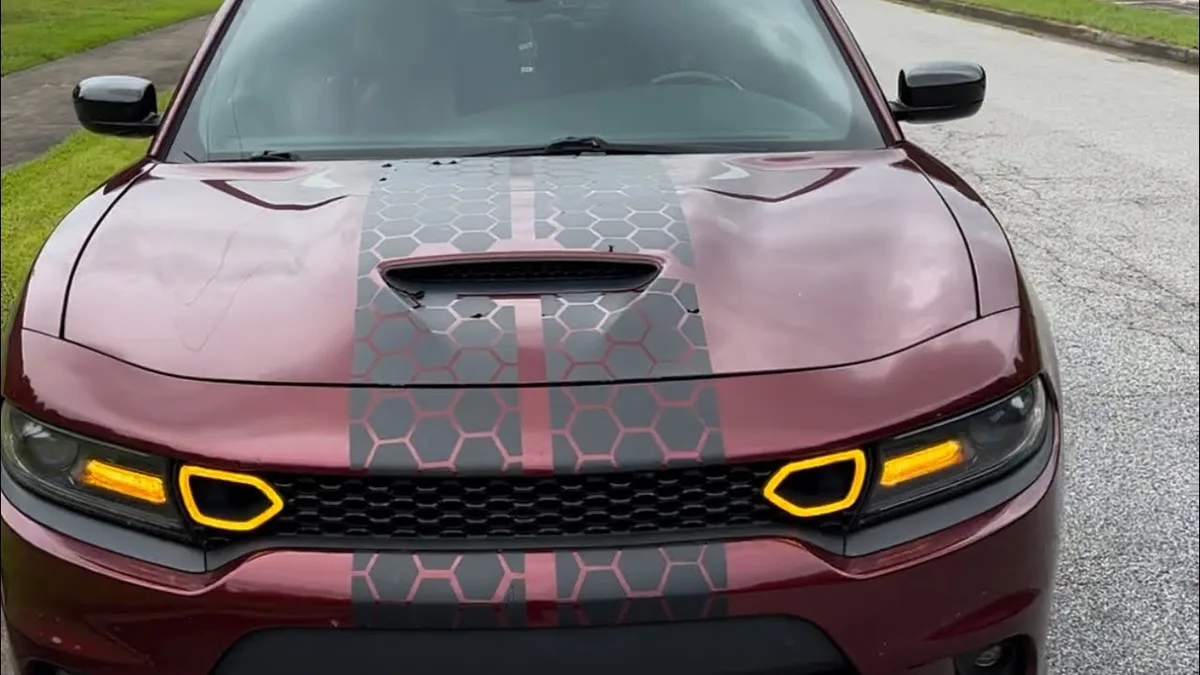
Some modifications carry serious legal consequences. Straight pipes remove the muffler entirely, making them illegal on public roads. Muffler deletes remove noise-dampening chambers while leaving the primary muffler, but they're still prohibited.
Other risky modifications include:
- Exhaust cutouts that bypass the muffler
- Performance chips that alter ignition timing
- High-flow catalytic converters without street-legal certification
- Oversized tailpipes that suggest modification
YouTube / 1richzayy (YouTube thumbnail (fair-use with source credit))
Penalties start with fix-it tickets requiring a return to stock configuration. Repeat offenses can result in fines from $100 to $500. Some counties may impound vehicles deemed a public nuisance.
How Exhaust Noise Enforcement Works in Missouri
Enforcement combines traffic stops, citizen complaints, and periodic inspections. Officers typically note vehicle details, location, time, and sound description. Some departments use portable sound level meters for objective evidence.
Citizen complaints drive many enforcement actions. Neighborhood groups often file reports about loud vehicles. Missouri law allows officers to respond to these complaints even without witnessing the violation firsthand.
County vs. State Rules: Where Local Laws Get Stricter
State law sets the 92 dB baseline, but counties and cities can impose tighter restrictions. St. Louis County and Jackson County have ordinances that lower acceptable noise thresholds in residential zones.
Here's how the layers typically work:
| Level | Typical Limit | Enforced By |
|---|---|---|
| State | 92 dB | Missouri State Highway Patrol |
| County | 85–88 dB | County sheriff or police |
| City | 80–85 dB | Municipal police |
A car that passes the state test might still violate a city code. Always check local regulations.
How to Test Your Exhaust Noise Before You Get Pulled Over
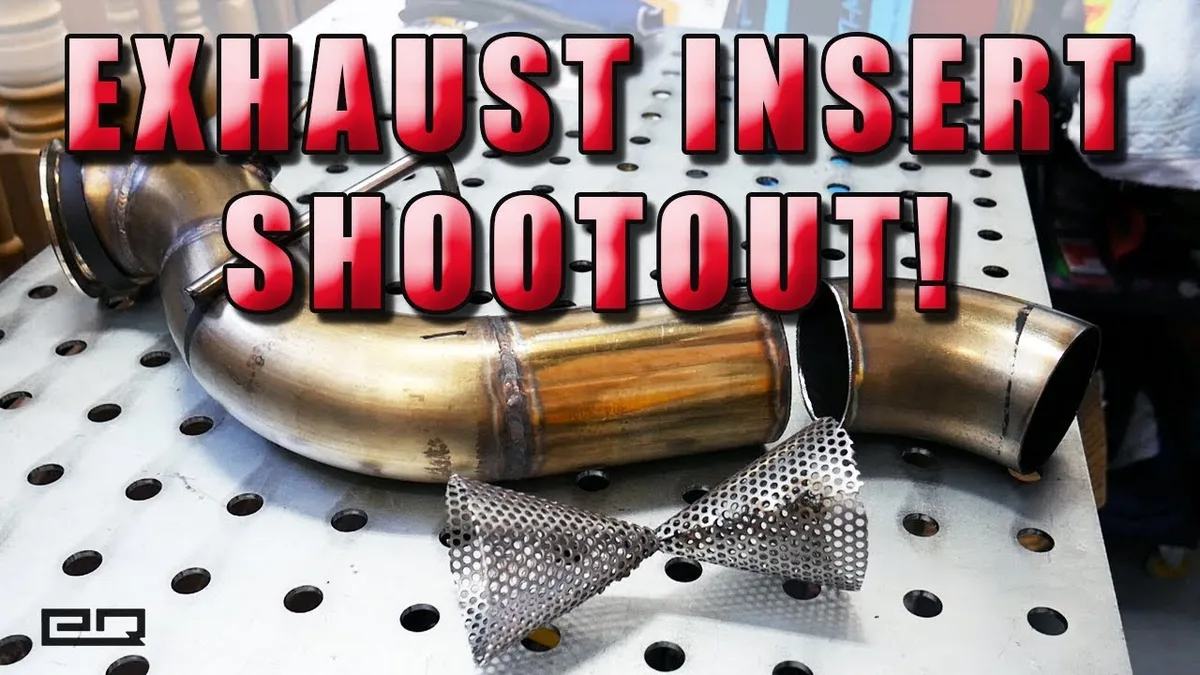
Self-testing provides early warning of potential problems. Warm up your engine completely, then have someone stand ten feet away. If they can clearly hear your exhaust through rolled-up windows, you're likely above the legal limit.
For more accurate readings, use a decibel meter app with your phone about one foot from the tailpipe. Compare readings at idle and under load to the 92 dB standard.
YouTube / Embrace Making (YouTube thumbnail (fair-use with source credit))
Professional testing costs $25, $75 at most auto shops. The investment pays for itself if it prevents a fine.
What Happens If You Fail a Noise Inspection (And How to Fix It)
Failing an inspection typically gives you 10, 30 days to repair the issue. The most common fixes include:
- Replacing a corroded or cracked muffler
- Installing a new resonator
- Sealing exhaust leaks
- Returning to a stock exhaust system
YouTube / mccsyuma (YouTube thumbnail (fair-use with source credit))
Avoid cheap temporary fixes. Invest in quality parts that meet original equipment specifications.
Common Mistakes That Lead to Exhaust Noise Tickets
The most frequent violation is driving with a completely removed muffler. Many assume a high-flow muffler is the same as no muffler. It isn't.
Another common error is ignoring exhaust leaks. A small hole near the manifold can amplify noise significantly. A quick visual check under the car can reveal problems.
Missouri’s Exhaust Laws vs. Neighboring States
Missouri's 92 dB limit aligns with many Midwestern states. Illinois uses the same SAE J1169 standard but enforces it more strictly in urban areas. Kansas follows a similar 92 dB rule but adds restrictions for modified vehicles.
Arkansas and Oklahoma tend to be more lenient with older vehicles. Their laws focus more on visible smoke than noise levels.
FAQs About Missouri Muffler and Exhaust Regulations
Is straight piping legal in Missouri?
No. Missouri law explicitly requires a functioning muffler on all passenger vehicles. Straight piping removes this component entirely.
What’s the fine for a loud exhaust in Missouri?
Fines typically range from $100 to $500 depending on the jurisdiction. Repeat offenses may result in higher penalties.
Can I modify my exhaust and still pass inspection?
Yes, if the modification maintains a functioning muffler and stays under 92 dB. Many aftermarket cat-back systems meet these requirements.
Do electric vehicles have exhaust noise regulations?
No. Missouri's muffler and exhaust noise laws apply only to internal combustion engine vehicles.
How often do I need to get my exhaust checked?
Missouri requires biennial safety inspections for most passenger vehicles. Some counties may have additional requirements.
Are there any exemptions for classic cars?
No. All vehicles must meet the same 92 dB standard regardless of age. Some historic vehicle plates may have different requirements.