ByMax Lee
Missouri Tractor Road Laws & Flashing Light Rules
Missouri farm tractor road use laws and flashing light requirements can save you from fines or worse if you’re moving equipment between fields. These rules exist to keep slow-moving vehicles visible and predictable for faster traffic. As of 2026, Missouri statute requires all farm tractors on public roads to display a Slow-Moving Vehicle (SMV) emblem and meet specific lighting standards.
The most common oversight is assuming old equipment is grandfathered in. It’s not, any tractor traveling under 20 mph needs that orange triangle and proper lights, no exceptions.
Quick Answer
Missouri farm tractor road use laws and flashing light requirements mandate an SMV emblem for all vehicles traveling under 20 mph. Tractors must also have working turn signals and a flashing amber beacon if wider than 8 feet. County roads may allow wider loads than state highways.
Always check local ordinances before moving equipment.
Why Missouri’s Tractor Road Laws Matter (And What Happens If You Get It Wrong)
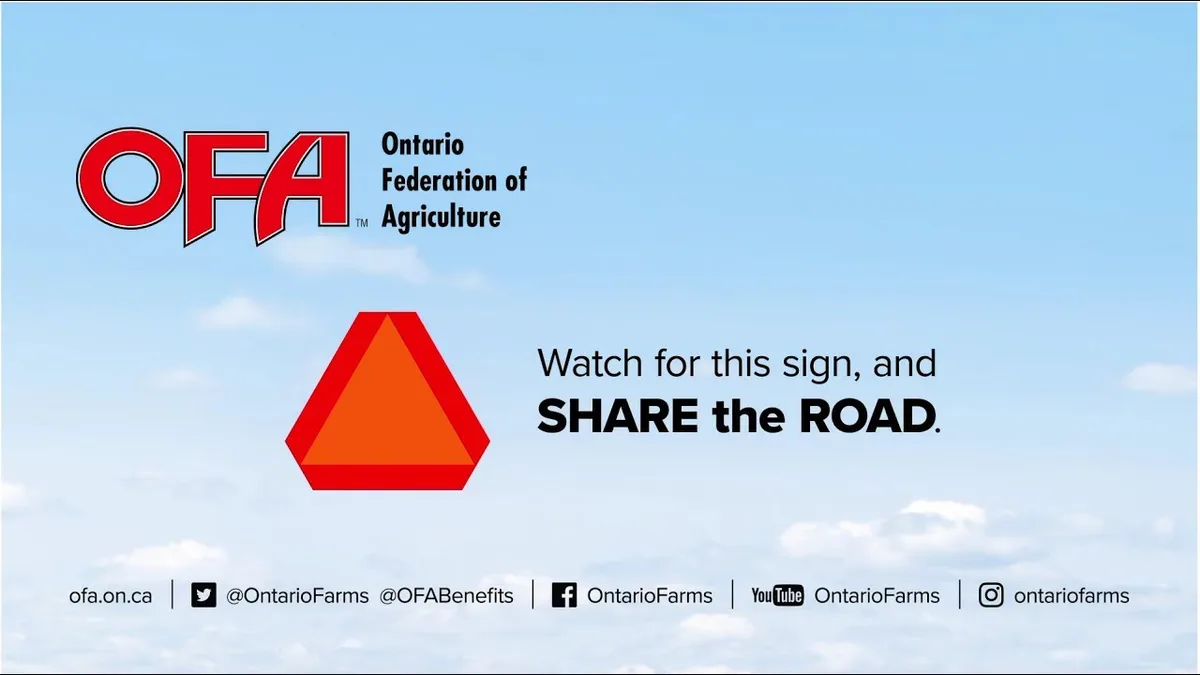
YouTube / OntarioFarms (YouTube thumbnail (fair-use with source credit))
Missouri’s roads see a mix of high-speed traffic and slow-moving farm equipment, especially during planting and harvest. Without proper markings, a tractor can become nearly invisible at dawn, dusk, or in poor weather. The Missouri State Highway Patrol reports that collisions involving agricultural vehicles often stem from poor visibility.
Non-compliance isn’t just a safety risk, it’s a legal one. Fines for missing an SMV emblem or improper lighting can run over $100 per violation. Worse, if an accident occurs and your equipment isn’t up to code, you could face liability issues that insurance won’t cover.
The Quick Legal Checklist: What Missouri Requires for Farm Tractors on Roads
Here’s what you need to stay legal on Missouri roads:
- SMV Emblem: A reflective orange triangle mounted on the rear, visible from at least 500 feet.
- Turn Signals: Functional front and rear signals for any tractor built after 1971.
- Flashing Amber Beacon: Required for vehicles over 8 feet wide or traveling under 20 mph.
- Tail Lights: At least two red lights visible from 500 feet at night.
- Headlights: Two white lights visible from 500 feet in dark conditions.
If your tractor lacks these features, you’ll need to retrofit them before hitting public roads. Older models often require aftermarket kits to meet current standards.
Here’s what you need to stay legal on Missouri roads:
- SMV Emblem: A reflective orange triangle mounted on the rear, visible from at least 500 feet.
- Turn Signals: Functional front and rear signals for any tractor built after 1971.
- Flashing Amber Beacon: Required for vehicles over 8 feet wide or traveling under 20 mph.
- Tail Lights: At least two red lights visible from 500 feet at night.
- Headlights: Two white lights visible from 500 feet in dark conditions.
If your tractor lacks these features, you’ll need to retrofit them before hitting public roads. Older models often require aftermarket kits to meet current standards.
SMV Emblems: The Non-Negotiable Basics
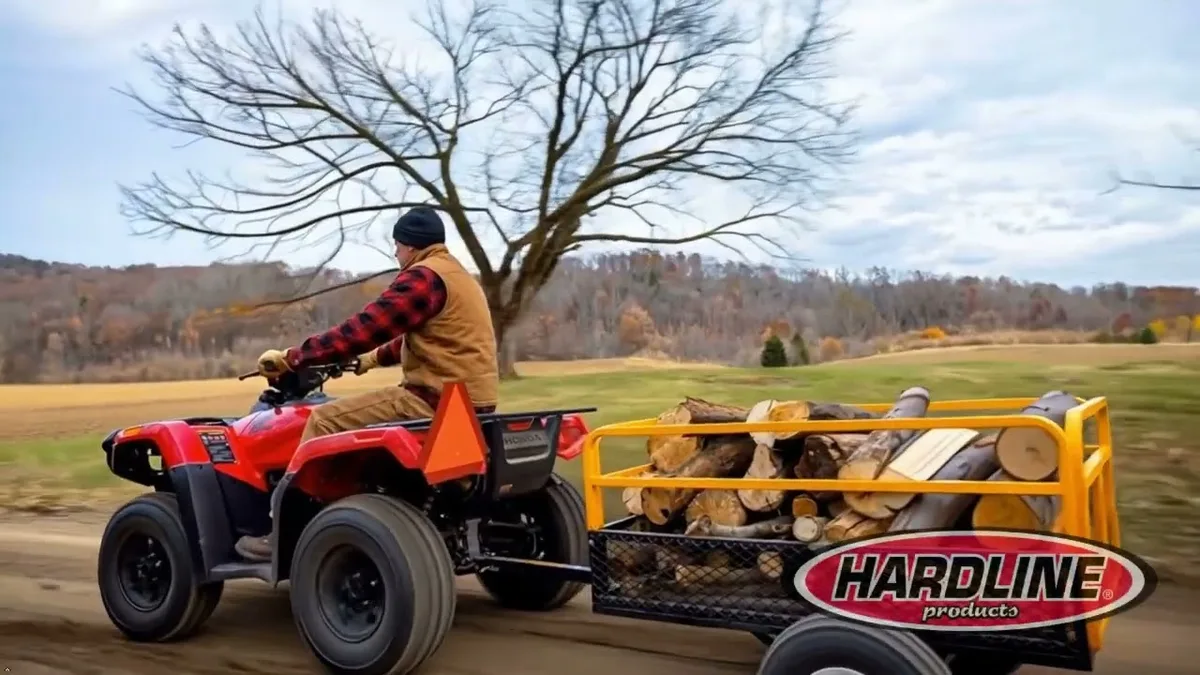
YouTube / Hardline Products® (YouTube thumbnail (fair-use with source credit))
The Slow-Moving Vehicle (SMV) emblem is your first line of defense against rear-end collisions. Missouri law requires it on any vehicle traveling under 20 mph, including tractors, combines, and towed implements. The emblem must be an equilateral triangle with a red reflective border and orange center, meeting SAE J595 standards.
Mount it at the rear of the vehicle, between 2 and 6 feet above the road surface. If your equipment is towing a load that obscures the emblem, you’ll need a second one on the trailing edge. These emblems fade over time, replace yours if the reflective coating is dull or peeling.
Flashing Lights & Turn Signals: What’s Mandatory vs. Recommended
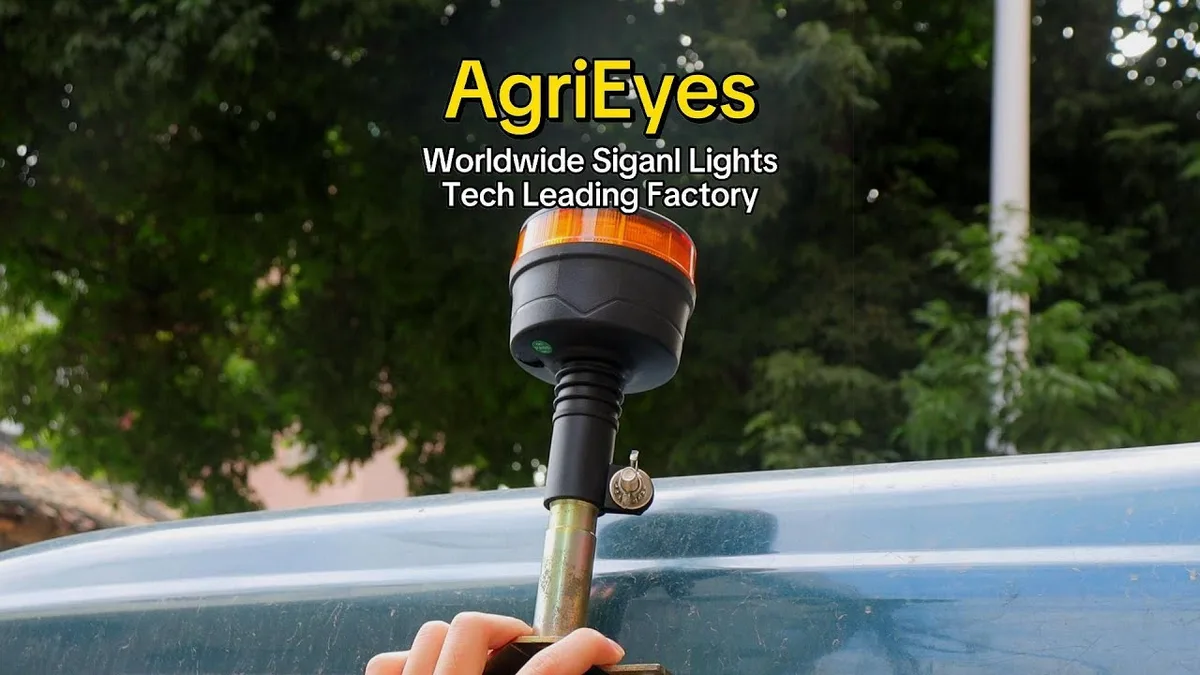
YouTube / AgriEyes (YouTube thumbnail (fair-use with source credit))
Missouri requires turn signals on all tractors manufactured after 1971. If yours is older, you’re not off the hook, you’ll still need hand signals or aftermarket turn signal kits to stay legal. The signals must be visible from at least 500 feet in daylight and emit an amber or red light, depending on the side.
A flashing amber beacon is mandatory for tractors wider than 8 feet or those traveling under 20 mph. This beacon should be mounted as high as practical, typically on the roof or roll bar, and visible from all directions. While not always required, adding a second beacon can improve visibility for wide loads.
For towed implements, the same rules apply: if it’s wider than the tractor or obscures its lights, it needs its own lighting system. This includes turn signals, tail lights, and reflectors.
Where You Can and Can’t Drive a Tractor in Missouri
YouTube / Suliman Khan Academy (YouTube thumbnail (fair-use with source credit))
Missouri allows farm tractors on most county and state roads, but interstates are off-limits unless you have a special permit. Local roads typically have no width restrictions for agricultural equipment, but state highways cap you at 102 inches without a permit.
If your tractor or implement exceeds 12 feet wide, you’ll need an oversize load permit from MoDOT. Night moves for wide loads require additional lighting and often an escort vehicle.
Speed, Width, and Weight: The Hard Limits You Need to Know
Missouri sets clear limits for agricultural equipment on public roads. The maximum width without a permit is 102 inches on state highways, though county roads may allow wider loads. Height is capped at 13 feet 6 inches, and length restrictions vary by configuration.
Weight limits depend on axle configuration. Single axles max out at 20,000 pounds, while tandem axles can carry up to 34,000 pounds. If you’re hauling a loaded grain cart, you’ll likely need a permit for both weight and width.
Exceeding these limits without proper documentation can result in hefty fines and mandatory offloading.
Permits and Special Cases for Oversized or Heavy Equipment
YouTube / Missouri Department of Agriculture (YouTube thumbnail (fair-use with source credit))
Oversize and overweight permits are issued by MoDOT and typically cost between $10 and $50, depending on the load. You’ll need to specify your route, dimensions, and travel dates when applying. Processing can take up to 5 business days, so plan ahead.
Seasonal restrictions apply. During spring thaw, some roads have reduced weight limits to prevent damage. Harvest season often sees temporary exemptions for agricultural vehicles, but you’ll still need to follow all lighting and marking requirements.
For moves over 14 feet wide, you may need a police escort.
Common Mistakes That Get Farmers Pulled Over (And How to Avoid Them)
The most frequent violation is a missing or faded SMV emblem. Officers also commonly cite tractors with non-functional turn signals or improperly mounted beacons. Another easy fix is ensuring all lights are clean and unobstructed by dirt or equipment.
Many farmers assume their county’s rules apply statewide. They don’t. State highways have stricter requirements than rural roads.
Also, towing an implement without its own lighting system is a quick way to get pulled over, even if the tractor itself is properly equipped.
Upgrading Your Tractor’s Lighting: A Simple Step-by-Step
YouTube / Bad Hombre Garage (YouTube thumbnail (fair-use with source credit))
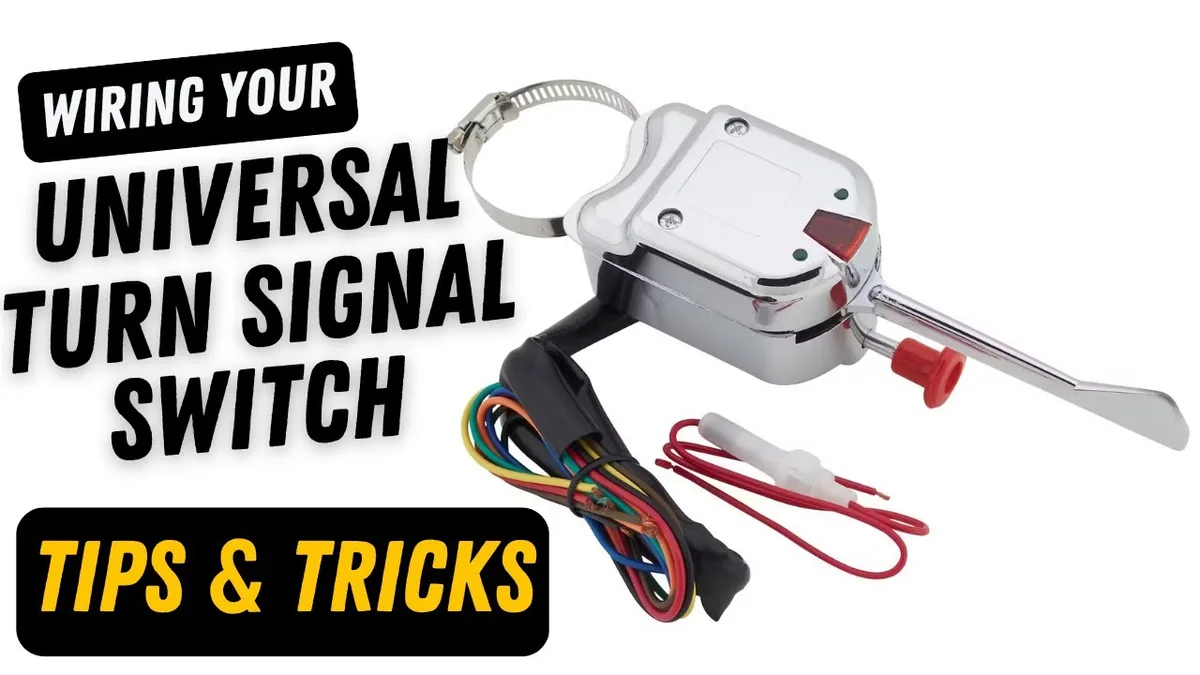
Start by inspecting your current system. Replace any burnt-out bulbs and clean all lens covers. If your tractor lacks turn signals, you’ll need a wiring harness kit that matches your model.
For LED upgrades, choose agricultural-grade lights rated for vibration and weather resistance. Mount new lights according to Missouri’s height and visibility requirements. Test all connections before hitting the road, and carry spare fuses in case of electrical issues.
County vs. State vs. Federal Rules: Who Overrides Whom?
Federal law sets the baseline for SMV emblems, but Missouri adds its own requirements. The state’s Chapter 304 statutes take precedence over federal rules when they’re stricter. For example, Missouri mandates turn signals for newer tractors, while federal law only requires the SMV emblem.
County ordinances can be even more restrictive. Some rural counties allow wider loads on farm-to-market roads, while others enforce state limits. When in doubt, the most restrictive rule applies.
What to Do If You’re Stopped by Law Enforcement
Stay calm and pull over safely. Have your registration, proof of insurance, and any permits ready. Officers typically check for SMV emblems, lighting, and load security first.
If you’re cited for a missing or faulty component, fix it immediately. Many officers will dismiss the ticket if you show proof of correction within a specified timeframe.
Seasonal Considerations: Harvest Time, Night Moves, and Bad Weather
Harvest season means more tractors on the road, often during early morning or late evening hours. Missouri law requires additional lighting for night moves, including a white light visible from the front and red lights at the rear. Reflectors on all sides are also mandatory after dark.
Bad weather reduces visibility for everyone. In fog or heavy rain, slow down and increase your following distance. If conditions are severe, consider delaying your move until it’s safe.
FAQs: Missouri Farmers’ Most Pressing Questions
Do I need a CDL to drive a tractor on Missouri roads?
No, a standard driver’s license is sufficient for most agricultural equipment. A CDL is only required for vehicles over 26,000 pounds or those transporting hazardous materials.
Can I drive my tractor on the shoulder of a highway?
No, tractors must stay on the roadway. Driving on the shoulder is illegal and dangerous.
How often should I replace my SMV emblem?
Replace it every 2 to 3 years or when the reflective material becomes dull. A quick test is to shine a flashlight on it at night. If it doesn’t reflect brightly, it’s time for a new one.
Are LED lights legal for tractors in Missouri?
Yes, as long as they meet color and visibility requirements. LED lights must be DOT-approved and properly aimed.
What’s the fine for missing an SMV emblem?
The fine is typically around $100, but it can vary by county. The real cost is the safety risk to you and other drivers.