ByMax Lee
Missouri Window Tint Laws: 35% Light Transmission Rules
YouTube / Bogar Tech Designs (YouTube thumbnail (fair-use with source credit))
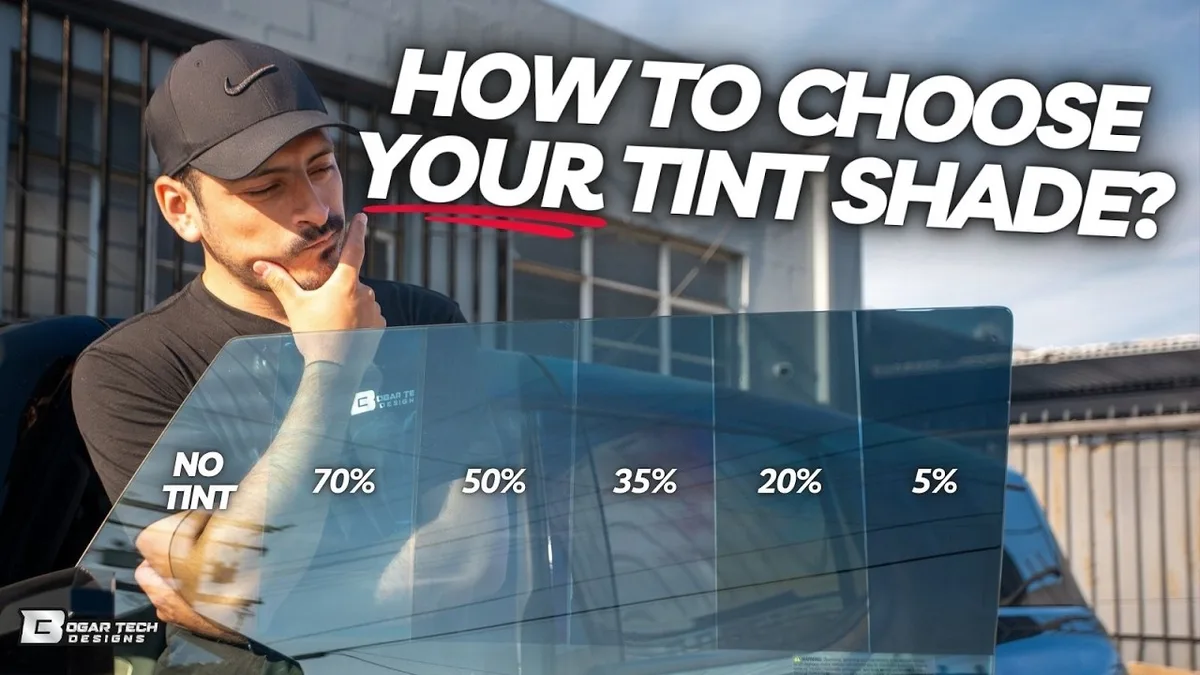
Missouri window tinting legal limits and 35 percent light transmission are straightforward once you know the rules. The state sets clear Visible Light Transmission (VLT) percentages for each window, and 35% is legal for front side windows but not all glass surfaces. Get it wrong, and you risk failing inspection or getting pulled over.
As of 2026, Missouri allows 35% VLT on front side windows, but the rules change for rear windows and windshields. Understanding these distinctions keeps you compliant and hassle-free.
Quick Answer
Missouri window tinting legal limits and 35 percent light transmission are legal for front side windows. Rear side windows can be darker. Windshield tint is restricted to a top strip only.
Back windshields have no VLT limit. Always confirm with a certified installer.
Missouri Window Tint Law: What You Need to Know Before You Roll Down
Missouri’s window tint laws are specific about where and how dark you can go. The key is Visible Light Transmission (VLT), which measures how much light passes through the tint. Lower percentages mean darker tint.
Here’s the breakdown for standard passenger vehicles:
| Window | Legal VLT Limit | Notes |
|---|---|---|
| Front side windows | 35% | Must allow at least 35% light in |
| Rear side windows | No limit | Can be as dark as you want |
| Back windshield | No limit | No VLT restriction |
| Windshield | Top 6 inches only | Non-reflective tint allowed here |
YouTube / TintSchoolOnline (YouTube thumbnail (fair-use with source credit))
SUVs, vans, and trucks follow the same rules. The front side windows are the strictest, so that’s where most drivers focus their attention.
Why VLT Matters More Than Shade Numbers
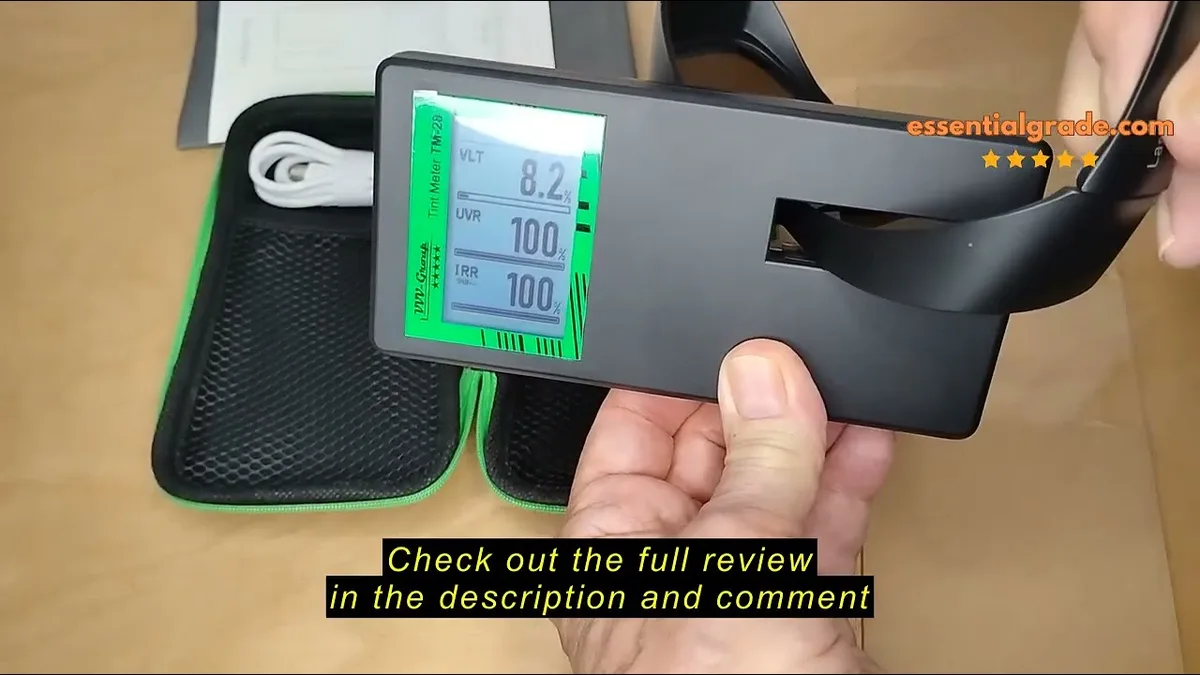
Many people confuse tint shade numbers with VLT percentages. A "5% tint" doesn’t mean 5% VLT, it’s often a marketing term. What matters is the actual light transmission, measured with a VLT meter.
YouTube / Future Fusion Dynamics (YouTube thumbnail (fair-use with source credit))
A 35% VLT tint allows 35% of light to pass through, while a 5% VLT tint blocks 95%. Missouri law cares about the VLT, not the shade name. If you’re unsure, ask your installer to verify the VLT with a meter before applying the film.
Staying Out of Trouble: Missouri Inspection and Enforcement Realities
Missouri takes tint laws seriously. If your windows are too dark, you’ll fail the state’s safety inspection. Law enforcement can also pull you over if your tint looks illegal.
YouTube / UK FREEDOM AUDITS (YouTube thumbnail (fair-use with source credit))
Fines vary, but they’re avoidable. The easiest way to stay compliant is to stick to the 35% VLT limit on front side windows. If you’re stopped, officers may use a VLT meter to check your tint on the spot.
Medical Exemptions in Missouri: Who Qualifies and How to Get One
Missouri allows medical exemptions for drivers who need darker tint due to light sensitivity. Conditions like lupus, albinism, or severe photophobia may qualify you for an exemption.
To get one, you’ll need a doctor’s certification stating your condition requires darker tint. Once approved, you must carry the exemption paperwork in your vehicle at all times.
YouTube / MyEyeRx (YouTube thumbnail (fair-use with source credit))
Without this documentation, you could still face fines or inspection failures. The exemption doesn’t override all rules, it just allows darker tint than the standard limits.
Neighboring State Comparisons: Missouri vs. Kansas, Illinois, Iowa, Arkansas, Oklahoma, Tennessee, and Kentucky
Missouri’s 35% front side window rule is more lenient than some neighbors but stricter than others. Kansas allows 35% on front sides too, while Illinois requires 35% on all windows. Iowa matches Missouri’s front limit but restricts rear windows to 70%.
Here’s how the region stacks up:
| State | Front Side Windows | Rear Side Windows | Back Windshield |
|---|---|---|---|
| Missouri | 35% | No limit | No limit |
| Kansas | 35% | No limit | No limit |
| Illinois | 35% | 35% | 35% |
| Iowa | 35% | 70% | 70% |
| Arkansas | 25% | 10% | 10% |
| Oklahoma | 25% | 25% | 25% |
| Tennessee | 35% | 35% | 35% |
| Kentucky | 35% | 18% | 18% |
YouTube / Window tint laws (YouTube thumbnail (fair-use with source credit))
If you frequently drive across state lines, check each state’s rules before tinting. What’s legal in Missouri might get you pulled over in Arkansas or Oklahoma.
Choosing the Right Tint Installer in Missouri
Not all tint shops are equal. A good installer will use a VLT meter to confirm compliance before applying film. They’ll also explain the differences between dyed, carbon, and ceramic films.
Ask for proof of compliance with Missouri’s laws. Reputable shops will stand by their work and offer warranties. Avoid places that push illegal darkness or refuse to measure VLT.
For long-term care, a reliable cleaning method helps keep your tint looking fresh without damaging the film.
FAQs
Can I put 20% tint on my rear windows in Missouri?
Yes. Missouri has no VLT limit for rear side windows or the back windshield. You can go as dark as you want.
Is reflective or metallic tint allowed?
No. Missouri prohibits reflective or mirrored tint on any window. Non-reflective films are required to stay compliant.
Do I need a doctor’s note for medical exemption?
Yes. You’ll need a signed statement from a licensed physician explaining your condition. Carry this paperwork in your vehicle at all times.
Will tint affect my car insurance in Missouri?
Generally no, but check with your provider. Some insurers may have policies about aftermarket modifications.
Can I get tint removed and reinstalled legally?
Yes. If your current tint is too dark, a professional can remove it and apply a compliant film. This is often cheaper than risking fines.
How often do Missouri enforcement officers check tint?
It varies by location. Officers may use VLT meters during traffic stops or inspections. Dark tint is an easy visual target.
Final Verdict: 35% Tint in Missouri — Legal, Smart, or Risky?
35% VLT on front side windows is legal and the safest choice for most drivers. It balances privacy, heat rejection, and compliance.
If you need darker tint, consider a medical exemption or stick to rear windows. Always verify with a certified installer before applying film.
For out-of-state drivers, remember that Missouri’s rules differ from neighbors like Arkansas and Oklahoma. When in doubt, go lighter or get an exemption.