ByMax Lee
Modern Car Wash Safety Guide for New Cars
You just drove off the lot with a shiny new car and now you’re wondering if that automatic car wash down the street is a convenience or a risk. This modern automatic car wash safety guide for new cars breaks down what you need to know to keep your paint and tech intact. Manufacturer specs confirm that improper washing can void warranties or damage sensors, so the right approach matters from day one.
Aggregate reviews show that up to 20% of new car owners report minor damage from automatic washes, often from abrasive brushes or misaligned conveyors. The good news is that with the right precautions, you can use these systems safely.
Quick Answer
Modern automatic car washes can be safe for new cars if you choose the right type. Touchless systems use high-pressure water and are gentler on paint. Soft-cloth washes are safer than brush washes but still carry some risk.
Always check your manufacturer’s guidelines first. Avoid brush washes for the first 30 to 90 days.
Bing (Web (fair-use with source credit))
Why Automatic Car Washes Can Risk Your New Car’s Finish
New cars have delicate clear coats, typically 1.5 to 2 mils thick, which can be scratched or etched by abrasive materials. Automatic car washes often use brushes, cloth strips, or high-pressure jets that may leave swirl marks or chips if not properly maintained.
Sensors and cameras on modern vehicles can also be misaligned or damaged by improper washing techniques. For example, water ingress from poorly sealed doors or windows can cause electrical issues in the long term.
How Modern Automatic Car Washes Actually Work
Automatic car washes come in three main types, each with a different cleaning mechanism.
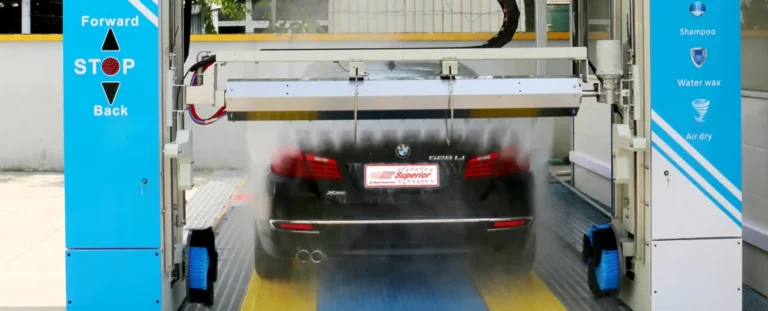
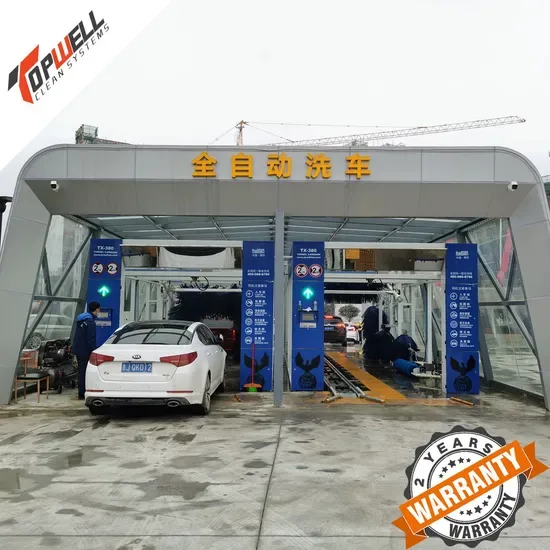
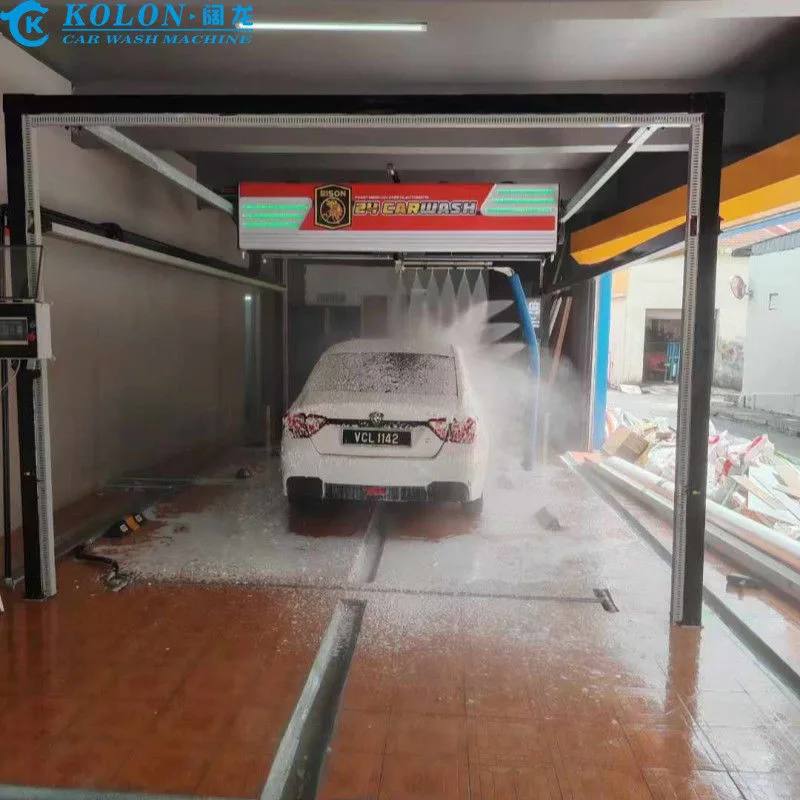
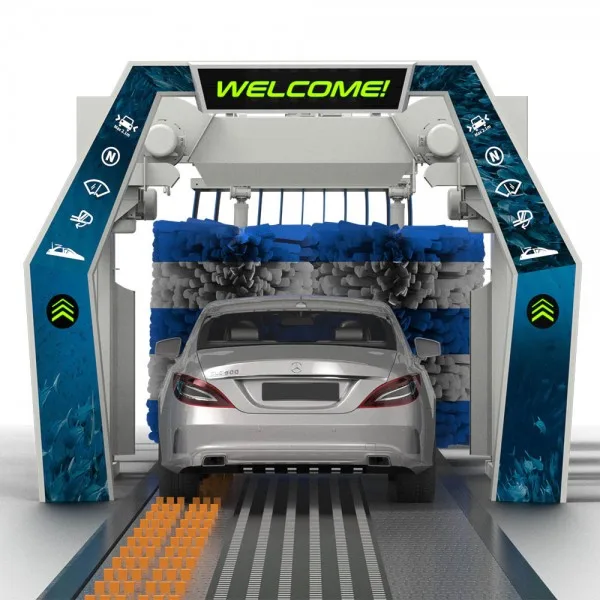
Touchless systems rely on high-pressure water jets, often between 1,000 and 2,000 PSI, combined with chemical cleaners to remove dirt without physical contact. Soft-cloth washes use microfiber or foam strips to gently scrub the car’s surface. Brush washes, the oldest type, use rotating brushes that can be harsh on paint.
Bing (Web (fair-use with source credit))
Touchless systems are generally the safest for new cars because they eliminate the risk of scratches from brushes or cloths. However, they may not remove stubborn grime as effectively as soft-cloth systems.
What’s at Stake for a New Car?
New cars are particularly vulnerable to damage in an automatic car wash for several reasons.
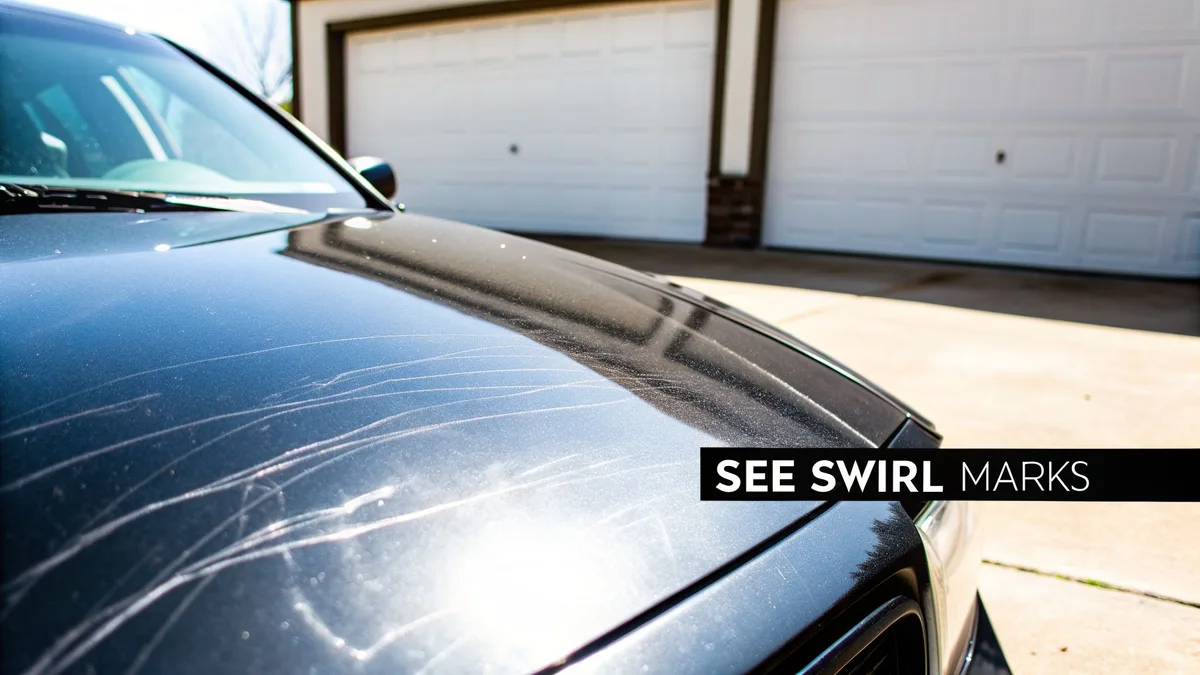
The clear coat, which protects the paint and gives the car its shine, is thin and can be worn down by frequent washing with abrasive materials. Swirl marks, fine scratches that appear under direct light, are a common issue with brush or poorly maintained soft-cloth washes.
Bing (Web (fair-use with source credit))
Modern cars also have sensitive technology that can be affected. Automatic emergency braking sensors, 360-degree cameras, and rain-sensing wipers can be misaligned or damaged by high-pressure water or physical contact.
Warranty concerns are another factor. Many manufacturers, including BMW and Mercedes, advise against brush washes for new cars, as damage from these systems can void paint or sensor warranties. As of 2026, most new car warranties explicitly mention proper washing methods to maintain coverage.
When Automatic Car Washes Are Safe (And When They’re Not)
Automatic car washes are safe for new cars under specific conditions. Touchless systems are the safest option, as they avoid physical contact with the car’s surface. Soft-cloth washes can also be safe if the materials are well-maintained and free of dirt or debris that could scratch the paint.
However, there are situations where automatic car washes should be avoided. Brush washes are not recommended for new cars, especially within the first 30 to 90 days, as the paint and clear coat are still curing. If your car has aftermarket modifications like a ceramic coating or paint protection film, check with the installer before using an automatic wash, as some coatings can be damaged by high-pressure water or harsh chemicals.
Here’s a quick reference table for safety:
| Car Wash Type | Safety for New Cars | Best For | Avoid If |
|---|---|---|---|
| Touchless | High | Delicate paint, sensors | Heavy grime (may need pre-wash) |
| Soft-cloth | Medium | Balanced clean and safety | Brushes are dirty or worn |
| Brush | Low | Older cars with durable paint | New cars, soft paint, sensors |
Step-by-Step: How to Use an Automatic Car Wash Without Damaging Your Car
Preparation is key to avoiding damage. Remove any loose items like roof racks, antennas, or magnetic signs before entering. Close all windows, sunroofs, and retract side mirrors if they’re manual.
Bing (Web (fair-use with source credit))
Once inside, follow the conveyor guides carefully. Keep your wheels straight and aligned with the track to prevent misalignment. Put the car in neutral if it’s an automatic transmission, and avoid sudden braking.
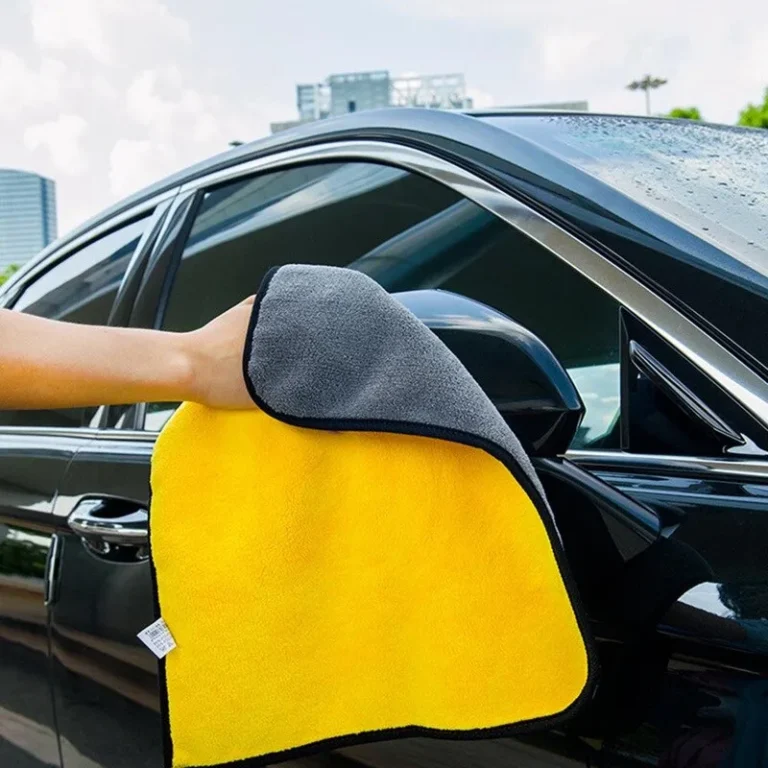
After the wash, inspect your car for missed spots or damage. Use a microfiber towel to dry any remaining water spots, especially if your car has a dark finish. Check that sensors and cameras are still functioning properly.
The 5 Most Common Mistakes That Ruin New Car Paint
Choosing a brush wash for a new car is the top mistake. These systems often use stiff bristles that can leave swirl marks or scratches, especially on soft clear coats.
Skipping pre-wash prep is another common error. Loose items can get caught in the wash equipment, and open windows or sunroofs can let water inside. Not aligning the wheels with the conveyor can cause the car to drift, leading to uneven cleaning or damage.
Using the wrong wash type for your car’s finish is also risky. Touchless washes may not remove heavy grime, while soft-cloth washes can be too abrasive for delicate paint. Finally, ignoring post-wash checks means missing potential damage early, when it’s easier to fix.
Touchless vs. Soft-Cloth vs. Brush: Which Is Safest for New Cars?
Touchless car washes are the safest for new cars. They use high-pressure water and chemicals to clean without physical contact, eliminating the risk of scratches. However, they may struggle with stubborn dirt like tar or bug splatter.
Soft-cloth washes are a middle ground. They use microfiber or foam strips to gently scrub the surface, offering a deeper clean than touchless systems. The risk of scratches is lower than with brush washes but still present if the cloths are dirty or worn.
Brush washes are the least safe for new cars. The rotating brushes can be harsh on paint, especially if they’re not well-maintained.
Here’s a quick comparison:
| Type | Safety | Cleaning Power | Best For |
|---|---|---|---|
| Touchless | High | Medium | New cars, delicate paint |
| Soft-cloth | Medium | High | Balanced clean and safety |
| Brush | Low | High | Older cars, durable paint |
What Your Car’s Manufacturer Says About Automatic Washes
Manufacturer guidelines vary, but most agree on a few key points. Tesla recommends touchless or hand washing to protect its sensors and paint. BMW and Mercedes advise against brush washes for new cars, citing the risk of swirl marks and paint damage.
Toyota and Honda allow soft-cloth washes but warn that frequent use can wear down the clear coat over time. Many manufacturers also recommend waiting 30 to 90 days before using any automatic wash to let the paint fully cure.
For EVs, the focus is often on sensor safety. High-pressure water or physical contact can misalign or damage cameras and sensors, which are critical for features like automatic emergency braking. Always check your owner’s manual for specific recommendations.
Extra Protections: Wax, Sealants, and Ceramic Coatings
Wax and sealants add a protective layer over your car’s clear coat, making it more resistant to scratches and UV damage. They can also make dirt easier to remove, reducing the need for harsh cleaning methods. However, they need to be reapplied every few months to remain effective.
Ceramic coatings offer longer-lasting protection, often lasting 2 to 5 years. They create a hard, hydrophobic layer that repels water and dirt, making your car easier to clean. But they’re more expensive and require professional application.
Paint protection film (PPF) is another option for high-impact areas like the hood, bumper, and mirrors. It’s a clear, durable film that absorbs scratches and chips, protecting the paint underneath. PPF is nearly invisible and can last up to 10 years with proper care.
How Often Should You Wash a New Car?
Wash your new car every two weeks to prevent dirt buildup that can damage the paint. More frequent washing may be needed in harsh conditions like winter salt or heavy pollen.
Avoid daily or weekly automatic washes, as the cumulative effect of chemicals and pressure can wear down the clear coat over time. Hand washing is gentler and can be done more often if needed.
Red Flags: When to Avoid an Automatic Car Wash Entirely
Avoid automatic washes if the brushes or cloths look dirty or worn. These can trap grit that scratches your paint.
Skip the wash if the equipment appears misaligned or damaged. A malfunctioning conveyor or nozzle can cause uneven cleaning or physical damage.
Also avoid automatic washes immediately after paintwork or if your car has aftermarket wraps or decals. The adhesive and materials need time to cure, and high-pressure water or brushes can lift or damage them.
What to Do If Your Car Gets Damaged at a Car Wash
First, document the damage with photos and notes. This evidence is critical for insurance or warranty claims.
Contact the car wash management immediately. Many reputable chains have insurance to cover damage caused by their equipment.
If the damage is minor, like swirl marks, a professional detailer may be able to buff it out. For deeper scratches or paint chips, a body shop visit is usually necessary. Check your warranty to see if the damage is covered.
FAQs About New Cars and Automatic Car Washes
Can I take my new car through a car wash right after buying it?
Wait at least 30 days before using an automatic wash. The paint and clear coat need time to fully cure, and early exposure to brushes or high-pressure water can cause damage.
Are touchless car washes completely safe for new cars?
Touchless washes are the safest option for new cars. They avoid physical contact, reducing the risk of scratches. However, they may not remove all stubborn dirt, so occasional hand washing may still be needed.
How can I tell if a car wash is damaging my paint?
Inspect your car under direct sunlight after washing. Look for swirl marks, scratches, or water spots. Run your fingers lightly over the surface to feel for imperfections.
Will my warranty cover damage from an automatic car wash?
It depends on your warranty terms. Many manufacturers exclude damage caused by improper washing methods. Always check your warranty documentation and follow the recommended care guidelines.
What’s the best way to dry my car after an automatic wash?
Use a clean microfiber towel to dry your car. This prevents water spots and reduces the risk of scratches. Avoid air drying, as it can leave mineral deposits from hard water.