You can wash your car with washing-up liquid, but it’s not ideal. The question can i wash my car with washing ip.liquid ? comes up often, and the short answer is yes, if you’re in a pinch and use it correctly. Most dish soaps are harsher than car-specific cleaners, which can strip wax and dull your paint over time.
Car wash soaps are formulated with a neutral pH (around 6-8) to protect clear coats and sealants, while many dish soaps sit at pH 7-10 or higher. That difference matters, as we’ll explain below.
Quick Answer
Yes, you can use washing-up liquid in an emergency. It will clean your car. But it may strip wax and dry out trim.
Use only a mild, pH-balanced dish soap. Rinse thoroughly afterward.
Why Dish Soap Isn’t Ideal for Car Paint
Dish soap is designed to cut through grease and food residue. This means it contains stronger surfactants than car wash soap, which can break down the protective wax or sealant on your car’s paint.
Car paint, especially modern clear coats, is sensitive to high pH levels. Manufacturer specifications for automotive cleaners typically recommend a pH between 6 and 8 to avoid damaging the finish. Many dish soaps exceed this range, which can lead to premature fading or swirl marks.
When It’s Actually Safe to Use Washing-Up Liquid
If you’ve run out of car soap and need to clean your car, a mild dish soap can work as a temporary solution. Look for a product labeled as gentle or pH-neutral, and avoid anything with added degreasers or strong fragrances.
Dilute it properly, about one tablespoon of dish soap per gallon of water. This reduces the concentration of harsh chemicals while still providing enough cleaning power for light dirt and grime.
How to Wash Your Car with Dish Soap (Without Ruining It)
Start with a thorough pre-rinse to remove loose dirt and debris. This prevents scratching the paint when you begin washing.
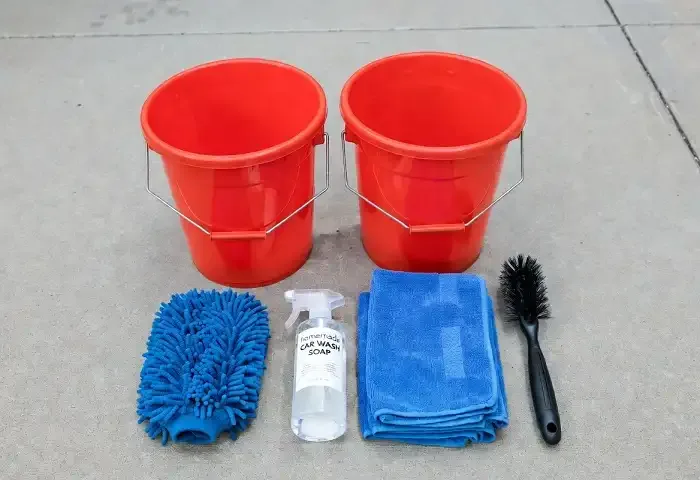
Use the two-bucket method: one for soapy water and one for rinsing your mitt or sponge. Dip your wash mitt into the soapy water, wash a section of the car, then rinse the mitt in the clean water bucket before reloading it with soap. This keeps dirt from being redeposited onto the paint.
Work from the top down, washing the roof, windows, and hood before moving to the lower panels. This prevents dirt from dripping onto already-cleaned areas. Use a high-quality durable hose to ensure a strong, consistent rinse.
Rinse frequently to avoid soap drying on the surface, which can leave streaks or residue. After washing, dry the car with a clean microfiber towel to prevent water spots.
The Risks: What Happens If You Use It Wrong
Using the wrong type of dish soap, or using it too often, can damage your car’s finish. High-alkaline soaps (pH 10+) can strip wax and sealants, leaving the paint vulnerable to UV rays, oxidation, and contaminants like bird droppings or tree sap.
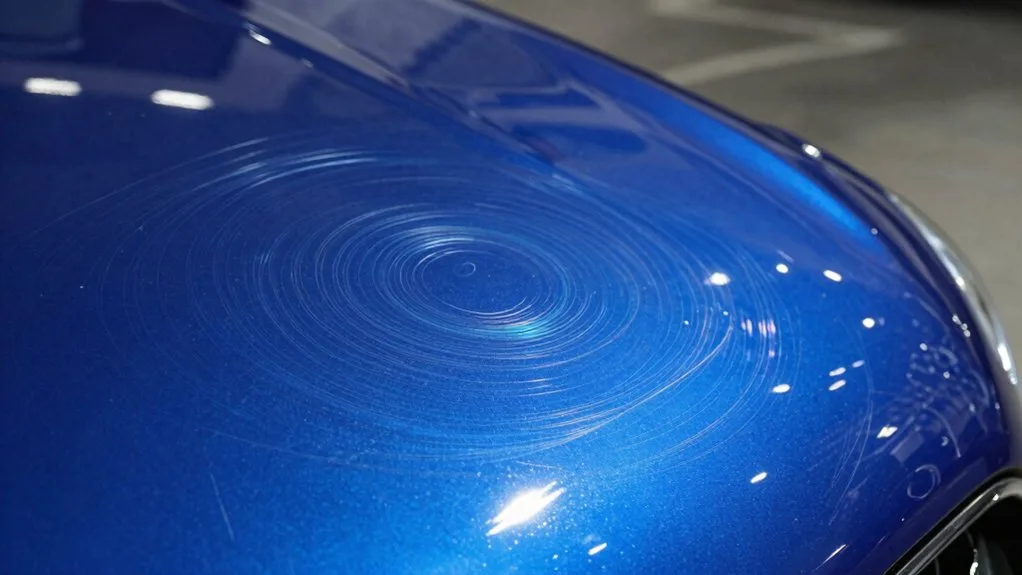
Over time, this can lead to dull, faded paint and even swirl marks from improper washing techniques. Harsh soaps can also dry out rubber trim, door seals, and plastic components, causing them to crack or degrade prematurely.
If you notice your car’s paint looking dull or feeling rough after washing, it’s a sign the soap may have stripped the protective layer. In this case, you’ll need to reapply wax or sealant to restore protection.
Dish Soap vs. Car Wash Soap: The Real Differences
Car wash soap is pH-balanced to protect automotive finishes. It typically ranges from 6 to 8 on the pH scale, which is gentle enough to preserve wax and sealants.
Dish soap, on the other hand, is designed to cut through grease and food residue. Many brands have a pH of 7 to 10 or higher, which can strip protective coatings over time.
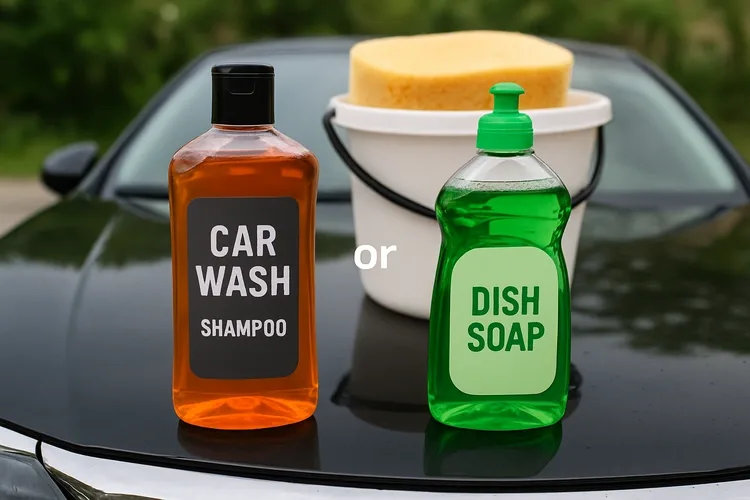
Car wash soaps also include lubricants that help lift dirt without scratching the paint. Dish soaps lack these additives, increasing the risk of swirl marks if not used carefully.
Better Alternatives If You Don’t Have Car Soap
Baby shampoo is a gentler option than dish soap. Its mild formula won’t strip wax and is safe for occasional use.
Castile soap is another natural alternative. It’s plant-based and free from harsh chemicals, making it a safer choice for car paint.
A dedicated waterless wash spray is ideal for quick cleanups. These products are formulated to lift dirt without water, reducing the risk of scratches.
If you’re in a pinch, even a durable hose with a strong spray can remove light dust without soap. Just avoid letting the water dry on the surface to prevent spots.
How to Tell If Your Dish Soap Is Too Harsh
Check the label for pH information. If it’s above 8, it’s likely too strong for regular car washing.
Avoid soaps with added degreasers or strong fragrances. These ingredients are tough on grease but also tough on your car’s finish.
Test a small, hidden area first. Apply a diluted solution to a lower panel or wheel well and rinse. If the paint looks dull or feels rough afterward, the soap is too harsh.
What to Do After Washing with Dish Soap
Rinse thoroughly to remove all soap residue. Leftover dish soap can leave streaks or attract dirt.
Dry the car with a clean microfiber towel. This prevents water spots and minimizes the risk of swirl marks.
Reapply wax or sealant if the paint feels rough or looks dull. Dish soap can strip protective layers, so restoring them is key to maintaining your car’s finish.
FAQs About Washing Your Car with Household Soaps
Can I use any dish soap on my car?
No. Stick to mild, pH-neutral dish soaps. Harsh or highly alkaline soaps can damage your car’s paint and strip wax.
Will dish soap remove wax from my car?
Yes. Most dish soaps will break down wax and sealants over time, leaving your paint less protected.
How often can I wash my car with dish soap?
Only in emergencies. Regular use can lead to paint damage and dried-out trim. Use car-specific soap whenever possible.
Is baby shampoo safe for car paint?
Yes. It’s a gentle alternative that won’t strip wax or harm your car’s finish.
What’s the best way to dry my car after washing?
Use a clean microfiber towel. This prevents water spots and reduces the risk of scratching the paint.
Final Verdict: Should You Do It?
Use dish soap only as a last resort. It works for emergency cleanups but isn’t a long-term solution.
If you must use it, stick to mild, pH-neutral brands and follow the proper washing technique. This minimizes the risk of damaging your car’s finish.
For regular maintenance, invest in a quality car wash soap. It’s formulated to protect your paint and extend the life of your wax or sealant. As of 2026, automotive care standards still recommend pH-balanced cleaners for optimal results.