Using the wrong cloth with a no-water car spray can leave swirls, streaks, or lint all over your paint. The best cloths to use with nowater carspray are high-quality microfiber towels, especially plush or waffle-weave types, because they lift dirt without scratching. Manufacturer specs confirm that microfiber with a GSM of 300-500 absorbs more liquid and traps particles better than cotton or chamois.
Aggregate reviews report that even a top-tier spray detailer won’t save you if the cloth is abrasive or lint-prone. So the real difference-maker is the towel, not the spray.
Quick Answer
The best cloths to use with nowater carspray are plush microfiber towels. Waffle-weave microfiber is ideal for drying. Avoid cotton or terry cloth.
They leave lint. Chamois works but needs careful maintenance.
Why the Right Cloth Matters with No-Water Car Spray
No-water car sprays rely on lubrication to lift dirt without scratching. If the cloth is rough or traps debris, it drags contaminants across the clear coat. That’s how swirl marks form.
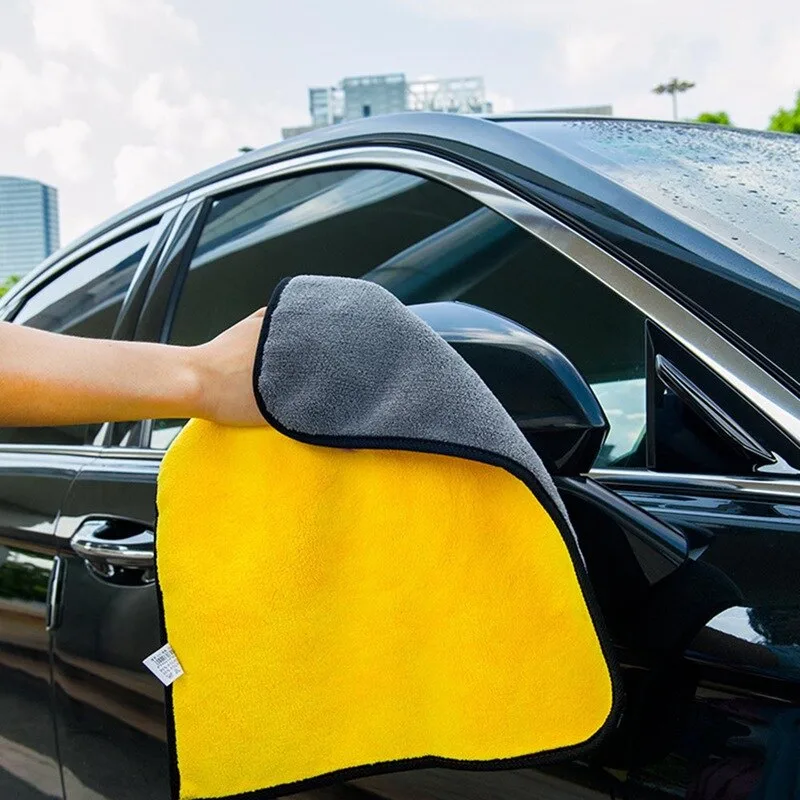
Microfiber’s split fibers create more surface area to hold dust and liquid. Cotton and chamois lack this structure, so they push dirt instead of lifting it. Per International Detailing Association guidelines, the cloth is just as critical as the product.
Microfiber vs. Cotton vs. Chamois vs. Synthetic Blends
Not all cloths are equal for no-water detailing. Here’s how the main options stack up.
| Cloth Type | Absorbency | Lint-Free | Scratch Risk | Best For |
|---|---|---|---|---|
| Plush Microfiber | High | Yes | Low | Paint, glass, interior |
| Waffle-Weave Microfiber | Very High | Yes | Low | Drying, heavy liquid |
| Cotton/Terry | Medium | No | Medium | Interior (non-paint) |
| Chamois | High | Yes | Medium | Drying (traditional) |
| Synthetic Blends | Low-Medium | Sometimes | High | Budget use (not ideal) |
Plush microfiber is the safest for paint because its fine fibers trap dirt. Cotton and terry cloth shed lint, which sticks to fresh spray and ruins the finish.
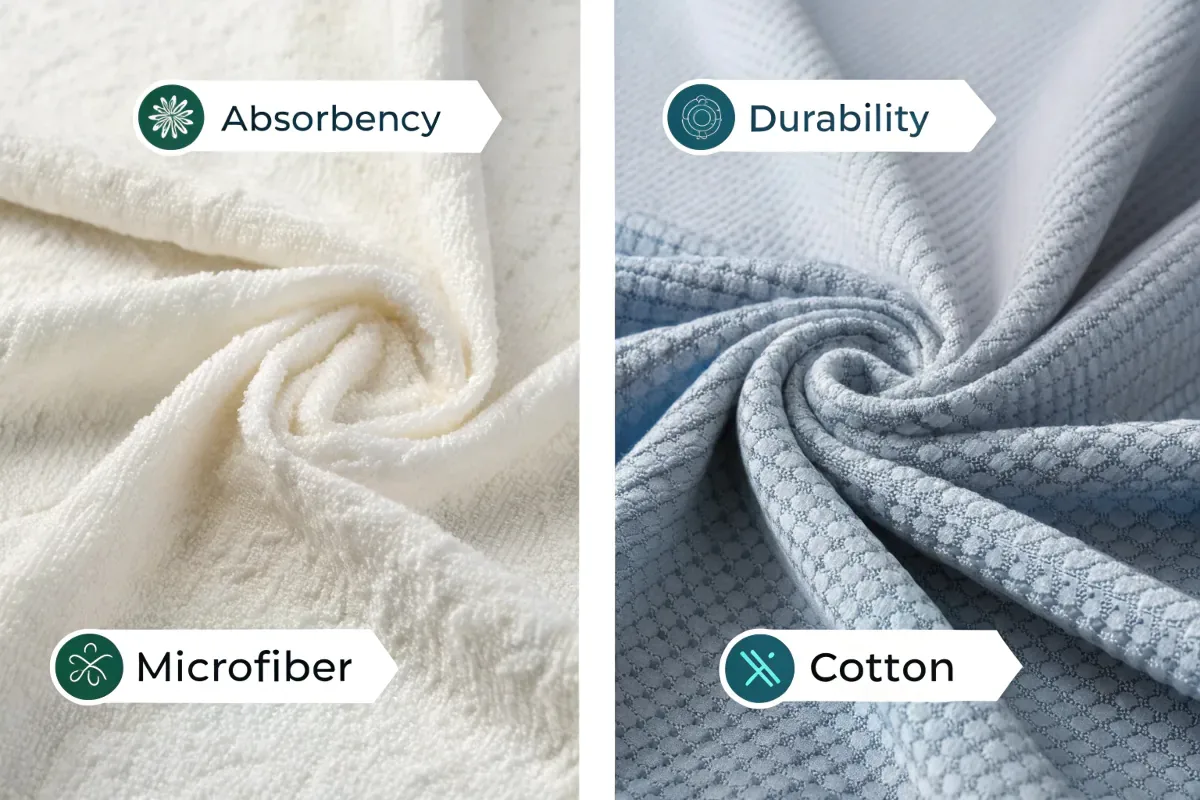
Chamois is soft and absorbent but can degrade with some chemical sprays. Synthetic blends are cheap but often too abrasive for clear coats.
Waffle-Weave vs. Plush vs. Terry: Which Weave Wins?
The weave determines how well a cloth performs. Waffle-weave microfiber has a grid pattern that holds more liquid, making it perfect for drying. Plush microfiber has a dense, flat weave that’s gentler for buffing and dusting.
Terry cloth’s loops create friction, which can cause micro-scratches. It’s also prone to linting, especially on dark paint.
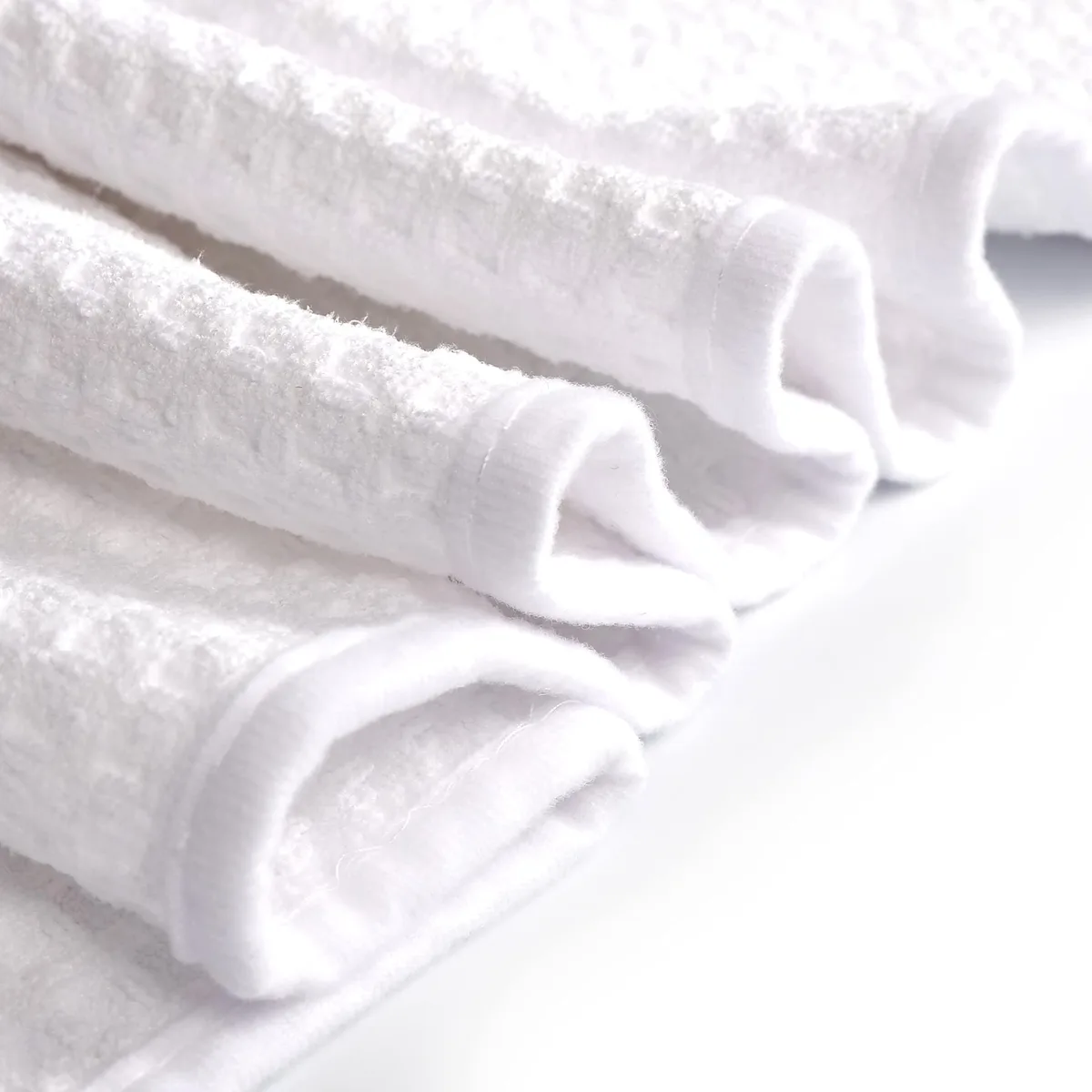
For no-water sprays, plush microfiber is the most versatile. Waffle-weave excels when you need to soak up excess product. Terry cloth is best avoided for exterior paint.
Key Features That Separate Good Cloths from Bad Ones
Not all microfiber is created equal. Look for these specs when choosing a cloth for no-water detailing.
Material: 100% polyester or a polyester-polyamide blend. Higher polyester content means better absorbency.
GSM (Grams per Square Meter): 300-500 GSM is ideal. Lower GSM cloths are thinner and less durable. Higher GSM towels are plusher but may be overkill for light dusting.
Edge Type: Edgeless or rolled edges prevent scratches. Stitched edges can trap dirt and snag on paint.
Size: 16"x16" is standard for most cars. Larger towels (24"x36") are useful for SUVs and trucks.
Color: Dark colors hide dirt but make lint more visible. Light colors show stains but are easier to color-code for different tasks.
Avoid cloths with silicone coatings or fabric softeners. These can leave residues that reduce absorbency over time.
Best Cloths for Specific Jobs (Drying, Dusting, Wheels, Paint)
Different tasks need different cloths. For drying after a no-water spray, waffle-weave microfiber is the top pick. Its grid pattern holds up to 8 times its weight in liquid.
For dusting and light detailing, plush microfiber with a GSM of 350-400 works best. It lifts dust without scratching. Wheels and tires need a separate, dedicated microfiber cloth to avoid cross-contamination with brake dust.
Paint correction prep requires an edgeless microfiber towel. This prevents marring from stitched edges. Interior surfaces can tolerate cotton or synthetic blends, but microfiber still performs better.
Common Mistakes That Ruin Your Paint (And How to Avoid Them)
Using the same cloth for wheels and paint is a fast way to scratch your clear coat. Brake dust is abrasive and will embed in the fibers.
Washing microfiber with fabric softener coats the fibers and reduces absorbency. Always wash with a mild detergent and air dry. High heat in the dryer can melt synthetic fibers.
Pressing too hard while wiping can grind dirt into the paint. Let the cloth and spray do the work. Reusing a dirty cloth spreads contaminants instead of removing them.
How to Wash and Care for Your Detailing Cloths
Proper care extends the life of your cloths and protects your paint. Wash microfiber separately from other laundry to avoid lint transfer.
Use a mild, pH-neutral detergent. Avoid bleach, fabric softeners, and harsh chemicals. These break down the fibers and leave residues.
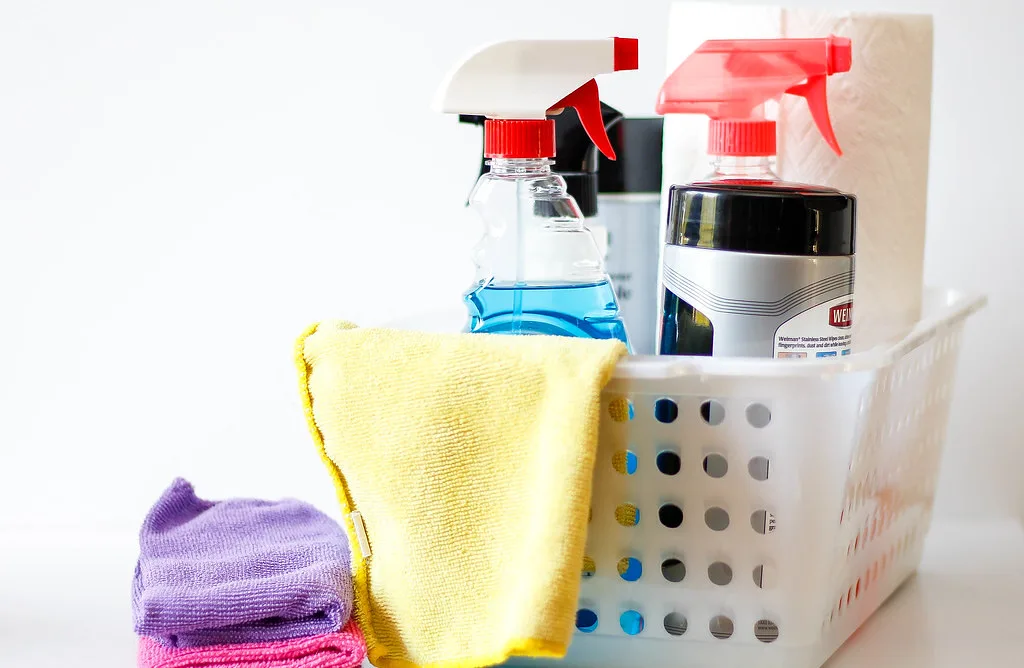
Wash in warm water on a gentle cycle. Air dry or use low heat. High heat can damage the fibers and reduce effectiveness.
Pro Tips for a Swirl-Free, Streak-Free Finish
The fold-and-flip method keeps a clean side of the cloth in contact with the paint. Fold the towel into quarters and flip it after each pass.
Work in small sections, typically 2'x2'. This prevents the spray from drying before you can wipe it. Use a second cloth for buffing if the first one gets saturated.
Always inspect the cloth before use. If it’s dirty or has embedded grit, wash it or switch to a clean one. A quick shake can remove loose debris.
Cost Breakdown: What to Expect at Different Price Points
Budget microfiber cloths cost $5-$10 each but may shed fibers or lack durability. Mid-range options run $10-$15 and offer better absorbency and longevity.
Premium microfiber towels cost $15-$20. These have higher GSM, edgeless designs, and superior dirt-trapping ability. Waffle-weave towels are typically at the higher end due to their specialized weave.
| Price Range | Quality | Best For | Lifespan |
|---|---|---|---|
| $5-$10 | Basic | Light use, interior | 20-50 washes |
| $10-$15 | Mid-range | Regular detailing | 50-100 washes |
| $15-$20 | Premium | Professional use | 100+ washes |
Frequently Asked Questions
Can I use paper towels with no-water car spray?
Paper towels are too abrasive for automotive paint. They can leave fine scratches and don’t have the absorbency needed for proper drying.
How often should I replace my detailing cloths?
Replace them when they lose absorbency or show signs of wear. Premium microfiber lasts 100+ washes with proper care. Budget options may need replacing after 20-50 washes.
What’s the best way to store detailing cloths?
Store them in a clean, dry place away from direct sunlight. Keep them separate from other cleaning supplies to prevent cross-contamination.
Can I use a no-water spray on a matte finish?
Yes, but use a dedicated matte-finish microfiber cloth. Regular microfiber can leave shine marks on matte surfaces. Always test on a small area first.
Why does my cloth leave streaks?
Streaks usually mean the cloth is saturated or not absorbent enough. Switch to a fresh, high-GSM microfiber towel. Also ensure you’re using the fold-and-flip method.
Is chamois better than microfiber for drying?
Chamois is absorbent but requires more maintenance. Microfiber is more durable and easier to clean. For most users, microfiber is the better choice.
Final Verdict: The Best Cloth for Your Needs
For most no-water car spray applications, plush microfiber towels with 350-500 GSM are the best choice. They balance absorbency, softness, and durability. Waffle-weave microfiber is ideal for drying large surfaces quickly.
If you’re on a budget, mid-range microfiber cloths still outperform cotton or chamois. Avoid cheap synthetic blends and always use separate cloths for wheels and paint. Proper care extends the life of your towels and protects your vehicle’s finish.