Nevada vehicle registration plate colors and special designations can be confusing if you're new to the state or just need a refresh. The Nevada DMV offers a mix of standard, specialty, and custom plates, each with its own rules, fees, and eligibility requirements.
As of 2026, the standard plate features a white background with blue and red accents, but there are dozens of other designs for everything from veterans to wildlife supporters. Knowing which plates you qualify for and how to get them saves time and avoids fines.
Quick Answer
Nevada vehicle registration plate colors and special designations include the standard white and blue desert landscape plate. Specialty plates support causes like wildlife or universities. Custom vanity plates let you personalize text.
Military and disability plates have specific eligibility. Fees vary by type.
Nevada’s Standard License Plate: Colors, Design, and Rules
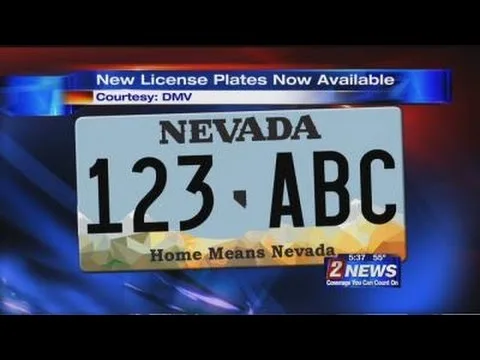
The current standard Nevada license plate has a white background with a blue and red desert landscape design. It features the state seal at the top center and the slogan "The Silver State" along the bottom. The alphanumeric characters are dark blue.
This design has been in use since 2013, replacing the older black-and-gold plates. All new registrations and renewals receive this plate unless you opt for a specialty or custom design. The standard plate is free with your initial registration, but replacements cost around $8.

Nevada only requires a rear plate, so front plates are optional. If you do mount one in the front, it must match the rear plate. The plate must be securely fastened, unobstructed, and clearly visible at all times.
Covering any part of the plate with a frame or decorative item that hides letters or numbers can result in a fix-it ticket.
Specialty Plate Options in Nevada (And Who Qualifies)
Nevada offers over 50 specialty plates, each supporting a specific cause, organization, or interest. These plates typically cost more than the standard issue, with fees ranging from $30 to $100 or more. A portion of the proceeds often goes to the associated program or charity.
Here are some of the most popular specialty plates and their eligibility requirements:
- Wildlife Conservation Plate: Supports Nevada’s wildlife programs. Open to all vehicle owners.
- University Plates: Feature logos from UNLV, UNR, or Nevada State College. Available to alumni, students, or supporters.
- Support Our Troops Plate: Honors active-duty military and veterans. No special eligibility required.
- In God We Trust Plate: Features the national motto. Available to all.
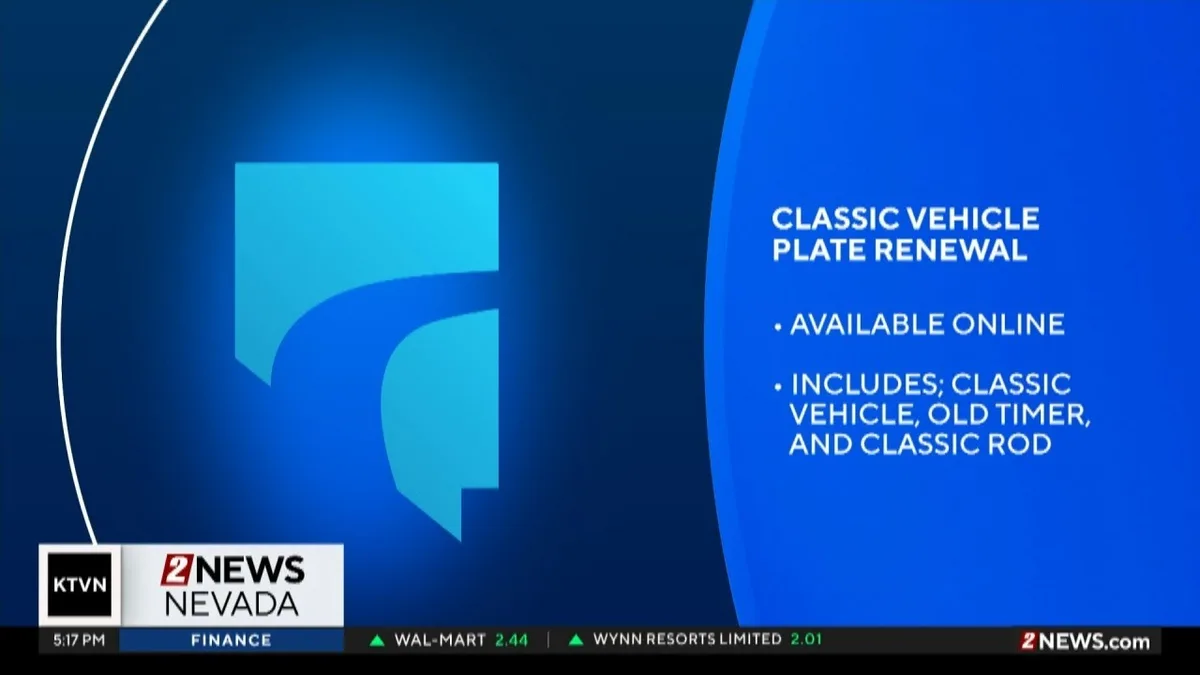
- Historic Vehicle Plate: For vehicles 25 years or older. Requires proof of age and passing a historic vehicle inspection.
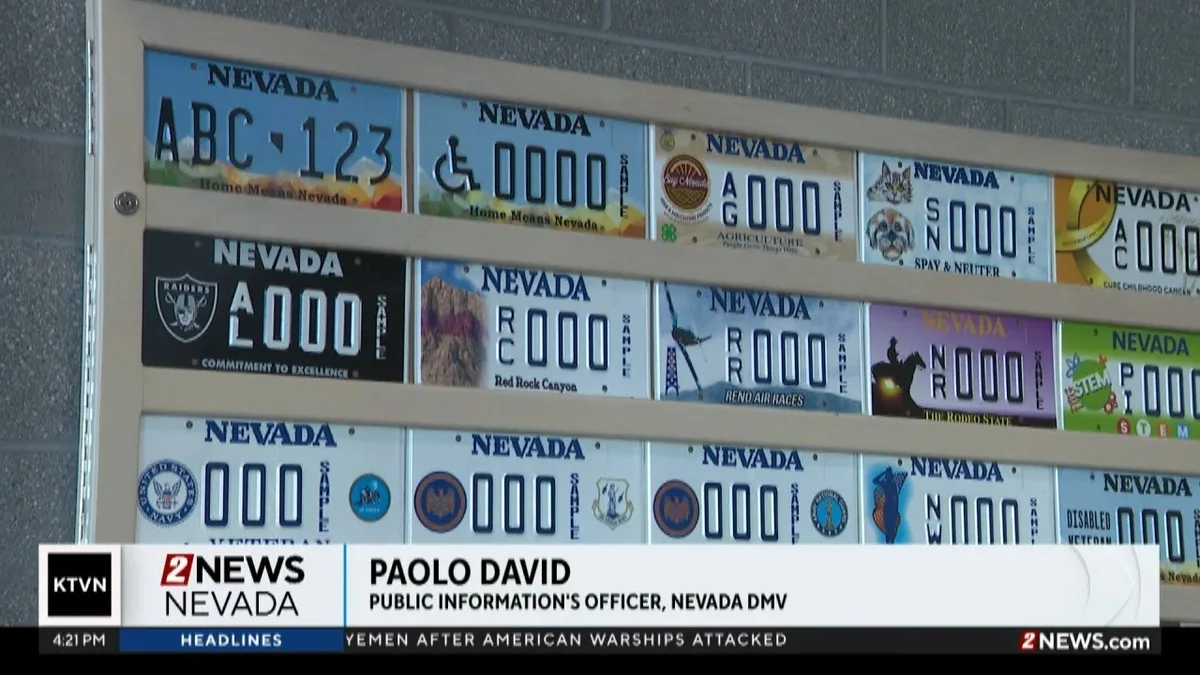
You can apply for specialty plates through the Nevada DMV website, by mail, or in person at a DMV office. Some plates may require additional documentation, such as proof of military service or vehicle age.
Custom and Vanity Plates: What’s Allowed and How to Get One
Vanity plates let you personalize your plate with a custom combination of letters, numbers, or spaces. Nevada allows up to 7 characters, including one space, but there are restrictions. The DMV prohibits combinations that are offensive, misleading, or already in use.
The fee for a vanity plate is around $60 initially, plus a $25 annual renewal fee. You can check availability and order online through the DMV’s vanity plate portal. Processing typically takes 4 to 6 weeks, so plan ahead if you need the plate by a specific date.
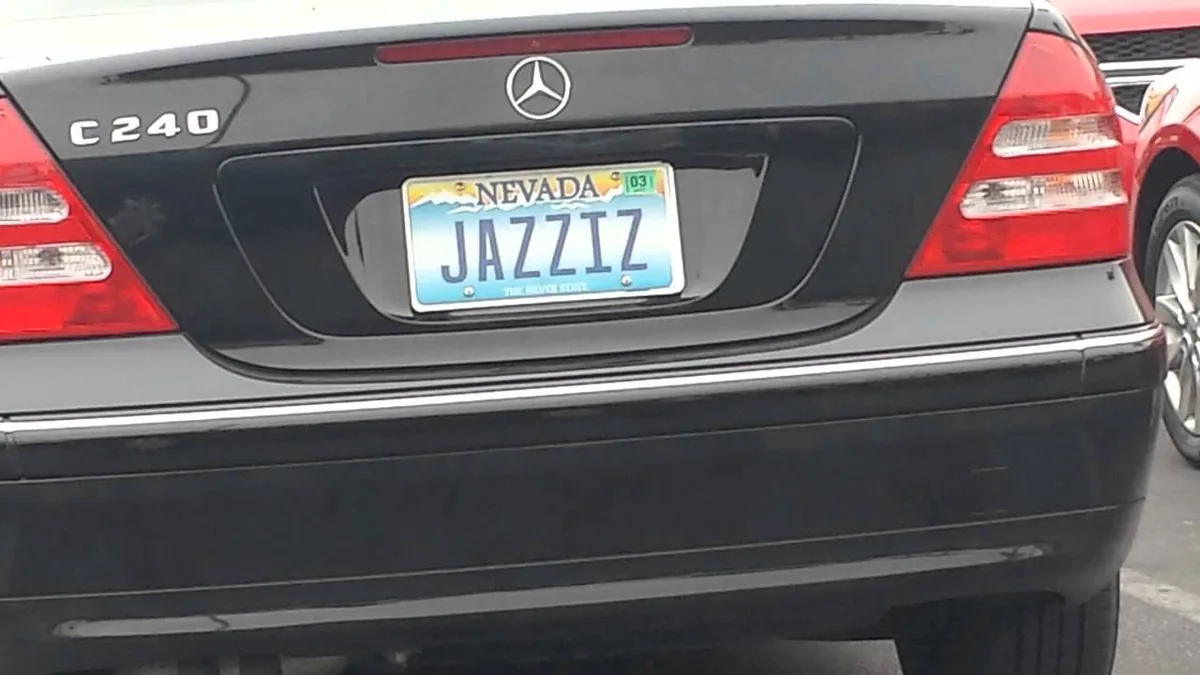
If your requested combination is unavailable, the DMV will notify you and offer alternatives. Once approved, your vanity plate is yours as long as you renew it annually. If you let it lapse, the combination may become available for someone else to claim.
Historic, Military, and Disability Plates: Requirements and Benefits
Nevada offers special plates for historic vehicles, military personnel, and individuals with disabilities. Each type has unique eligibility criteria and benefits.
Historic Vehicle Plates
To qualify, your vehicle must be at least 25 years old and pass a historic vehicle inspection. These plates have a distinct design and may come with reduced registration fees. You’ll need to provide proof of the vehicle’s age, such as the title or a manufacturer’s certificate.
Military and Veteran Plates
Nevada provides several plates for active-duty military, veterans, and their families. Examples include:
- Disabled Veteran Plate: Free for qualifying veterans. Requires a DD Form 214 or VA letter confirming a service-connected disability.
- Purple Heart Plate: For recipients of the Purple Heart medal. Requires proof of award.
- POW Plate: For former prisoners of war. Requires documentation from the VA or military records.
Disability Plates and Placards
If you have a disability that limits mobility, you can apply for a disability plate or placard. These allow you to park in designated accessible spaces. You’ll need a signed statement from a licensed physician or healthcare provider confirming your eligibility.
Disability plates are free, but placards may have a small fee.
How to Apply for or Replace a Nevada License Plate
Applying for or replacing a Nevada license plate is straightforward. You can do it online, by mail, or in person at a DMV office. Here’s how each process works:
Online
The fastest way to order standard, specialty, or vanity plates is through the Nevada DMV website. You’ll need your vehicle’s title or registration, proof of insurance, and payment for any fees. Online orders typically arrive within 10 to 14 business days.
By Mail
To apply by mail, download and complete the appropriate form from the DMV website. Include a check or money order for the fees, along with any required documentation. Mail everything to the address listed on the form.
In Person
Visit your local DMV office with the required documents and payment. This is the best option if you need your plates immediately or have questions about eligibility. Bring your vehicle’s title or registration, proof of insurance, and any additional paperwork for specialty plates.
If your plate is lost, stolen, or damaged, report it to the DMV as soon as possible. You’ll need to fill out a replacement request and pay a fee, which is typically around $8 for standard plates. For stolen plates, you may also need to file a police report.
Nevada Plate Fees: Standard vs. Specialty vs. Custom
Standard plates are included with your initial registration at no extra cost. Replacement standard plates cost about $8. Specialty plates add $30 to $100 or more depending on the design, with a portion often going to the associated cause.
Vanity plates run around $60 upfront plus a $25 annual renewal fee. Military and disability plates are typically free for qualifying individuals. Historic vehicle plates may have reduced registration fees but require an inspection.
Here’s a quick fee breakdown:
| Plate Type | Initial Fee | Annual Fee | Notes |
|---|---|---|---|
| Standard | Free | $0 | Included with registration |
| Specialty | $30–$100+ | Varies | Supports specific programs |
| Vanity | ~$60 | $25 | Custom text, 7 characters max |
| Military/Disability | Free | $0 | Requires proof of eligibility |
Nevada License Plate Laws: What You Must (and Must Not) Do
Nevada law requires your plate to be securely fastened, unobstructed, and clearly visible at all times. Only the rear plate is mandatory, but if you use a front plate, it must match the rear. Covering any part of the plate with a frame or decorative item that hides letters or numbers can result in a fix-it ticket.
You must keep your plate clean and legible. Dirty or damaged plates that can’t be read from 50 feet away may lead to a citation. If your plate is faded or unreadable, replace it promptly through the DMV.
Avoid altering your plate in any way. Drilling extra holes, painting over it, or adding stickers that obscure the design or text is illegal. These modifications can void your registration and result in fines.
Common Mistakes with Nevada Plates (And How to Avoid Them)
One of the most common mistakes is using a front plate that doesn’t match the rear. Nevada doesn’t require a front plate, but if you choose to display one, it must be identical to the rear plate. Mismatched plates can lead to confusion and potential citations.
Another frequent issue is improper plate mounting. Plates must be mounted horizontally and securely fastened. Vertical mounting or loose plates that swing or tilt are not allowed.
Use the pre-drilled holes and ensure the plate is level.
Many drivers also overlook the importance of keeping their plate visible. Even a decorative frame that covers the edges of the plate can be problematic if it obscures any part of the text or design. Stick to thin, non-reflective frames that don’t interfere with readability.
Why Nevada License Plate Colors and Designs Matter
The colors and designs of Nevada’s license plates aren’t just for aesthetics. They serve practical purposes, like easy identification by law enforcement and toll systems. The reflective materials and high-contrast colors ensure plates are readable in various lighting conditions.
Specialty plates also play a role in supporting state programs. For example, revenue from wildlife conservation plates funds projects to protect Nevada’s natural habitats. University plates often contribute to scholarship funds or academic programs.
For drivers, the right plate can be a point of pride. Whether it’s showing support for a cause, honoring military service, or simply personalizing your vehicle, your plate choice can reflect your identity.
Frequently Asked Questions
How do I check if a vanity plate is available in Nevada?
Use the Nevada DMV’s online vanity plate checker. Enter your desired combination to see if it’s available. If it’s taken, the system will suggest alternatives.
Can I transfer my specialty plate to a new vehicle?
Yes, you can transfer a specialty plate to a new vehicle. Visit a DMV office or update your information online. You’ll need to pay any applicable transfer fees.
What should I do if my plate is stolen?
Report the theft to the police and file a report. Then, visit a DMV office to request a replacement plate. You may need to provide the police report and pay a replacement fee.
Are there any restrictions on plate frames in Nevada?
Yes. Plate frames cannot obscure any part of the plate, including the text, numbers, or state seal. Stick to thin, non-reflective frames that don’t cover the edges.
How often do I need to renew my Nevada license plate?
Nevada license plates are tied to your vehicle registration, which must be renewed annually. You’ll receive a renewal notice by mail with instructions on how to renew.
Can I get a refund if I no longer want my specialty plate?
No, specialty plate fees are non-refundable. Once you’ve purchased a specialty plate, the fee cannot be reimbursed, even if you switch to a standard plate later.