ByMax Lee
New Hampshire Commercial Vehicle Registration & Weight Rules
New Hampshire commercial vehicle registration and weight restrictions exist to keep roads safe and prevent damage to bridges and pavement. If you operate a truck or commercial rig in the Granite State, getting these rules right matters. Miss a step and you could face fines, delays, or even being turned away at a weight station.
The state enforces strict gross weight limits of 80,000 pounds for interstate combinations and specific axle limits that vary by configuration. As of 2026, the New Hampshire Division of Motor Vehicles requires commercial vehicles to carry valid registration, proper plates, and sometimes special permits for oversized loads.
Quick Answer: NH Commercial Vehicle Rules at a Glance
New Hampshire commercial vehicle registration and weight restrictions apply to vehicles used for business purposes with a gross vehicle weight rating of 10,001 pounds or more. Commercial vehicles must register with the NH DMV and display current plates.
Weight limits follow federal standards with some state-specific rules for oversize loads. Drivers need a Commercial Driver's License if the vehicle exceeds 26,001 pounds or transports hazardous materials. Oversize or overweight permits come from the NH Division of Motor Vehicle Safety Bureau.
Do You Need Commercial Registration in New Hampshire?
You need commercial registration in New Hampshire if your vehicle meets specific weight or usage criteria. The state defines a commercial motor vehicle as any self-propelled or towed vehicle used on highways for commercial purposes with a gross vehicle weight rating of 10,001 pounds or more.
Some vehicles fall outside this definition. Farm equipment used for agricultural purposes often gets special treatment. Vehicles registered in another state may qualify for reciprocity through the International Registration Plan.
Interstate carriers must comply with both NH state rules and federal regulations.
Consider these common scenarios to determine your obligations:
- A local delivery truck weighing 14,000 pounds GVWR needs commercial registration
- A farmer hauling crops on private roads may qualify for agricultural exemptions
- An interstate trucking company operating through NH must file with IRP
- Vehicles under 10,000 pounds GVWR typically do not need commercial plates
YouTube / NH Division of Motor Vehicles (YouTube thumbnail (fair-use with source credit))
How New Hampshire Defines a Commercial Vehicle
New Hampshire classifies commercial vehicles based on weight, usage, and cargo type. The classification system determines registration requirements, plate types, and applicable regulations. Understanding how NH defines commercial vehicles helps you avoid misclassification and wrong fees.
The state uses several key definitions that determine whether your vehicle falls under commercial rules. Gross Vehicle Weight Rating means the maximum operating weight of a single vehicle as specified by the manufacturer. This includes the vehicle itself plus payload, fuel, and accessories.
Weight-Based Classifications
The NH DMV groups commercial vehicles into classes based on GVWR. Each class carries different registration requirements and fee structures.
| Vehicle Class | GVWR Range | Typical Use |
|---|---|---|
| Class A | Over 26,001 lbs | Large trucks, tractor-trailers |
| Class B | 10,001-26,000 lbs | Straight trucks, delivery vehicles |
| Class C | Under 10,001 lbs | Small commercial vans, buses |
Usage-Based Definitions
Beyond weight, NH considers how you use the vehicle. Commercial purposes include transporting goods for hire, moving property in furtherance of a business, or carrying passengers for compensation. Personal vehicles used occasionally for business purposes may not trigger commercial registration requirements.
Some vehicles require special endorsements regardless of weight. Tanker vehicles transporting liquids need hazard communication training. Vehicles carrying placarded hazardous materials require federal registration through the Unified Carrier Registration program.
Weight Restrictions in NH: The Hard Limits
New Hampshire enforces weight limits that protect roads and bridges from excessive damage. These limits follow federal standards set by the Department of Transportation. Commercial operators must understand and respect these restrictions to avoid fines and safety violations.

YouTube / May Trucking Company (YouTube thumbnail (fair-use with source credit))
Federal and State Axle Limits
The federal bridge formula and state statutes establish maximum weights for different axle configurations. NH enforces the following limits as of 2026:
- Single axle: 22,400 pounds maximum
- Tandem axle: 44,000 pounds maximum
- Gross weight on any highway: 80,000 pounds maximum
These limits apply to all vehicles operating on public highways. Some rural roads and bridges carry lower posted weight limits. Heavy vehicles must plan routes to avoid restricted roadways.
Size Restrictions
Weight is not the only constraint. New Hampshire enforces size limits that affect what vehicles can legally operate:
| Dimension | Maximum Limit |
|---|---|
| Width | 8 feet 6 inches |
| Height | 13 feet 6 inches |
| Length (single vehicle) | 40 feet |
| Length (combination) | 65 feet |
| Length (special permit) | Up to 75 feet |
Vehicles exceeding these dimensions need special permits before operating on NH highways. Oversized loads often require escort vehicles and restricted travel times.
Winter and Seasonal Adjustments
New Hampshire reduces weight limits during spring thaw to protect roads weakened by freeze-thaw cycles. The Division of Motor Vehicle Safety Bureau announces spring thaw restrictions annually. Dates vary based on weather conditions and road status.
During spring thaw, NH reduces maximum allowable weights by approximately 20 percent on affected roads:
- Gross weight limit drops to 64,000 pounds
- Single axle limit reduces to 18,000 pounds
- Tandem axle limit reduces to 35,000 pounds
Permits You'll Need for Oversize or Overweight Loads
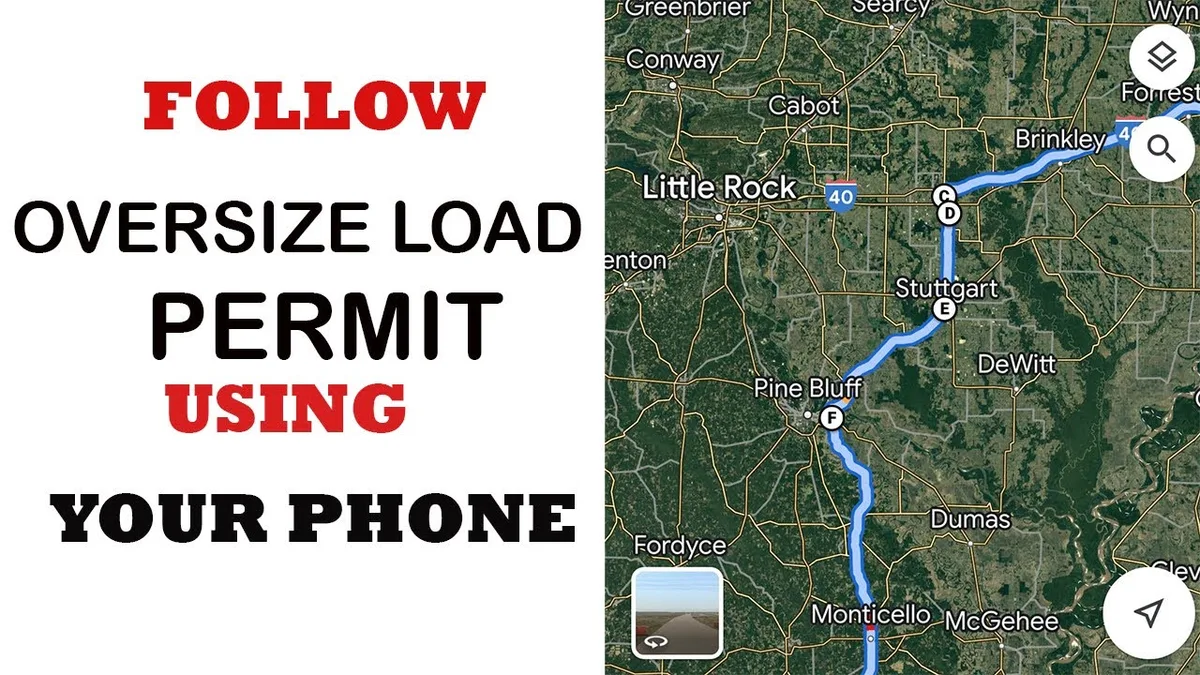
Some commercial vehicles exceed standard weight or size limits and require special permits to operate legally. New Hampshire issues these permits through the Division of Motor Vehicle Safety Bureau. Operators must apply before traveling and display permits visibly during transport.
YouTube / Gerardo El Trailero Palacios (YouTube thumbnail (fair-use with source credit))
Types of Special Permits
NH offers different permit categories depending on what your load requires:
- Single trip permits allow one journey with an oversized load
- Annual permits cover multiple trips for operators with recurring oversized hauls
- Overweight permits authorize loads exceeding standard weight limits
- Oversize permits cover width, height, or length violations
Application Requirements
Each permit type carries different documentation requirements. You typically need to provide vehicle specifications, load dimensions, weight distribution details, and proposed routes. The NH DMV reviews applications for safety and road impact before approval.
Permit fees vary based on load characteristics and trip duration. Single trip permits for moderate oversize loads range from $25 to $200. Annual permits for regular oversized haulers cost significantly more but save money for frequent operators.
Step-by-Step: Registering a Commercial Vehicle in NH
Registering a commercial vehicle in New Hampshire follows a clear process. The NH DMV handles all commercial registrations and issues appropriate plates. Getting it right the first time avoids fines and keeps your operation running smoothly.
YouTube / NH Division of Motor Vehicles (YouTube thumbnail (fair-use with source credit))
Required Documents
Gather these documents before visiting the DMV or submitting online:
- Manufacturer's certificate of origin or current title
- Bill of sale showing purchase price
- Proof of insurance meeting NH minimum requirements
- Previous registration from another state if applicable
- Commercial vehicle statement of factual information
Fee Structure
Registration fees depend on vehicle weight and class. The NH DMV calculates fees based on gross vehicle weight rating.
| Vehicle Weight Category | Estimated Annual Fee |
|---|---|
| 10,001-14,000 lbs | $75-150 |
| 14,001-26,000 lbs | $150-300 |
| Over 26,000 lbs | $300-600+ |
Application Process
You can register commercial vehicles in person at any NH DMV office or through certain mail-in procedures. Complete the commercial vehicle registration application and submit with required documents and payment.
Interstate carriers should also register through the International Registration Plan for apportioned registration. IRP simplifies multi-state operations by distributing fees based on miles traveled in each jurisdiction.
Intrastate vs. Interstate: Which Rules Apply to You?
Your commercial vehicle operations determine whether state or federal rules govern your registration and compliance. New Hampshire enforces different requirements for vehicles operating purely within state lines versus those crossing state boundaries.
Intrastate Commercial Operations
Vehicles operating exclusively within New Hampshire follow state-specific rules. These vehicles need NH commercial registration and must meet state weight and size requirements. Drivers need appropriate CDL endorsements for hazardous materials or tank vehicles.
Interstate Commercial Operations
Vehicles traveling across state lines face additional federal requirements. Interstate carriers must register through the International Registration Plan for apportioned plates. The UCR program requires annual reporting and fee payment based on fleet size.
Federal regulations impose stricter standards on interstate operators. Hours of service rules, drug testing programs, and electronic logging devices become mandatory.
Seasonal Restrictions: Spring Thaw and Other Limits
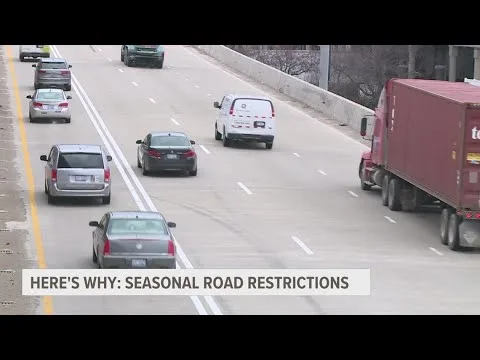
New Hampshire imposes temporary weight restrictions during spring thaw to protect roads damaged by winter freeze cycles. These seasonal limits affect all commercial vehicles regardless of permit status.
YouTube / 13 ON YOUR SIDE (YouTube thumbnail (fair-use with source credit))
Spring thaw restrictions disrupt normal hauling schedules and capacities. Carriers must either reduce load weights or wait for restrictions to lift. Monitor NH DOT announcements during late winter to plan ahead.
CDL Requirements for Commercial Vehicles in NH
A Commercial Driver's License is mandatory for operating certain commercial vehicles in New Hampshire. The requirement applies to vehicles with a GVWR over 26,001 pounds, vehicles towing over 10,000 pounds, or those transporting hazardous materials.

YouTube / License Lookup (YouTube thumbnail (fair-use with source credit))
CDL classes correspond to vehicle types. Class A covers combination vehicles over 26,001 pounds. Class B applies to single vehicles over 26,001 pounds.
Class C is for vehicles transporting 16+ passengers or hazardous materials.
Endorsements add specific qualifications. Tanker, doubles/triples, and passenger endorsements require additional testing. Hazardous materials endorsements need a TSA background check.
Common Mistakes That Lead to Fines (and How to Avoid Them)
Operating without proper registration tops the list of violations. Many drivers assume personal plates cover light commercial use. Always verify GVWR and usage with the NH DMV before hitting the road.
Exceeding weight limits triggers immediate penalties. Single axle violations start at $100 per 1,000 pounds over. Tandem axle violations can reach $500 per 1,000 pounds over.
Missing permits for oversize loads causes costly delays. Some operators assume standard registration covers all scenarios. Oversize loads always need special permits regardless of registration status.
NH DOT Weight Stations: What to Expect
Weight stations check compliance with size and weight regulations. All commercial vehicles over 10,000 pounds GVWR must stop when stations are open. Bypass is only allowed with a valid transponder and pre-approved status.
Inspectors verify registration, insurance, and CDL status. They check weight distribution across axles and overall gross weight. Vehicles found over limits face immediate out-of-service orders until corrected.
Random inspections occur even when stations appear closed. Mobile units and roadside checks catch violators between fixed locations.
Expert Tips to Stay Compliant and Avoid Delays
Plan routes using NH DOT's approved truck network. Avoid roads with posted weight restrictions below your vehicle's capacity. GPS systems designed for trucks help prevent costly detours.
Maintain accurate weight records for each load. Use certified scales before departure and after loading. Small adjustments to cargo placement can bring overweight axles into compliance.
Schedule permit applications well in advance. Some oversize permits take days to process. Annual permits save time for regular haulers but require careful route planning.
Final Decision Guide: What to Do Next Based on Your Vehicle
Check your vehicle's GVWR first. If it's under 10,001 pounds, standard registration likely suffices. Over that threshold means commercial registration is mandatory.
For vehicles over 26,001 pounds, verify CDL requirements. Tanker or HazMat endorsements may apply. Always confirm with the NH DMV before operating.
If hauling oversize or overweight loads, apply for permits early. Route planning is critical to avoid restricted roads. Spring thaw brings temporary limits that require schedule adjustments.
Frequently Asked Questions
What is the maximum weight for a commercial vehicle in NH?
The maximum gross weight for commercial vehicles in New Hampshire is 80,000 pounds. This follows federal standards for interstate combinations. Single axle limits are 22,400 pounds, tandem axles 44,000 pounds.
Do I need a CDL for a 26,000 pound truck in NH?
Yes, a CDL is required for any single vehicle with a GVWR of 26,001 pounds or more. This includes most large straight trucks and all tractor-trailers. Class B CDL covers single vehicles in this weight range.
How much does commercial vehicle registration cost in NH?
Fees vary by weight class and vehicle type. Light commercial vehicles (10,001-14,000 lbs) typically pay $75-150 annually. Heavier vehicles (26,000+ lbs) can cost $300-600+ per year.
When are spring weight restrictions in effect?
Spring thaw restrictions usually run from March through May. Exact dates depend on weather conditions and road status. The NH DOT announces specific start and end dates annually.
Can I operate an oversize load without a permit?
No, all oversize loads require special permits from the NH Division of Motor Vehicle Safety Bureau. Operating without proper permits risks immediate out-of-service orders and substantial fines.