ByMax Lee
NH Vehicle Registration Fees by Age & Type
New Hampshire vehicle registration fee based on vehicle age and type varies significantly across the state. If you recently bought a car or are renewing your plates, understanding how the fee structure works can save you money and headaches. The good news is that New Hampshire uses a straightforward system that rewards older vehicles and gives you flexibility depending on what you drive.
Our research into New Hampshire Division of Motor Vehicles guidelines shows that passenger vehicles under three years old typically pay a flat registration fee, while older vehicles face reduced costs. The state also offers various plate options and registration periods that can affect your final bill. Let's break down exactly how this works so you know what to expect.
How New Hampshire Vehicle Registration Fees Work
The New Hampshire Bureau of Motor Vehicles calculates registration fees using a combination of vehicle age, type, and weight. When you register your vehicle in the Granite State, the fee you pay reflects both the value of your vehicle and the category it falls into.
YouTube / NH Division of Motor Vehicles (YouTube thumbnail (fair-use with source credit))
Understanding the basics helps you plan ahead and avoid surprises at the DMV. The key factors that determine your fee include the model year of your vehicle, whether it's for personal or commercial use, and the weight rating if applicable.
New Hampshire offers both one-year and two-year registration options for most passenger vehicles. Choosing the two-year option can save you money in the long run since you avoid the annual renewal fees. However, you'll need to pay both years upfront.
The state also collects additional fees for specialty plates, vanity plates, and special registrations. These extras can add significant costs to your registration bill. Standard plates are the most economical option if you're looking to minimize your annual expenses.
Quick Answer: What You'll Pay Based on Age and Type
New Hampshire vehicle registration fee based on vehicle age and type follows a clear pattern that benefits owners of older vehicles. Passenger cars under three years old pay a flat fee of approximately $37 for a one-year registration. Vehicles older than three years see a reduction in fees based on their age bracket.
YouTube / FormsPal (YouTube thumbnail (fair-use with source credit))
Here's a simple breakdown of what most drivers can expect to pay:
- Vehicles 0-3 years old: Flat fee around $37 annually
- Vehicles 4-6 years old: Reduced rate, typically $25-30 annually
- Vehicles 7-10 years old: Further reduction, approximately $18-22 annually
- Vehicles over 10 years old: Lowest rate, often under $15 annually
Motorcycle registration follows a different fee schedule based on engine displacement. Commercial vehicles are assessed based on weight rather than age alone.
These figures represent baseline registration fees. Additional costs like title fees, plate fees, and local taxes will increase your total bill.
The Fee Structure by Vehicle Age
Vehicle age is the primary factor determining your registration cost in New Hampshire. The state uses model year to calculate fees, with newer vehicles paying more than older ones.

Bing (Web (fair-use with source credit))
Here's how age affects your registration fee:
| Vehicle Age | Annual Fee Range | Two-Year Fee Range |
|---|---|---|
| 0-3 years | $35-40 | $70-80 |
| 4-6 years | $25-30 | $50-60 |
| 7-10 years | $18-22 | $36-44 |
| 11+ years | $12-16 | $24-32 |
These ranges apply to standard passenger vehicles registered for personal use. Weight-based vehicles like trucks and commercial vehicles follow a separate fee structure.
Understanding your vehicle's age bracket helps you predict costs before visiting the DMV.
The Fee Structure by Vehicle Type
New Hampshire categorizes vehicles into different types, each with its own fee schedule. Your vehicle type determines not just the registration cost but also the plate options available to you.
Passenger vehicles represent the most common registration category. This includes cars, SUVs, and light trucks used for personal transportation. The fees for these vehicles follow the age-based structure we covered earlier.
Motorcycles have their own registration category based on engine size. Smaller engines under 50cc cost less to register than larger displacement machines.
YouTube / CBS Philadelphia (YouTube thumbnail (fair-use with source credit))
Commercial vehicles fall into a separate classification with weight-based fees. These include trucks used for business purposes, heavy equipment, and commercial trailers.
Specialty vehicles like farm equipment, antique cars, and historic vehicles may qualify for reduced fees. New Hampshire offers special plate options for these categories that can lower your annual costs.
Special Cases: EVs, Hybrids, Antiques, and Trailers
Certain vehicle types qualify for special registration considerations in New Hampshire. Electric vehicles and hybrids face unique registration considerations. Some states offer tax incentives or fee reductions for electric vehicles.
Antique and classic vehicles may qualify for historic vehicle plates. These plates often come with reduced registration fees and limited use restrictions. Historic vehicles typically must be at least 25 years old and maintained in original condition.
Trailer registration follows different rules than passenger vehicles. The cost depends on trailer weight and whether it's used for personal or commercial purposes.

YouTube / ONLINE BY VIKRAM (YouTube thumbnail (fair-use with source credit))
Special interest vehicles like muscle cars, vintage trucks, and collector items often qualify for enthusiast plates.
Step-by-Step: How to Find Your Exact Fee
Getting your exact registration fee requires checking a few key details about your vehicle. Gather your vehicle information before starting the registration process. You'll need the vehicle identification number, current title, and proof of insurance.
Visit the official New Hampshire DMV website to access the fee calculator. The online tool allows you to input your vehicle details and receive an estimated fee.
Check for any additional fees that might apply to your situation. Title transfer fees, plate replacement fees, and local taxes can increase your total cost.
Consider whether a two-year registration makes financial sense for your situation. Paying both years upfront often provides a small discount compared to annual renewals.
Where and How to Pay Your Registration Fee
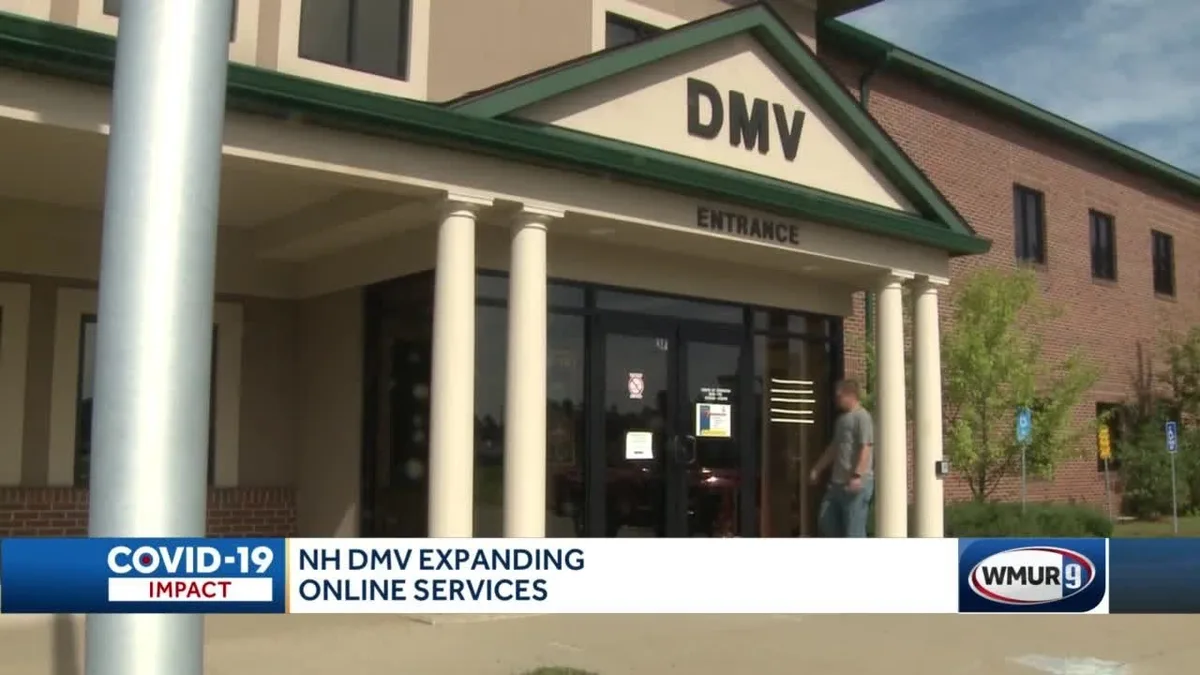
New Hampshire offers multiple payment options for vehicle registration. You can complete the process online, by mail, or in person at a DMV office.
Online registration is the most convenient option for most drivers. The New Hampshire DMV website allows you to register your vehicle from home.
YouTube / WMUR-TV (YouTube thumbnail (fair-use with source credit))
Mail-in registration works well if you prefer not to visit a DMV office in person. You'll need to mail your completed application, proof of insurance, and payment to the appropriate address.
In-person registration at a DMV office is the most traditional method. Payment methods accepted by the New Hampshire DMV include credit cards, debit cards, checks, and money orders.
Common Mistakes That Cost You Extra
Several common mistakes can increase your New Hampshire vehicle registration costs. Late registration is one of the most costly mistakes drivers make. New Hampshire charges penalties for late renewals that can add significant amounts to your bill.
Incorrect vehicle classification leads to wrong fee calculations. Misidentifying your vehicle type or weight rating can result in underpayment or overpayment.
Forgetting about additional fees is another frequent error. Title fees, plate fees, and local taxes often get overlooked in budget calculations.
NH Registration Costs vs. Neighboring States
New Hampshire’s registration fees are generally lower than those in Massachusetts and Vermont. Those states often charge higher base fees plus additional taxes that New Hampshire avoids.
Maine’s fees are closer to New Hampshire’s, but they include a sales tax that NH doesn’t have. Rhode Island charges more for newer vehicles and adds a gas tax component.
Here’s a quick comparison of annual passenger vehicle fees for a 3-year-old car:
| State | Base Fee | Additional Taxes | Total Estimate |
|---|---|---|---|
| NH | $37 | None | $37 |
| MA | $60 | 6.25% sales tax | $60+ |
| VT | $76 | 6% sales tax | $76+ |
| ME | $35 | 5.5% sales tax | $35+ |
Frequently Asked Questions
Do I need a vehicle inspection to register in NH?
Yes, New Hampshire requires a safety inspection before registration. This applies to both new and used vehicles. The inspection must be completed at an authorized station.
Can I transfer my out-of-state registration to NH?
Yes, but you’ll need to provide proof of ownership, a completed application, and pass a NH inspection. Out-of-state titles must be transferred within 20 days of establishing residency.
What’s the fee for a temporary registration?
Temporary registrations in NH cost around $20 and are valid for 20 days. These are useful when you need to drive a newly purchased vehicle before completing full registration.
Are there any exemptions from registration fees?
Certain vehicles, like those owned by government agencies or used for agricultural purposes, may qualify for exemptions. Check with the NH DMV for specific eligibility requirements.
How do I calculate my exact registration fee?
Use the NH DMV’s online fee calculator. Input your vehicle’s year, make, model, and type. The tool will provide an accurate estimate based on current rates.
What payment methods does NH DMV accept?
The NH DMV accepts credit cards, debit cards, checks, and money orders. Cash is not accepted at most locations. Online payments require a card.
Mistakes to Avoid When Registering in NH
Missing the inspection deadline is a common error that delays registration. New Hampshire requires a safety inspection before you can register. Schedule your inspection early to avoid last-minute issues.
Another frequent mistake is using the wrong vehicle classification. If you register a commercial vehicle as personal, you might face penalties later. Double-check your vehicle type against NH DMV guidelines before submitting paperwork.
Paying with cash at a DMV office often causes problems since most locations don’t accept it. Bring a check, money order, or card to avoid being turned away.
Official Resources and Next Steps
The New Hampshire DMV website is your best resource for current fee schedules and forms. It offers an online fee calculator, office locations, and hours of operation.
For in-person help, visit your local DMV office. Staff can answer questions about special cases like EVs or antique vehicles.
The NH DMV also provides a phone helpline for general inquiries. Have your vehicle details ready when calling for faster service.