ByMax Lee
NH Child Car Seat Law: Requirements for Kids 8 & Under
New Hampshire child restraint law and car seat requirements for ages 8 and under can feel confusing, but the rules exist to keep kids safe. One wrong assumption about height, weight, or age can put a child at serious risk in a crash.
Per New Hampshire RSA 265:107-a, children under 7 must be in a child restraint system, and those under 8 must use a booster if they’re under 57 inches tall. That’s the baseline, but the details matter just as much as the law itself.
Quick Answer
New Hampshire child restraint law and car seat requirements for ages 8 and under mandate a child restraint for kids under 7. Children under 8 must use a booster seat if they’re under 57 inches tall. The law applies to all passenger vehicles.
Fines for non-compliance can reach $100.
Why This Law Exists (And Why It Matters)
Car crashes are a leading cause of injury and death for children. New Hampshire’s law isn’t just a suggestion, it’s a legal requirement designed to reduce those risks. Without proper restraints, a child can be ejected or severely injured even in a minor collision.
The numbers back this up. According to the NHTSA, child restraints reduce the risk of fatal injury by 71% for infants and 54% for toddlers. That’s why the state takes these rules seriously, and why parents should too.
New Hampshire Car Seat Law: The Short Answer
If your child is under 7, they must be in a child restraint system. Once they turn 7, they can transition to a seat belt only if they’re at least 57 inches tall. If they’re under 8 and under 57 inches, they still need a booster seat.
This isn’t just about age, height and weight play a critical role. A child who’s 7 but only 4’5” tall isn’t ready for a seat belt alone. The law is clear, but the real-world application depends on your child’s size.
Breaking Down NH RSA 265:107-a
New Hampshire’s child passenger safety law, RSA 265:107-a, sets the legal framework for car seat and booster seat use. Here’s what it requires:
- Children under 7: Must be secured in a federally approved child restraint system.
- Children under 8 and under 57 inches: Must use a booster seat.
- Front seat restrictions: Children under 13 are safest in the back seat.
- Penalties: Violations can result in fines up to $100.
The law doesn’t specify the exact type of car seat, but it does enforce the use of a restraint system appropriate for the child’s age, height, and weight. Always follow the manufacturer’s guidelines for your specific car seat model.
Car Seat Types and When to Use Them
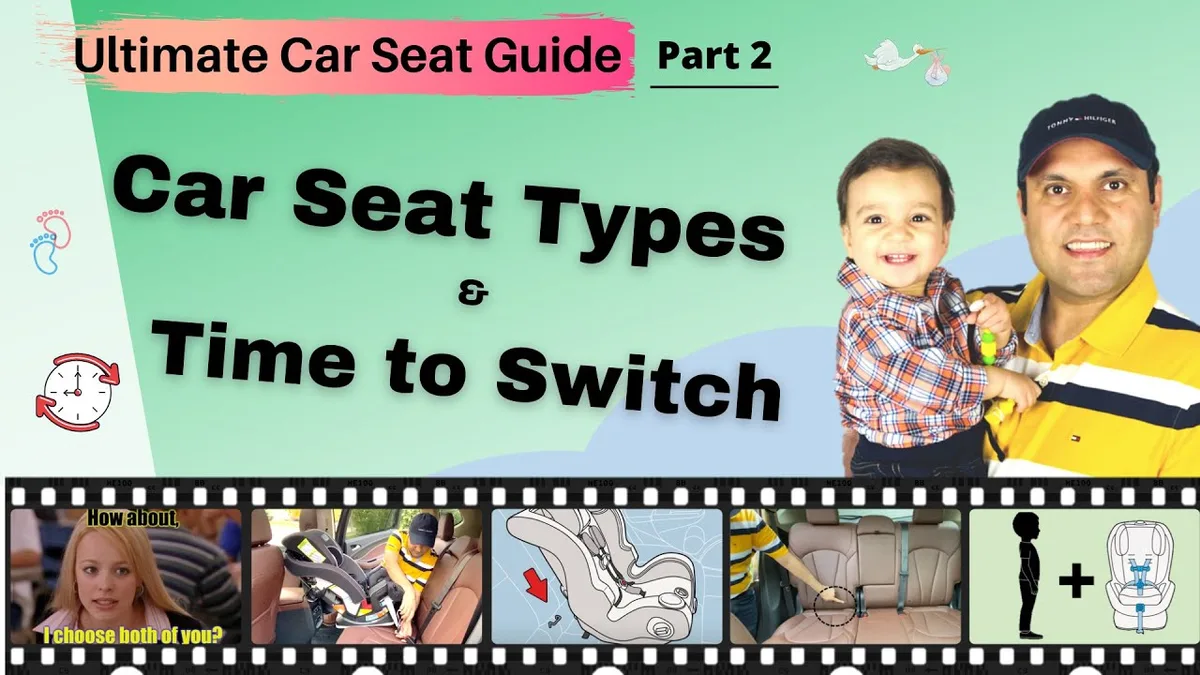
Not all car seats are the same, and the right one depends on your child’s stage of development. Here’s a breakdown of the main types and when to use them:
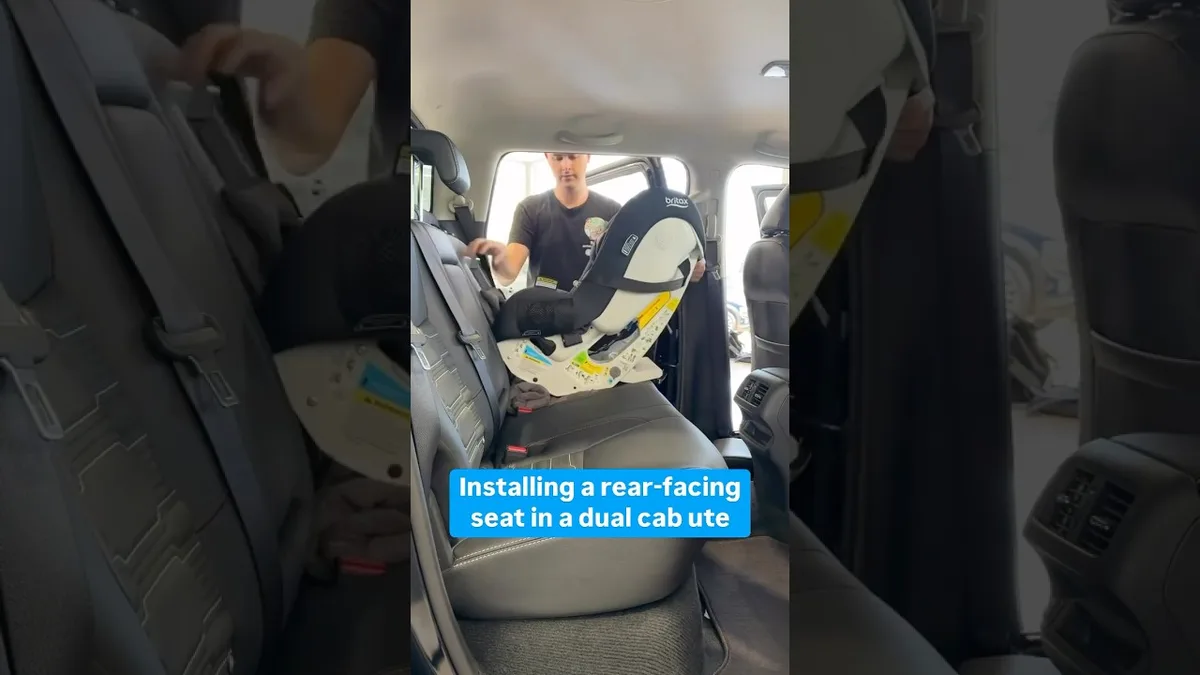
- Rear-facing seats: For infants and toddlers. These are the safest option for young children because they support the head, neck, and spine in a crash. Keep your child rear-facing as long as possible, at least until age 2, but ideally until they outgrow the seat’s height or weight limit.
- Forward-facing seats with a 5-point harness: For toddlers and preschoolers who’ve outgrown their rear-facing seat. These seats use a harness to secure the child and should be used until the child reaches the seat’s maximum height or weight limit.
- Booster seats: For children who’ve outgrown their forward-facing seat but aren’t yet tall enough for a seat belt to fit properly. Boosters lift the child so the seat belt sits correctly across the chest and hips.
Each type serves a specific purpose, and transitioning too soon can compromise safety. Always check the car seat’s manual for height and weight limits.
Each seat also has an expiration date, usually 6 to 10 years from the manufacture date. Using an expired seat risks structural weaknesses that could fail in a crash.
Height, Weight, and Age: The Three Numbers That Matter
New Hampshire’s law hinges on three key measurements: age, height, and weight. Here’s how they interact:
- Age under 7: Must use a child restraint system, regardless of height or weight.
- Age 7 to 8: Must use a booster seat if under 57 inches tall.
- Height under 57 inches: Even if a child is 8 or older, they need a booster until they pass this threshold.
Weight limits vary by seat type. Rear-facing seats typically accommodate 5 to 40+ lbs, forward-facing seats 20 to 65+ lbs, and boosters 40 to 120 lbs. Always confirm the specifics in your seat’s manual.
The seat belt fit test is the final check. A child is ready to ditch the booster when:
- Their back is flat against the vehicle seat
- Their knees bend at the edge of the seat
- The lap belt sits low on the hips, not the stomach
- The shoulder belt crosses the chest, not the neck or face

Most kids don’t pass this test until they’re 10 to 12 years old, even if they meet the height requirement earlier.
Safe Installation: Getting It Right the First Time
A car seat is only as safe as its installation. The most common mistake isn’t the wrong seat. It’s a seat that’s not secured properly.
Use the LATCH system or seat belt, but never both. The seat should not move more than 1 inch side-to-side or front-to-back at the belt path. For rear-facing seats, ensure the base is at a 30 to 45 degree angle to support the child’s head.

Forward-facing seats require the top tether to be anchored. This reduces head movement in a crash by up to 6 inches. Always check your vehicle’s manual for tether anchor locations.
Common Mistakes Parents Make in New Hampshire
Even well-meaning parents get this wrong. Loose harness straps, incorrect recline angles, and early transitions to the next seat stage top the list.
Harness straps should be snug enough that you can’t pinch excess strap at the shoulder. The chest clip must sit at armpit level. A bulky winter coat can create dangerous slack.
Remove it before buckling.

Another frequent error is moving a child to a booster too soon. If the seat belt doesn’t fit properly without a booster, they’re not ready. The same goes for front-seat riding.
Kids under 13 are safest in the back.
When to Seek Professional Help
If you’re unsure about installation, get it checked. New Hampshire offers free car seat inspections at fire stations, police departments, and hospitals.
Certified technicians will verify the seat type, installation method, and harness fit. They’ll also check for recalls and expiration dates. Bring your car seat manual and vehicle owner’s manual to the appointment.
Many parents assume they’ve done it right, only to find critical errors. A 10-minute check can prevent a lifetime of regret.
Frequently Asked Questions
Can my 7-year-old ride in the front seat?
No, not safely. While NH law doesn’t explicitly ban it, the back seat is far safer for all children under 13. Airbags can injure smaller passengers in a crash.
Is a backless booster legal in New Hampshire?
Yes, but only if the child meets the height and weight requirements for a booster. A backless booster must be used with a lap-and-shoulder belt, never a lap-only belt.
What if my child is tall but still under 8?
Height trumps age. If they’re under 57 inches, they need a booster regardless of age. The seat belt fit test is the final word.
Do all vehicles in NH need car seats?
Yes. The law applies to all passenger vehicles, including rideshares and taxis. There are no exemptions for short trips or low-speed zones.
What happens if I’m pulled over without a proper restraint?
You’ll face a fine of up to $100. More importantly, your child is at risk. Police officers can and do stop drivers for visible child restraint violations.
When can a child stop using a booster seat in NH?
A child can stop using a booster once they’re 8 years old and at least 57 inches tall. The seat belt must also pass the fit test.
Verified Summary: NH Car Seat Rules at a Glance
| Age | Height Requirement | Required Restraint |
|---|---|---|
| Under 7 | Any | Child restraint system (car seat) |
| 7 to 8 | Under 57 inches | Booster seat |
| 8+ | 57 inches or taller | Seat belt (if fit test passes) |
For the safest ride, follow both the law and the AAP recommendations. Keep kids rear-facing as long as possible, then use a forward-facing harness, then a booster until the seat belt fits correctly.