ByMax Lee
NH School Bus Stop Law: What Drivers Must Do on Divided
New Hampshire’s school bus stop law confuses a lot of drivers, especially on divided highways. The New Hampshire school bus stop law for all drivers on divided highways depends on your direction and whether there’s a physical median, and getting it wrong can mean fines or worse.
Per New Hampshire RSA 265:52, the rule changes based on road design. Here’s how to know when you must stop and when you can keep moving.
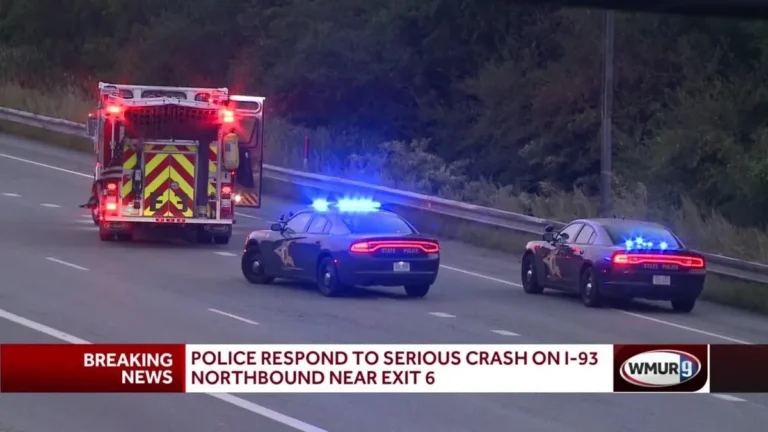
YouTube / Colleen Rogers (YouTube thumbnail (fair-use with source credit))
Quick Answer
The New Hampshire school bus stop law for all drivers on divided highways requires you to stop if you’re traveling in the same direction as the bus. If you’re on the opposite side of a divided highway with a physical median, you may proceed with caution. Red flashing lights always mean stop if you’re behind the bus.
Amber lights mean prepare to stop.
The Quick Rule: When You Must Stop (and When You Don’t)
If you’re behind a school bus with its red lights flashing and stop arm extended, you must stop. It doesn’t matter if it’s a divided highway or not, same direction means stop.
If you’re on the opposite side of a divided highway with a physical median, you don’t have to stop. The median acts as a barrier, so children won’t be crossing your lane. But you should still slow down and watch for unexpected movement.
How Divided Highways Change the Rule
A divided highway has a physical barrier like a concrete median, grass strip, or other separation between directions of traffic. This is what changes the rule.
On an undivided highway, all traffic in both directions must stop for a school bus with flashing red lights. On a divided highway, only traffic moving in the same direction as the bus must stop.
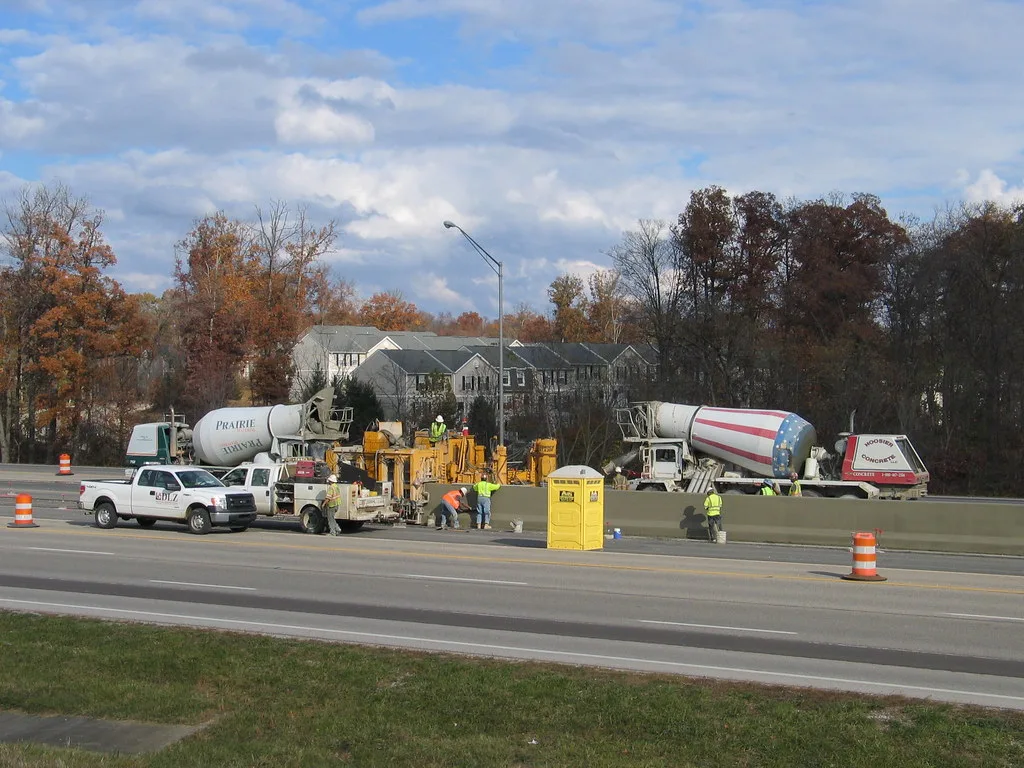
Openverse / ITB495
The key is the median. Without it, the road is considered undivided, and the standard stop rule applies to all lanes.
Same Direction vs. Opposite Direction: The Critical Difference
If you’re traveling in the same direction as the school bus, you must stop when its red lights are flashing. This applies whether the highway is divided or not.
If you’re traveling in the opposite direction on a divided highway, you may proceed. The physical median prevents children from crossing into your lane, so the law doesn’t require you to stop.
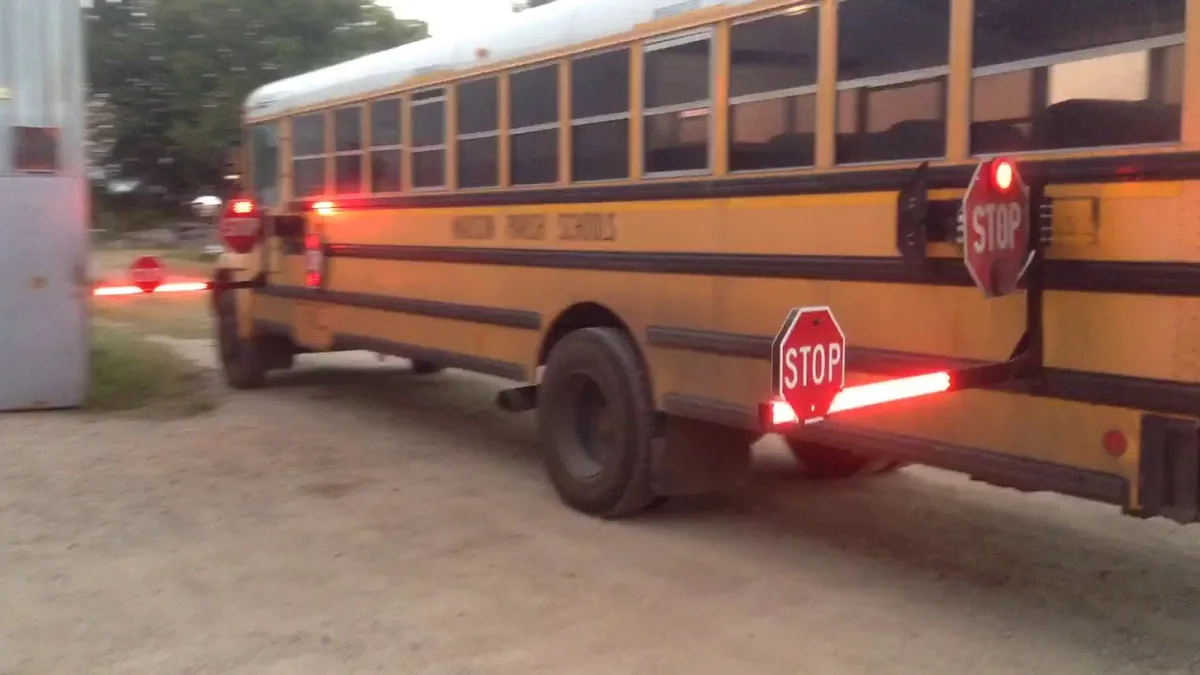
YouTube / Safely Cross (YouTube thumbnail (fair-use with source credit))
But always stay alert. Kids can be unpredictable, and a median doesn’t guarantee safety.
The Exact Steps to Take When You See a School Bus
When you see a school bus with amber lights flashing, prepare to stop. This is your warning that the bus is about to come to a full stop.
If the red lights start flashing and the stop arm extends, come to a complete stop. Remain stopped until the bus resumes motion and the lights turn off.
On a divided highway, check your direction relative to the bus. If you’re on the same side, stop. If you’re on the opposite side with a median, you may proceed but do so carefully.
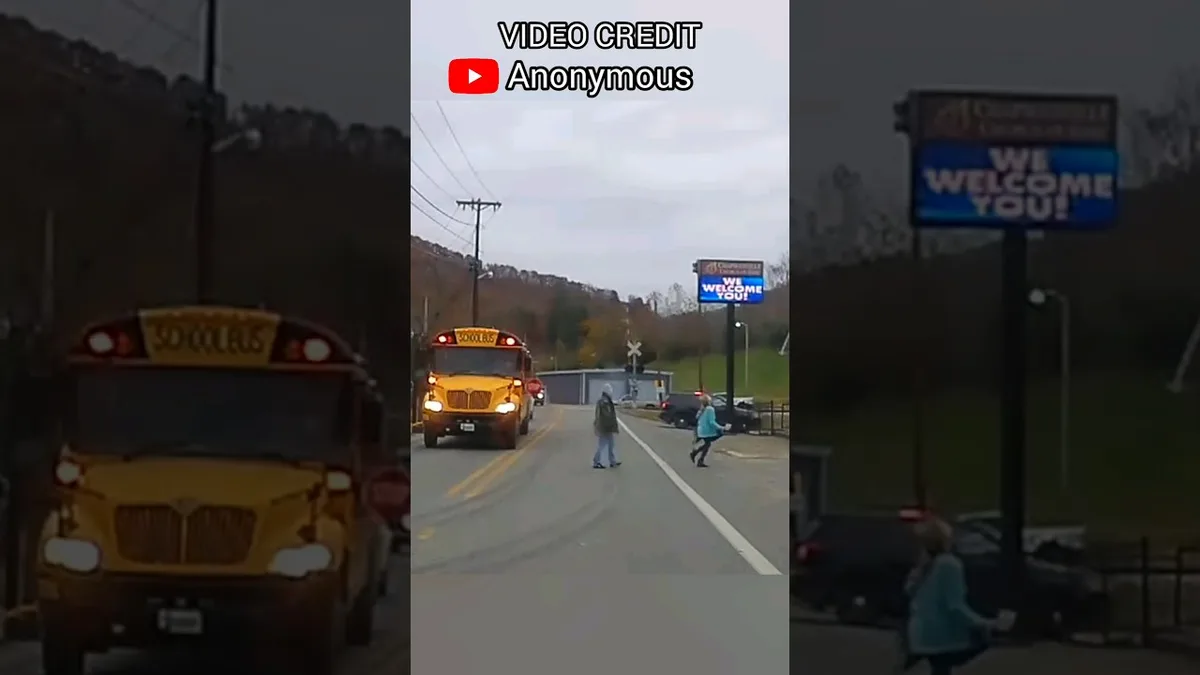
YouTube / Dash Crash Cam (YouTube thumbnail (fair-use with source credit))
Never pass a school bus with its stop arm extended. This is illegal and extremely dangerous. As of 2026, New Hampshire enforces this rule strictly, with fines starting at $250 for first offenses.
That penalty can quickly escalate for repeat violations.
Common Mistakes Drivers Make (and How to Avoid Them)
Many drivers mistakenly believe they don’t need to stop for a school bus on a divided highway. This assumption can be dangerous and illegal if you’re traveling in the same direction.
Another common error is misidentifying what qualifies as a divided highway. A center turn lane doesn’t count as a physical median. If the highway lacks a concrete barrier or grassy strip, treat it as undivided and stop for the bus.
Drivers also sometimes begin passing too soon. You must wait until the bus’s red lights stop flashing and the stop arm retracts before proceeding. Amber lights alone don’t mean you can go, they mean prepare to stop.

YouTube / ViralHog (YouTube thumbnail (fair-use with source credit))
To avoid these mistakes, always scan for physical medians before deciding whether to stop. When in doubt, stop. It’s better to be safe and slightly delayed than to risk a child’s life or face legal consequences.
Penalties for Breaking the Law in NH
Violating New Hampshire’s school bus stop law carries real consequences. A first offense typically results in a minimum fine of $250. Repeat violations can lead to higher fines and possible license suspension.
If a violation causes an accident, charges can escalate to criminal level. The state takes child safety seriously, and enforcement has tightened in recent years.
Beyond legal penalties, drivers should consider the moral weight of breaking this law. Children are vulnerable when boarding or exiting school buses. Every second you spend stopped protects a child.
Real-Life Scenarios: What to Do in These Situations
Let’s walk through a few common situations to help clarify the rules.
If you’re driving north on a divided highway and see a school bus stopped in your lane with red lights flashing, you must stop. The bus is loading or unloading children who may cross your lane.
If you’re driving south on the same highway, separated by a concrete median, and see the same bus stopped in the opposite lanes, you may proceed with caution. The median prevents children from entering your side of the road.
On a rural two-lane road without any median, you must stop if a school bus is in either direction with red lights flashing. Both lanes are considered undivided.
YouTube / Vocab Dictionary (YouTube thumbnail (fair-use with source credit))
These scenarios highlight why understanding road design matters. When you’re unsure whether a highway is divided, assume it’s not and stop for the bus.
What Counts as a “Divided Highway” in New Hampshire?
A divided highway has a physical barrier between opposing traffic lanes. This can be a concrete median, a grassy strip, or even a raised curb. The barrier must be solid enough to prevent pedestrians from crossing.
A center turn lane does not count as a divided highway. Neither do painted lines or double yellow lines. If there’s no physical barrier, treat the road as undivided.
New Hampshire’s definition aligns with federal standards. The state’s Department of Transportation provides clear diagrams in its driver’s manual.
FAQs About NH School Bus Laws on Divided Roads
Do I have to stop for a school bus on a divided highway?
Only if you’re traveling in the same direction as the bus. If a physical median separates your lane from the bus’s lane, you may proceed with caution.
What counts as a divided highway in New Hampshire?
A divided highway has a physical barrier like a concrete median, grass strip, or raised separator between directions of traffic. Center turn lanes don’t qualify.
How much is the fine for passing a stopped school bus in NH?
Fines start at $250 for a first offense. Repeat violations and accidents can increase penalties significantly, including possible license suspension.
Can I pass a school bus if its amber lights are flashing?
No. Amber lights mean the bus is preparing to stop. You must come to a complete stop once the red lights begin flashing and the stop arm extends.
Do these rules apply to all vehicles?
Yes. The New Hampshire school bus stop law applies to all drivers, including passenger vehicles, trucks, and motorcycles.
What should I do if I'm behind a school bus on a divided highway?
Stop completely when the red lights flash and the stop arm extends. Wait until the bus resumes motion and the lights turn off before proceeding.