ByMax Lee
NH Blue & Red Light Laws for Private Cars Explained
New Hampshire blue and red light prohibition for private motor vehicles is strict and non-negotiable. The state bans these colors on any non-emergency vehicle to prevent confusion with police, fire, and EMS. Violating this law can lead to fines, inspection failures, or even criminal charges.
Per New Hampshire Revised Statutes Annotated (RSA) 266:78-a, only authorized emergency and certain exempt vehicles may display blue or red lights. This rule exists to protect public safety and maintain clear road signals.
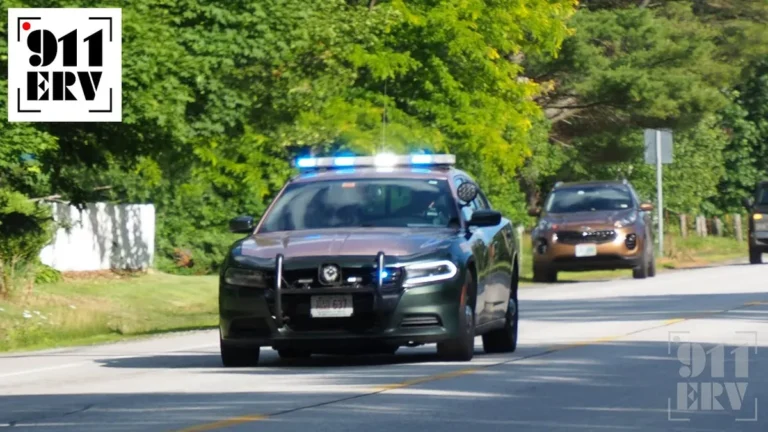
YouTube / New England Emergency Response (YouTube thumbnail (fair-use with source credit))
Quick Answer
New Hampshire prohibits blue and red lights on private vehicles. Only law enforcement, fire, and EMS vehicles are permitted. Volunteer responders may qualify with proper authorization.
Violations can result in fines up to $1,000.
What the Law Actually Says
New Hampshire’s RSA 266:78-a explicitly bans blue and red lights on private vehicles. The law applies to all visible lights, including rotating, flashing, or steady-burning types. Only authorized emergency vehicles are exempt.
The statute also regulates light placement and visibility. Any light visible from the front, sides, or rear falls under this rule. The goal is to prevent impersonation of emergency services.

YouTube / FormsPal (YouTube thumbnail (fair-use with source credit))
New Hampshire Statute RSA 266:78-a Explained
RSA 266:78-a outlines legal use of emergency lights. It restricts blue and red lights to police, fire, and EMS vehicles. Volunteer firefighters may also use these lights but only with permits.
Violations are classified as misdemeanors. Penalties include fines and potential jail time. Enforcement is handled by local police and the New Hampshire State Police.
Which Vehicle Types Are Allowed Blue and Red Lights
Authorized vehicles include police cruisers, fire trucks, and ambulances. These must meet equipment and certification standards. Volunteer firefighters may use red or blue lights with proper permits.
Other exemptions include government vehicles used for emergency management. These must display appropriate markings and be used for official purposes.
Penalties for Illegal Emergency Lights in NH
Fine Amounts and Vehicle Inspection Failures
First-time offenders face fines starting at $100. Repeat violations can reach $1,000. Courts may impose additional penalties based on circumstances.
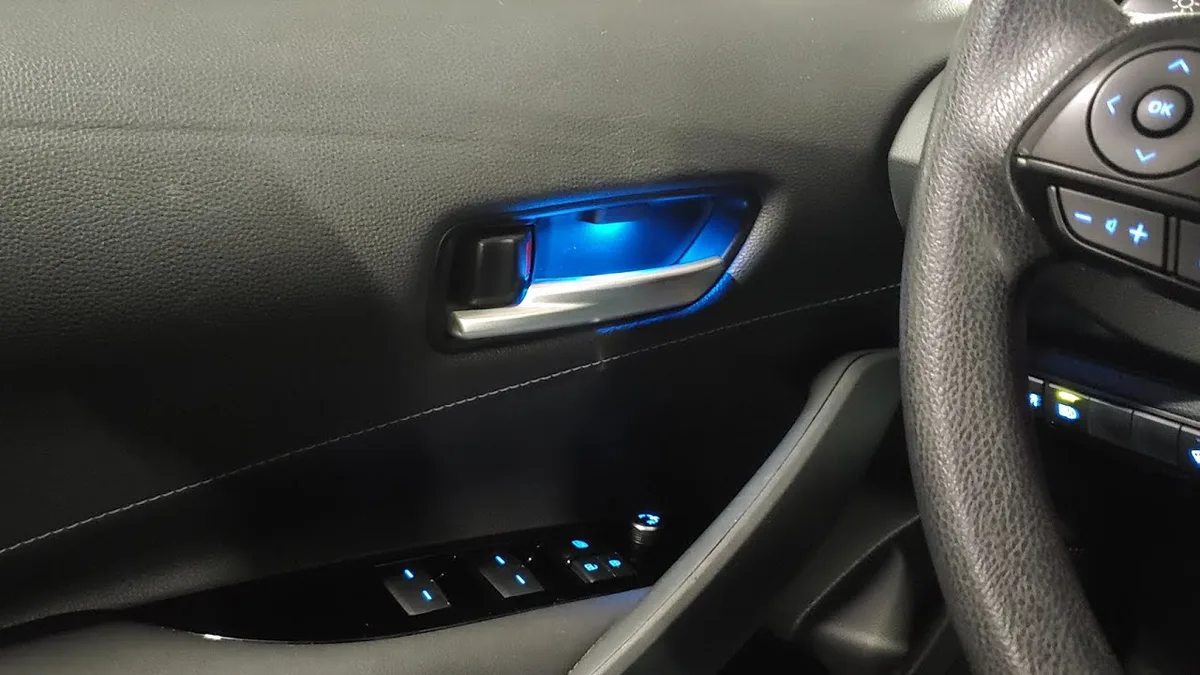
Vehicles with illegal lights will fail NH inspections. Owners must remove the lights and pass a re-inspection before the vehicle can be legally driven.
YouTube / Morozov Automotive (YouTube thumbnail (fair-use with source credit))
Potential Criminal Charges
Using blue or red lights to impersonate law enforcement is a felony. Penalties include up to 7 years in prison and fines up to $4,000. Even without impersonation, unauthorized lights can lead to misdemeanor charges.
These offenses remain on your criminal record. They can also affect your driver’s license and insurance rates.
Who Can Legally Use Blue and Red Lights
Law Enforcement Vehicles
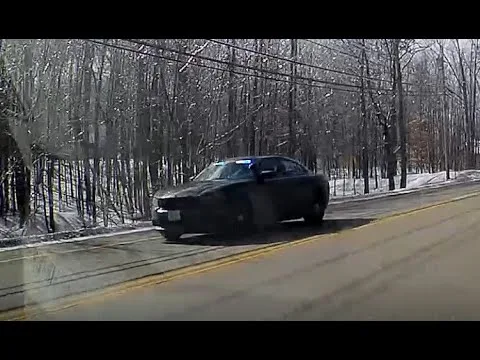
State police, sheriffs, and local police vehicles are permitted. These must be clearly marked and used for official duties. Unmarked police cars can use blue and red lights but must be identifiable as law enforcement.
Fire and EMS Vehicles
Fire trucks and ambulances are authorized. Volunteer firefighters may use red or blue lights but need proper permits. Their vehicles must be registered with the fire department.

YouTube / Alex Brown (YouTube thumbnail (fair-use with source credit))
Volunteer Firefighter Exemptions
Permits are required for volunteer firefighters. The vehicle must display appropriate markings. Lights can only be used when responding to emergencies.
Other Authorized Vehicles
Some government vehicles qualify. These include emergency management and public safety organizations. They must meet equipment standards and be used for official purposes.
Common Misconceptions About NH Emergency Lighting Laws
"Amber Lights Solve Everything" Myths
Amber lights are allowed on tow trucks, construction vehicles, and agricultural equipment. However, they cannot be used to impersonate emergency services. Placement and intensity are still regulated.
"Dash Lights Are Different from Roof Lights"
The law does not distinguish between dash lights and roof lights. Both are subject to the same regulations. If a light is blue or red, it cannot be used on a private vehicle.
"My Friend in Vermont Does It"
Neighboring states may have different laws. Vermont, for example, has more lenient rules. However, New Hampshire law applies to vehicles registered and operated within the state.
How to Stay Compliant with NH Vehicle Lighting Laws
Checking Your Vehicle Before Purchase or Modification
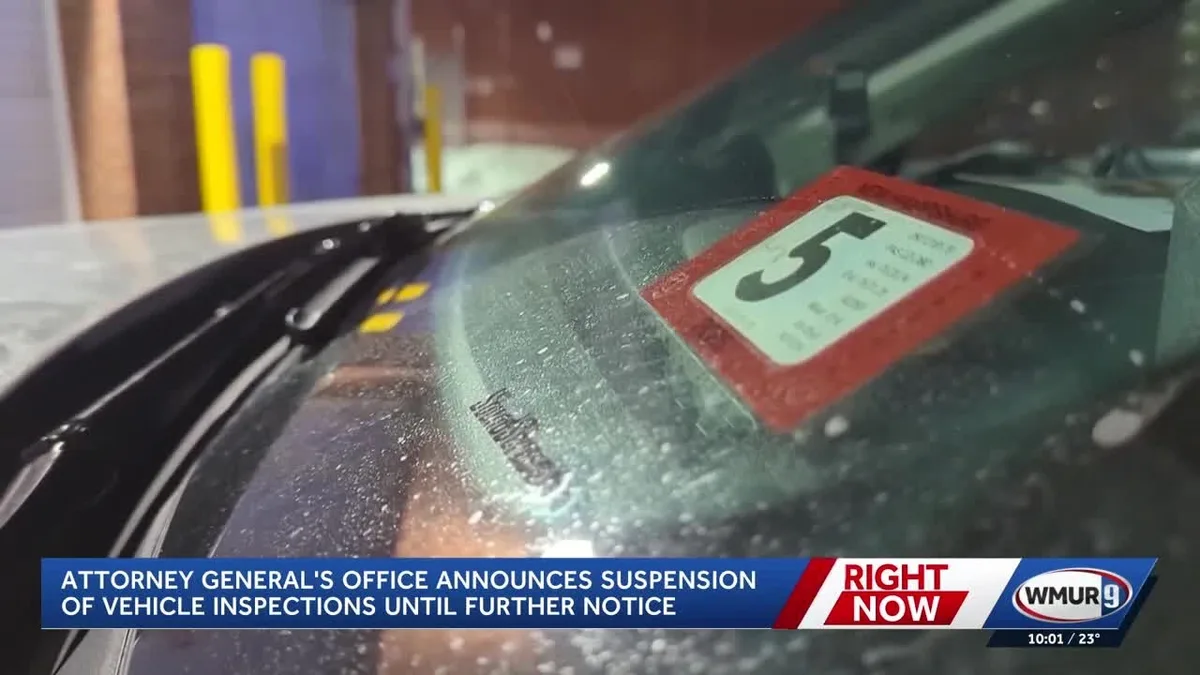
Review New Hampshire’s lighting regulations before buying or modifying a vehicle. The NH DMV website provides detailed guidelines. Consult a professional installer familiar with state laws.
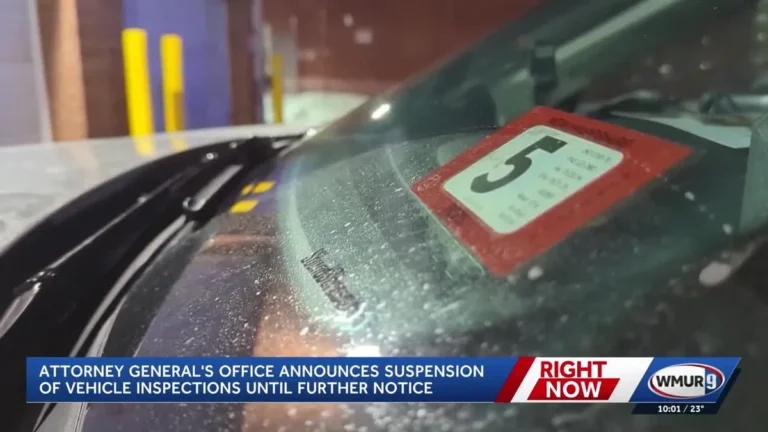
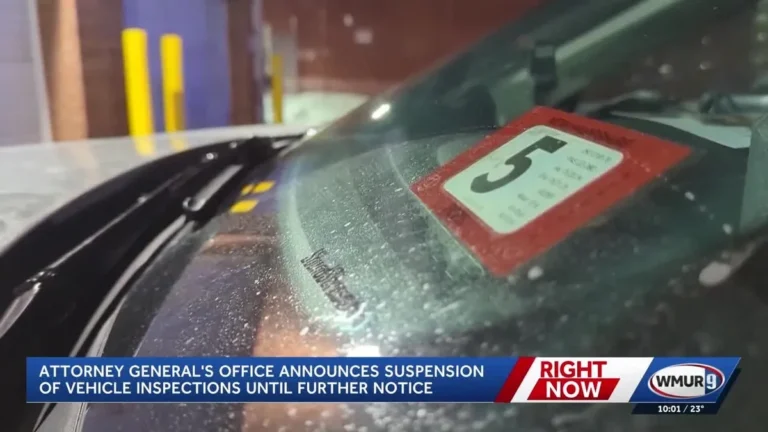
YouTube / WMUR-TV (YouTube thumbnail (fair-use with source credit))
Proper Installation for Authorized Vehicles
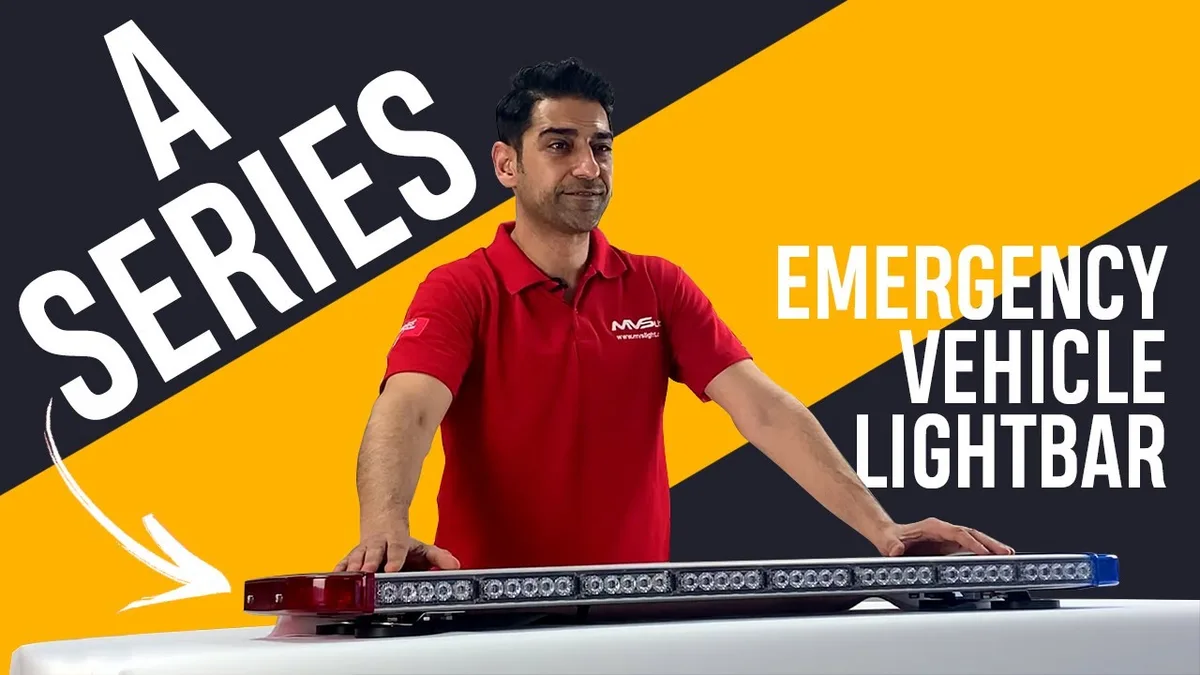
Authorized lights must meet height, spacing, and visibility requirements. Vehicles should display proper markings and decals. This helps identify them as legitimate emergency or exempt vehicles.
What to Do If You're Already in Violation
Remove illegal lights immediately. Have your vehicle inspected to confirm compliance. Contact local police or the NH DMV if you're unsure about your setup.
FAQs About New Hampshire Blue and Red Light Laws
Can I use red or blue lights on my ATV in NH?
No. ATVs cannot use blue or red lights unless they're authorized emergency vehicles.
Are white flashing lights legal on private vehicles?
No. Only emergency and exempt vehicles can use flashing white lights.
What happens if I get pulled over with illegal lights?
You'll likely receive a citation. The officer may impound your vehicle until the lights are removed. Fines range from $100 to $1,000.
YouTube / MVS Light (YouTube thumbnail (fair-use with source credit))
Can I use red or blue lights if I'm a volunteer firefighter?
Yes, but only with a permit from your local fire department. You must meet training requirements and register your vehicle.
Are blue or red lights legal on trailer hitches?
No. Trailer lighting must comply with standard regulations, which typically allow only white, yellow, and red tail lights.
Final Compliance Summary
New Hampshire's blue and red light prohibition for private motor vehicles is strict and clearly defined. The law exists to protect public safety and prevent confusion with emergency services. Violations can result in fines, inspection failures, and criminal charges.
If you own a private vehicle in New Hampshire, stick to legal lighting options. Only authorized emergency and exempt vehicles can display blue or red lights. When in doubt, consult the NH DMV or local law enforcement for guidance.
Staying compliant is straightforward when you understand the rules. This keeps roads safe and avoids unnecessary legal hassle.