ByMax Lee
NJ Tractor Road Laws & Flashing Light Rules
Driving a farm tractor on New Jersey public roads requires following specific state laws. These rules exist primarily for safety. You need proper lighting and visibility equipment to protect yourself and other drivers.
Most tractors used on roads must display a Slow-Moving Vehicle (SMV) emblem and flashing amber lights.
Failure to comply can result in fines and increased accident risk. The New Jersey Motor Vehicle Commission enforces these regulations along with the state police. Knowing the exact requirements helps you stay legal and keep your crew safe on the road.
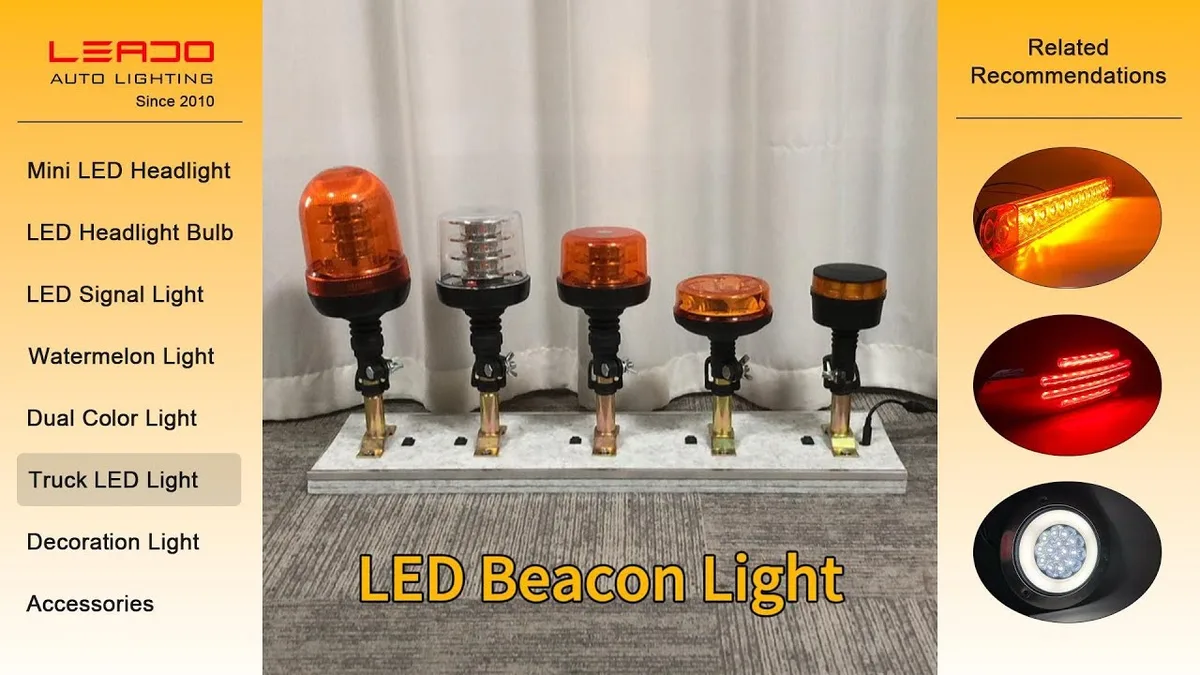
YouTube / LEADO Lighting (YouTube thumbnail (fair-use with source credit))
Quick Answer
New Jersey farm tractor road use laws and flashing light requirements mandate specific equipment for legal travel on public roads. You must mount a reflective orange triangle Slow-Moving Vehicle emblem. You also need a flashing amber light visible from 500 feet.
Headlights and taillights are required during darkness. These rules apply to any agricultural tractor traveling more than a half-mile from your farm.
The Core Rules: Lighting, Emblems, and Visibility in NJ
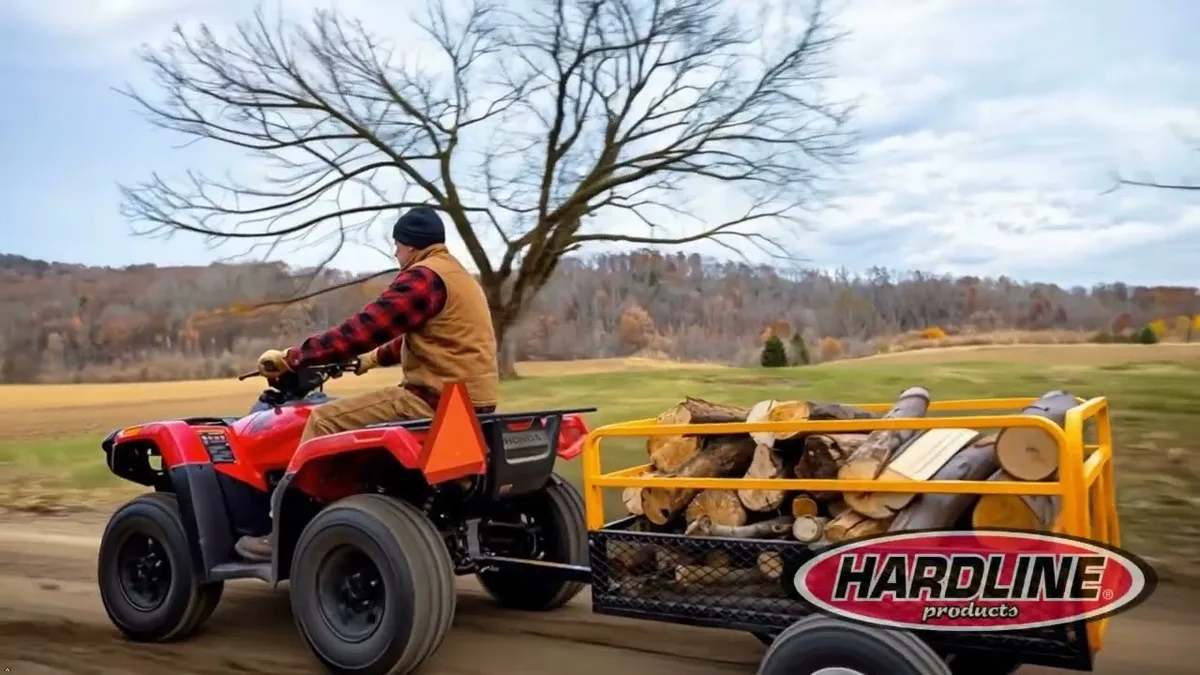
New Jersey follows federal guidelines for agricultural equipment on roads. The key rule is that any tractor moving slower than 25 mph must have an SMV emblem. This emblem is the orange and red reflective triangle.
It tells other drivers to slow down and pass carefully. The emblem must be mounted between 24 and 96 inches from the ground. You should place it on the rear of the tractor.
Lighting requirements change based on time of day. From sunset to sunrise, you must use headlights and taillights. You also need a flashing amber beacon light.
This light must be visible from at least 500 feet. It warns approaching traffic that you are operating slow-moving equipment. During daylight hours, the amber light is still recommended.
It greatly improves your visibility to other drivers.
YouTube / Hardline Products® (YouTube thumbnail (fair-use with source credit))
| Equipment | Requirement | Visibility Distance | Mounting Height |
|---|---|---|---|
| SMV Emblem | Required on tractors under 25 mph | 500 feet (day/night) | 24 to 96 inches |
| Flashing Amber Light | Required during darkness; recommended always | 500 feet | 27 to 100 inches |
| Headlights | Required from sunset to sunrise | N/A | N/A |
| Taillights | Required from sunset to sunrise | N/A | N/A |
These rules are designed to prevent accidents on busy roads. New Jersey has many rural highways where farm equipment travels. Quick and easy adjustments, like checking your lighting systems, can make a significant difference.
When Do You Need an SMV Emblem vs. Flashing Amber Lights?
Many farmers get confused about when each piece of equipment is required. The SMV emblem is non-negotiable for any tractor traveling on public roads. It is required whether you are driving during the day or at night.
If you do not have this triangle, you are not legal in New Jersey. The emblem is your baseline requirement for slow-moving vehicles.
The flashing amber light has different rules. State law requires it during darkness. However, safety experts and many county ordinances recommend it at all times.
Using it 24/7 makes your tractor much easier to see. It gives drivers more time to react to your presence. Some local areas may have stricter rules than the state.
It is always safer to run your amber light constantly.

YouTube / Alltruckled (YouTube thumbnail (fair-use with source credit))
| Scenario | SMV Emblem Required? | Amber Light Required? |
|---|---|---|
| Traveling at night | Yes | Yes |
| Traveling during daylight | Yes | Yes (Recommended) |
| Off-road on private farm land | No | No |
Think of the SMV emblem as your ID card. It identifies your vehicle as slow. The amber light is your warning signal.
It tells others to give you space. Using both together creates a comprehensive safety system.
NJ-Specific Speed, Width, and Road Use Restrictions
New Jersey has unique restrictions for farm equipment on its roads. The state defines a slow-moving vehicle as one capable of 25 mph or less. If your tractor exceeds this speed, different rules may apply.
Most agricultural tractors fall into the slow-moving category. This means you must adhere to the SMV and lighting standards mentioned.
Width is another critical factor. New Jersey limits the maximum width of vehicles on public roads to 102 inches. If your tractor and any attached implements exceed this width, you need a wide-load permit.
You will also need additional warning signs and flaggers for oversize loads. Always measure your total equipment width before hitting the road.
YouTube / Ghanshyam lodhi civil talks (YouTube thumbnail (fair-use with source credit))
| Parameter | NJ Limit | Action if Exceeded |
|---|---|---|
| Tractor Speed | 25 mph | Obtain special permits |
| Vehicle Width | 102 inches | Apply for wide-load permit |
| Turnpike Travel | Restricted | Check NJTurnpike.gov for rules |
| Side-by-Side Travel | Prohibited | Follow single-file rules |
Tractors are generally not allowed on New Jersey interstates. You must use designated farm routes or secondary roads. These roads are better suited for slower vehicles.
You should plan your routes carefully using NJ Department of Transportation maps. Avoid high-speed highways whenever possible.
Step-by-Step: How to Make Your Tractor Road-Legal in New Jersey
Getting your tractor ready for the road is a straightforward process. Start by inspecting your SMV emblem. Make sure it is clean, undamaged, and firmly attached.
Replace it if the reflective material is faded or peeling. A worn emblem is useless and can get you cited. Next, check your flashing amber light.
Ensure the lens is clear and the bulb works.
Test all your lights before you depart. Walk around the tractor to verify headlights and taillights are on. Check that the amber beacon flashes correctly.
You want all systems working before you reach the road. It is much harder to fix a burnt-out bulb while parked on a busy shoulder.
YouTube / SAFETY FOR ALL 01 (YouTube thumbnail (fair-use with source credit))
- Mount the SMV Emblem: Place it centrally on the rear. Ensure it is between 24 and 96 inches high.
- Install/Check the Amber Light: Position it high on the rear for maximum visibility. Connect it to the battery and test the flash rate.
- Verify Lighting Systems: Confirm headlights, taillights, and brake lights function properly.
- Measure Width and Height: Use a tape measure to ensure you are under 102 inches wide.
- Plan Your Route: Avoid interstates and high-speed roads. Stick to local farm routes.
Regular maintenance keeps your equipment legal. Clean your lights and emblem monthly, especially after harvest season. Dirt and chaff can block light and reflection.
Storing your tractor indoors protects these components from UV damage.
Common Mistakes That Get Farmers Fined (or Worse)
Farmers often make simple mistakes that lead to serious problems. The most common error is a dirty or faded SMV emblem. If the triangle is covered in mud or the colors are washed out, it is non-compliant.
You must keep it clean and visible at all times. Another mistake is mounting the emblem too low or too high. Keep it within the 24 to 96-inch range.
Installing the amber light in the wrong spot is another frequent issue. Do not place it behind the operator seat. It must be on the rear of the vehicle to be seen by traffic.
Some drivers also forget to turn on their lights at dusk. Even ten minutes of twilight can hide a slow tractor. Always use your lights from an hour before sunset to an hour after sunrise.

YouTube / LightComm (YouTube thumbnail (fair-use with source credit))
| Mistake | Consequence | Correct Action |
|---|---|---|
| Dirty/Faded Emblem | Fine, Safety Risk | Clean monthly, replace if faded |
| Wrong Emblem Height | Citation | Mount between 24-96 inches |
| Amber Light on Wrong Side | Danger, Fine | Mount on rear, facing traffic |
| Driving at Dusk Without Lights | High Accident Risk | Use lights from sunset to sunrise |
Why New Jersey’s Farm Tractor Road Laws Matter for Safety and Compliance
These regulations exist to prevent accidents between slow-moving farm equipment and faster traffic. New Jersey’s mix of rural and suburban roads means tractors often share space with commuters. Without proper visibility markers, drivers may not see your vehicle until it’s too late.
The state’s laws align with national standards but include specific local requirements.
Compliance isn’t just about avoiding fines. It’s about protecting lives. A properly marked tractor gives motorists the time they need to slow down and pass safely.
The NJ MVC reports that most farm vehicle accidents occur because other drivers don’t see the equipment in time. Following these rules reduces that risk significantly.
Daytime vs. Nighttime: When Extra Lighting Is Mandatory
Daytime travel has fewer lighting requirements but still demands visibility. Your SMV emblem is mandatory at all times. The amber beacon light is strongly recommended even during daylight.
Studies show it reduces rear-end collisions by up to 40 percent. At night, the rules become stricter. You must have working headlights, taillights, and the amber beacon.
The transition periods of dawn and dusk are particularly dangerous. Visibility drops quickly during these times. Many farmers get cited for not turning on lights soon enough.
A good rule of thumb is to activate all lighting systems 30 minutes before sunset and keep them on until 30 minutes after sunrise.
Local vs. State Rules: What Overrides What in NJ?
New Jersey’s state laws provide the baseline for farm tractor road use. However, local municipalities can add their own requirements. Some counties mandate additional reflective tape or flaggers for wide loads.
Others may restrict tractor travel during peak traffic hours. Always check with your local police department or county clerk’s office before moving equipment.
The NJ Department of Agriculture publishes updates on any changes to these rules. Their website is the most reliable source for current information. If you travel between counties, be aware that requirements may differ.
What’s legal in one area might earn you a ticket in another. When in doubt, over-comply rather than risk a violation.
What Happens If You’re Pulled Over? Enforcement and Penalties
New Jersey law enforcement takes farm vehicle compliance seriously. If an officer pulls you over, they will check for the SMV emblem first. Missing or improperly displayed emblems result in immediate fines.
The typical penalty ranges from $50 to $200 for first offenses. Repeat violations can lead to higher fines and points on your license.
More serious consequences come from accidents caused by non-compliance. If your lack of proper lighting or markings contributes to a collision, you could face liability for damages. Insurance may not cover incidents where the vehicle was improperly equipped.
Expert Tips to Stay Compliant and Avoid Accidents
Regular equipment checks are your best defense against violations. Make it a habit to inspect your SMV emblem and lights before every road trip. Keep spare bulbs and reflective tape in your tractor’s toolbox.
A five-minute check can save you hundreds in fines and prevent dangerous situations.
Consider joining a local farm bureau. These organizations often provide updates on changing regulations. They also offer safety training programs.
Many experienced farmers are happy to share their knowledge about navigating New Jersey’s roads safely.
Final Checklist Before Hitting the Road
Before you start the engine and head to the driveway, run through this quick verification. A few minutes of checking can prevent hours of hassle and keep you safe.
- SMV emblem is clean, undamaged, and mounted between 24, 96 inches high.
- Flashing amber beacon is installed on the rear and visible from 500 feet.
- Headlights, taillights, and brake lights all function properly.
- Vehicle width does not exceed 102 inches (or you have a wide‐load permit).
- Route avoids interstates and high‐speed Turnpike roads.
YouTube / SAFETY FOR ALL 01 (YouTube thumbnail (fair-use with source credit))
Keep this list posted in your tractor’s cab. Make it a habit to tick each item every time you plan to cross a public road. Consistent practice turns compliance into second nature.
Frequently Asked Questions
Do I need a CDL to drive a farm tractor on NJ roads?
No, a commercial driver’s license is not required for standard farm tractors. A regular Class D license suffices for most agricultural vehicles under 26,000 pounds.
Can I use LED lights instead of traditional bulbs?
Yes, LED lights are legal as long as they meet visibility and color requirements. They must emit amber light and be DOT-approved.
What if my tractor doesn’t have a place to mount the SMV emblem?
You must install a bracket or frame to properly display the emblem. Improper mounting is non-compliant and unsafe.
Are there any seasonal restrictions for tractor road use?
No statewide seasonal bans exist, but some counties may restrict travel during peak harvest times. Always verify local ordinances.
How do I report a non-compliant tractor on the road?
Contact your local police department or the NJ State Police non-emergency line. Provide the location and vehicle description.