ByMax Lee
NJ Implements of Husbandry: Definition & Road Safety Rules
New Jersey implements of husbandry definition and road safety regulations can be confusing when moving farm equipment on public roads. The state has clear rules about what qualifies as an implement of husbandry and how it must be operated safely.
As of 2026, NJDOT requires all slow-moving agricultural vehicles to display a reflective SMV emblem and meet specific lighting standards. These regulations help prevent accidents between farm equipment and regular traffic.
YouTube / Iron Solutions (YouTube thumbnail (fair-use with source credit))
Quick Answer
New Jersey implements of husbandry definition and road safety regulations cover farm equipment used for agricultural purposes. These include tractors, plows, and harvesters. They must display an SMV emblem when traveling under 25 mph.
Proper lighting is required at all times.
What Counts as an "Implement of Husbandry" in New Jersey
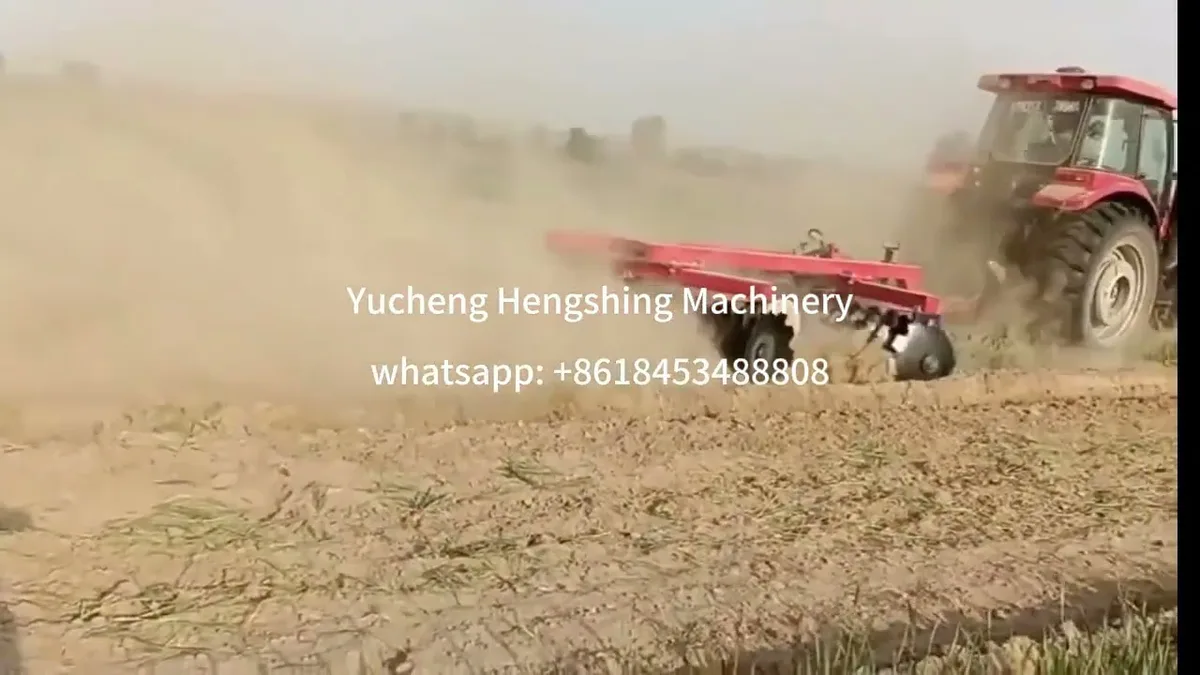
In New Jersey, an implement of husbandry is any vehicle or equipment designed primarily for agricultural purposes. This includes tractors, plows, harvesters, and other machinery used in farming operations.
The state follows the ASABE standard for classifying these vehicles. Equipment must be used exclusively or primarily for farming to qualify.
YouTube / Disc plough and harrow (YouTube thumbnail (fair-use with source credit))
Common examples include:
- Tractors and combine harvesters
- Plows, harrows, and seeders
- Manure spreaders and hay balers
SMV Emblems, Lighting, and Reflectors: What You Must Have
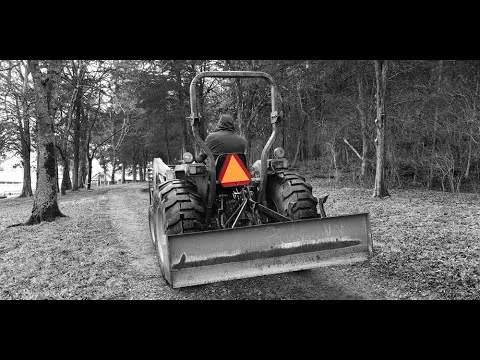
New Jersey requires all slow-moving vehicles to display a fluorescent orange SMV emblem. This triangular sign must be mounted at least 3 to 5 feet above the road surface.
Lighting requirements include:
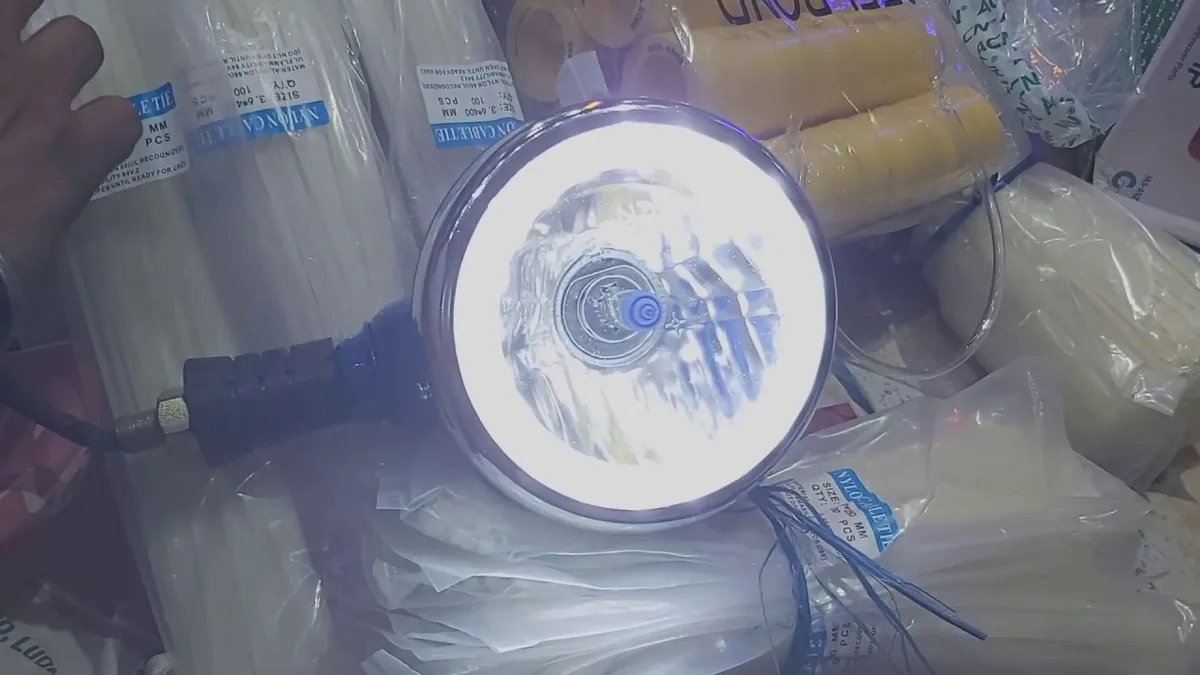
- Two white headlights visible from 1,000 feet
- Two red taillights visible from 1,000 feet
- One white license plate light
- Reflectors on both sides and rear
YouTube / MAXALIGHT (YouTube thumbnail (fair-use with source credit))
These markings are critical for visibility, especially at dawn, dusk, or night. The NJDOT provides detailed guidelines on proper placement.
Transporting Large or Oversized Farm Equipment Legally
Moving oversized farm equipment on New Jersey roads requires special considerations. Equipment exceeding standard dimensions may need a permit from NJDOT.
Key restrictions include:
- Maximum width: 8 feet 6 inches without a permit
- Maximum height: 13 feet 6 inches
- Maximum length: 50 feet for single vehicles, 75 feet for combinations

YouTube / Camera Security Now (YouTube thumbnail (fair-use with source credit))
For loads exceeding these limits, you must:
- Obtain an oversize/overweight permit
- Use escort vehicles if required
- Travel only during approved hours
- Follow specific route restrictions
Common Violations and Penalties Farmers Face in NJ
The most frequent violations involve improper or missing SMV emblems. This can result in fines up to $100 for first offenses.
Other common issues include:
- Inadequate lighting or reflectors
- Exceeding size limits without a permit
- Operating during prohibited hours
YouTube / OSU Extension Professionals (YouTube thumbnail (fair-use with source credit))
Penalties can escalate for repeat offenses. The NJ MVC enforces these regulations strictly to maintain road safety.
Safety Tips for Sharing NJ Roads with Slow-Moving Farm Equipment
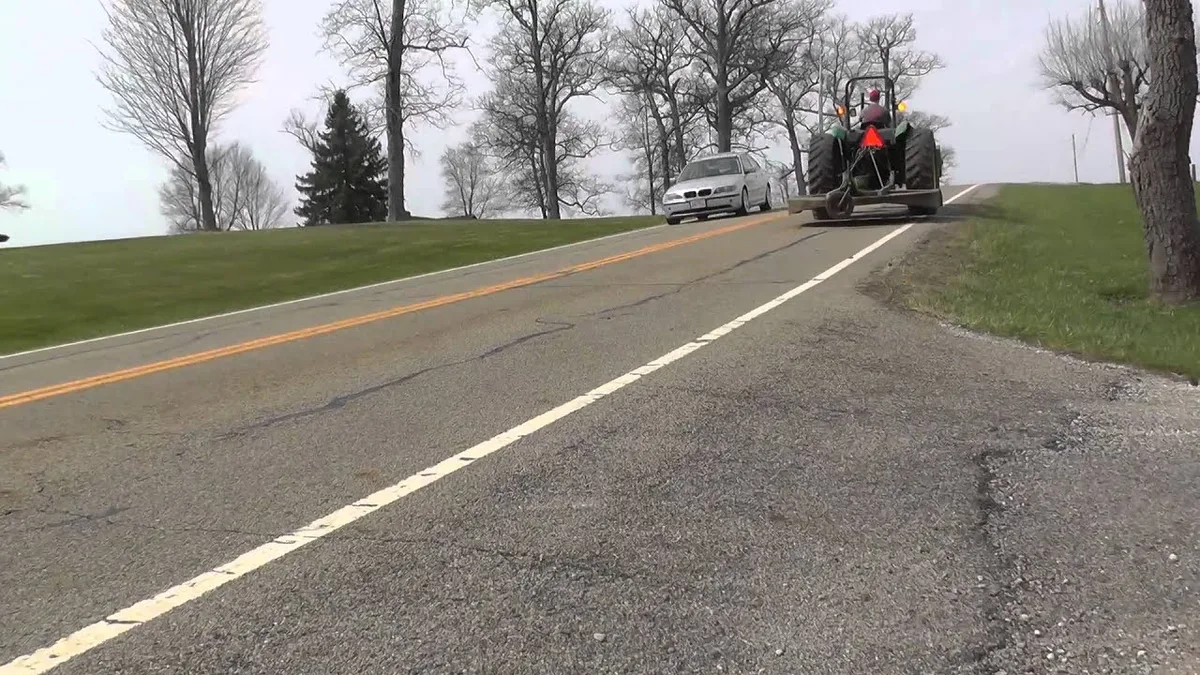
The biggest risk comes from drivers not recognizing slow-moving vehicles. Always assume farm equipment is moving at 15-20 mph or less.
Key safety practices include:
- Maintain a safe following distance
- Pass only when you have clear visibility
- Watch for hand signals from the operator
- Be especially cautious at intersections
YouTube / Prinx Malix (YouTube thumbnail (fair-use with source credit))
Remember that farm vehicles may need to make wide turns. Never pass on the right, as the equipment may swing into your lane.
When to Contact NJDOT or MVC for Clarification
Contact the MVC for registration and licensing questions. Call NJDOT for permit applications and route restrictions.
The NJ Department of Agriculture offers additional resources for both farmers and motorists.
Quick Reference: NJ Farm Vehicle Regulations at a Glance
| Requirement | Standard | Notes |
|---|---|---|
| SMV Emblem | Orange triangle | 3-5 ft height |
| Max speed | 25 mph | Must display SMV |
| Headlights | White, 1,000 ft | Required at night |
| Taillights | Red, 1,000 ft | Must match headlights |
| Width limit | 8' 6" | Permit required above |
| Height limit | 13' 6" | Permit required above |
Frequently Asked Questions
How do I know if my equipment qualifies as an implement of husbandry?
Equipment used primarily for farming activities qualifies. If it's mainly used for commercial hauling or construction, it likely won't meet the definition under New Jersey law.
Do I need a permit to drive a tractor on NJ roads?
No permit is needed for standard-sized tractors. You'll only need one if your equipment exceeds 8' 6" in width or 13' 6" in height.
What happens if I'm pulled over for missing SMV emblem?
You'll face a fine, typically $100 for first offenses. Repeat violations can result in higher penalties.
Can I tow farm equipment behind my pickup truck?
Yes, as long as the equipment qualifies as an implement of husbandry and displays proper lighting and SMV markings.
Are there seasonal restrictions for moving farm equipment?
No state-wide seasonal restrictions exist. However, local ordinances may limit movement during high-traffic periods.
Do I need to register my tractor with the state?
Yes, all farm equipment operated on public roads must be registered with the NJ MVC.
What are the consequences of non-compliance?
Beyond fines, operators face potential liability in accidents. Invalid insurance coverage may result from operating unregistered equipment.
How often should I inspect my farm vehicle's safety equipment?
Check your SMV emblem and lighting before every road trip. Replace faded emblems annually and test all lights monthly.
The Puerto Rico trailer registration options show how different jurisdictions handle similar questions. New Jersey follows its own distinct process for farm vehicle compliance.
Key NJ Road Safety Laws for Agricultural Vehicles
New Jersey treats farm equipment differently from standard vehicles. The state exempts implements of husbandry from certain registration fees but still requires compliance with safety standards.
All agricultural vehicles must follow standard traffic laws. This includes obeying traffic signals, yielding right-of-way, and maintaining safe speeds. The exemption doesn't apply to reckless operation.
The Mississippi utility trailer registration guide covers similar regulatory concepts for neighboring states.
What's the best way to transport equipment between farms?
Plan your route in advance to avoid low bridges or weight-restricted roads. Use escort vehicles for oversized loads and travel during daylight hours when possible.
Key takeaways for NJ farmers
Understanding these regulations helps you operate safely and legally. Always prioritize proper SMV emblem display and lighting. When in doubt, contact NJDOT or your local agriculture extension office for guidance.
The Montana radar detector laws explain how neighboring states handle similar equipment regulations differently.