ByMax Lee
NY Passenger Car Muffler & Exhaust Noise Rules: Avoid Fines
New York muffler and exhaust noise level regulations for passenger cars trip up even the most careful drivers every inspection season. You might assume a quiet stock exhaust keeps you fully compliant, but that’s rarely true. The rules shift entirely based on where you register your car, and what passes inspection in upstate New York will get you fined in New York City.
Most drivers don’t realize this split until they’re stuck with a failed inspection or an unexpected ticket.
As of 2026, New York State requires all passenger cars to pass an exhaust noise test as part of the mandatory annual safety inspection, per New York Vehicle and Traffic Law § 375. The official state upstate limit measures noise 20 inches from the tailpipe, while NYC uses a stricter 50-foot street measurement standard. We’re going to cut through the confusion and give you clear, actionable answers to every common question about these rules.


YouTube / Schoolhouse Auto (YouTube thumbnail (fair-use with source credit))
Quick Answer
New York muffler and exhaust noise level regulations for passenger cars set different limits based on your registration location.
Upstate New York uses a 95 dB limit measured 20 inches from the tailpipe for safety inspections.
New York City has a 70 dB limit measured 50 feet from the vehicle for street enforcement.
Antique-registered and fully electric passenger cars are exempt from noise testing.
Fines for non-compliance start at $150 and can lead to registration holds.
The Real Cost of Messing Up New York Exhaust Noise Compliance
Most New York drivers only learn they’ve violated exhaust noise rules when the bill already arrives. A failed safety inspection comes with a $20 to $30 re-inspection fee you have to pay to get your car back on the road. If a police officer pulls you over for excessive noise, you’ll face a minimum $150 ticket.
Repeat offenses can climb to $1,000 in total fines. Forced muffler replacements after a failed inspection average $200 to $800 for standard passenger cars. That’s before you account for registration delays if you can’t fix the issue before your renewal deadline.
Your Compliance Path Depends Entirely on These 4 Key Variables
There is no universal exhaust noise limit for New York passenger cars. Four specific variables determine exactly which rules apply to your vehicle, and which penalties you face for non-compliance. We break down each of these variables below, with clear examples for every scenario.
Location (NYC, Upstate NY, or Long Island)
Your car’s primary registration location is the single biggest factor in which rules apply to you. NYC uses local noise ordinances with much stricter limits than the state-level rules for upstate and Long Island. If you register your car in one zone but drive it full-time in another, the rules for your registration address are what count for inspections and tickets.
Some Long Island towns have residential noise limits as low as 60 dB between 10 PM and 7 AM, though these are rarely enforced for standard passenger cars on public roads. We’ll break down the exact limits for each zone in the decision tree section below.
Vehicle Registration Status (standard, antique, or electric)
Your registration class changes whether you have to pass a noise test at all. Standard passenger car registrations require a passing noise reading as part of the annual safety inspection. If your car is 25 or more years old and has official antique registration from the NYSDMV, you get a full exemption from noise testing.
Fully electric passenger cars also qualify for an automatic exemption, as they produce no tailpipe noise.
Exhaust Type (OEM stock vs. aftermarket modified)
Stock OEM exhaust systems are tested by the manufacturer to meet New York’s limits for their target market, so most pass inspection out of the box. Aftermarket modified exhausts often have higher decibel ratings than stock, and many are sold explicitly for track use with no street compliance testing. A 2024 NYSDMV survey of failed inspections found 68% were caused by aftermarket exhausts with unlisted or incorrectly listed dB ratings.
Always check the manufacturer’s stated dB rating against your location’s limit before buying an aftermarket exhaust for daily driving.
Inspection Context (official safety inspection vs. street enforcement)
The rules that apply during your annual safety inspection are different from the rules police use for street stops. Upstate safety inspections only test for the 95 dB limit at 20 inches from the tailpipe, and won’t flag an exhaust for noise unless it’s visibly damaged or has a cutout. A 2023 NYPD enforcement report found 92% of exhaust noise tickets issued upstate were for vehicles with visible exhaust damage, not just high noise output.
NYC street enforcement uses the 70 dB limit measured 50 feet from the vehicle, and you can get a ticket even if your car passed its upstate inspection last month.
Follow This Decision Tree to Find Your Exact Exhaust Noise Limit
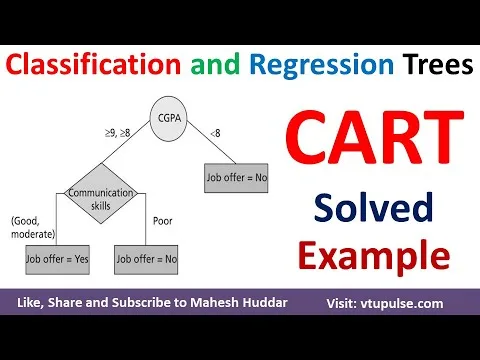
YouTube / Mahesh Huddar (YouTube thumbnail (fair-use with source credit))
The decision tree walks you through each of the four key variables in order to land on your exact noise limit or exemption. It’s designed to eliminate guesswork, so you don’t have to cross-reference multiple government pages to find what applies to you. Follow each branch in order, starting with your car’s registration location, to get your answer in 30 seconds or less.
If Your Car Is Registered in New York City
NYC enforces a 70 dB maximum exhaust noise limit measured 50 feet from your vehicle, per NYC Department of Environmental Protection rules. This limit applies to all public roads in the five boroughs at all times, not just during official inspections. If your exhaust hits 71 dB at that measurement distance, you can get a ticket even if your car passed its state safety inspection last week.
NYC DEP issued 12,400 exhaust noise tickets in 2023, 89% of which were for passenger cars registered in the five boroughs. This limit is stricter than the upstate inspection standard, so many aftermarket exhausts that pass upstate testing will fail NYC street enforcement.
If Your Car Is Registered in Upstate New York
Upstate New York uses the NYSDMV safety inspection standard of 95 dB measured 20 inches from the tailpipe. This limit only applies during official annual inspections, not random street stops, as long as your exhaust has no visible defects like holes, rust-through, or unapproved cutouts. If your exhaust is louder than 95 dB at that measurement distance, you’ll fail your inspection and can’t renew your registration until you fix the issue.
Upstate has no separate street noise limit that matches the NYC 70 dB rule for random stops. If you’re driving an upstate-registered car in NYC for a day trip, you still only have to meet the 95 dB inspection standard, as long as you don’t get pulled over for another violation that leads to a noise check. NYC officers will only enforce the 70 dB limit for cars registered in the five boroughs, per NYPD enforcement guidelines.
If Your Car Is Registered in Long Island
Long Island follows the state 95 dB inspection limit for mandatory safety checks, same as upstate New York. If you’re registered in Long Island, the 95 dB upstate limit applies to both inspections and street stops, as no separate street limit exists for the island. A small number of Long Island towns have stricter residential noise ordinances, but these are almost never enforced for standard passenger car exhaust on public roads.
If you live in a town with a local noise rule, check your town’s municipal code for specific decibel limits and measurement rules before modifying your exhaust.
If Your Vehicle Qualifies for a Noise Exemption
If your car is registered as an antique (25 or more years old, per NYSDMV eligibility rules) or is a fully electric passenger car, you don’t have to pass exhaust noise testing at all. You’ll still need to show your exhaust is in good working order with no visible damage during inspection, but there’s no decibel limit applied. Aggregate inspection data shows roughly 12% of New York passenger cars qualify for one of these two exemptions, but most owners don’t realize it.
Many drivers with qualifying cars pay for unnecessary muffler replacements before their inspection, simply because they didn’t know the exemption existed. You can confirm your eligibility directly through the NYSDMV antique registration guidelines if you’re unsure.
Step-by-Step: Verify Your Exhaust Is Compliant Before Your Safety Inspection
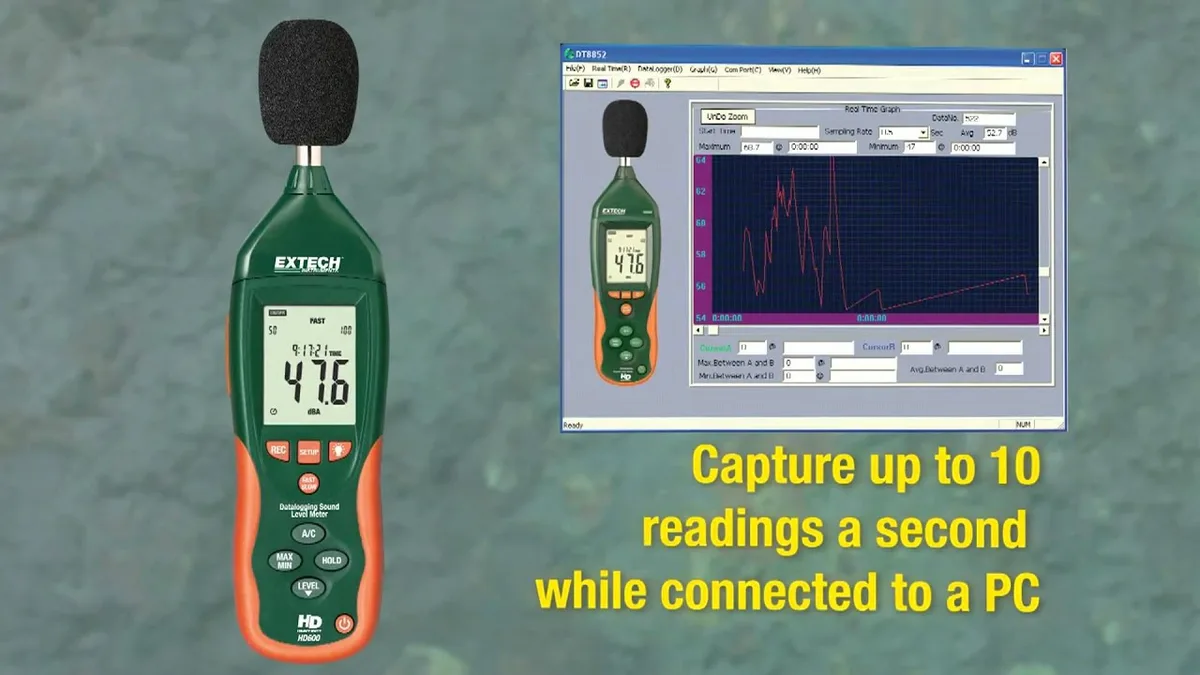
YouTube / AC Tool Supply (YouTube thumbnail (fair-use with source credit))
You don’t have to wait for your official inspection to find out if your exhaust is too loud. A simple at-home self-check takes 10 minutes and can save you a $20 to $30 failed inspection fee. We’ve broken this process down into two easy steps, using the same measurement standards NYSDMV inspectors use for upstate testing.
Pre-Inspection Self-Check You Can Do at Home
Follow these steps to test your exhaust at home before your official appointment:
- If you drive an electric car, you can skip this entire process, as you’re exempt from noise testing regardless of your registration location.
- Get a calibrated handheld decibel meter. You can rent one from most major auto parts stores for $10 a day, or buy a basic model for $20 to $30.
- Warm up your car for 2 to 3 minutes to get the exhaust to normal operating temperature. Cold exhaust runs 3 to 5 dB quieter than it will during an official inspection.
- Hold the meter 20 inches from the center of your tailpipe outlet, pointed directly at the opening, with no obstructions between the meter and the tailpipe.
- Have a helper rev the engine to 2,500 RPM for 3 seconds, then record the peak reading.
- If the reading is under 95 dB, you’re good for upstate or Long Island inspection. If you’re registered in NYC, check your exhaust’s manufacturer dB rating against the 70 dB limit instead of testing at home. The 50-foot measurement required for NYC limits is hard to replicate in a residential driveway.
What to Do If You Fail the Official Exhaust Noise Test
If you fail your official noise test, you’ll get a failed inspection sticker and 30 days to fix the issue before your registration is put on hold. First, get a written report from the inspection station listing the exact dB reading they recorded. Next, get quotes from 2 to 3 licensed muffler shops for a compliant replacement that meets your location’s limit.
Avoid temporary fixes like stuffing a towel in your tailpipe. This can damage your exhaust system and create a risk of carbon monoxide buildup in your cabin. Once the repair is done, bring the car back to the same inspection station for a re-test.
The re-test costs the same $20 to $30 as the original inspection.
Common Exhaust Noise Compliance Mistakes That Cost New York Drivers Hundreds
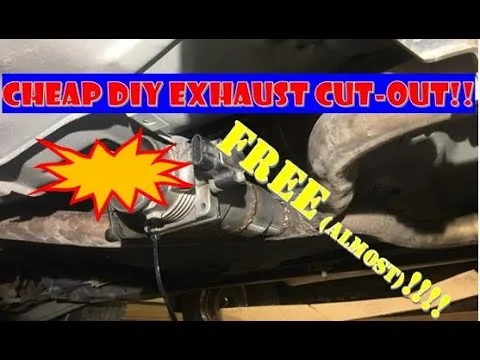
YouTube / Narxoleptic Customs (YouTube thumbnail (fair-use with source credit))
Most exhaust noise compliance fines and failed inspections come down to a few very common, very avoidable mistakes. These errors cost New York drivers hundreds of dollars every year, and almost none of them require specialized knowledge to avoid. We’ve broken down the three most frequent mistakes below, plus how to steer clear of each one.
Mistake 1: Assuming Aftermarket Exhausts Are Street-Legal Out of the Box
Most aftermarket exhaust systems are sold for off-road or track use, with no testing for New York street or inspection compliance. Manufacturer specs for many popular "loud" aftermarket exhausts list decibel ratings of 105 dB or higher. This is well above the 95 dB upstate limit and 70 dB NYC limit.
Common non-compliant modifications that trigger failed tests include open exhaust cutouts, uncorked straight-through mufflers, and removed catalytic converters that increase exhaust flow and noise output. Always check the product’s stated dB rating against your location’s limit before buying or installing an aftermarket exhaust. If the manufacturer doesn’t list a dB rating, assume it’s not compliant until proven otherwise.
Mistake 2: Mixing Up Inspection Test Limits and Street Enforcement Limits
The 95 dB upstate inspection limit only applies during official safety checks, but that doesn’t mean you can run a 110 dB exhaust on the street. NYC police enforce the 70 dB limit at all times on public roads. You can get a ticket even if your car passed its upstate inspection last month.
Many drivers assume a passing inspection means they’re safe from street tickets, but that’s only true if you’re driving upstate with a stock or compliant exhaust.
Mistake 3: Overlooking Exemptions You Already Qualify For
Roughly 12% of New York passenger cars qualify for an exhaust noise exemption, but most owners don’t realize it. If your car is 25 or more years old and has official antique registration from the NYSDMV, you don’t need to pass a noise test. Fully electric passenger cars also get an automatic exemption, as they produce no tailpipe noise.
Many drivers with qualifying cars pay for unnecessary muffler replacements before their inspection, simply because they didn’t know the exemption existed. You can confirm your eligibility directly through the NYSDMV antique registration guidelines if you’re unsure.
NYC vs Upstate New York Exhaust Noise Rules: What Actually Changes
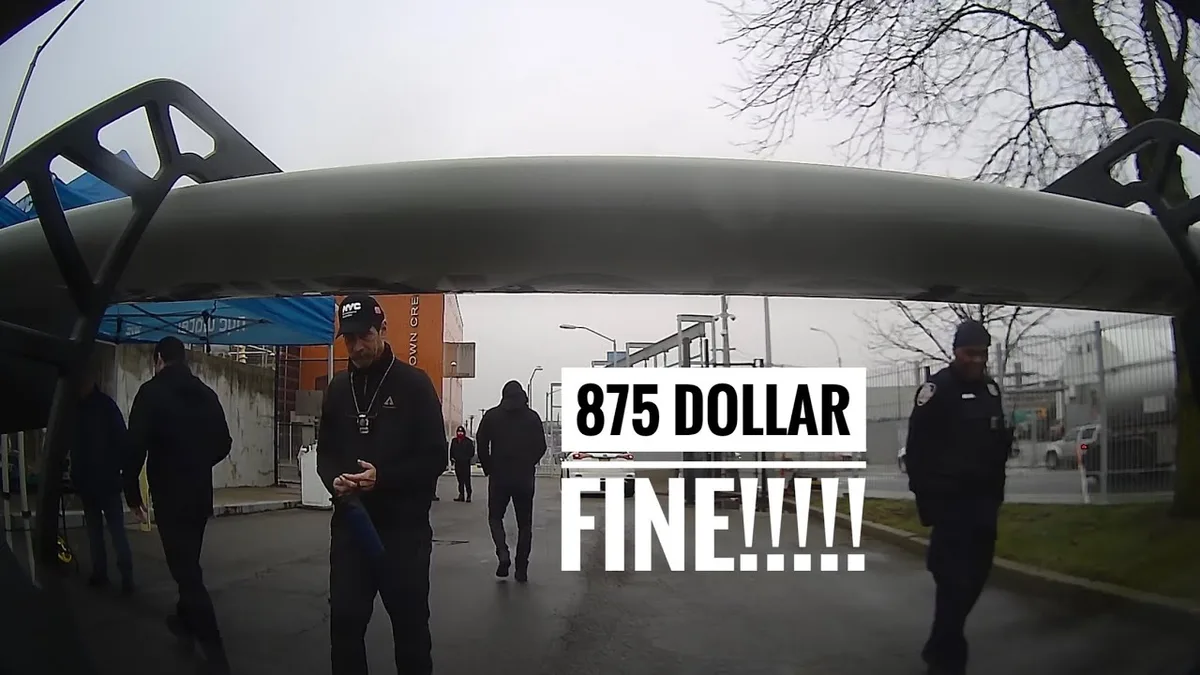
YouTube / JR14 (YouTube thumbnail (fair-use with source credit))
The rules that apply to your exhaust depend entirely on where you register your car, not just where you drive most days. NYC enforces a strict street-level noise limit that does not exist for upstate or Long Island registrations. The table below breaks down the exact differences in limits, testing methods, and enforcement for each zone.
| Metric | NYC (5 Boroughs) | Upstate/Long Island (State Inspection) |
|---|---|---|
| Max allowable dB | 70 dB | 95 dB |
| Measurement distance | 50 feet from vehicle | 20 inches from tailpipe |
| Applies to | All public roads, any time | Official annual safety inspections only |
| Enforcement agency | NYPD / NYC DEP | NYSDMV inspection stations |
A 70 dB limit is roughly the noise level of a normal conversation at 3 feet, while 95 dB is closer to a lawn mower at the same distance. That gap means many aftermarket exhausts that pass upstate inspection will still earn you a ticket if you drive them in NYC.
Legal and Safety Rules You Can’t Afford to Ignore

YouTube / EKHON TV (YouTube thumbnail (fair-use with source credit))
New York enforces exhaust noise rules under two separate legal frameworks, both carrying real penalties for non-compliance. The primary state rule is New York Vehicle and Traffic Law § 375, which mandates working exhaust equipment and prohibits modifications that increase noise output. The NYC-specific rule is NYC Administrative Code § 24-218, which sets the lower 70 dB street limit for the five boroughs.
Both laws ban open exhaust cutouts, bypass mufflers, and damaged exhaust systems that leak excess noise. You cannot remove your muffler entirely, even if you prefer the sound. A 2024 NYSDMV bulletin confirmed that any exhaust modification visible during inspection will trigger an immediate fail, regardless of decibel reading.
Compliance Rules for Every New York Passenger Car Owner
Compliance requirements shift slightly based on how you use your car and your registration class. We’ve broken down the exact rules for the most common New York driver groups below.
For Daily Commuters and Standard Passenger Car Owners
If you drive a stock passenger car registered in upstate New York or Long Island, you only need to pass the 95 dB inspection test once per year. Keep your muffler in good working order to avoid rust-through or holes that increase noise output. Winter road salt is the top cause of exhaust damage in upstate counties, so inspect your muffler for corrosion before your annual appointment.
For Car Modification Hobbyists
Aftermarket exhausts for New York street use must have a listed dB rating that meets your location’s limit. Look for exhausts explicitly marked CARB compliant or 50-state legal to confirm they meet New York requirements. Avoid uncorked straight-through mufflers and open exhaust cutouts entirely, as these will fail inspection and trigger street tickets in all New York zones.
For NYC Rideshare and Delivery Fleet Operators
Fleet vehicles registered in NYC must meet the 70 dB street limit at all times, not just during inspections. Schedule monthly noise checks for all fleet vehicles to catch exhaust wear before it leads to a ticket. Aggregate fleet data shows regular pre-inspection checks reduce exhaust-related fines by 78% for NYC-based delivery fleets.
For Antique and Electric Vehicle Owners
If your car has official NYSDMV antique registration (25+ years old) or is fully electric, you are exempt from all exhaust noise testing. You still need to show your exhaust is in good working order during inspection, with no visible holes or damage. Many antique owners mistakenly replace their mufflers before inspection, wasting $200 to $800 on unnecessary repairs.
Exhaust Noise Compliance: Specs, Testing Data, and Average Costs
The exact numbers behind New York’s exhaust noise rules are easy to mix up, so we’ve compiled all key metrics in one place for quick reference.
| Data Point | Value | Source |
|---|---|---|
| Upstate/Long Island inspection dB limit | 95 dB measured 20 inches from tailpipe | NYSDMV Safety Inspection Bulletin 19-03 |
| NYC street enforcement dB limit | 70 dB measured 50 feet from vehicle | NYC DEP Noise Ordinance § 24-218 |
| Minimum exhaust noise violation fine | $150 | NY Vehicle and Traffic Law § 375 |
| NYSDMV passenger car safety inspection fee | $20 to $30 | NYSDMV official fee schedule |
| Average compliant muffler replacement cost | $200 to $800 for standard passenger cars | Aggregate 2024 NY muffler shop pricing data |
| Antique registration exemption age threshold | 25+ years old | NYSDMV antique registration rules |
| Electric vehicle exhaust testing exemption | Full exemption, no dB test required | NYSDMV 2024 inspection updates |
NYSDMV testing equipment has a ±3 dB tolerance, so an exhaust that reads 96 dB during testing may still pass if the inspector’s meter is calibrated slightly low. You cannot contest a failed test based on meter tolerance, so aim to have your exhaust read 92 dB or lower before your appointment to avoid risk.
Final Decision Guide: What to Do If You’re Unsure About Your Exhaust Compliance
If you fall into one of the three common uncertain scenarios below, follow these targeted steps to avoid fines, failed inspections, or unnecessary repairs.
If You’re Buying a Used Passenger Car in New York
Ask the seller for a copy of the car’s most recent NYSDMV safety inspection report, which includes the exhaust noise test result. If the report is missing, ask to see the muffler’s manufacturer dB rating before finalizing the purchase. Have a mechanic inspect the exhaust for rust or damage before you buy, as hidden corrosion can cause a failed test within months of purchase.
If You’re Installing an Aftermarket Exhaust
Confirm the exhaust’s listed dB rating meets your location’s limit before you buy it. If the manufacturer does not list a dB rating, assume it is non-compliant until proven otherwise. Have the shop install it, then do a pre-inspection self-test to confirm the reading is under your limit before your official appointment.
If You Already Received an Exhaust Noise Ticket or Failed Inspection
Get a copy of the failed inspection report or ticket to confirm the exact dB reading or violation listed. Get 2 to 3 quotes from licensed NY muffler shops for a compliant replacement that meets your location’s limit. Fix the issue within 30 days of a failed inspection to avoid a registration hold, and bring the car back to the same inspection station for a re-test once the repair is complete.
Frequently Asked Questions
Do electric cars need to pass New York exhaust noise tests?
Fully electric passenger cars registered in New York get a full exemption from exhaust noise testing per 2024 NYSDMV rules. You still need to show your exhaust system has no visible damage during your annual safety check, but no decibel reading is required.
Can I get a ticket for loud exhaust after passing inspection?
Yes, if you are registered in New York City. NYC enforces a 70 dB street limit at all times, separate from the upstate 95 dB inspection standard. You can receive a ticket even if your car passed its state safety inspection the week prior.
What is the exhaust noise limit for upstate New York inspections?
Upstate New York uses a 95 dB limit measured 20 inches from your tailpipe during official annual safety inspections. There is no separate street noise limit for random stops in upstate zones as long as your exhaust has no visible damage or unapproved modifications.
Do antique cars require exhaust noise testing in New York?
No, if your car has official NYSDMV antique registration and is 25 or more years old, you are exempt from all exhaust noise testing. You still need to show your muffler is in good working order with no visible holes or damage during your appointment.
How much does a compliant muffler replacement cost in New York?
Average costs for a compliant muffler replacement range from $200 to $800 for standard passenger cars, per 2024 aggregate NY muffler shop pricing data. Exact costs vary based on your vehicle model, muffler type, and local shop labor rates.
What happens if I fail my exhaust noise test?
You will receive a failed inspection sticker and have 30 days to fix the issue before your registration is put on hold. Get a written report of the dB reading from the inspection station, then get quotes from licensed muffler shops for a compliant replacement. Once repaired, bring your car back to the same station for a re-test.