Oklahoma uninsured motorist coverage requirements and penalties can save you from financial disaster if you're hit by a driver with no insurance. Without it, you could be on the hook for medical bills, lost wages, and car repairs, even when the accident wasn’t your fault. Oklahoma law sets clear rules, and breaking them comes with steep fines and license suspensions.
As of 2026, Oklahoma requires drivers to carry at least $25,000 in bodily injury coverage per person, $50,000 per accident, and $25,000 in property damage for uninsured motorist protection. But the real question is whether those minimums are enough for your situation.
Quick Answer
Oklahoma requires uninsured motorist coverage matching your liability limits. Minimum limits are $25,000 per person, $50,000 per accident, and $25,000 for property damage. Driving without it risks fines up to $500.
Penalties include license suspension and vehicle registration holds.
Why This Matters for Every Oklahoma Driver
Uninsured motorist coverage isn’t just a legal checkbox. It’s your financial safety net when the other driver has no insurance or flees the scene. Oklahoma has one of the highest rates of uninsured drivers in the U.S., making this coverage critical.
Without UM protection, you could face thousands in out-of-pocket costs after an accident. Even if you win a judgment against an uninsured driver, collecting is often impossible.
Oklahoma’s UM/UIM Coverage Rules in Plain English
Oklahoma law mandates that every auto insurance policy include uninsured motorist coverage. The minimum limits must match your liability coverage: $25,000 per person, $50,000 per accident, and $25,000 for property damage.
Underinsured motorist coverage is different. It kicks in when the at-fault driver has insurance, but not enough to cover your damages. Oklahoma doesn’t require UIM, but insurers must offer it.
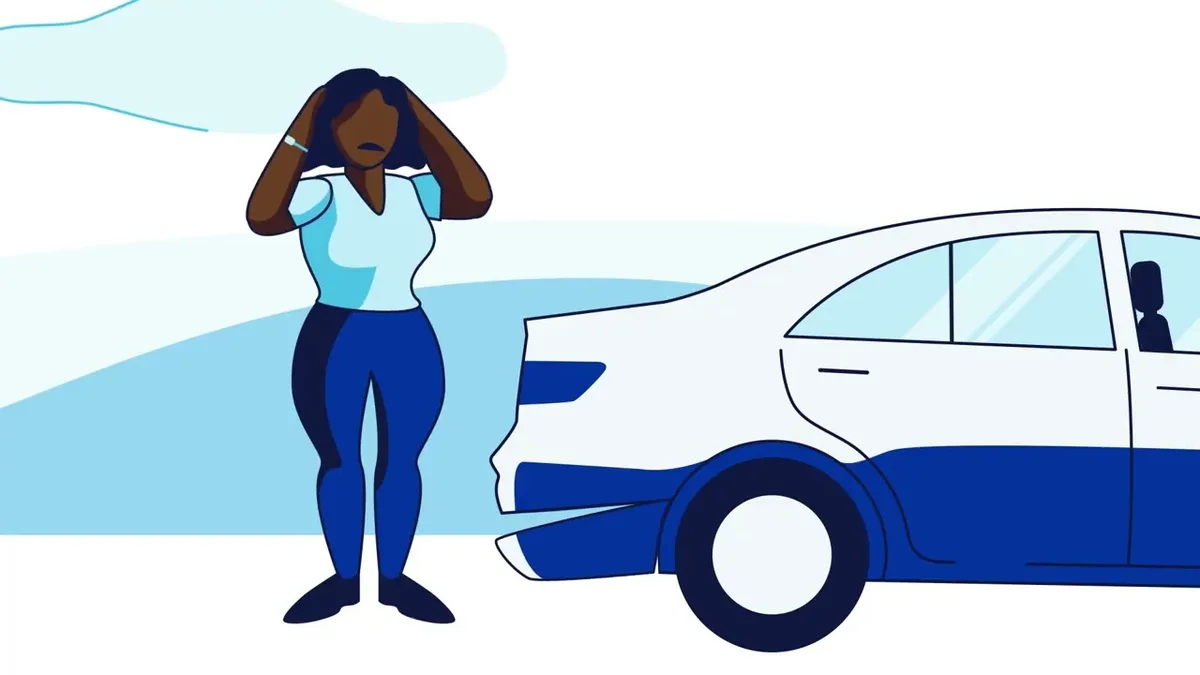
UM coverage applies to you, your passengers, and family members driving your car. It may also cover you if you’re hit as a pedestrian. However, it doesn’t apply if you’re driving a vehicle you don’t own without permission.
What’s Covered (and What’s Not) Under Oklahoma UM/UIM
UM coverage typically pays for:
- Medical expenses for you and your passengers
- Lost wages if you can’t work
- Pain and suffering in some cases
- Property damage to your vehicle
It does not cover:
- Damage to the other driver’s car
- Your own injuries if you were at fault
- Non-accident related damage
UIM coverage fills the gap when the at-fault driver’s insurance isn’t enough. For example, if your medical bills are $50,000 but the other driver only has $25,000 in coverage, UIM can cover the difference up to your policy’s limit.
Oklahoma’s Minimum UM/UIM Limits vs. What You Might Need
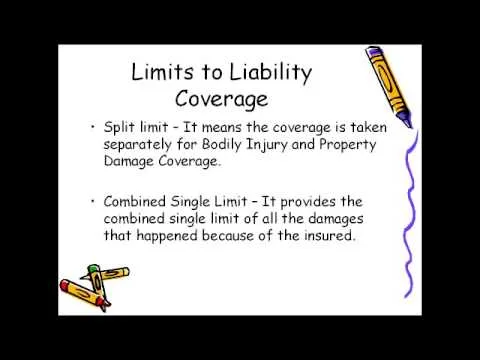
Oklahoma’s minimum UM limits are $25,000 per person, $50,000 per accident, and $25,000 for property damage. These match the state’s liability insurance requirements.
But these minimums may not be enough. Medical costs can quickly exceed $25,000, especially with serious injuries. Property damage to newer vehicles often surpasses $25,000 as well.
Many financial experts recommend UM/UIM limits of at least $100,000 per person and $300,000 per accident. The cost to increase these limits is often just a few dollars more per month.
The Real Cost of Skipping UM/UIM Coverage in Oklahoma
Skipping required UM coverage doesn’t just risk a ticket. It leaves you paying for every cost after an accident with an uninsured driver. Medical bills for moderate injuries often exceed $20,000.
That amount comes directly out of your savings.
As of 2026, skipping required UM coverage triggers immediate penalties per Oklahoma Department of Insurance guidelines. First-time offenders face a $250 fine. Repeat offenses within 3 years carry fines of $500 or more.
Your license and vehicle registration can be suspended until you prove you have valid coverage.
| Offense Type | Financial Penalty | Additional Consequences |
|---|---|---|
| First-time no UM coverage | $250 fine | License and registration suspension until proof of insurance is filed |
| Repeat offense within 3 years | $500+ fine | Possible vehicle impoundment, 3+ year insurance surcharge |
| At-fault accident while uninsured | Full liability for all damages | “No pay, no play” bars recovery of non-economic damages |
Oklahoma’s “no pay, no play” statute adds another layer of risk. If you’re uninsured and hit by another driver, you can’t sue for pain and suffering. This rule applies even if the other driver was 100% at fault.
Insurance penalties last far longer than a single fine. Drivers pay 20 to 30% higher premiums for 3 years after a UM coverage lapse.
Step-by-Step: Filing an Uninsured Motorist Claim in Oklahoma
Filing a UM claim in Oklahoma follows a clear process. Missing a step can delay your payout or lead to a denied claim.
Call the police immediately after the accident. Get a copy of the official accident report. This document proves the other driver was uninsured.
Notify your insurance company as soon as possible. Most policies require you to report accidents within 30 days.
Gather all supporting documentation next. This includes medical bills, repair estimates, and proof of lost wages.
Your insurer will investigate the claim to confirm the other driver has no insurance. This process usually takes 30 to 60 days. Once approved, you’ll receive a payout up to your policy’s UM limits.
Oklahoma’s Penalties for Driving Without Required Coverage
As of 2026, Oklahoma enforces strict penalties for drivers who skip required UM coverage. These penalties apply even if you never get into an accident.
First-time offenders pay a $250 fine. You’ll also need to file proof of insurance with the state to get your license and registration reinstated. There is a separate reinstatement fee for this process.
Repeat offenders face much higher fines. A second offense within 3 years carries a $500 or higher fine. Your vehicle may be impounded if you can’t show proof of insurance during a traffic stop.
If you cause an accident while uninsured, penalties get far worse. You’re personally liable for all damages, including the other driver’s medical bills and car repairs. Lawsuits are common in these cases, and wage garnishment is a possible outcome.
“No Pay, No Play” and Other Oklahoma-Specific Rules
Oklahoma’s “no pay, no play” statute bars uninsured drivers from recovering non-economic damages, even if the other driver is 100% at fault. You can still sue for medical bills and property damage, but you can’t get compensation for pain and suffering.
Another Oklahoma-specific rule allows UM coverage to stack across multiple policies. If you have a personal auto policy and a separate rideshare policy, you may be able to combine your UM limits for a larger payout.
Hit-and-run accidents also qualify for UM coverage in Oklahoma, as long as you file a police report within 24 hours.
How to Prove the Other Driver Was Uninsured (And Get Paid)
You need official proof of the other driver’s uninsured status to file a successful UM claim. The fastest way to get this proof is to ask the responding police officer to note the driver’s lack of insurance on the official accident report.
You can also verify the driver’s insurance status through the Oklahoma Department of Insurance’s free online lookup tool. Enter the driver’s name or license plate number to see their current insurance status.
If the driver flees the scene, a hit-and-run police report is enough to trigger UM coverage in most Oklahoma policies.
Keep a copy of all proof you collect, including the police report, insurance lookup results, and any photos of the other driver’s missing insurance card. Your insurer will run its own verification, but having your own records speeds up the claims process by weeks.
Common Mistakes That Get Oklahoma UM Claims Denied
Late claim filings are the top reason for denied UM claims in Oklahoma. Most policies require you to report accidents to your insurer within 30 days. Waiting to file can lead to an automatic denial, even if you have a valid claim.
Skipping the police report is another common, costly mistake. Without an official report stating the other driver was uninsured, your insurer has no proof to process your UM claim.
Talking to the at-fault driver’s insurance company before notifying your own is a major red flag for insurers. Always contact your own insurer first, and let them handle communications with the other driver’s provider.
Failing to keep copies of medical bills, repair estimates, and proof of lost wages leads to many denied UM claims in Oklahoma. Incomplete documentation slows down the claims process and often results in a lower payout.
How Much Extra Does UM/UIM Coverage Cost in Oklahoma?
The average Oklahoma driver pays $6 to $14 per month for state-minimum UM/UIM coverage. For higher limits of $100,000 per person and $300,000 per accident, the average monthly cost rises to $12 to $28.
Your actual premium depends on your driving record, age, vehicle type, and where you live in the state. Drivers in Tulsa and Oklahoma City pay slightly higher rates than those in rural areas.
Many insurers offer discounts for bundling UM coverage with home, life, or renters insurance. These discounts can lower your total premium by 10 to 15% on average.
When to Increase Your UM/UIM Limits (And When You Can Skip It)
If you have significant assets, like a home, savings over $50,000, or a high income, raise your UM/UIM limits. Set them to at least $100,000 per person and $300,000 per accident. Minimum limits often won’t cover serious injuries.
Oklahoma’s rural roads have higher rates of uninsured hit-and-run accidents, so drivers in rural areas should prioritize higher UM limits. If you have robust health insurance, no significant assets, and drive less than 5,000 miles per year, state-minimum limits may be sufficient.
Skipping UM/UIM coverage entirely is almost never a good idea in Oklahoma, where 1 in 5 drivers is uninsured. The small extra monthly cost is far cheaper than paying $50,000 or more in out-of-pocket costs after a serious accident.
What to Do If Your Insurer Denies Your Oklahoma UM Claim
First, request a written explanation for the denial. Oklahoma law requires insurers to provide this within 15 days. The letter will detail the specific reason, which often involves missing documentation or late filing.
Next, review your policy’s UM coverage terms. Check for exclusions or conditions you may have overlooked.
If the denial seems unfair, file a complaint with the Oklahoma Department of Insurance. They can mediate disputes and ensure your insurer follows state regulations. You can also consult an attorney specializing in insurance claims.
FAQs About Oklahoma Uninsured Motorist Coverage
Is uninsured motorist coverage required in Oklahoma?
Yes. Oklahoma law mandates UM coverage matching your liability limits. The minimum is $25,000 per person, $50,000 per accident, and $25,000 for property damage.
Can I reject UM coverage in Oklahoma?
No. Unlike UIM coverage, UM coverage is mandatory in Oklahoma. You cannot legally opt out of it.
Does UM coverage protect me if I’m hit by an uninsured driver while walking?
Yes. Oklahoma’s UM coverage typically extends to you and your family members as pedestrians. Check your policy for specific terms.
How long do I have to file a UM claim in Oklahoma?
Most policies require you to report the accident within 30 days. Some insurers may allow longer, but filing as soon as possible is critical.
What happens if the at-fault driver’s insurance is insufficient?
That’s where UIM coverage comes in. It covers the gap between the at-fault driver’s limits and your actual damages. Oklahoma doesn’t require UIM, but insurers must offer it.