Oklahoma’s move over law for emergency vehicles on roadside is a legal requirement designed to keep first responders safe. Every year, inattentive drivers strike roadside workers during routine stops, leading to preventable injuries and deaths. This law carries real penalties for non-compliance, but its primary purpose is saving lives.
As of 2026, Oklahoma enforces clear rules for drivers approaching stopped emergency vehicles.
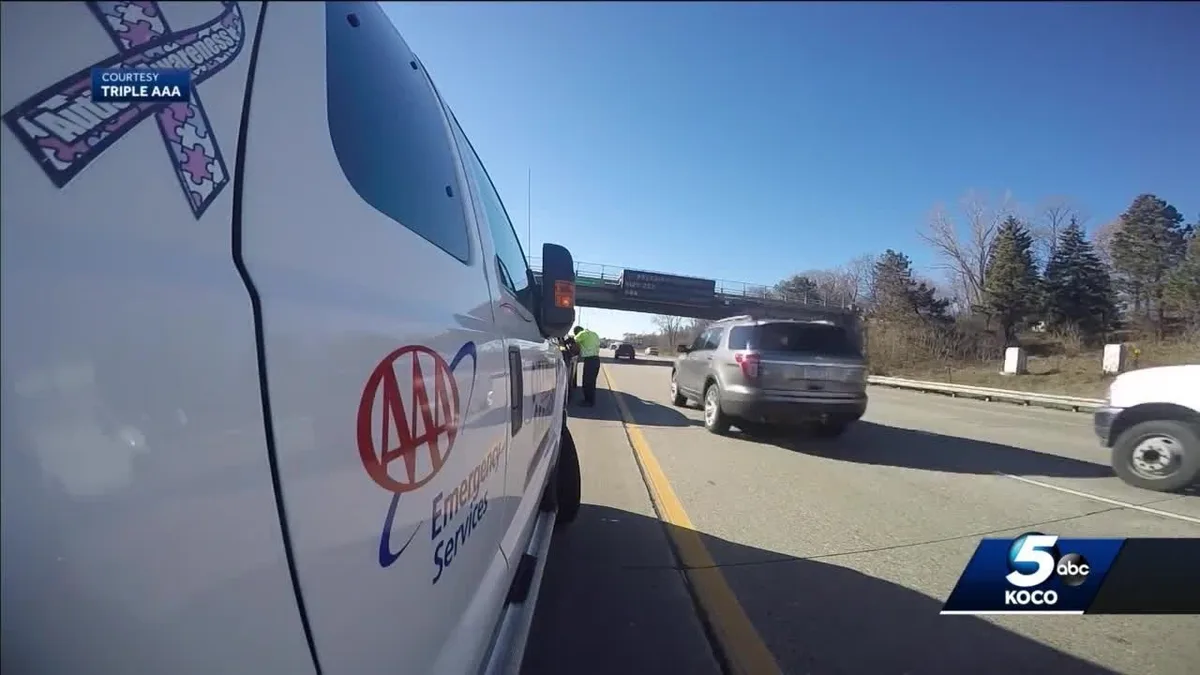
Image source: YouTube / KOCO 5 News (YouTube thumbnail (fair-use with source credit))
Quick Answer
Oklahoma’s move over law for emergency vehicles on roadside requires lane changes or speed reductions. It covers police, fire, EMS, and tow trucks with flashing lights. Move over one lane if safe.
If not, slow 20+ mph below the speed limit. First-offense fines reach $250.
Why Getting Oklahoma’s Move Over Law Right Saves Lives and Avoids Costly Fines
First responders and roadside workers face constant danger from passing traffic. The Oklahoma Department of Public Safety tracks roadside strike incidents across the state. Between 2020 and 2025, Oklahoma recorded 12 confirmed fatalities of first responders struck by non-compliant drivers.
Most of these crashes happened on high-speed interstates like I-40 and I-35. A single moment of distraction can end a career or a life. Following the law isn’t just about avoiding a ticket.
It’s about making sure everyone goes home safe at the end of the shift.
What Oklahoma’s Move Over Law Actually Requires
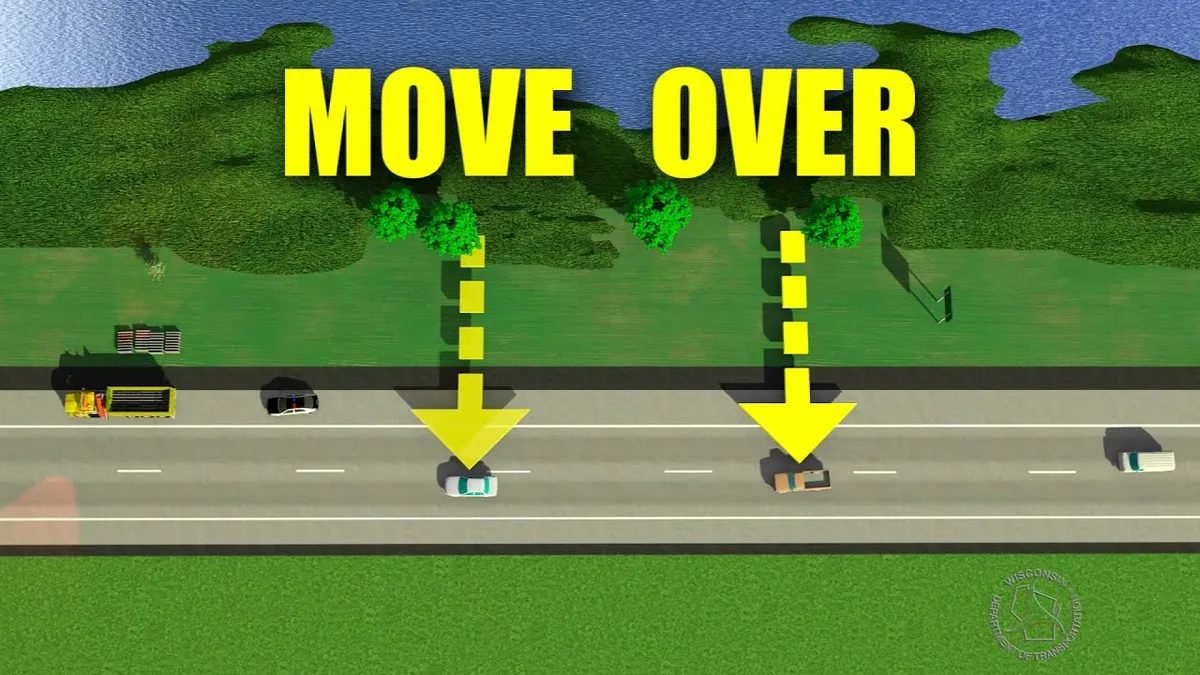
The core rule is simple. When you see a stopped vehicle with flashing red, blue, or amber lights on the roadside, you must act. If you’re on a road with two or more lanes going your direction, move to the lane farthest from the stopped vehicle.
If a lane change isn’t safe, reduce your speed by at least 20 mph below the posted limit. This rule applies the second you spot the flashing lights, not when you’re next to the vehicle.
Vehicles Covered Under the Law
The law covers more than just police cruisers. Any vehicle performing official roadside duties with flashing lights is protected. This includes fire trucks, ambulances, tow trucks, and Oklahoma Department of Transportation maintenance vehicles.
Amber lights on utility or construction vehicles also trigger the requirement when they’re stopped on the shoulder. The key trigger is active flashing lights, not the type of vehicle.
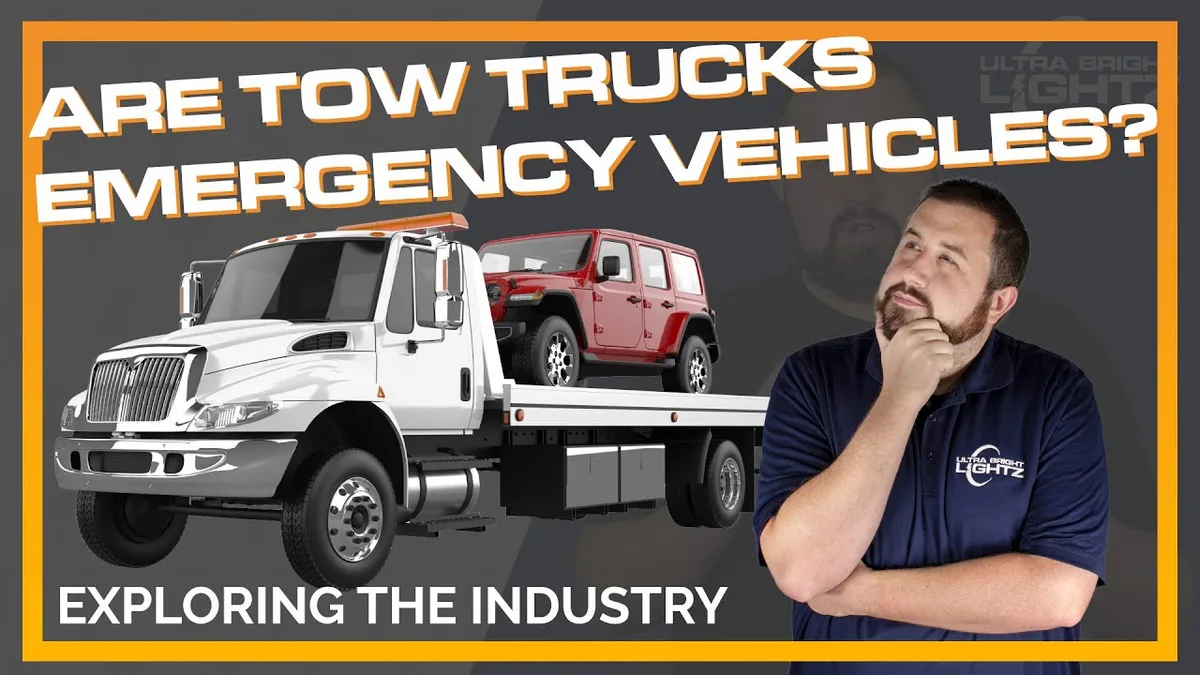
Image source: YouTube / Ultra Bright Lightz (YouTube thumbnail (fair-use with source credit))
When the Move Over Law Doesn’t Apply: Common Exceptions Oklahoma Drivers Miss
Single-lane roads are the most common exception. If there’s only one lane traveling in your direction, you can’t move over. Slow down instead.
Heavy stop-and-go traffic also creates an exception. If changing lanes would cause a collision, maintain a reduced speed. An emergency vehicle stopped in a travel lane, not on the shoulder, follows standard right-of-way rules instead of move over requirements.
Don’t assume the law only applies to police vehicles. Tow trucks assisting stranded drivers are explicitly covered under Oklahoma’s 2015 law update.
Real Consequences of Breaking Oklahoma’s Move Over Law
The Oklahoma Department of Public Safety documents an average of 3 roadside worker strikes per year, most linked to move over law violations. Between 2020 and 2025, 12 first responders died in Oklahoma after being struck by passing vehicles. Many of these crashes happened on high-speed interstates with minimal shoulder space.
Beyond the human cost, violations carry financial penalties. First-time offenders face fines up to $250. Court costs add another $50 to $100 to the total.
Insurance premiums often rise after a citation, pushing total costs even higher. Oklahoma Highway Patrol actively enforces the law, especially near construction zones and major accident scenes. Automated enforcement for move over violations is under consideration as of 2026, which could lead to more citations in coming years.
Exact Steps to Take When You See a Roadside Emergency Vehicle in Oklahoma
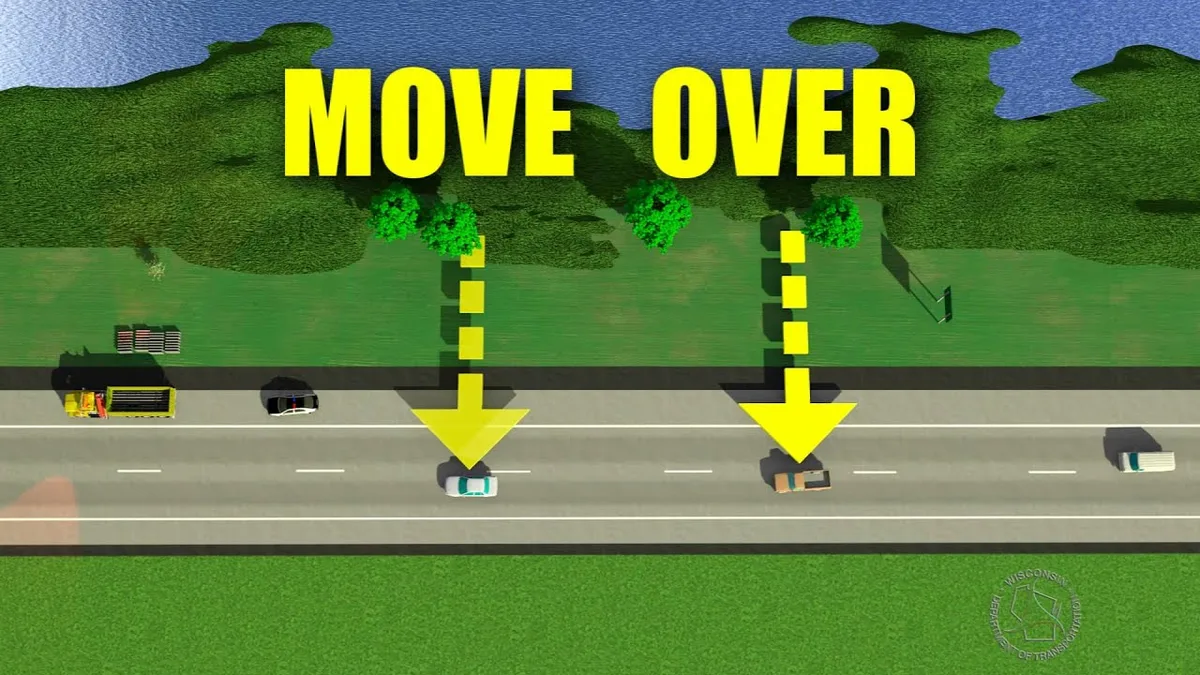
Image source: YouTube / Wis DOT (YouTube thumbnail (fair-use with source credit))
Follow this sequence the second you spot flashing lights ahead. First, scan the road to confirm the emergency vehicle is stopped on the shoulder or in a lane. Second, check your mirrors and adjacent lanes to assess if a lane change is safe.
Third, signal and move to the lane farthest from the stopped vehicle if possible. If a lane change isn’t safe, reduce your speed by at least 20 mph below the posted limit. Maintain your reduced speed until you’ve fully passed the emergency vehicle and its workers.
Never rubberneck to look at the scene. Keep your eyes on the road ahead to avoid rear-end crashes.
Common Mistakes That Lead to Tickets or Preventable Crashes
The most common violation is failing to react at all. Drivers often see flashing lights but assume the emergency vehicle is far enough away to ignore. That’s a costly error.
Moving over too late is another frequent mistake. Start your lane change as soon as it’s safe, not when you’re directly beside the stopped vehicle. Last-second swerves often cause side-swipe or rear-end crashes.
Some drivers slow down but don’t drop enough speed. On a 75 mph highway, that means slowing to 55 mph or lower, not just tapping the brakes. Rubbernecking to look at an accident scene can also get you a ticket, even if you do move over.
Oklahoma Move Over Law Fines, Penalties, and Legal Background
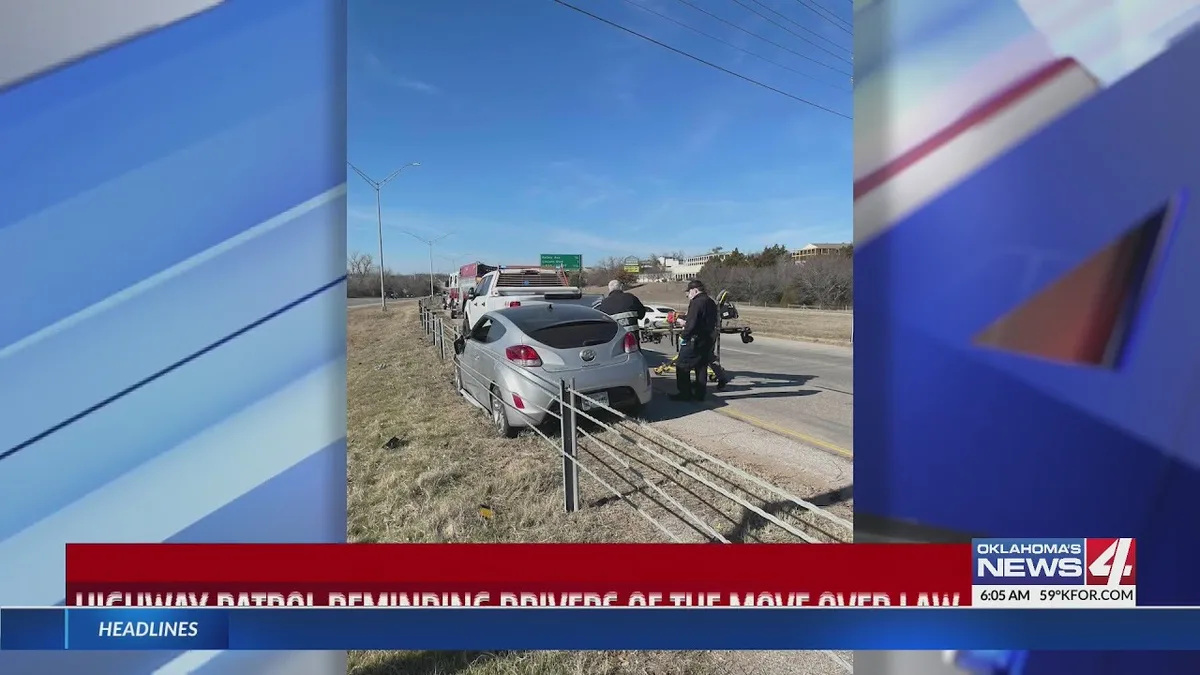
Image source: YouTube / KFOR Oklahoma's News 4 (YouTube thumbnail (fair-use with source credit))
Oklahoma’s move over law is codified in Title 47 O.S. § 11-308 and § 11-705. The law was first passed in 2003 and expanded in 2015 to include tow trucks and service vehicles with amber lights. First-time offenders face fines up to $250.
Court costs can add another $50 to $100 to the total. Repeat violations may lead to higher fines, though exact penalties vary by county court. Oklahoma Highway Patrol troopers enforce the law statewide, with higher patrol presence near construction zones and major accident scenes.
Real Scenarios: How the Law Works on Oklahoma’s Most Traveled Roads
On I-35 between Oklahoma City and Norman, speed limits hit 75 mph. If you see a trooper stopped on the shoulder, move to the left lane if safe. If not, slow to 55 mph or lower before passing.
The Turner Turnpike has speed limits up to 80 mph in some stretches. Large semi-trucks need extra space to change lanes, so start moving over early when you spot flashing lights ahead. Rural two-lane roads like US-69 have no shoulder lanes to move into.
Here, slowing by 20 mph is your only legal option. In Tulsa’s I-44 corridor, heavy congestion often makes lane changes impossible. Maintain your reduced speed and avoid sudden movements that could cause a crash.
Pro Tips to Stay Compliant Without Endangering Yourself or Other Drivers
Image source: Wikimedia Commons / MassDOT
Scan the road ahead constantly, especially at night or in rain. The sooner you spot flashing lights, the more time you have to react safely. Always use your turn signal when changing lanes.
This alerts other drivers to your intentions and prevents sudden, dangerous movements. If you’re in the far left lane on a multi-lane highway, you may need to change two lanes to get away from the stopped vehicle. Don’t assume your position excuses you from the requirement.
Keep a 3-second following distance at minimum. This gives you extra time to react if the car in front of you suddenly moves over or slows down.
Frequently Asked Questions
Does the move over law apply to parked police cars without flashing lights?
No. The law only applies when emergency or service vehicles have their flashing lights activated. A parked police car with no lights on does not trigger the move over requirement.
What if there is no shoulder for the emergency vehicle?
The law still applies. If the stopped vehicle is partially in a travel lane, you must still move over or slow down by 20 mph below the speed limit when you see flashing lights.
Can I get a ticket if I slow down but do not move over?
Yes. If you can safely change lanes, you are required to do so. Slowing down alone is not enough if a lane change is possible without endangering other drivers.
Does the move over law apply to funeral processions?
No. Oklahoma’s move over law only covers emergency and service vehicles with active flashing lights. Funeral processions do not meet this requirement.
What about construction zones with workers on the road?
If construction or utility vehicles have flashing amber lights activated, the move over law applies. You must also follow any posted work zone speed limits, which are often lower than standard highway limits.