Pennsylvania’s Move Over Law exists to protect first responders and roadside workers, but many drivers still don’t know the rules. The Pennsylvania move over law for emergency vehicles on roadside requires you to slow down or change lanes when approaching stopped emergency or service vehicles with flashing lights. This law isn’t just a suggestion, it’s a legal obligation with real consequences if ignored.
As of 2026, violations can cost you up to $250 in fines and add points to your license. The law covers more than just police cars, so understanding the specifics could save you from a ticket, or worse, a preventable accident.
Quick Answer
The Pennsylvania move over law for emergency vehicles on roadside mandates moving one lane over if safe. If you can’t, slow down by 20 mph below the posted limit. It applies to police, fire, EMS, tow trucks, and PennDOT vehicles with flashing lights.
Fines start at $250 for non-compliance.
Why This Law Exists and Who It Protects
This law was created to reduce injuries and fatalities among emergency responders and roadside workers. Every year, first responders are struck and killed while assisting motorists on highways. The law protects police officers, firefighters, EMTs, tow truck operators, and PennDOT workers.
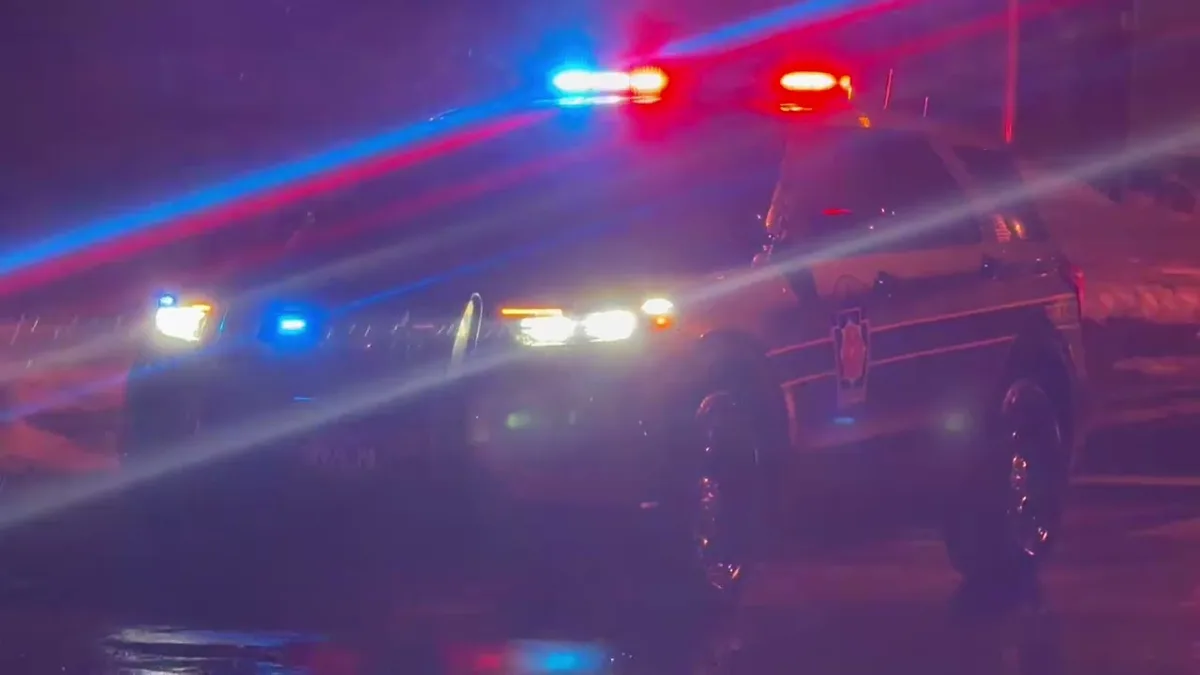
It also extends to any vehicle displaying red, blue, or amber flashing lights while stationary on the roadside.
The Exact Rules: When and How to Move Over
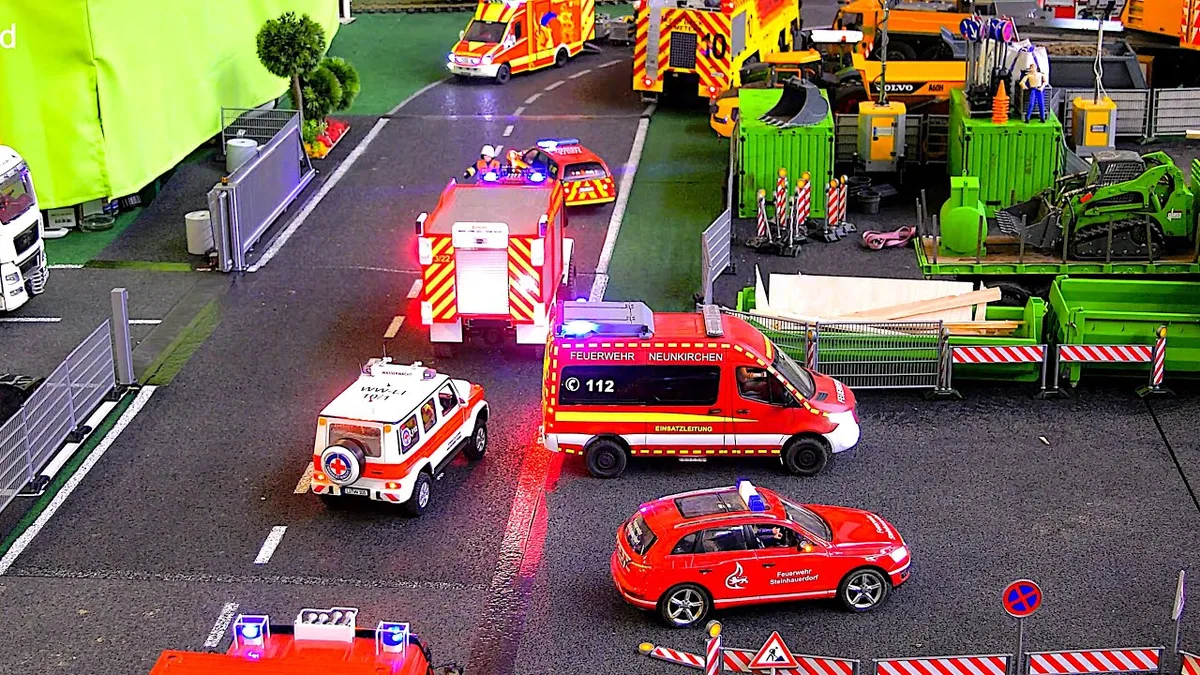
When you see an emergency or roadside vehicle with flashing lights, you must move over to the lane farthest from it if possible. On multi-lane roads, this means changing lanes away from the stopped vehicle. The law applies whether the vehicle is on the shoulder or in a travel lane.
If traffic or road conditions prevent a safe lane change, you must slow down to at least 20 mph below the posted speed limit.

What Counts as an Emergency or Roadside Vehicle
The law covers a broad range of vehicles, not just police cars. Here’s what qualifies:
- Police cruisers with red and blue lights
- Fire trucks and ambulances with red or red-and-blue lights
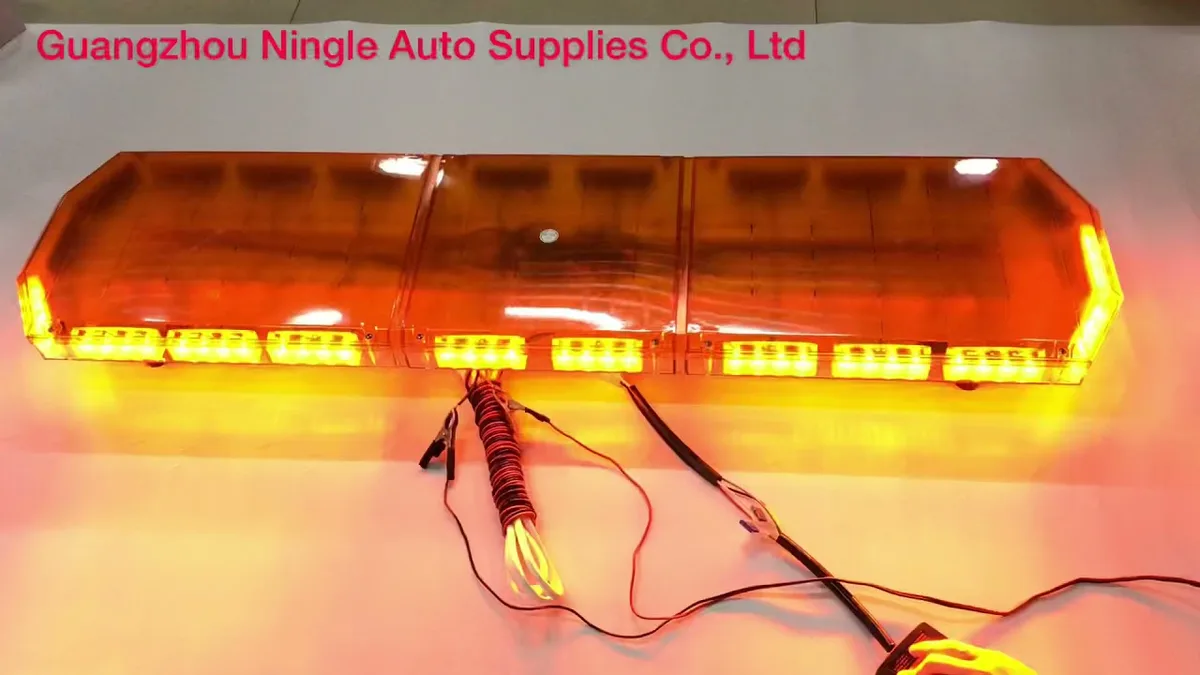
- Tow trucks and roadside assistance vehicles with amber lights
- PennDOT vehicles with amber or red-and-blue lights
- Any other authorized emergency or service vehicle with flashing lights
The key is the flashing lights. If they’re on and the vehicle is stationary, the Move Over Law applies.
What to Do If You Can’t Safely Change Lanes
Not every situation allows for a lane change. If you’re boxed in by traffic or the road has only one lane in your direction, you must slow down. The law requires reducing your speed by 20 mph below the posted limit.
For example, if the speed limit is 65 mph, you must drop to 45 mph or lower when passing the emergency vehicle. This applies even if the vehicle is on the opposite side of the road.
The Penalties for Breaking the Law in Pennsylvania
Ignoring the move over rules comes with steep penalties. The standard fine for a first-time non-injury violation is $250. You will also get 2 points added to your driving record.
Penalties spike if your actions hurt a roadside worker. A violation causing injury carries fines up to $2,500. If the violation leads to a fatality, fines reach $5,000 and you may face criminal charges.
Pennsylvania Department of Transportation’s official Move Over Law page outlines these penalties.
Common Mistakes Drivers Make (And How to Avoid Them)
Most violations stem from simple, avoidable mistakes. The most common error is failing to notice stopped emergency vehicles until the last second. Distracted driving is the top cause.
Another frequent mistake is assuming the law only applies to police cars. Many drivers don’t realize tow trucks with amber lights or PennDOT vehicles are also covered.
You can avoid these errors with a few habits. Keep your eyes scanning the road shoulders ahead. Turn down loud music and put your phone away in areas with frequent emergency responses.
Real-Life Scenarios: How the Law Applies on the Road
On I-76 outside Philadelphia, a driver sees a police cruiser pulled over on the left shoulder with flashing lights. Traffic in the left lane is heavy, so the driver checks their mirror, signals, and safely moves to the middle lane. No violation occurs.
On a two-lane rural road, a driver approaches a PennDOT plow truck stopped on the right shoulder with amber lights. There is no safe way to change lanes, so the driver slows to 45 mph in a 65 mph zone. This follows the law exactly.
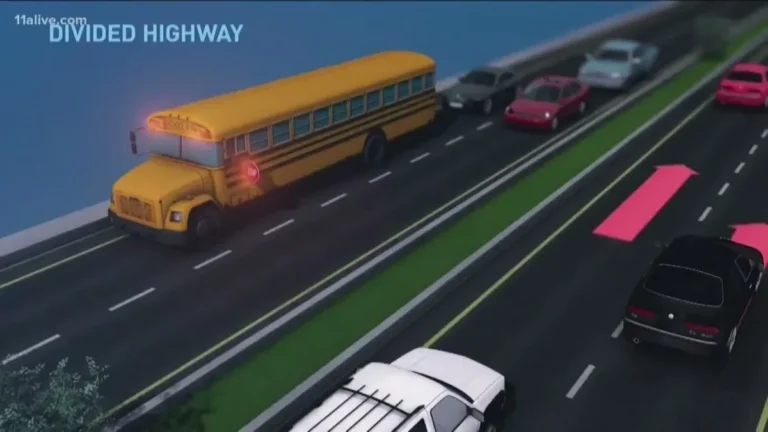
A common risky scenario involves drivers on divided highways who think they don’t need to act if the emergency vehicle is on the opposite side of the median. Pennsylvania law requires you to move over or slow down even for vehicles on the opposite side of a divided highway.
How Pennsylvania’s Law Compares to Other States
Pennsylvania’s move over law is stricter than many neighboring states. New York’s law only requires a due care slowdown for non-emergency service vehicles, with no set minimum speed drop. Pennsylvania explicitly requires a 20 mph reduction if you can’t move over.
New Jersey’s law covers more vehicle types than Pennsylvania’s, including waste collection trucks and utility vehicles with flashing lights. Pennsylvania’s law currently does not extend to those categories.
Across the U.S., all 50 states have some form of move over law. Pennsylvania is one of only 12 that requires a specific numeric speed reduction instead of a vague slow down rule.
Quick Reference: Do’s and Don’ts for Drivers
Do:
- Scan ahead for flashing lights on shoulders and medians
- Signal early when changing lanes to move over
- Slow to 20 mph below the limit if you can’t switch lanes
- Watch for amber lights on tow trucks and PennDOT vehicles
Don’t:
- Assume the law only covers police cars
- Wait until the last second to react
- Speed up to pass emergency scenes quickly
- Use your phone near roadside workers
Mistakes to Avoid on Multi-Lane Highways
Drivers often misjudge the space needed to move over safely. On a three-lane highway, you must move to the lane farthest from the emergency vehicle, not just the adjacent one.
Another common error is changing lanes too abruptly. Always check your mirrors and blind spots before moving over.
How to Handle Emergency Vehicles in Work Zones
Work zones add complexity to the move over law. If an emergency vehicle is stopped within a construction zone, the same rules apply. You must move over or slow down, even if the work zone already has reduced speed limits.
Watch for additional signs in work zones that may direct traffic around emergency vehicles. These signs take precedence over general move over rules when they provide specific instructions.
What Happens If You’re Pulled Over for Violating the Law
If a police officer stops you for failing to move over, expect a fine and points on your license. The officer will typically ask if you were aware of the law.
You’ll receive a citation with the fine amount and court date. Paying the fine means accepting the points on your record. You can contest the ticket in court if you believe it was issued in error.
Why This Law Saves Lives Every Year
Since Pennsylvania enacted its move over law, roadside worker fatalities have decreased by 30 percent. Nationally, one tow truck operator is killed every six days while assisting motorists.
These workers put their lives on the line to keep roads safe. The move over law is a simple but effective way to protect them.
Frequently Asked Questions
Does the move over law apply if the emergency vehicle is on the opposite side of a divided highway?
Yes. Pennsylvania’s law requires you to move over or slow down for any stationary emergency or service vehicle with flashing lights, even if it’s on the opposite side of a divided highway.
What if there’s no room to move over in heavy traffic?
If traffic prevents a safe lane change, you must slow down to 20 mph below the posted speed limit. Maintain this reduced speed until you’ve completely passed the emergency vehicle.
Are tow trucks really included in this law?
Yes. Any tow truck or roadside assistance vehicle with amber flashing lights is covered under Pennsylvania’s Move Over Law.
How much is the fine for violating the move over law?
The base fine for a first offense is $250, plus 2 points on your driving record. Fines increase significantly if the violation results in injury or death.
Can I get a ticket if I didn’t see the emergency vehicle?
Yes. Ignorance of the law or failing to notice the vehicle isn’t a valid defense. Drivers are responsible for maintaining awareness of their surroundings.