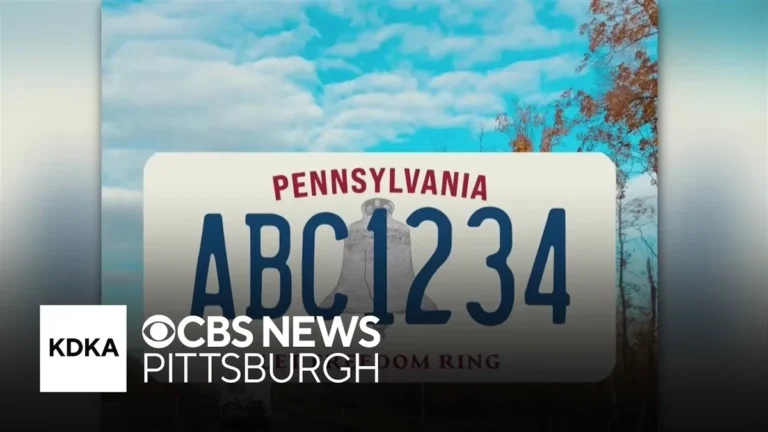
The Pennsylvania vehicle registration deadline 30 days after purchase or move catches thousands of new car owners and new state residents off guard every year. If you just bought a vehicle or moved to Pennsylvania, you’re already juggling enough paperwork without adding avoidable fines to the list. Most people don’t realize how strict this rule is until they get a ticket in the mail.
We’re laying out exactly how this rule works and how to avoid costly mistakes as of 2026.
Per official PennDOT guidance, this 30-day window applies to all passenger vehicles, trucks, motorcycles, and trailers. There are very few exceptions, and late fees add up fast the longer you wait. We’ll walk through every step and edge case you need to handle this correctly.
Quick Answer
Per PennDOT’s official registration rules, the Pennsylvania vehicle registration deadline is 30 calendar days after you buy a vehicle or move to the state. This rule applies to all passenger cars, trucks, motorcycles, and trailers. You must have a valid PA registration to drive on public roads legally.
Late fees start at $25 and increase the longer you wait. Driving unregistered can lead to tickets, impoundment, or points on your license.
Is There Really a 30-Day Deadline to Register a Car in Pennsylvania?
Yes, this 30-day deadline is a hard legal requirement under Pennsylvania Vehicle Code Title 75. PennDOT enforces this rule to ensure all vehicles on PA roads have valid insurance, up-to-date inspections, and clear ownership records. There is no formal grace period for most residents, though temporary plates may give you extra time to complete paperwork in some cases.
If you’re a new resident moving from another state, you’re required to register your out-of-state vehicle within 30 days of establishing PA residency, not 30 days from your move date. Active duty military members stationed in PA may qualify for extended deadlines, but you must submit formal military orders to PennDOT to get an exemption. If you buy a car out of state but live in Pennsylvania, the clock starts the day you bring the vehicle into the state, not the day you signed the out-of-state purchase paperwork.
When the 30-Day Clock Starts (And When It Doesn’t)
The start date for your 30-day window depends entirely on your specific situation. If you bought a vehicle from a Pennsylvania dealer or private seller, the clock starts the day you take possession of the car, not the day you signed the purchase agreement.
If you moved to Pennsylvania from another state, the timer starts the day you establish PA residency. This is usually when you get a PA driver’s license, register to vote, or start paying PA state income tax. For leased vehicles, the start date is the day you take possession of the leased car, per the terms of your lease agreement.
What Happens If You Miss the Deadline?
Missing the 30-day registration deadline comes with immediate, avoidable penalties. PennDOT imposes late fees that increase the longer you wait to register.
| Days Late | Late Fee |
|---|---|
| 1–10 days | $25 |
| 11–30 days | $50 |
| 31+ days | $100 + potential court fines |
Driving an unregistered vehicle on PA public roads is a traffic violation that can lead to tickets, impoundment, or even points on your driving record. If you get into an accident while driving an unregistered car, your insurance company may deny your claim entirely. If you’ve already missed the deadline, register your vehicle immediately to minimize penalties.
The Exact Steps to Register a Newly Purchased Car in PA
Registering a newly purchased vehicle in Pennsylvania follows a clear, linear process if you have all your paperwork ready. First, make sure you have valid PA auto insurance that meets state minimum liability requirements before you visit the DMV.
Second, get a safety inspection done at a certified PA inspection station, and an emissions inspection if you live in one of the 25 required counties. Third, fill out the PA Form MV-1, which you can download from the PennDOT website or pick up at a DMV office.
Fourth, bring your completed MV-1, proof of insurance, inspection reports, the signed vehicle title, and your PA driver’s license to a PennDOT office or authorized private agent. Fifth, pay the required registration fees and sales tax, then you’ll get a temporary registration valid for 30 days while your permanent plates are mailed to you.
If you bought your car from a licensed Pennsylvania dealer, they will handle most of this paperwork for you, but you’ll still need to provide your insurance and ID to complete the process. If you bought from a private seller, you’re responsible for the entire process yourself, including the title transfer.
How Registering After Moving to PA Is Different
The process for new residents has a few key differences. You’ll need to transfer your out-of-state title to Pennsylvania within 30 days of establishing residency. This means getting a PA title, not just a registration.
You must also pass PA’s safety inspection and emissions test if your county requires it, even if your previous state didn’t. Your out-of-state registration doesn’t count toward PA’s deadline, so don’t assume you’re covered.
Bring your out-of-state title, proof of insurance, and a completed MV-1 form to the DMV. If your title is held by a lienholder, you’ll need a copy of the title or a lienholder release letter. You’ll pay PA’s 6% sales tax on the vehicle’s current market value unless you have proof you already paid sales tax in your previous state.

Documents You’ll Need (No Exceptions)
You can’t register without these. Bring your completed MV-1 form, proof of PA insurance, and the vehicle title signed over to you. If you’re a new resident, you’ll also need your out-of-state title and proof of PA residency like a utility bill or lease agreement.
For leased vehicles, bring the lease agreement and power of attorney from the leasing company. If your title is electronic, print a copy of the e-title from the lienholder.
Fees, Taxes, and Hidden Costs to Expect
Registration fees vary by vehicle type and weight. Passenger cars typically cost $38 for a two-year registration. Motorcycles are $9 for two years.
Trailers range from $11 to $64 depending on weight.
You’ll also pay 6% PA sales tax on the vehicle’s purchase price or current market value for out-of-state transfers. Some counties add a 1-2% local tax. Emissions and safety inspections cost $35-$50 each at most stations.
Emissions and Safety Inspections: Who Needs Them?
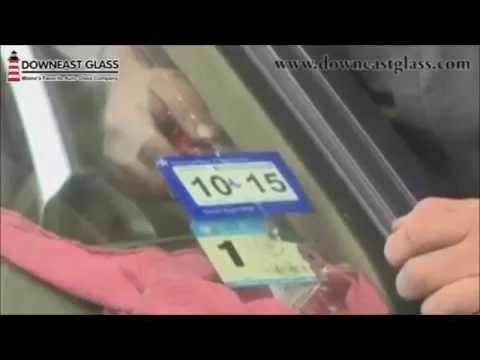
Safety inspections are mandatory for all vehicles in Pennsylvania. Emissions testing is required in 25 counties including Allegheny, Philadelphia, and Bucks. Check PennDOT’s website to see if your county is on the list.
New vehicles are exempt from emissions testing for the first two model years. Diesel vehicles from 1997 or newer with a GVWR under 8,500 lbs also need emissions tests. If you fail, you have 30 days to fix the issues and retest.
Temporary Plates: How They Fit Into the 30-Day Rule
Dealers often provide temporary plates valid for 30-90 days. These let you drive while waiting for permanent plates. Private sales don’t come with temp plates, so you must register immediately.
If your temp plate expires before your permanent plates arrive, contact the DMV. Driving with an expired temp plate is the same as driving unregistered. Some dealers offer plate mailing services to avoid this issue.
Common Mistakes That Get People Fined
Waiting until the last day to register is risky. DMV offices get busy, and paperwork can take time to process. Assuming your out-of-state registration transfers automatically is another common error.
Forgetting to update your address with PennDOT when you move can delay your registration. Not having proof of insurance at the DMV means an automatic rejection. Many people also overlook the emissions test requirement in certain counties.
What to Do If You’re Running Out of Time
Schedule a DMV appointment immediately. Walk-ins are allowed but expect long waits. Bring all required documents to avoid multiple trips.
If you can’t make it in time, request a temporary extension from PennDOT. These are rare but possible for documented emergencies. Driving unregistered while waiting for an extension is still illegal.
Special Cases (Leased Cars, Inherited Vehicles, Out-of-State Purchases)
Leased vehicles require the leasing company’s power of attorney form. The lessor often handles registration but confirm with them.
For inherited vehicles, you’ll need the death certificate, will, and a completed Affidavit of Heirship. Out-of-state purchases require a VIN verification if the title isn’t from a PA dealer.
Where to Go: DMV vs. Authorized Agents
PennDOT has full-service centers in every county. Some offer appointments to reduce wait times. Authorized private agents can process registrations but may charge extra fees.
Check PennDOT’s website for the nearest location. Some AAA offices also handle registrations for members.
FAQs About PA’s 30-Day Registration Rule
Does the 30-day rule apply to motorcycles?
Yes. Motorcycles must be registered within 30 days of purchase or moving to PA. The process is the same as for cars but with lower fees.
Can I register online in Pennsylvania?
Some renewals can be done online. New registrations require an in-person visit to verify documents and complete inspections.
What if I buy a car on the last day of the month?
The 30-day clock starts the day you take possession. Weekends and holidays count toward your deadline.
Do I need a PA license to register a car?
No, but you must have a valid out-of-state license. You’ll need a PA license to establish residency for registration purposes.
What happens if I sell my car before registering it?
The buyer must register it themselves. You’re only responsible for the registration period when you owned the vehicle.