ByMax Lee
Puerto Rico Antique Car Registration Guide
Puerto Rico antique vehicle registration for cars 25 years and older is simpler than most people think, but the rules are strict. If your car was built at least 25 years ago, it qualifies for antique plates, but you'll need the right paperwork and inspections to make it official.
The process changes depending on whether your car is already titled in Puerto Rico, coming from the U.S. mainland, or being imported from another country. As of 2026, the Department of Transportation and Public Works (DTOP) handles all registrations, and missing even one step can mean delays or rejection.
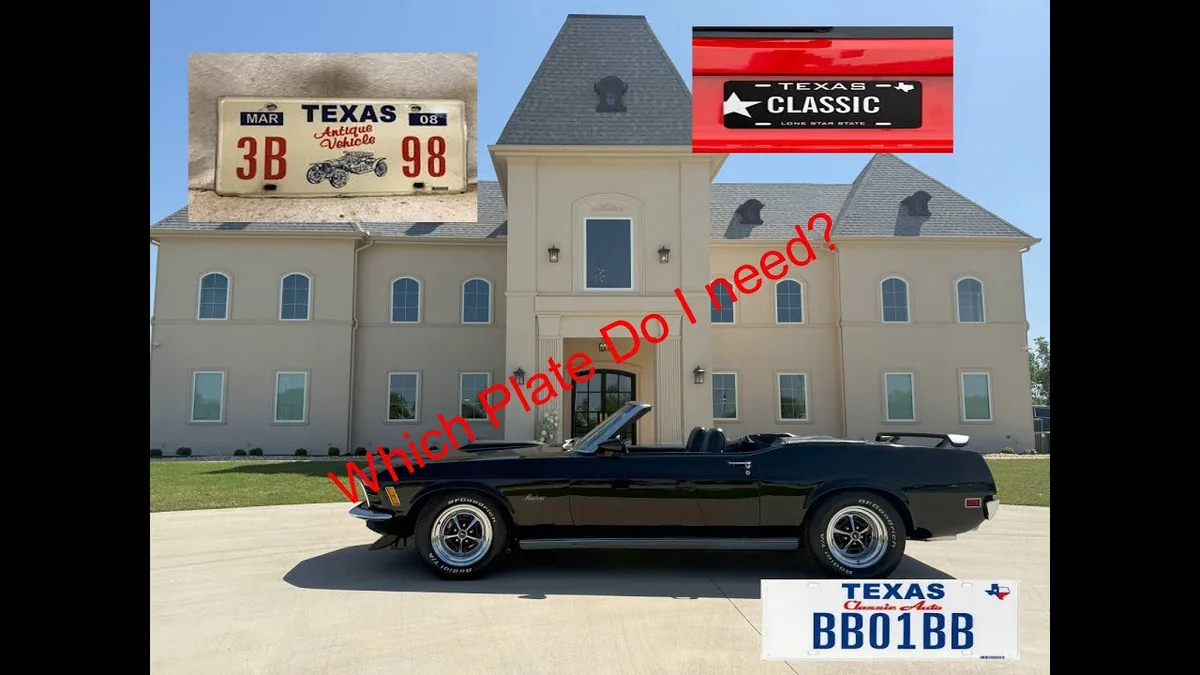
YouTube / Chasing Mustangs (YouTube thumbnail (fair-use with source credit))
Quick Answer
Puerto Rico antique vehicle registration for cars 25 years and older applies to any passenger vehicle 25+ years old. You must provide a clean title, pass a safety inspection, and submit the correct DTOP forms. The antique plate allows limited road use for shows and events.
Processing typically takes 1 to 2 weeks.
How Puerto Rico Defines an Antique Vehicle (25+ Years Old)
Puerto Rico classifies a vehicle as antiguo (antique) if it is at least 25 years old from the current calendar year. A 1999 model qualifies in 2024, but a 2000 model does not until 2025.
The vehicle must retain its original or period-correct appearance. Major modifications can disqualify it from antique status. The title must be clean, meaning no salvage, rebuilt, or reconstructed brands unless properly disclosed.
What You'll Need Before You Start
Gather these documents before visiting a DTOP office.
- Certificate of Title (Certificado de Título) in your name or with a notarial assignment
- Vehicle Identification Number (VIN) verification from an authorized station
- Proof of insurance meeting Puerto Rico's minimum liability requirements
- Safety inspection certificate from a licensed inspection station
- Payment for registration fees, which varies by vehicle type
If your title is from another state or country, you will need additional steps. A properly prepared title transfer avoids the most common rejection reasons.
YouTube / A-1 Auto Transport, Inc. (YouTube thumbnail (fair-use with source credit))
Gather these documents before visiting a DTOP office.
- Certificate of Title (Certificado de Título) in your name or with a notarial assignment
- Vehicle Identification Number (VIN) verification from an authorized station
- Proof of insurance meeting Puerto Rico's minimum liability requirements
- Safety inspection certificate from a licensed inspection station
- Payment for registration fees, which varies by vehicle type
If your title is from another state or country, you will need additional steps. A properly prepared title transfer avoids the most common rejection reasons.
YouTube / A-1 Auto Transport, Inc. (YouTube thumbnail (fair-use with source credit))
Step-by-Step: Registering Your Antique Car in Puerto Rico
The process branches based on where your car is currently titled. Follow the path that matches your situation.
If Your Car Is Already Titled in Puerto Rico
- Confirm the vehicle meets the 25-year age requirement.
- Schedule a VIN verification at an authorized station.
- Pass the safety inspection, though emissions testing may not apply to antiques.
- Submit your title, inspection certificate, and completed DTOP forms at a local office.
- Pay the antique registration fee and receive your plates.
If You're Bringing a Car from the U.S. Mainland
- Obtain a VIN verification in Puerto Rico.
- Provide the out-of-state title and a notarial assignment if the title is not in your name.
- Complete a Puerto Rico title application and pay the transfer fee.
- Pass the safety inspection.
- Submit all documents to DTOP and pay the antique registration fee.
YouTube / Classic Decoder (YouTube thumbnail (fair-use with source credit))
Where to Go: DTOP/ATP Offices & Inspection Stations
Puerto Rico's Department of Transportation and Public Works (DTOP) has regional offices in San Juan, Bayamón, Ponce, and other major cities. You can find the nearest location on the DTOP website.
Authorized inspection stations are typically private businesses certified by DTOP. Call ahead to confirm they handle antique vehicle inspections, as not all do.

YouTube / Trill Eats (YouTube thumbnail (fair-use with source credit))
YouTube / NALTEC 受検案内ch (YouTube thumbnail (fair-use with source credit))
Costs, Fees, and Processing Times
Processing fees for antique registration are significantly lower than standard plates, but you should budget for more than just the registration cost. The antique plate issuance fee varies, and you will also pay for the safety inspection, any title transfer fees, and documentation costs.
Most applicants complete the entire process within 1 to 2 weeks if all documents are in order. Waiting in line at DTOP offices can add time, so call ahead or schedule an appointment when possible.
| Service | Estimated Cost | Timeline |
|---|---|---|
| Antique plate issuance | Varies | Same day |
| Safety inspection | $20 to $50 | 30 minutes |
| Title transfer (out-of-state) | $50 to $100 | 1 to 2 weeks |
| VIN verification | Free to $25 | 15 minutes |
| Registration renewal (annual) | Discounted rate | Same day |
Hidden costs often come from document notarization, certified copies of titles, or shipping fees if you are mailing paperwork from outside Puerto Rico. Keep extra copies of everything.
Common Mistakes That Get Your Application Rejected
Most rejections come from avoidable errors. Check your paperwork twice before submitting it to DTOP.
- Missing notarial assignment: If the title is not in your name, you need a notary stamp on the assignment section. No exception.
- Salvage or rebuilt brand not disclosed: Hiding a brand history is fraud. Disclose it upfront or your application fails.
- VIN does not match: Typos happen. Double-check that every number on your forms matches the vehicle exactly.
- Expired inspection certificate: Inspection results are only valid for a limited window. Do not wait too long between inspection and submission.
- Wrong plate category: Applying for a custom plate when your car qualifies for antique status wastes time and money.
If you are dealing with a missing title, a notarial certificate of title process may apply, but Puerto Rico has its own rules.
Antique vs. Custom vs. Standard Plates: Which One Fits Your Car?
Puerto Rico offers different plate categories, and picking the wrong one causes headaches. Here is when each option makes sense.
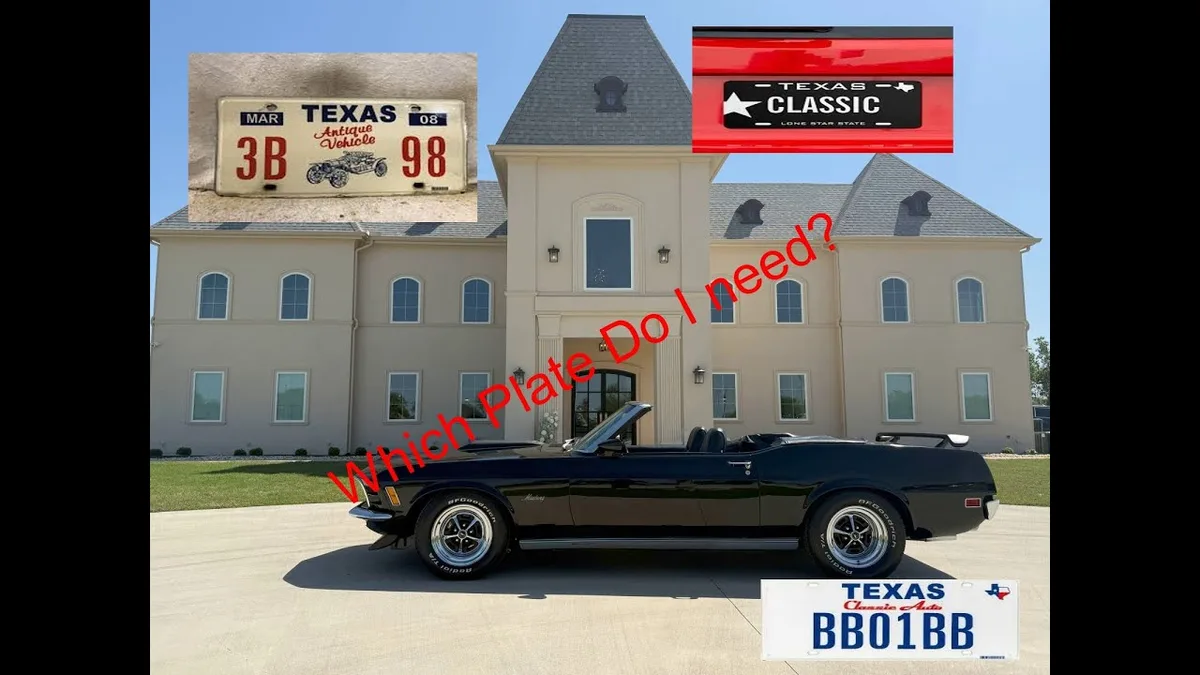
Antique plates are for vehicles 25+ years old in original or period-correct condition. They offer lower fees and exempt your car from standard emissions testing. You can only use the car for shows, parades, and occasional pleasure driving.
Custom plates let you choose personalized text or designs. These cost more and do not offer fee discounts. A custom plate works best if you want a unique look for a modern or modified vehicle.
Standard plates apply to all other vehicles. They come with full road-use privileges and higher annual fees.
YouTube / Chasing Mustangs (YouTube thumbnail (fair-use with source credit))
Antique plates are the clear winner if your car qualifies. You save money and get recognition for preserving automotive history. Custom plates make sense for show cars that do not meet the age requirement.
Keeping Your Antique Registration Valid
Antique registration is not a one-time event. You need to maintain compliance every year.
Renew your registration annually on time. Late renewals may require re-inspection or penalties. Keep your vehicle in roadworthy condition, even if you only drive it occasionally.
Avoid modifications that change the car's appearance from its original era. A swapped engine is fine, but altering the body, paint, or exterior features can void your antique status. Document any legal modifications with before-and-after photos and receipts.
Storage matters too. A car kept in a humid climate like Puerto Rico needs extra protection. Use a proper washing routine and garage storage to prevent rust and paint damage.
Regular maintenance preserves both the car and your eligibility.
Frequently Asked Questions
Can I drive my antique car every day?
No. Antique plates restrict use to shows, parades, exhibitions, and occasional pleasure driving. Daily commuting with antique plates can result in fines or registration cancellation.
Do I need a special insurance policy for an antique vehicle?
Yes. Standard auto insurance will not cover an antique vehicle properly. Look for agreed-value policies designed for classic cars.
They protect your vehicle's true worth instead of market value.
How do I handle a lost or missing title?
You will need a notarial certificate of title from the Puerto Rico DTOP. This replaces the lost document after a verification process. It takes longer than a standard transfer.
Can I register an antique car before it arrives in Puerto Rico?
You can start the process, but you will need a Puerto Rico VIN verification and safety inspection once the car arrives. Plan for that step after transport.
What happens if my car fails the safety inspection?
You must repair the issues and return for re-inspection. Common failures include broken lights, worn tires, or exhaust problems. Fix them before coming back to avoid extra fees.
Are emissions tests required for antique vehicles in Puerto Rico?
Generally, no. Antique vehicles are often exempt from standard emissions testing. However, always confirm current rules with DTOP, as regulations can change.