ByMax Lee
Puerto Rico Blue & Red Light Ban for Cars
Puerto Rico blue and red light prohibition for private motor vehicles is a strict rule that catches many drivers off guard. If you’ve ever considered adding colored lights to your car for style or visibility, you need to know the legal limits. These restrictions exist to prevent confusion with emergency vehicles and maintain road safety.
As of 2026, Puerto Rico’s traffic laws explicitly ban private vehicles from using blue or red lights under any circumstances. Violations can lead to fines, and enforcement is consistent across the island.
YouTube / RainbowDash72 (YouTube thumbnail (fair-use with source credit))
Quick Answer
Puerto Rico bans blue and red lights on private vehicles. Only authorized emergency vehicles can use them. Private cars with these lights face fines.
The rule applies island-wide. No exceptions exist for personal use.
The Law: What’s Actually Prohibited
Puerto Rico’s Vehicle Code, specifically Law 22, outlines the restrictions on vehicle lighting. Private motor vehicles cannot display blue or red lights, whether flashing, rotating, or steady. This includes dashboard lights, underglow, or any aftermarket installations.
The law is clear: these colors are reserved exclusively for emergency and law enforcement vehicles. Even if the lights are not in use while driving, their presence on a private vehicle is illegal.
YouTube / A-1 Auto Transport, Inc. (YouTube thumbnail (fair-use with source credit))
Who’s Exempt (And Who Isn’t)
Emergency vehicles are the only exception to this rule. This includes:
- Police cars
- Fire trucks
- Ambulances
- Other authorized first responder vehicles
Private vehicles, even those used for volunteer emergency services, are not exempt unless officially designated by the Puerto Rico Department of Transportation and Public Works (DTOP).
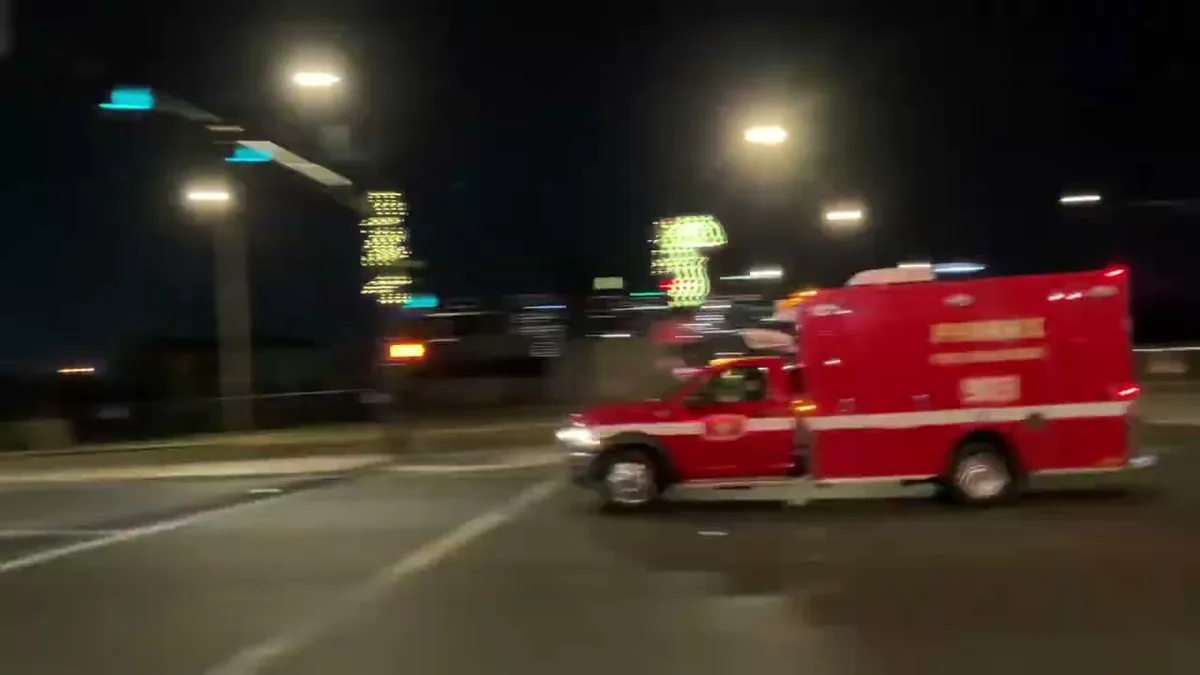
YouTube / Pete Kosednar (YouTube thumbnail (fair-use with source credit))
Why These Restrictions Exist
The primary reason for the ban is public safety. Blue and red lights are universally recognized as signals for emergency vehicles. Allowing private cars to use them could create dangerous confusion on the road.
These restrictions also help prevent the impersonation of law enforcement or emergency personnel. Misuse of these lights can undermine the authority of legitimate emergency vehicles and put lives at risk.
Common Mistakes That Get Drivers Fined
Many drivers assume that aftermarket lights are fine as long as they’re not used while driving. This is incorrect. Simply having blue or red lights installed on a private vehicle is enough to trigger a fine.
Other common mistakes include:
- Using blue or red underglow kits for aesthetic purposes
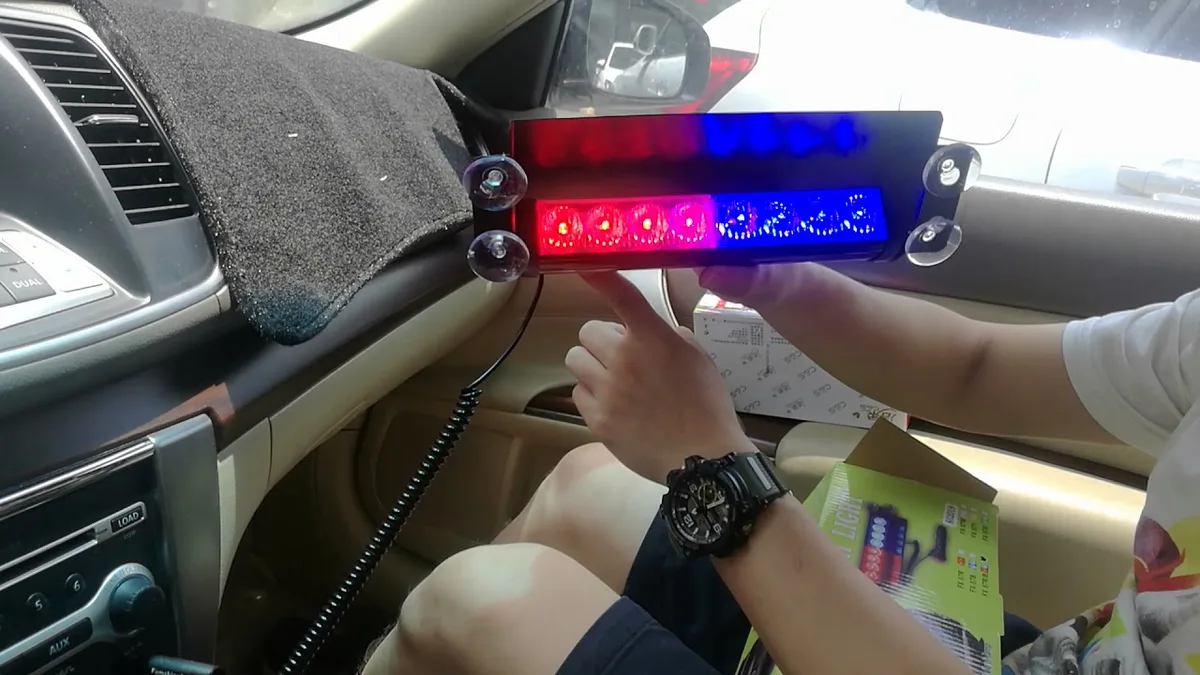
- Installing dashboard lights that mimic emergency vehicle patterns
- Assuming volunteer status grants exemption without official authorization
YouTube / Werie Jenif (YouTube thumbnail (fair-use with source credit))
How Enforcement Works in Puerto Rico
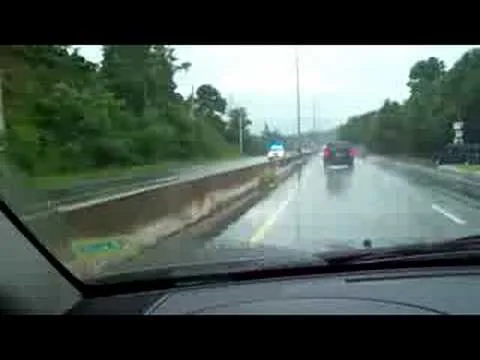
Police in Puerto Rico are trained to spot illegal lighting during routine traffic stops. Officers often patrol highway entrances, tourist areas, and urban centers where modified vehicles are common.
If a driver is pulled over for a minor infraction, any visible prohibited lights become additional grounds for a citation. Enforcement is straightforward. An officer will likely ask the driver to turn off all non-standard lighting and may issue a ticket for the violation.
YouTube / theinsiderpr (YouTube thumbnail (fair-use with source credit))
What Happens If You’re Caught
A first offense usually results in a fine. The amount can vary but expect a significant penalty. In some cases, the vehicle may be required to pass a compliance inspection before being driven legally again.
If you contest the citation, you’ll need to remove the illegal lights and present proof of removal in court. Failure to comply can lead to additional fines or registration suspension.
Legal Alternatives for Visibility or Signaling
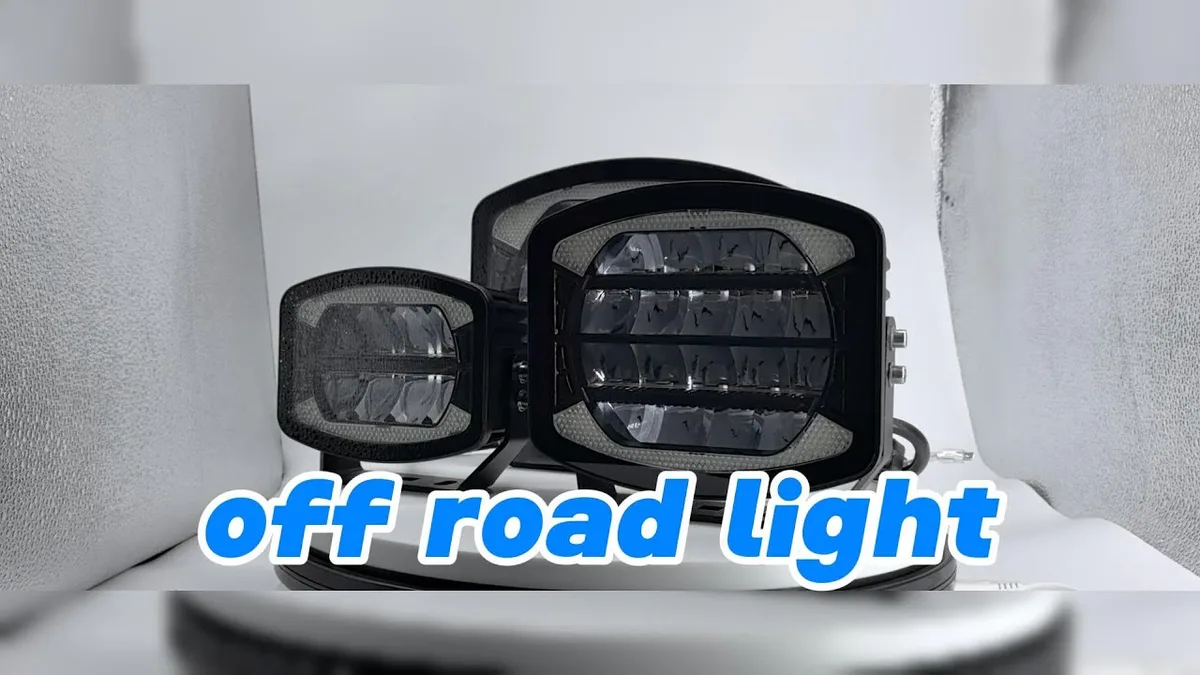
You don’t have to sacrifice visibility or safety. Puerto Rico allows amber and white lights for private vehicles. Amber lights are commonly used for tow trucks, construction vehicles, and other utility purposes.
White lights are permitted for headlights, fog lights, and daytime running lights. Stick to these colors for any aftermarket additions. They’re street-legal, safe, and won’t get you pulled over.
YouTube / XRLL light Winner Zhu (YouTube thumbnail (fair-use with source credit))
How to Check If Your Vehicle Complies
Before hitting the road, do a quick inspection. Turn off all exterior lights and look for any blue or red illumination. Check underglow kits, dashboard accessories, and roof-mounted lights.
You can also review the official vehicle code or contact the DTOP for clarification. When in doubt, remove anything that isn’t a standard white or amber light.
Frequently Asked Questions
Can I use blue or red lights on my car if I’m not driving?
No. Having blue or red lights installed on a private vehicle is illegal regardless of whether they’re in use.
Are there any exceptions for volunteer firefighters or EMTs?
Only if you’re driving an officially designated emergency vehicle. Personal vehicles used for volunteer service don’t qualify unless authorized by the DTOP.
What’s the fine for having illegal lights in Puerto Rico?
Fines vary but typically range from $100 to $500 per offense. Additional costs may include court fees and required inspections.
Can I switch to amber lights for better visibility?
Yes. Amber lights are legal for private vehicles and are widely used for trucks, SUVs, and utility vehicles.
How do I remove illegal lights after a citation?
Remove all prohibited lighting components and keep receipts or photos as proof. You’ll need this documentation if you plan to contest the citation in court.
Final Takeaway: Stay Safe and Legal
Understanding and following Puerto Rico’s lighting laws keeps you on the right side of the law. Blue and red lights are strictly prohibited on private vehicles. Only authorized emergency vehicles may use these colors.
Before driving, inspect your vehicle for any non-standard lighting. Remove any blue or red lights immediately. If you need enhanced visibility, switch to certified amber or white lights.
Always consult the official Puerto Rico traffic code or a licensed mechanic if you’re unsure about compliance.