ByMax Lee
Puerto Rico Salvage Title Requirements for Wrecked Vehicles
Puerto Rico salvage title requirements for wrecked or destroyed vehicles can feel confusing, especially when you're dealing with a totaled car and need to know your next steps. The process depends on whether your vehicle is repairable or not, and the Puerto Rico Department of Transportation and Public Works (DTOP) has specific rules for each scenario. As of 2026, these requirements ensure proper documentation and prevent fraud, so getting it right matters.
If your car is declared a total loss by an insurer or meets Puerto Rico's damage threshold, you'll need to follow DTOP's salvage title process. The first step is understanding whether your vehicle qualifies as salvage, junk, or can be rebuilt. This distinction affects everything from paperwork to future registration.
YouTube / Flipping Cars 4 Fun (YouTube thumbnail (fair-use with source credit))
Quick Answer
Puerto Rico salvage title requirements for wrecked or destroyed vehicles apply when a car is a total loss. DTOP issues a salvage title if the vehicle is damaged beyond a set cost threshold. You must submit an application, proof of ownership, and inspection results.
The title will be branded as salvage, junk, or rebuilt based on condition.
What Constitutes a Salvage or Destroyed Vehicle in Puerto Rico?
A vehicle is considered salvage in Puerto Rico if it's damaged to the point where repair costs exceed its fair market value. This is often determined by an insurance company's total loss declaration. The DTOP uses this assessment to decide if the vehicle should be branded as salvage.
Destroyed vehicles, or those with severe structural damage, may be classified as junk if they're non-repairable. Puerto Rico's DTOP sets the standards for what qualifies, and these rules align with local and federal safety guidelines. If the vehicle can be safely repaired, it may still be eligible for a rebuilt title after passing inspections.
Salvage Title vs. Junk Title vs. Rebuilt Title: Know the Difference
Not all damaged vehicles get the same title branding in Puerto Rico. Here's how they differ:
| Title Type | Definition | Repairable? | Can Be Driven? | Title Brand |
|---|---|---|---|---|
| Salvage | Vehicle declared a total loss but may be repairable | Yes | No, until rebuilt | Salvage |
| Junk | Vehicle is non-repairable, often for parts or scrap | No | No | Junk |
| Rebuilt | Salvage vehicle repaired and inspected | Yes | Yes, after approval | Rebuilt |
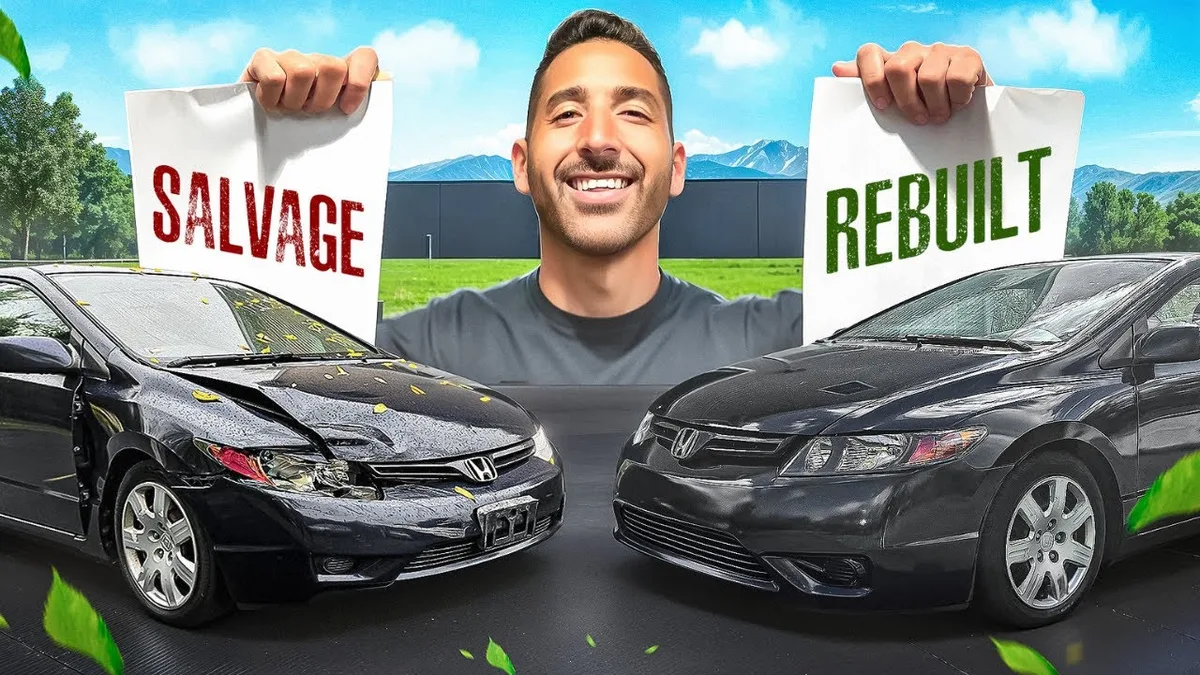
A salvage title means the car was totaled but could be fixed. A junk title means it's not safe or economical to repair. A rebuilt title is issued after a salvage vehicle passes DTOP's inspection and is deemed roadworthy again.
YouTube / CleanMyTitle.com (YouTube thumbnail (fair-use with source credit))
Your First Decision: Selling as Salvage or Rebuilding for a Rebuilt Title?
If your vehicle qualifies for a salvage title, you have two main options: sell it as-is or rebuild it. Selling as salvage is the simpler route if you don't want to invest in repairs. You'll get a salvage certificate, which allows you to sell the car to a junkyard or private buyer for parts.
Rebuilding is the better choice if the vehicle holds sentimental or financial value and the repairs are feasible. However, you'll need to complete all repairs to DTOP's standards and pass a rigorous inspection. Only then can you apply for a rebuilt title, which allows you to register and drive the vehicle again.

YouTube / Guide Gurus (YouTube thumbnail (fair-use with source credit))
Step-by-Step: Applying for a Salvage Title with DTOP
To get a salvage title in Puerto Rico, follow these steps:
Assess the Damage Confirm the vehicle is a total loss. This is typically done by your insurance company, but you can also get an independent appraisal if you're handling it privately.
Gather Required Documents You'll need:
, The original vehicle title (or a copy if the original is lost)
, A completed DTOP salvage title application (Form HM-1843)
, Proof of ownership (bill of sale, registration, or insurance declaration)
, A damage assessment report (from an insurer or licensed appraiser)
Submit the Application Take your documents to a local DTOP office. If there's a lien on the vehicle, the lienholder must also sign off on the salvage title application.
Pay Fees DTOP charges a fee for processing the salvage title, and you may also need to pay taxes to the Puerto Rico Treasury Department (Hacienda).
Receive Your Salvage Certificate Once approved, DTOP will issue a salvage certificate. This document proves you legally own the wrecked vehicle.
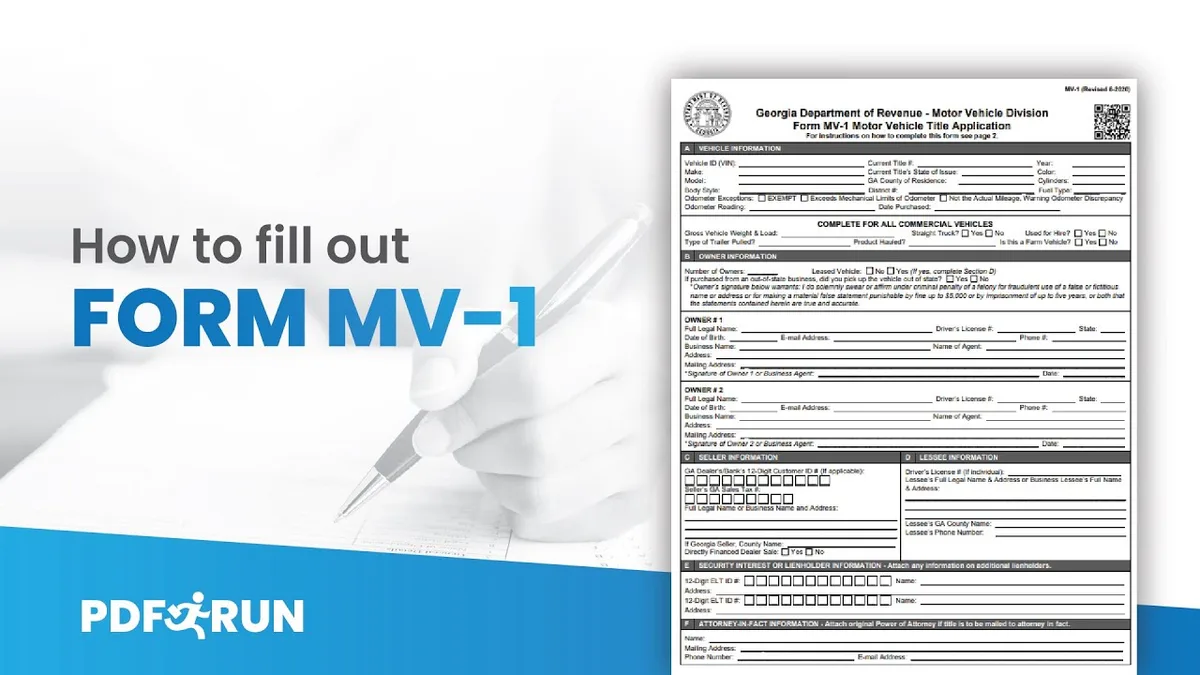
YouTube / PDFRUN (YouTube thumbnail (fair-use with source credit))
Step-by-Step: The Rebuilt Title Process After Repairs
If you choose to rebuild your salvage vehicle, here's what comes next:
Complete Repairs Fix all structural, mechanical, and safety issues. Use licensed mechanics and keep receipts for parts and labor. DTOP may require proof of repairs.
Schedule an Inspection Contact DTOP to arrange a rebuilt vehicle inspection. The vehicle must meet Puerto Rico's safety and emissions standards.
Pass the Inspection An authorized DTOP inspector will verify that the vehicle is roadworthy. If it passes, you'll receive an inspection certificate.
Apply for a Rebuilt Title Submit the inspection certificate, repair receipts, and a completed rebuilt title application to DTOP. Pay any applicable fees.
Register the Vehicle Once you have the rebuilt title, you can register the vehicle and get license plates. Note that some insurance companies may be hesitant to cover rebuilt-title vehicles, so shop around.
Openverse / USDAgov (PDM 1.0)
Common Mistakes to Avoid with Puerto Rico Salvage Titles
Making mistakes with your salvage title application can lead to delays, fines, or even fraud accusations. Here are the most common pitfalls Puerto Rico residents encounter.
Skipping the Official Inspection
Some people try to bypass the DTOP inspection process, thinking they can rebuild and register the vehicle on their own. This never works. DTOP requires a certified inspection before any rebuilt title is issued.
If you attempt to drive an uninspected salvage vehicle, you could face heavy fines or criminal charges.
Using Unauthorized Repair Shops
Not all mechanics are authorized to perform salvage vehicle repairs in Puerto Rico. Using an uncertified shop means your repairs won't meet DTOP standards, and your rebuilt title application will be rejected. Always verify that your repair facility is approved by DTOP before starting any work.
Failing to Clear Liens
If there's an outstanding loan on your vehicle, the lienholder must sign the salvage title application. Skipping this step will stall your application indefinitely. Some people forget to notify their lender, assuming the insurance payout clears the debt automatically.
It doesn't. Always contact your lender early in the process.
Attempting Title Washing
Title washing involves transferring a salvage title from one state to another to hide the brand. This is illegal in Puerto Rico and carries severe penalties. DTOP cross-references titles with the National Motor Vehicle Title Information System (NMVTIS), so fraudulent attempts are easily detected.
YouTube / WFLA News Channel 8 (YouTube thumbnail (fair-use with source credit))
Costs, Fees, and Financial Implications
Understanding the financial side of Puerto Rico salvage title requirements for wrecked or destroyed vehicles helps you avoid surprises.
DTOP Title Fees
DTOP charges a fee for processing salvage titles and rebuilt titles. These fees vary depending on the vehicle type and title brand, but you can expect to pay between $20 and $50 for most applications. Additional fees may apply for duplicate titles or expedited processing.
Inspection and Repair Costs
Inspections themselves are typically free, but the repairs required to pass inspection can be costly. A minor structural repair might run $500, while a full rebuild can exceed $5,000. Factor these costs into your decision before committing to the rebuilt title route.
Tax Implications
The Puerto Rico Treasury Department (Hacienda) may assess taxes when transferring a salvage or rebuilt title. These taxes depend on the vehicle's declared value and your ownership status. If you inherited the vehicle or received it as an insurance settlement, tax rates may differ from a standard sale.
Insurance Challenges
Insuring a rebuilt-title vehicle in Puerto Rico is possible but often more expensive. Some insurers refuse to cover rebuilt titles altogether, while others charge higher premiums due to perceived risk. Get quotes from multiple companies before completing your repairs.
| Cost Category | Estimated Range | Notes |
|---|---|---|
| Salvage title application | $20–$50 | Depends on vehicle type |
| Rebuilt title application | $20–$50 | Same fee structure |
| Minor repairs | $500–$2,000 | Cosmetic and minor mechanical |
| Major repairs | $2,000–$5,000+ | Structural and safety systems |
| Inspection | Free | Mandatory for rebuilt title |
| Taxes (Hacienda) | Variable | Based on vehicle value |
Expert Tips for Navigating DTOP, Hacienda, and Insurance
Working with Puerto Rico's regulatory agencies can feel like navigating a maze, but these tips will help you move through the process smoothly.
Start with Documentation
Gather every piece of paperwork related to your vehicle before you visit DTOP. This includes the original title, registration, insurance declaration, repair estimates, and any correspondence with the insurance company. Having a complete file reduces the chance of back-and-forth delays.
Use Authorized Salvage Recyclers
If you're selling a salvage vehicle, partner with an authorized salvage recycler in Puerto Rico. These facilities understand DTOP's requirements and can handle the paperwork correctly. They also offer fair market value based on current demand for parts.
Verify Vehicle History
Before buying a salvage or rebuilt vehicle, run a VIN check through NMVTIS. This federal database tracks title brands, odometer readings, and reported thefts across all U.S. states and territories. A clean NMVTIS report gives you confidence that the title isn't fraudulent.
Consult an Attorney for Complex Cases
If your vehicle has a lien, involves an out-of-state title, or requires special exemptions, seek advice from a Puerto Rico-licensed attorney. Legal guidance costs money, but it's cheaper than losing your vehicle to a bureaucratic error.
Keep Records of Everything
Document every step of the salvage or rebuilt title process. Save receipts for repairs, inspection certificates, application submissions, and correspondence with DTOP or Hacienda. These records protect you if questions arise later about ownership or repair quality.
Frequently Asked Questions About Puerto Rico Salvage Titles
Can I Drive a Wrecked Vehicle Home After an Accident in Puerto Rico?
No. Driving a wrecked vehicle with an unbranded or invalid title is illegal in Puerto Rico. If your car is deemed a total loss, you must arrange for towing or a tow dolly.
Some insurers include towing in their total loss settlements, so check your policy.
How Long Does the Salvage Title Process Take?
The salvage title application typically takes 5 to 10 business days to process after you submit all required documents to DTOP. The rebuilt title process can take 2 to 4 weeks, depending on inspection scheduling and repair verification. Delays happen when paperwork is incomplete or liens aren't cleared.
Is a Rebuilt Title Safe to Buy in Puerto Rico?
A rebuilt title can be safe, but it requires careful due diligence. Have an independent mechanic inspect the vehicle before purchasing. Verify that all repairs were done to DTOP standards and that the inspection was passed formally.
A rebuilt title doesn't guarantee quality, but it does mean the vehicle met minimum safety requirements.
What Happens If I Try to Sell a Salvage Vehicle Without Disclosing the Title Brand?
Failing to disclose a salvage or rebuilt title when selling a vehicle in Puerto Rico is fraud. You can face civil lawsuits, criminal charges, and financial penalties. Buyers have the right to know the title brand, and DTOP requires sellers to provide the actual title document during the transfer.
How Do I Check If My Vehicle Has a Salvage Title Brand?
You can check your vehicle's title status by visiting a DTOP office with your identification and vehicle paperwork. Alternatively, request a title history report through NMVTIS, which provides information on title brands reported across all states and U.S. territories. DTOP also maintains a public database you can search online.
Can I Register a Salvage Vehicle Without Rebuilding It First?
No. Puerto Rico does not allow registration of a salvage-title vehicle unless it has been repaired, inspected, and issued a rebuilt title. The salvage certificate only proves ownership of the damaged vehicle.
To drive it legally, you must complete the rebuilt title process.