ByMax Lee
Puerto Rico Farm Truck Registration: Eligibility & Rules
YouTube / A-1 Auto Transport, Inc. (YouTube thumbnail (fair-use with source credit))
You're hauling feed across the hills of Lajas when a trooper pulls you over and asks to see your plates. If you've got agricultural tags on a truck that's spent more time at a construction site than a pasture, the conversation goes south fast. Understanding Puerto Rico farm truck registration eligibility and restricted usage rules can save you fines, impound fees, and headaches that hit harder than a pothole on Highway 2.
Here's the short version: DTOP treats farm trucks differently than commercial rigs, but only if you meet three tests. You must hold a registered farmer card, the vehicle must carry agricultural plates, and every mile driven has to support bona fide farming work. Get any one of those wrong and your "farm truck" becomes an unregistered commercial vehicle overnight.
Quick Answer: What Counts as a 'Farm Truck' Under DTOP Rules

YouTube / A-1 Auto Transport, Inc. (YouTube thumbnail (fair-use with source credit))
A farm truck in Puerto Rico is any light or medium-duty truck registered under DTOP agricultural plate classifications. Eligibility hinges on three conditions you must meet simultaneously. You need an active farmer registration from the Puerto Rico Department of Agriculture.
Your truck must carry valid agricultural plates, not commercial or standard private plates. The vehicle can only be used for bona fide farming purposes on the road.
If your operation misses any one of these, DTOP can reclassify your truck and hit you with commercial registration back fees. That's the fastest path to a five-figure surprise bill on a vehicle that's been driving fine for years.
The Key Variables That Decide Your Eligibility
YouTube / All About Trailers (YouTube thumbnail (fair-use with source credit))
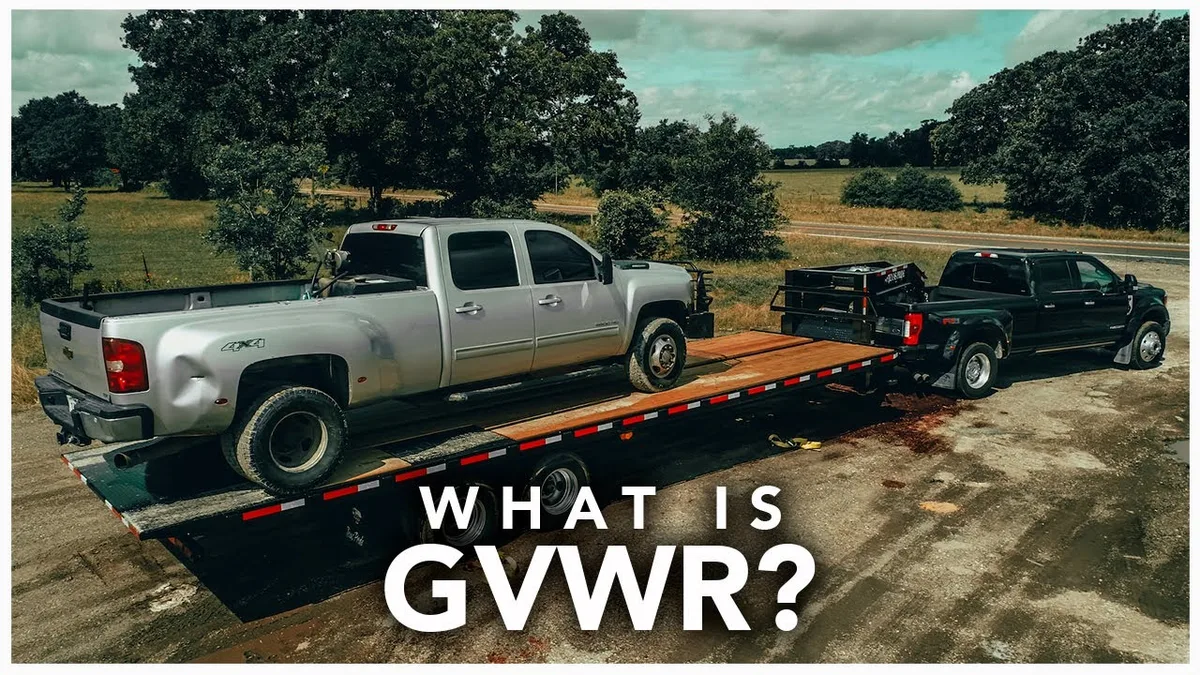
DTOP sorts every vehicle into weight bands, and your band determines what registration path opens up to you. Light trucks under 10,000 pounds GVWR fall into one category. Medium-duty trucks between 10,001 and 26,000 pounds land in another.
Anything over 26,000 pounds triggers commercial-level scrutiny regardless of how you plan to use it.
Your Status as a Registered Farmer
DTOP does not care what you call yourself. You need a current certificate from the Puerto Rico Department of Agriculture proving you operate a bona fide farming enterprise. Acceptable proof typically includes a filed agricultural activity declaration, land ownership or lease records tied to crop or livestock production, and sometimes a recent inspection sign-off from municipal agricultural offices.
If you recently retired and your operation switched to part-time hobby gardening, your farmer card may have expired. DTOP officers check expiration dates the same way they check plates, and an expired card voids your eligibility instantly.
How the Truck Is Used (Not What It Is)
The registration category follows the truck's primary purpose, not its physical appearance. A 2018 F-250 hauling seed bags to your fields qualifies for agricultural plates. That same truck shuttling drywall to a renovation project does not.
DTOP draws the line at what the vehicle carries and where it heads when it leaves your property.
Officers watching you on Highway 22 between Utuado and San German notice patterns. A farm truck showing up repeatedly at a cement yard or a hardware store chain gets flagged. Consistent off-farm commercial stops are the quickest way to lose agricultural plate protection.
Weight Class and Vehicle Type
Your truck's actual loaded weight matters more than the sticker number on the door. DTOP measures gross vehicle weight during registration inspections, not empty curb weight. A lightly loaded medium-duty truck may still register as agricultural.
An overloaded light truck crossing into the next weight band loses eligibility and faces retroactive reclassification.
Decision Guide: Which Registration Branch Fits Your Situation?
YouTube / The Online Learning Space (YouTube thumbnail (fair-use with source credit))
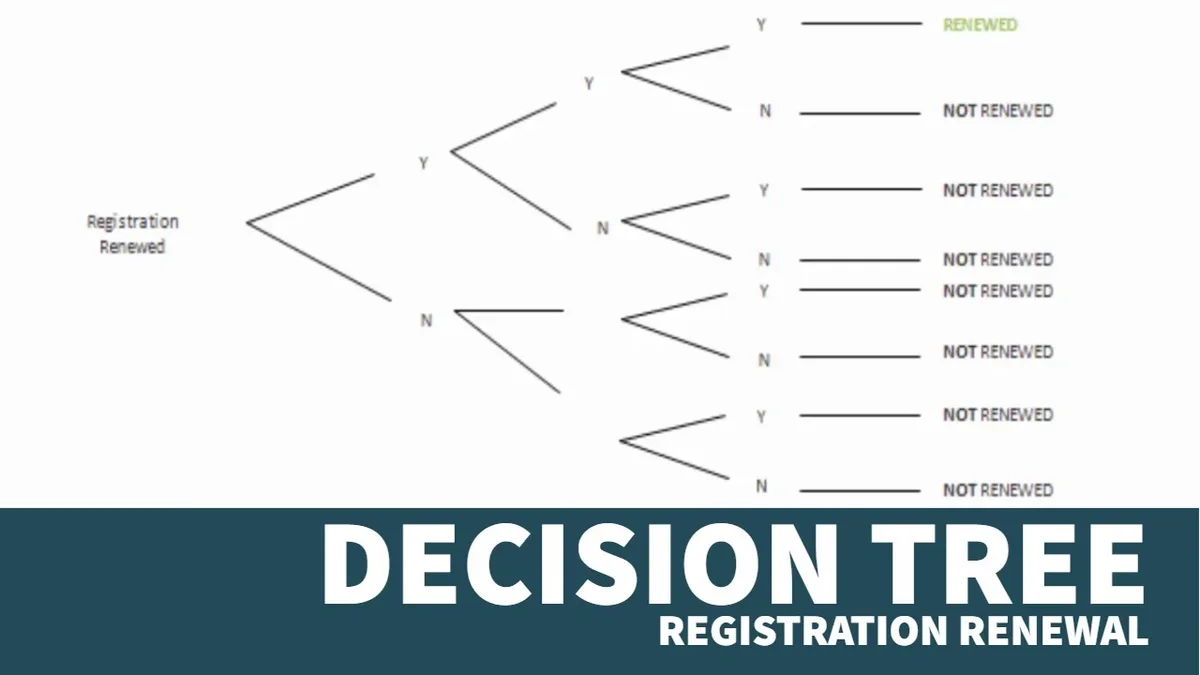
DTOP's registration branches sort every applicant into a specific compliance path. You only need to follow the branch that matches your real-world situation. Mixing branches creates documentation gaps that officers exploit during roadside stops.
Branch 1: You're a Registered Farmer Using the Truck Exclusively for Farm Work
This is the cleanest path. DTOP grants agricultural plates with minimal annual fees compared to commercial registration. You drive between fields, farms, and local markets without crossing into commercial territory.
Your truck stays on agricultural roads and designated farm routes without extra permits.
You still carry standard liability insurance and pass the regular vehicle inspection cycle. The paperwork stays light because DTOP already has your farmer card on file. Renewal typically takes five to ten business days at your regional office.
Branch 2: You Own a Farm Truck but Aren't a Registered Farmer
You hit a wall immediately. DTOP requires an active agricultural registration before issuing farm plates to any applicant. Without that card, your truck defaults to standard private or commercial classification depending on weight.
Private plates cost less but carry no agricultural use protections.
You can still register the truck, but you lose every benefit tied to farm vehicle status. That includes lower fees, certain weight allowances, and restricted-use permissions that keep officers off your back during routine transport.
Branch 3: You Haul Farm Goods Commercially or Off-Farm
Commercial agriculture falls under a different DTOP track entirely. If you sell produce through a wholesale distributor or contract with food processors outside your own operation, your truck likely needs commercial plates and an operating authority number. Agricultural plates do not cover third-party commercial hauling, even if the goods originated on your farm.
Mixing personal farm runs with commercial deliveries on the same vehicle creates dual-registration questions. DTOP expects one clear use classification per plate. Split use triggers audits that combine unpaid commercial fees with late penalties.
Branch 4: You're Unsure Which Category Applies to You
When doubt creeps in, DTOP expects you to pick the stricter branch and register accordingly. Going light and getting caught late costs far more than over-registering upfront. The risk-reward tilt always favors the heavier compliance path when you are uncertain.
Restricted Usage Rules: What You Can and Cannot Do with Agricultural Plates
Wikimedia Commons / Yarfpr (CC BY-SA)
Agricultural plates unlock specific usage permissions, but they come with tight boundaries. Cross those boundaries and your truck loses protected status immediately. DTOP enforces these restrictions through routine roadside checks and targeted operations around harvest seasons.
You can drive agricultural trucks on designated farm routes and public roads connecting agricultural zones. You can carry crops, livestock feed, and farming equipment without special permits. You can operate within municipal farming corridors during daylight and nighttime hours without additional restrictions.
You cannot use agricultural plates for non-farming commercial cargo transport. You cannot haul construction materials, retail goods, or consumer products under farm plate protection. You cannot operate your truck across island borders into zones where commercial licensing applies without proper endorsement.
You cannot ignore weight restrictions simply because your plates say agricultural.
Weight enforcement hits hard on mountain roads where overloaded farm trucks cause accidents. Officers stationed near Ponce and Mayagüez checkpoints weigh vehicles routinely during peak harvest months. Exceeding your registered weight band triggers immediate fines and possible impound until you pay back fees.
Agricultural Plates vs. Commercial Plates: The Real Trade-Offs

Wikimedia Commons / denisbin from Adelaide, Australia (CC BY-SA)
The choice between agricultural and commercial plates shapes your annual costs, your driving permissions, and your legal exposure. Each option serves a different operator profile, and picking the wrong one creates compliance headaches down the line.
| Feature | Agricultural Plates | Commercial Plates |
|---|---|---|
| Annual registration fees | Lower, tiered by weight | Higher, standard commercial rates |
| Eligibility requirement | Active farmer registration | No farming status needed |
| Road use permissions | Farm routes and designated agricultural zones | All public roads, including interstate |
| Weight restrictions | Standard limits apply, no commercial overloads | Commercial weight permits available |
| Insurance requirements | Standard liability minimums | Higher liability limits often required |
| Renewal process | Simplified for registered farmers | Standard commercial renewal cycle |
Agricultural plates save money if your operation stays within farming boundaries. Commercial plates cost more but grant freedom to operate across all road types without usage restrictions. The trade-off comes down to whether your truck works exclusively for your farm or serves multiple income streams.
Step-by-Step: How to Register Your Farm Truck with DTOP
Start at your nearest DTOP office with the right paperwork. You need your farmer registration card from the Puerto Rico Department of Agriculture. Bring the truck’s title and proof of insurance.
A completed vehicle inspection form is mandatory for first-time registrations.
DTOP will weigh your truck and verify its classification. If it falls under 10,000 lbs GVWR, you’ll pay the light agricultural fee. Medium-duty trucks between 10,001 and 26,000 lbs trigger the next tier.
Anything heavier requires commercial registration regardless of farm use.
Submit your documents and pay the fee. DTOP issues agricultural plates on the spot for most light trucks. Medium-duty vehicles may take 5 to 10 business days for processing.
You’ll receive a temporary permit to drive legally while waiting.
What It Costs: Fees, Weight Bands, and Renewal Charges
Agricultural registration fees scale with weight. Light trucks under 10,000 lbs cost the least. Medium-duty trucks in the 10,001 to 26,000 lb range pay more.
Heavy trucks over 26,000 lbs are not eligible for agricultural plates at all.
Renewal fees follow the same weight-based structure. Late renewals add penalties that compound weekly. DTOP waives penalties only for documented emergencies like hurricanes or major equipment failures.
Here’s the current fee structure as of 2026:
| Weight Class | Registration Fee | Late Penalty (per week) |
|---|---|---|
| Under 10,000 lbs | $50 | $10 |
| 10,001–26,000 lbs | $120 | $20 |
| Over 26,000 lbs | Commercial rates apply | N/A |
Common Mistakes That Get Puerto Rico Farm Trucks Fined or Impounded
Using agricultural plates for non-farm work tops the list. DTOP officers spot patterns quickly. A truck that’s always at a hardware store or construction site gets flagged.
The first offense usually brings a warning. The second offense triggers fines and possible plate revocation.
Exceeding weight limits is another common mistake. Officers weigh trucks at random checkpoints. Overloaded vehicles face immediate fines.
Repeat offenses lead to mandatory commercial reclassification.
Letting your farmer registration lapse invalidates your agricultural plates. DTOP cross-checks databases during renewals. An expired card means you’re driving unregistered.
The fix is simple: renew your farmer status before your plates expire.
Real Scenarios: How Other PR Farmers Handle Registration and Enforcement
A coffee grower in Jayuya runs two trucks. One carries agricultural plates for field work. The other has commercial plates for deliveries to San Juan distributors.
This split keeps both operations compliant. It also prevents mix-ups during inspections.
A citrus farmer in Isabela got caught using his agricultural truck for side hauling jobs. DTOP fined him $500 and forced a commercial reclassification. He now pays higher fees but avoids future penalties.
The lesson: stick to one clear use per vehicle.
A cattle rancher in Santa Isabel keeps his registration current. He renews his farmer card every year. He weighs his truck before every major haul.
Officers have waved him through checkpoints multiple times. Consistency prevents problems.
Pro Tips for Staying Compliant Year-Round
Weigh your truck loaded before every major trip. Portable scales are cheap and accurate. Knowing your exact weight prevents surprises at checkpoints.
Keep your farmer registration and vehicle paperwork in the glove box. Officers ask for both during stops. Having them ready speeds up inspections.
Avoid mixing farm and non-farm cargo in the same truck. If you must, register the vehicle commercially. The extra cost beats the risk of fines and impoundment.
Mark your calendar for renewal deadlines. DTOP sends reminders, but don’t rely on them. Set a phone alert a month before expiration.
Legal References: DTOP Rules, PR Vehicle Code, and Where to Verify
DTOP’s agricultural vehicle regulations are codified in the Puerto Rico Vehicle Code and administrative rules. These rules define eligibility, weight limits, and permitted usage zones. You can review the official code on the government’s legal portal or request a copy from any DTOP office.
The Puerto Rico Department of Agriculture maintains farmer registration records. Their system cross-references with DTOP during plate renewals. If your registration status changes, update both databases promptly.
Local municipal offices sometimes enforce additional restrictions on farm routes. Check with your municipality’s transportation department before planning long-distance hauls. Rural roads in Lajas or Utuado may have weight limits not reflected on statewide signs.
Final Decision Checklist: What to Do Before You Hit the Road
Before you drive your farm truck, run through this quick checklist:
- Confirm your farmer registration is current and matches your truck’s plate.
- Weigh your loaded vehicle to ensure it stays within your plate’s weight band.
- Verify your insurance meets at least the minimum liability requirements.
- Keep your registration documents, farmer card, and insurance proof in the cab.
- Plan your route to stay within designated agricultural zones.
- Check for any seasonal enforcement operations in your area.
If any item fails, fix it before you leave. A roadside stop can delay your harvest and cost you money. Compliance is cheaper than a fine.
Before you drive your farm truck, run through this quick checklist:
- Confirm your farmer registration is current and matches your truck’s plate.
- Weigh your loaded vehicle to ensure it stays within your plate’s weight band.
- Verify your insurance meets at least the minimum liability requirements.
- Keep your registration documents, farmer card, and insurance proof in the cab.
- Plan your route to stay within designated agricultural zones.
- Check for any seasonal enforcement operations in your area.
If any item fails, fix it before you leave. A roadside stop can delay your harvest and cost you money. Compliance is cheaper than a fine.
Frequently Asked Questions
Can I use my agricultural plates for non-farm hauling?
No. Agricultural plates are strictly for bona fide farming purposes. Using them for commercial cargo, construction materials, or non-farm deliveries violates DTOP rules.
You’ll face fines, plate suspension, and possible impoundment.
What happens if I exceed my weight limit?
Exceeding your registered weight triggers penalties. Officers can weigh you at checkpoints. If overloaded, you pay back fees based on the excess weight plus fines.
Repeat offenses may force commercial reclassification.
How often do I need to renew my agricultural plates?
Annual renewal is standard. You’ll pay the weight-based fee and submit proof that your farmer registration remains active. Late renewals incur weekly penalties until you catch up.
Do I need special insurance for a farm truck?
Standard liability insurance meets minimum requirements. Commercial plates may demand higher limits. If you carry both farm and commercial goods, confirm your policy covers all uses.
Can I register a truck for partial farm and partial commercial use?
DTOP requires one clear use classification per vehicle. Mixing farm and commercial work on the same truck risks violation. The safer approach is registering two separate vehicles: one agricultural, one commercial.
Where can I verify my farmer registration status?
Check with the Puerto Rico Department of Agriculture. They maintain current registration databases. You can also confirm through DTOP offices during plate renewal.
Keeping both cards active avoids surprises.