ByMax Lee
Puerto Rico Window Tint Laws: The 35% Rule Explained
Puerto Rico window tinting legal limits and 35 percent light transmission are strictly enforced for front side windows. The 35% visible light transmission (VLT) rule applies to the driver and front passenger windows. Rear windows and the windshield can have different allowances, but the front side limit is non-negotiable for standard vehicles.
Exceeding this limit can result in fines and a failed vehicle inspection.
Tint isn't just about looking sharp. It keeps the heat down and protects your skin from UV rays. In Puerto Rico's tropical climate, that protection matters a lot.
However, the local rules are tighter than in many other U.S. states. Getting them wrong can mean a costly fine or being forced to remove and replace your film.
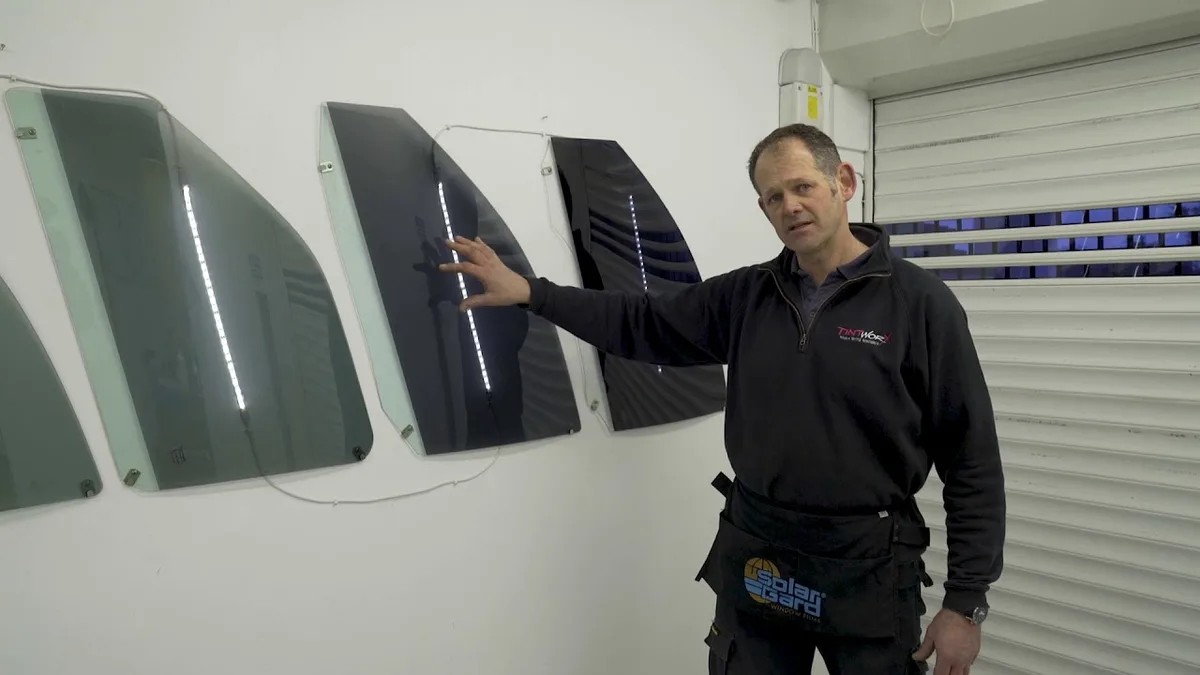
YouTube / Tintworx Torquay (YouTube thumbnail (fair-use with source credit))
Quick Answer
Puerto Rico window tinting legal limits and 35 percent light transmission require front side windows to allow at least 35% of light through. The 35% VLT rule applies to driver and front passenger windows. Rear windows can be darker.
Windshield tint is limited to the top 4 inches. Non-compliance risks fines and inspection failure.
Why Puerto Rico's Tint Laws Matter for Drivers
You might think window tint is just a style choice. It is also a road safety issue. Dark windows make it harder for other drivers and police officers to see your eyes and hands.
That is why Puerto Rico sets strict visible light transmission standards.
When you follow the rules, you stay safer and avoid trouble with the law.
The core reasons to care about these laws include:
- Avoiding fines and inspection failures
- Ensuring you can see well at night
- Keeping your vehicle road-legal for registration
- Reducing the risk of being pulled over
Many drivers get caught out because they assume darker is always better. But in Puerto Rico, the legal limit for the front side windows is 35% VLT. Officers are trained to spot overly dark windows, especially at night.
Pro Tip: Think of the 35% rule as the minimum light that must pass through your glass. A 35% tint film actually blocks 65% of visible light.
The Legal Tint Limits in Puerto Rico (Front, Rear, Windshield)
Understanding where the 35% limit applies is key. The law divides your vehicle into specific zones, and each zone has its own rule. Front side windows are the most strictly regulated.
Here is a straightforward breakdown of the current legal limits for standard passenger vehicles in Puerto Rico:
| Window Location | Legal Tint Limit (VLT) | Notes |
|---|---|---|
| Windshield | Non-reflective tint on the top 4 inches | The rest must remain clear for visibility. |
| Front Side Windows | 35% VLT minimum | Applies to both driver and front passenger sides. |
| Rear Side Windows | Any darkness allowed | You can go as dark as you like here. |
| Rear Window | Any darkness allowed | No legal restriction on the back glass. |
YouTube / Bogar Tech Designs (YouTube thumbnail (fair-use with source credit))
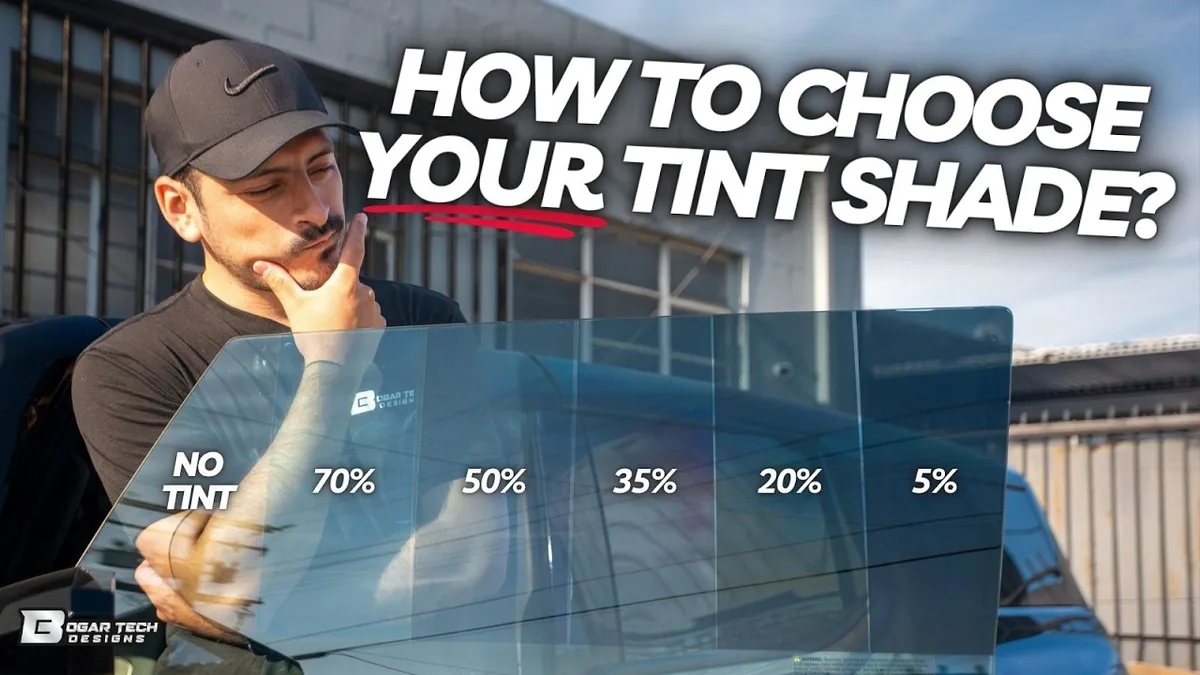
It is common for people to confuse these zones. You might install very dark 20% tint on your rear windows, which is perfectly legal. But if you put that same dark film on your front doors, you are breaking the law.
How 35% Light Transmission (VLT) Works and What It Means
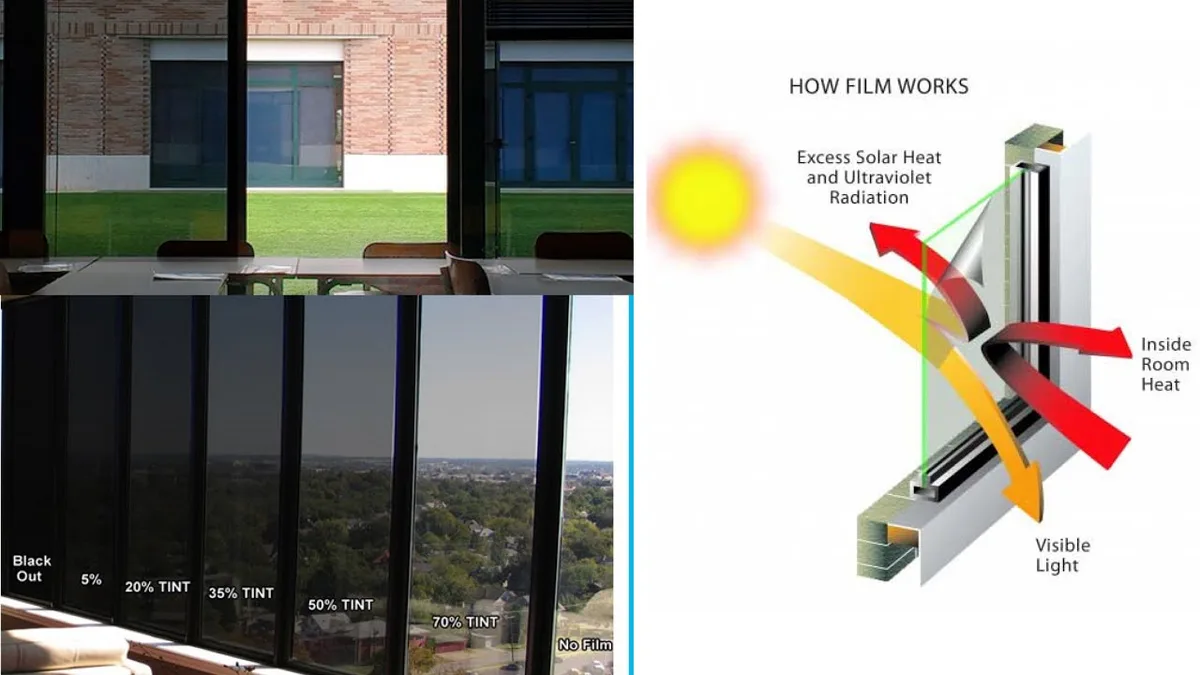
Visible Light Transmission (VLT) is the percentage of visible light that passes through your window and the tint film combined. A 35% VLT rating means 35% of light gets through, while 65% is blocked.
Many drivers shop by the percentage name alone, like "5% limo tint" or "20% dark tint." In Puerto Rico, anything below 35% VLT on the front side windows is illegal.
YouTube / boxer593 (YouTube thumbnail (fair-use with source credit))
Key things to remember about VLT:
- It is measured in a lab using a light meter, per ISO 1445 standards.
- Factory "privacy glass" often counts as a 15% to 20% VLT, which is illegal for front sides in PR.
- Tint percentage names can be misleading. Always confirm the actual VLT number with your installer.
- UV blocking and heat rejection are separate from VLT.
What Happens If Your Tint Is Too Dark?
Driving with illegal tint in Puerto Rico carries real consequences. The most immediate risk is a traffic stop. Officers are trained to spot overly dark windows, especially at night.
You might also face issues during your periodic vehicle inspection. Inspectors check tint darkness at the front side windows. If your film does not meet the 35% VLT minimum, your vehicle will fail.
YouTube / VVV-Group (YouTube thumbnail (fair-use with source credit))
Common penalties and outcomes include:
- On-the-spot fines for driving a non-compliant vehicle
- A mandatory fix-it ticket, requiring you to remove the tint and get re-inspected
- Failing your annual vehicle inspection, which blocks you from renewing registration
- Increased scrutiny during future stops
Exceptions: Medical, Commercial, and Factory Tint Rules
There are a few specific situations where darker tint might be allowed, but the rules are strict. A medical exemption is the most common exception. If you have a photosensitivity condition, you can apply for a permit to use darker tint on all windows.
Commercial vehicles sometimes have different standards, but this rarely applies to personal cars. Another area of confusion is factory tint. Many cars come with tinted glass from the factory.
However, this "factory tint" is often just a slight shade that does not add significant VLT reduction.
How to qualify for a medical tint exemption in Puerto Rico:
- Consult with a licensed medical professional about your condition.
- Obtain a signed doctor's note confirming the medical necessity.
- Submit the documentation to DTOP to request a special permit.
- Have the tint installed only after receiving official approval.
Without this paperwork, you must stick to the standard 35% VLT limit.
How to Check If Your Tint Is Legal
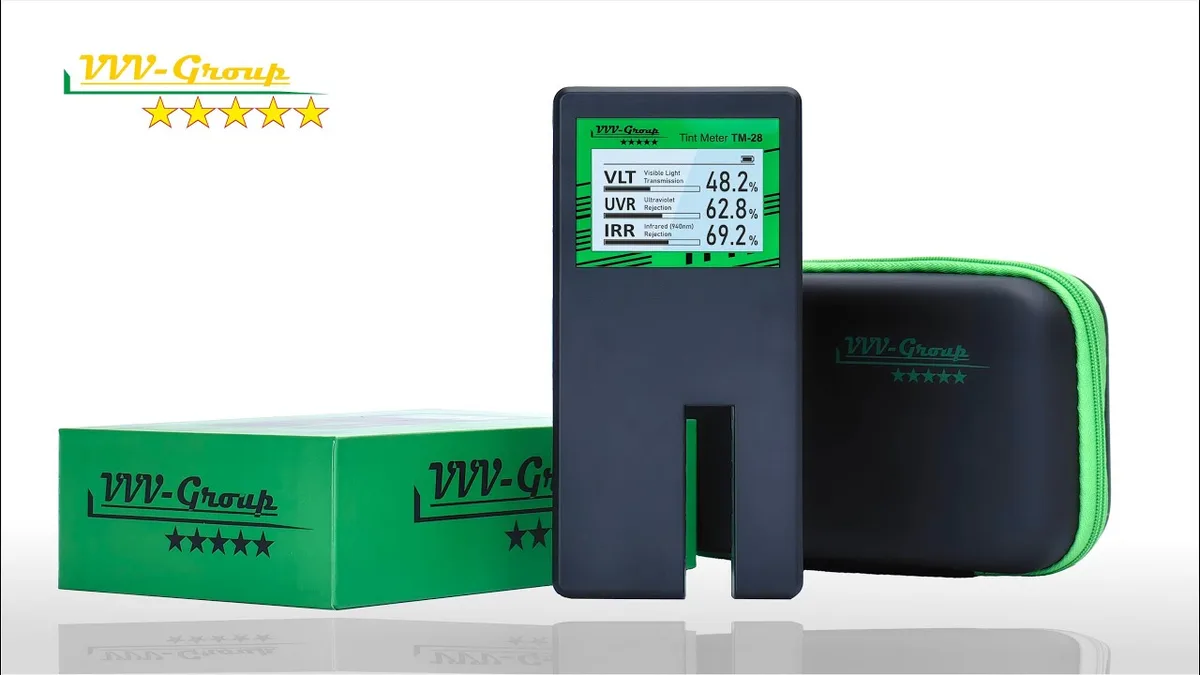
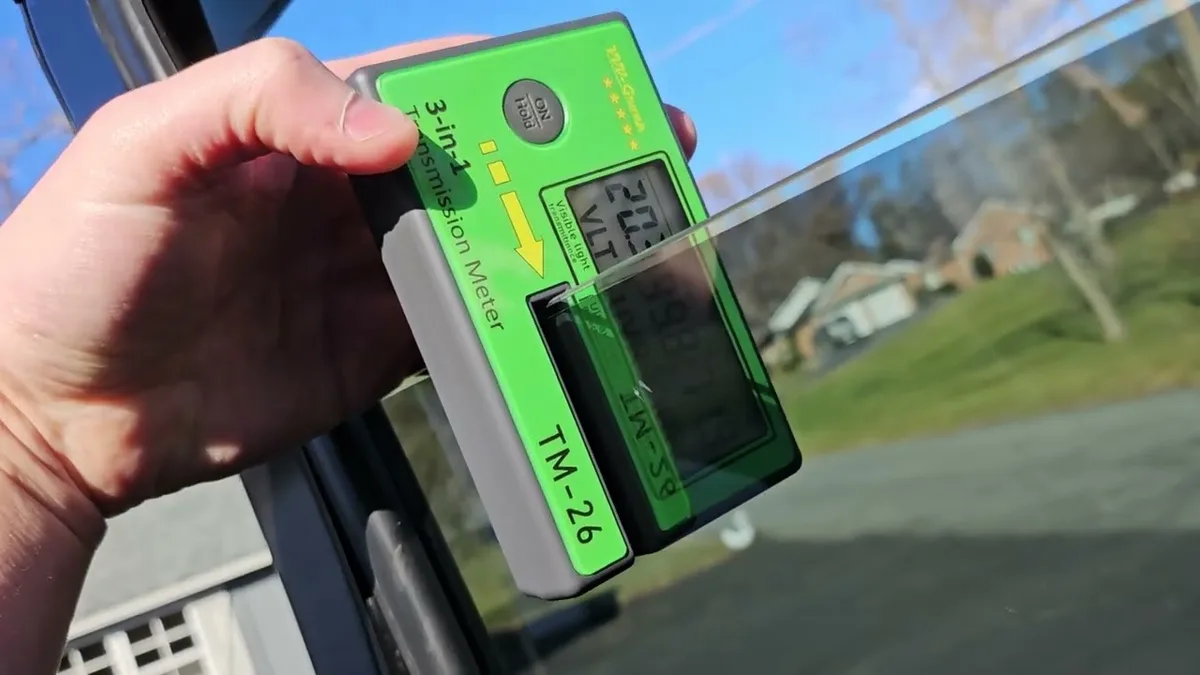
The easiest way to verify compliance is with a professional tint meter. These devices measure the exact VLT percentage of your windows. Many auto shops and inspection stations have them on hand.
You can also buy a handheld tint meter for personal use. Prices range from $50 to $200, depending on accuracy and features.
YouTube / Scotts Honest Reviews (YouTube thumbnail (fair-use with source credit))
Quick self-check method:
- Park in direct sunlight
- Roll down the window and compare the glass to the tinted portion
- If the tinted area looks significantly darker than the clear glass, it might be below 35%
Step-by-Step: Getting Compliant Tint in Puerto Rico
Start by choosing a reputable tint shop. Look for installers who guarantee their work meets Puerto Rico's legal standards.
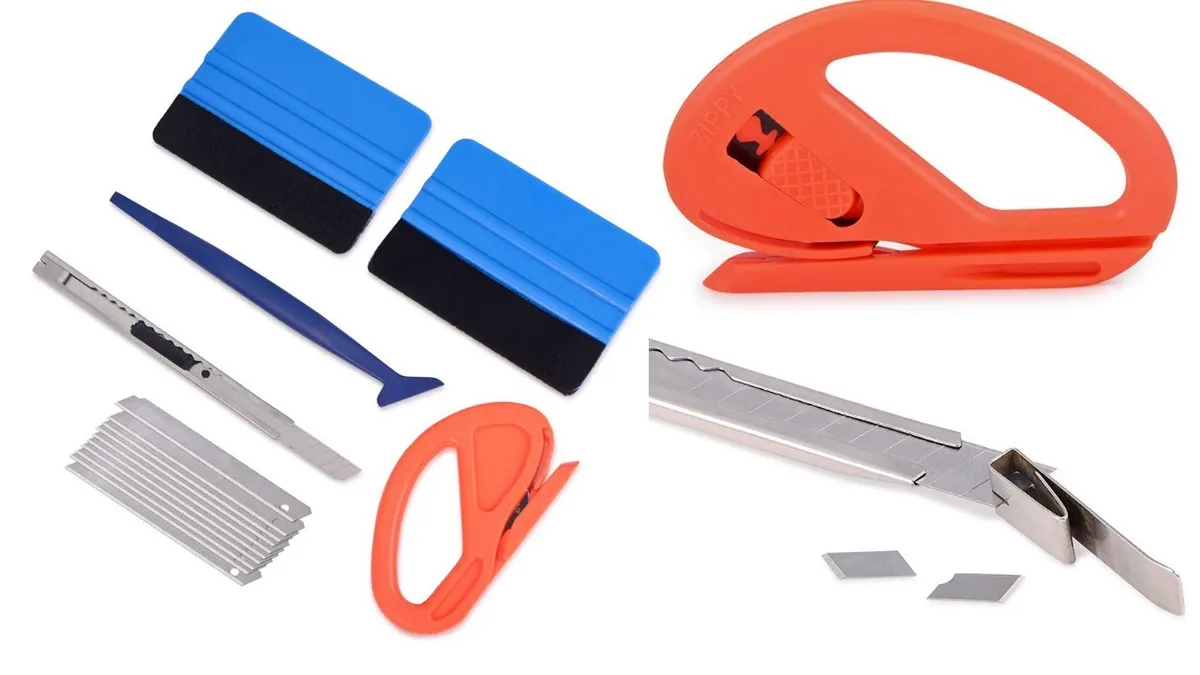
The installation process typically follows these steps:
- Window cleaning
- Film cutting
- Application
- Squeegeeing
- Drying time
YouTube / MABOLO TWO (YouTube thumbnail (fair-use with source credit))
Avoid DIY tint kits unless you have experience. Improper installation can lead to bubbles, peeling, and uneven darkness.
Common Mistakes That Get Drivers Fined
The most frequent error is assuming all windows have the same rules. Many drivers apply 20% tint to all windows, not realizing the front sides must be 35% or lighter.
Other common pitfalls include:
- Using reflective or mirrored tints, which are often illegal
- Installing tint that's too dark on the windshield
- Forgetting that factory privacy glass may already be below the legal limit
- Not keeping receipts or documentation proving legal tint installation
Puerto Rico vs. U.S. States: How Tint Laws Compare
Puerto Rico's 35% VLT limit for front side windows is stricter than many U.S. states. Some states allow 20% or even 5% on front sides, while others match Puerto Rico's 35% standard.
Comparison of front side window tint limits:
| Location | Legal VLT Limit | Notes |
|---|---|---|
| Puerto Rico | 35% | Strictly enforced |
| California | 70% | Very light tint only |
| Florida | 28% | Slightly darker than PR |
| Texas | 25% | Common aftermarket choice |
| New York | 70% | Similar to California |
Where to Get Reliable Tint Installation in PR
Look for shops that specialize in automotive window tinting. They should display their certification and offer warranties on their work.
What to ask before choosing an installer:
- Do you guarantee your tint meets Puerto Rico's legal standards?
- What VLT percentage do you recommend for my vehicle?
- Do you provide documentation for inspection purposes?
- What's your warranty on peeling or bubbling?
Frequently Asked Questions
Is 20% tint legal in Puerto Rico?
No, 20% tint is not legal for front side windows in Puerto Rico. The minimum visible light transmission for these windows is 35%. You can use 20% tint on rear windows, but the front sides must allow at least 35% of light through.
Can I get a ticket for illegal tint in Puerto Rico?
Yes, you can receive a fine for having illegal window tint. Police use tint meters to check compliance during traffic stops. If your front side windows are below 35% VLT, you risk a citation.
Does factory tint count toward the legal limit?
Yes, factory tint is included in the VLT measurement. If your vehicle's factory glass already reduces light transmission below 35%, adding aftermarket tint will make it even darker and illegal.
What's the darkest legal tint for front windows in PR?
The darkest legal tint for front side windows in Puerto Rico is 35% VLT. Anything darker, like 20% or 5%, is not permitted.
Do I need a permit for darker tint in Puerto Rico?
You only need a permit for darker tint if you have a medical condition that requires it. The Puerto Rico Department of Transportation and Public Works issues these exemptions. Without approval, you must stick to the standard 35% VLT limit.
How do I know if my tint is 35%?
Use a tint meter to measure the exact VLT percentage of your windows. Many auto shops and inspection stations have these devices. You can also buy a handheld meter for personal use.