ByMax Lee
Puerto Rico’s Slow Mover Law: Safe Rural Road Pull-Outs
Puerto Rico’s rural roads are beautiful but unforgiving. The Puerto Rico slow mover pull out law for rural road safety exists because a tractor, horse-drawn cart, or farm machine moving at 15 mph can create a deadly bottleneck on a narrow mountain highway. This law keeps traffic flowing and prevents the rear-end collisions and risky passes that too often end in tragedy.
Under the Ley de Vehículos y Tránsito de Puerto Rico, slow-moving vehicles must pull over when five or more cars line up behind them. The rule kicks in at speeds under 20 mph, and the SMV triangle emblem is mandatory for anything traveling below that threshold.
Quick Answer
The Puerto Rico slow mover pull out law for rural road safety requires slow vehicles to pull over. It applies when five or more cars queue behind. The speed threshold is 20 mph.
The SMV emblem must be displayed. Fines apply for non compliance.
What the Puerto Rico Slow Mover Pull-Out Law Actually Says
This isn’t just a courtesy, it’s the law. The Ley de Vehículos y Tránsito de Puerto Rico (Law 22-2000) mandates that any vehicle moving slower than the normal flow of traffic must pull over to the right when safe to do so. The trigger is clear: if five or more vehicles are lined up behind you, you’re legally required to let them pass.
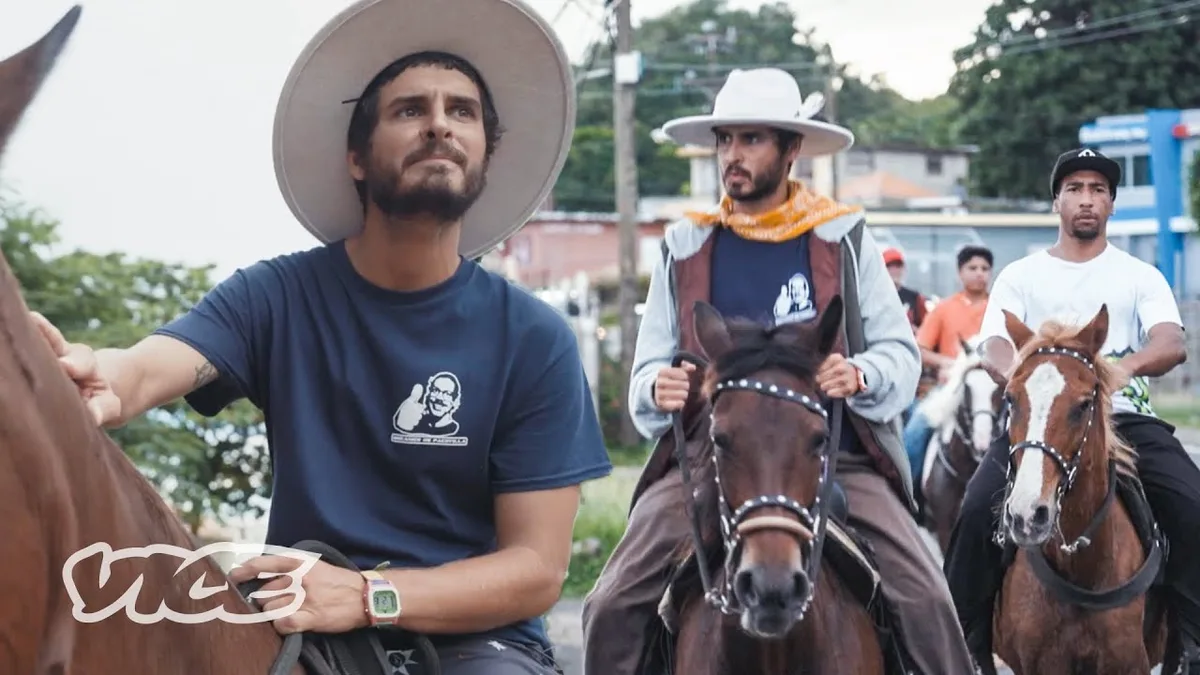
YouTube / VICE (YouTube thumbnail (fair-use with source credit))
The law specifically targets vehicles traveling below 20 mph, which includes farm tractors, animal-drawn carts (like the traditional carretas), and heavy machinery. It’s not just about speed, it’s about maintaining safety on roads where blind curves and steep drop-offs make passing dangerous. The Department of Transportation and Public Works (DTOP) enforces this, and violations can result in fines.
Why This Law Matters on Rural Puerto Rican Roads
Puerto Rico’s rural roads aren’t built for modern traffic volumes. Many are two-lane, winding, and lack shoulders, especially in the Cordillera Central. When a slow-moving vehicle holds up traffic, frustrated drivers take risks, passing in no-passing zones, crossing double yellow lines, or misjudging oncoming traffic.
The law reduces these risks by forcing slow vehicles to yield the right-of-way. It’s a simple but effective way to prevent accidents in areas where visibility is poor and reaction time is limited. Without it, rural roads would be far more dangerous for everyone, farmers, commuters, and tourists alike.
The Core Safety Risks of Slow Vehicles on Narrow Two-Lane Roads
Narrow roads with no shoulders leave little room for error. When a tractor or horse-drawn cart moves at 10-15 mph, faster vehicles stack up quickly. The longer the line, the higher the temptation to pass unsafely.
Here’s what typically goes wrong:
- Blind curves: Drivers can’t see oncoming traffic, leading to head-on collisions.
- Steep drop-offs: Swerving to pass can send a car off the road.
- Impatience: Tailgating and sudden braking cause rear-end crashes.
- Poor visibility: Dust, rain, or fog make it harder to judge distances.
The pull-over law directly addresses these risks by breaking up the congestion before it becomes a hazard.
How to Comply With the Pull-Over Requirement — A Step-by-Step Guide
Compliance isn’t complicated, but it does require awareness. If you’re operating a slow-moving vehicle, follow these steps:
- Monitor traffic behind you. Use your mirrors to count vehicles. Once five or more are lined up, it’s time to act.
- Signal early. Turn on your right blinker to indicate you’re pulling over.
- Find a safe spot. Look for a wide shoulder, a pull-off area, or a farm entrance. Never stop on a blind curve or bridge.
- Pull over smoothly. Slow down gradually and move as far to the right as possible.
- Wait for traffic to pass. Stay stopped until the road is clear, then merge back carefully.

YouTube / Back Road Pullers Inc (YouTube thumbnail (fair-use with source credit))
If you’re the driver behind a slow vehicle, resist the urge to pass illegally. Wait for a legal passing zone or for the slow vehicle to pull over. Patience saves lives.
The SMV Emblem and Equipment Rules Every Farm Vehicle Operator Must Know
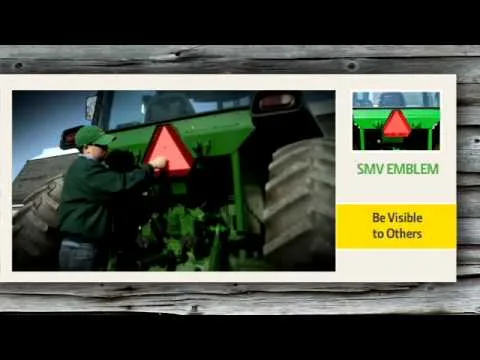
The Slow-Moving Vehicle (SMV) emblem is a bright orange-and-red triangle that warns other drivers of your speed. It’s not optional, it’s required by law for any vehicle traveling under 20 mph.
Here’s what you need to know:
- Placement: The emblem must be mounted on the rear of the vehicle, centered, and visible from at least 500 feet away.
- Height: It should be 2-6 feet above the road surface.
- Reflectivity: The emblem must be reflective to be visible at night.
- Lighting: If operating at dawn, dusk, or night, add flashing amber lights and rear reflectors.
YouTube / Highly Recommended Products (YouTube thumbnail (fair-use with source credit))
Farm tractors and animal-drawn carts must also have proper lighting if used on public roads after dark. The ANSI/ASAE S276.5 standard outlines the exact specifications for SMV emblems, and Puerto Rico follows these guidelines.
Common Legal Mistakes and Penalties for Non-Compliance in Puerto Rico
The most common violation is simply ignoring the pull-over requirement. Drivers of slow vehicles often assume they have the right to stay in the lane, but the law is clear: five cars behind means you must yield.
Another frequent issue is missing or improper SMV emblems. Without the reflective triangle, other drivers may not recognize your vehicle as slow-moving until it’s too late.
YouTube / The Bear Farm (YouTube thumbnail (fair-use with source credit))
Fines for these violations start at $50 and can go up to $200, depending on the severity and whether it’s a repeat offense. Police also cite operators for obstructing traffic on bridges or in tunnels, where pulling over isn’t possible. In these cases, the law expects you to avoid the road entirely during peak hours or use an alternate route.
Rural Road Conditions That Make This Law Tricky — And How to Work With Them
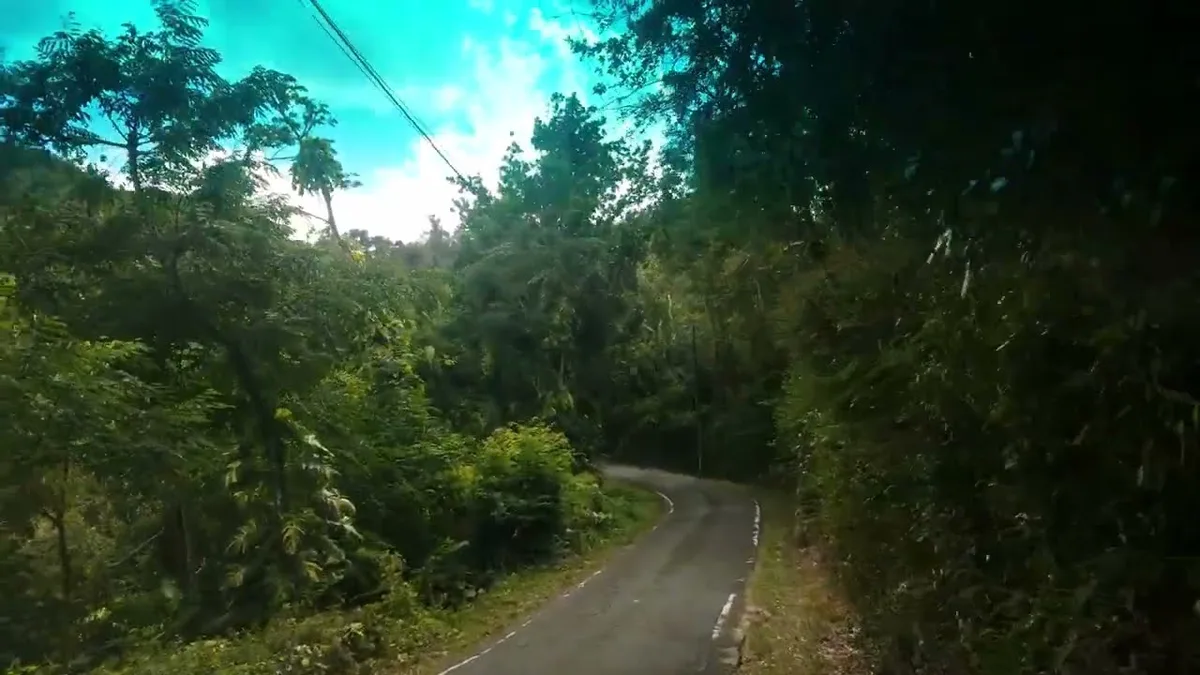
Puerto Rico’s rural roads present unique challenges. Blind curves, steep grades, and narrow shoulders make it hard to find a safe spot to pull over. In the Cordillera Central, some roads are barely wide enough for two vehicles, let alone a tractor and a line of cars.
YouTube / Statisticool (YouTube thumbnail (fair-use with source credit))
If you can’t pull over safely, slow down even more to let traffic pass in sections. Use hazard lights to signal your intent. Never stop on a curve or hill where visibility is limited.
Wet conditions add another layer of difficulty. Rain makes shoulders soft and unstable, increasing the risk of getting stuck. In these cases, pull over only on paved or reinforced areas.
When Pulling Over Isn't Safe — Legal Exceptions and How to Handle Them
The law isn’t absolute. If pulling over would put you or others in danger, you’re not required to do it. This includes situations like:
- No shoulder: If the road has no usable shoulder or pull-off area.
- Blind curves: If stopping would surprise oncoming traffic.
- Steep inclines: If the shoulder is too narrow or unstable.
In these cases, slow down further and use your hazard lights. Let faster traffic pass in small groups when it’s safe.
If you’re unsure, err on the side of caution. The goal is safety, not just compliance.
What Drivers Should Do When They Approach a Slow-Moving Vehicle
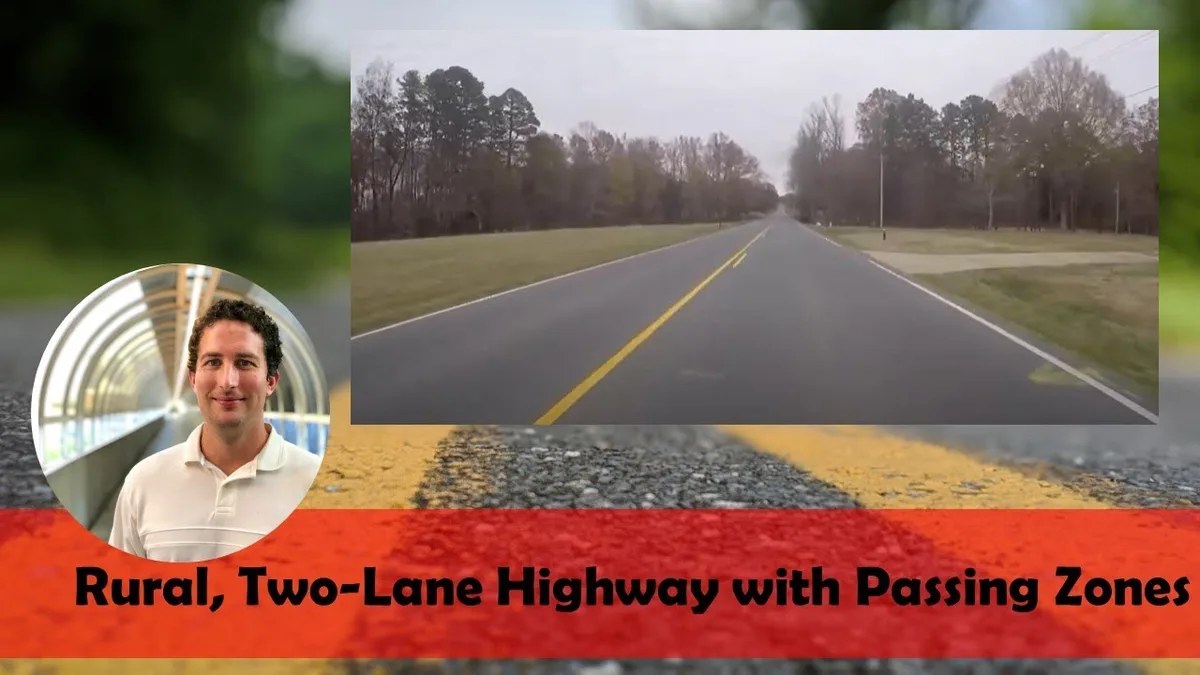
Patience is key. If you’re behind a slow vehicle, don’t tailgate or flash your lights aggressively. Instead, look for a legal passing zone or wait for the vehicle to pull over.
YouTube / Daniel Findley (YouTube thumbnail (fair-use with source credit))
When passing, check for oncoming traffic and ensure you have enough space. Never pass on a curve or hill where visibility is limited. If the slow vehicle has its right turn signal on, it’s likely preparing to pull over, give it room.
Remember, the law also applies to you. If you’re the fifth car in line, the slow vehicle is legally required to pull over. Stay calm and let the system work.
Your Safety and Legal Checklist for Rural Roads in Puerto Rico
Before hitting rural roads, run through this quick checklist:
For slow vehicle operators:
- Display a properly mounted SMV emblem
- Check mirrors frequently for trailing vehicles
- Pull over when five or more cars are behind you
- Use hazard lights if pulling over isn’t immediately safe
For all drivers:
- Keep a safe following distance
- Pass only in legal zones
- Watch for SMV emblems and farm equipment
- Reduce speed on curves and hills
Following these steps keeps everyone safe and avoids unnecessary fines.
Before hitting rural roads, run through this quick checklist:
For slow vehicle operators:
- Display a properly mounted SMV emblem
- Check mirrors frequently for trailing vehicles
- Pull over when five or more cars are behind you
- Use hazard lights if pulling over isn’t immediately safe
For all drivers:
- Keep a safe following distance
- Pass only in legal zones
- Watch for SMV emblems and farm equipment
- Reduce speed on curves and hills
Following these steps keeps everyone safe and avoids unnecessary fines.
Frequently Asked Questions
Who does the slow mover law apply to?
The law applies to any vehicle traveling below 20 mph on public roads. This includes farm tractors, horse-drawn carts, construction equipment, and bicycles on rural roads.
It does not apply to vehicles stuck in traffic or those moving at the speed of traffic for safety reasons.
What happens if I don’t pull over when five cars are behind me?
You can be cited and fined. Violations start around $50 and increase for repeat offenses.
More importantly, you’re creating a dangerous situation. Drivers may attempt risky passes on blind curves or in no-passing zones.
Do I need an SMV emblem on my car?
No. The SMV emblem is only required for vehicles traveling below 20 mph. Your average car doesn’t need it.
If you’re towing a slow trailer or driving a vehicle that can’t maintain normal traffic speed, you’ll need the triangle.
Can I get a ticket for passing a slow vehicle?
Yes. Passing in a no-passing zone or on a curve can result in a ticket. If the slow vehicle was required to pull over and didn’t, the passing driver is still responsible for safe passing.
Always wait for a legal passing zone or for the slow vehicle to pull over.
What if there’s no shoulder to pull over?
You’re not required to pull over onto soft ground or into a ditch. Slow down, use your hazard lights, and let traffic pass in small groups when safe.
In areas with no shoulder, drivers should exercise extra caution and reduce speed.