You asked whether touchless car washes are safe for ceramic coatings. The short answer is yes, but only under the right conditions. If you get those conditions wrong, a touchless wash can shorten your coating’s life faster than any brush ever could.
Manufacturer specs for consumer-grade ceramic coatings typically list a maximum pH tolerance of 7.5 to 8.0. Many touchless car washes use alkaline presoaks as high as pH 12. That gap is where the trouble starts.
The decision tree below walks you through what to check before you roll into that tunnel.
Quick Answer
Touchless car washes are safe for ceramic coatings. But only if the coating has cured fully. And only if the wash uses pH-neutral chemicals.
Professional-grade coatings handle harsher soaps. Consumer coatings need gentler care. Always check the wash’s chemical safety first.
The 3 Conditions That Determine Safety
Three variables decide whether a touchless wash helps or harms your ceramic coating. Change any one of them and the answer flips.
Condition 1: What Kind of Ceramic Coating Do You Have?
Professional coatings (like Ceramic Pro, Gtechniq Crystal Serum Ultra) are thicker and more cross-linked. They resist alkaline chemicals up to about pH 10. Consumer-grade coatings (like Turtle Wax Hybrid, Meguiar’s Ceramic Spray) are thinner.
Their silica layer degrades faster under strong detergents. If you don’t know which type you have, assume consumer-grade until you verify.
Condition 2: How Old Is Your Coating?
Fresh ceramic coatings are vulnerable. Even professional coatings need 48 to 72 hours to harden. Consumer coatings need 7 to 14 days before their first wash.
During that curing window, any chemical exposure or high-pressure water can disrupt the bond. Wait the full cure time before your first touchless wash.
Condition 3: What Chemicals Does Your Local Touchless Wash Use?
This is the variable people overlook most. Touchless washes rely on chemical presoaks to loosen dirt. Some use aggressive alkaline solutions (pH 10-12) because they clean faster.
Others offer a “clear coat safe” or “pH neutral” cycle. You can call the wash location and ask. If they can’t tell you, assume it’s alkaline and avoid it for coated cars.
How Touchless Car Washes Actually Work (And Why It Matters)
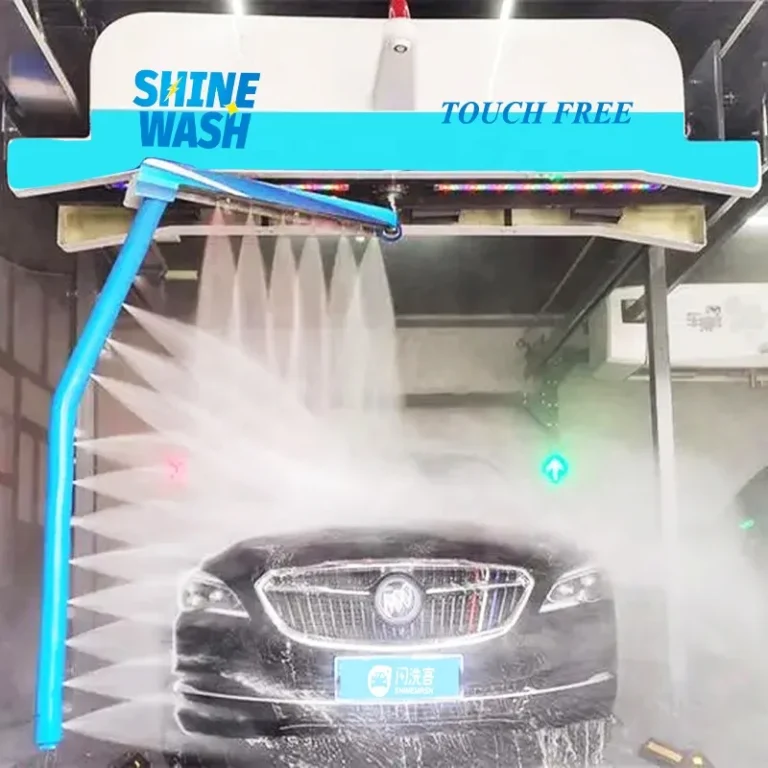
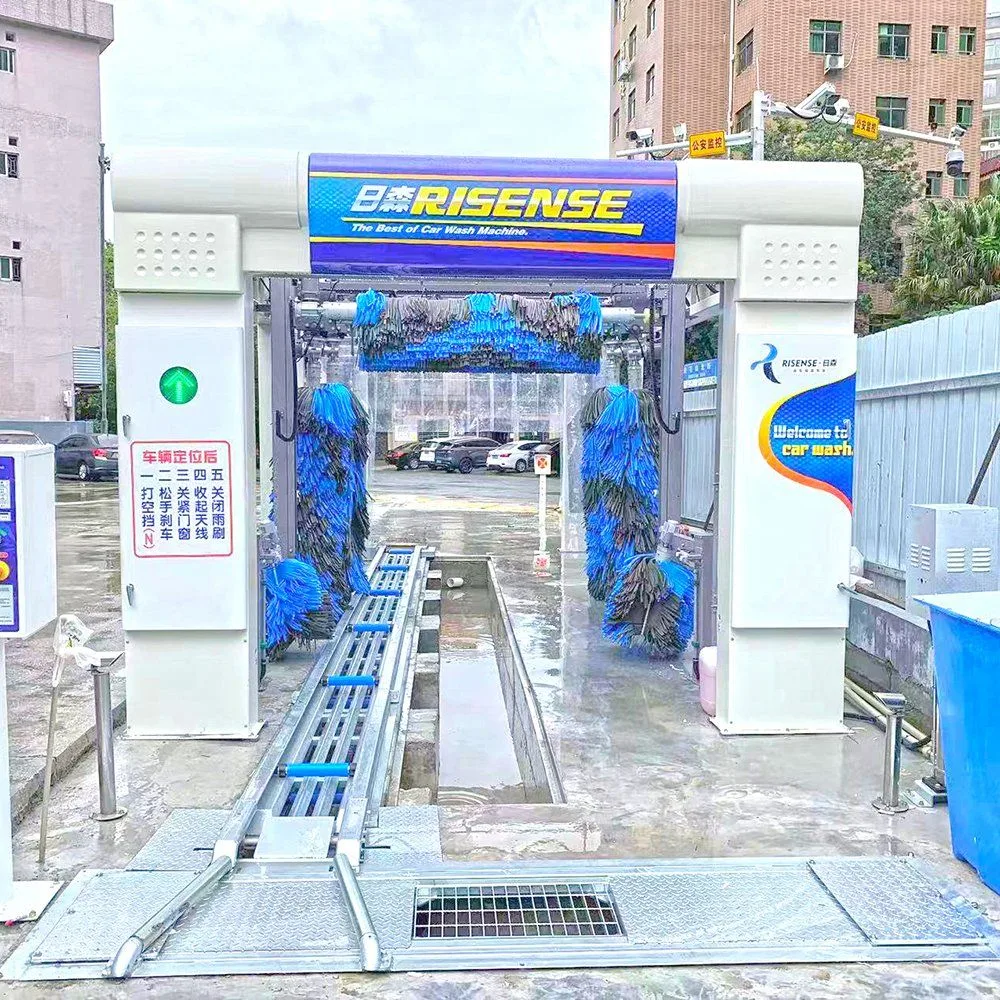
Understanding the three stages of a touchless wash helps you see where the risk lies.
The Chemical Presoak Stage
High-pressure nozzles spray a detergent mixture onto your car. This detergent is designed to break down dirt, bugs, and road film without physical scrubbing. The problem is the detergent’s pH.
Many tunnels use a solution with a pH of 10 to 12. That kind of alkalinity can soften and strip a consumer-grade ceramic coating over repeated washes.
The High-Pressure Rinse
After the presoak, the car is rinsed with high-pressure water. This part is usually harmless. Water pressure alone won’t damage a cured coating.
But if the presoak has already weakened the coating, the force of the water can accelerate micro‑degradation.
The Spot-Free Dry
Finally, the car gets a spot‑free rinse (deionized water) and hot air blowers. High heat can bake water spots onto the coating if the rinse water wasn’t fully pure. Hard water minerals left on the coating can etch into the silica layer, especially if the coating is thin or already stressed.
Decision Branch 1: Professional vs. Consumer-Grade Coatings
This branching point determines how much chemical aggression your coating can tolerate.
Professional coatings are applied by trained installers. They use a higher concentration of silicon dioxide (SiO₂) and often include additives like titanium dioxide for UV resistance. They bond deeply with the clear coat and form a thick, rigid layer.
Per manufacturer documentation, these coatings can withstand pH levels between 8 and 10 without significant wear. That puts most touch‑wash detergents in the safe zone.
Consumer coatings come as spray‑on, wipe‑off formulas or drip‑in windshield washes. Their SiO₂ content is much lower. They rely on easy application rather than long‑term durability.
The same manufacturer specs show they start degrading at pH above 7.5. A single wash with a pH 10 soap can reduce the water‑beading performance by 20% to 30% according to aggregate user reviews.
Best for consumer coatings: Hand‑wash with a pH‑neutral soap (pH 6.5 to 7.5). Use a touchless tunnel only if you confirm it uses a “clear coat safe” soap.
Best for professional coatings: Touchless washes are fine after the full cure period. Even so, choose a wash that offers a gentle cycle if available. You can also apply a ceramic booster spray every third wash to refresh the silica layer.
Decision Branch 2: Curing Time — The Make or Break Window
Timing matters more than coating type. Even a professional coating needs time to harden completely.
First 48 hours: Do not wash the car at all. Water, chemicals, or even rain can interfere with the curing process. Park indoors if possible.
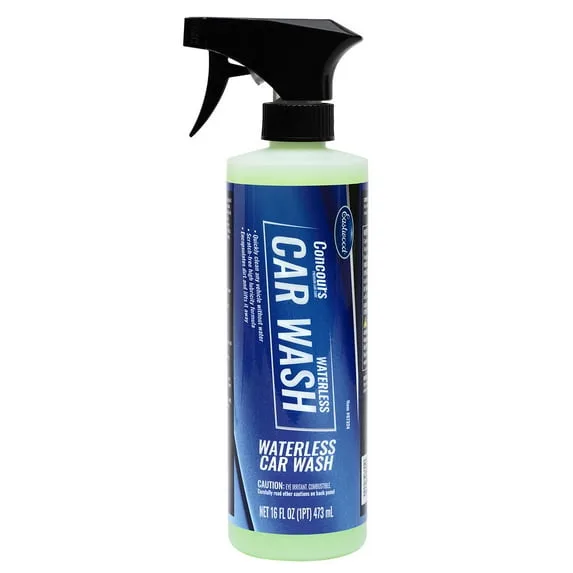
Days 3 to 7: The coating is still “soft.” Hand‑wash only with a rinseless or waterless product. No touchless tunnel. No high‑pressure wand.
Days 8 to 14: Consumer coatings are usually safe for a gentle touchless wash by day 7. Professional coatings by day 10. But to be safe, wait the full 14 days for any coating.
The chemical bonds need time to fully cross‑link.
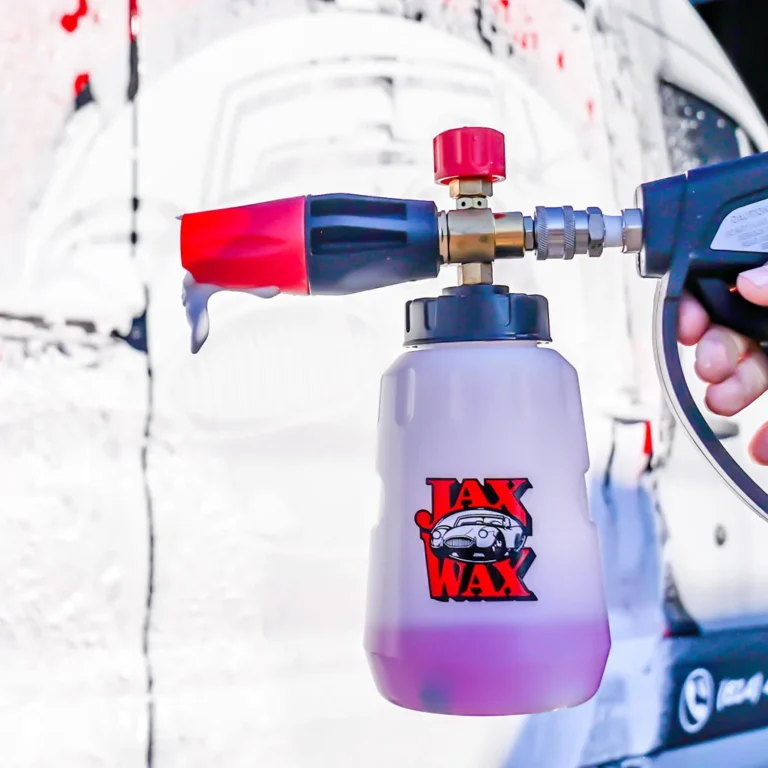
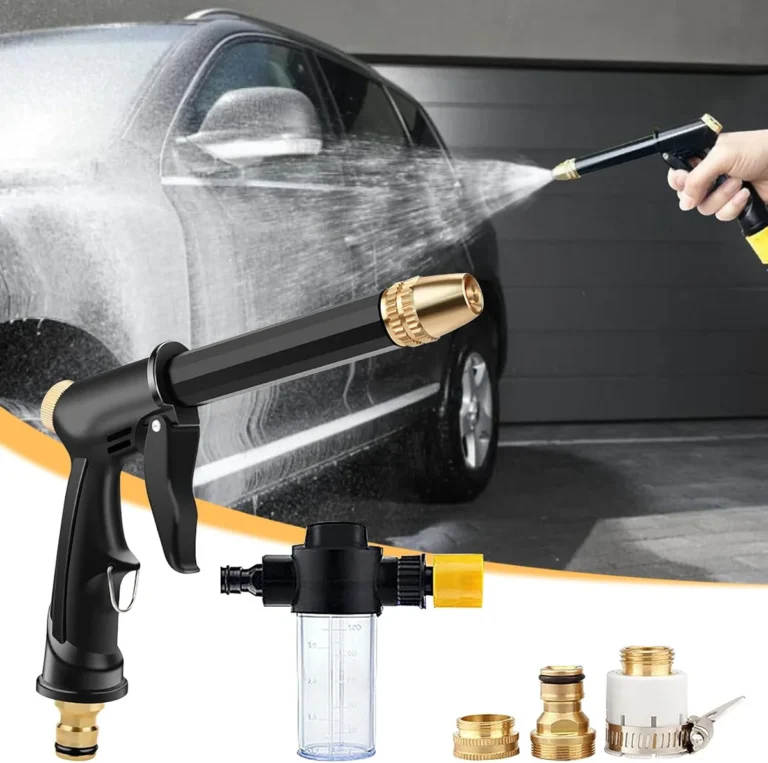
After 14 days, both types are ready for regular touchless washes. Just keep checking condition 3 (the chemical pH) every time you change wash locations. A blog post on how a foaming sprayer works explains why low‑pressure foam is safer than high‑impact soap, that same principle applies here.
Decision Branch 3: pH Levels and Chemical Aggressiveness
This branch is the one most people skip. It is also the most important.
Touchless car washes use one of three chemical types. Alkaline presoaks (pH 9 to 12) are the most common. They break down road grime fast but they also soften silica bonds.
Acidic presoaks (pH 3 to 5) target mineral deposits and hard water spots. They are less common in consumer tunnels but can etch a weakened coating. pH-neutral soaps (pH 6.5 to 8.0) are the safest choice for any coated car.
How to find out what your local wash uses. Call the location and ask for the brand name of their presoak. Then look up that brand’s SDS (Safety Data Sheet). The SDS lists the pH range.
If the attendant cannot tell you or seems unsure, assume it is alkaline and avoid that tunnel for your coated car.
Red flags to watch for. A wash that advertises “triple foam” or “super cleaning power” often uses aggressive chemicals. A wash that offers a “clear coat safe” or “eco-friendly” cycle is more likely to be pH-neutral. Some tunnels let you choose a “mild” setting for an extra dollar or two.
That small upcharge is worth it.
If you cannot verify the pH, default to a hand wash or a rinseless wash. Your best grime remover for car paint will do a better job than a mystery chemical ever could.
Step-by-Step: Your Decision Flowchart in Words
Follow this exact sequence before you pull into any touchless wash. It saves time, money, and coating life.
Step 1: Identify your coating type. Check the product label or invoice. If it says “professional installation only” or “9H hardness,” you likely have a professional coating. If it came in a spray bottle from an auto parts store, assume consumer grade.
Step 2: Check the age. Count the days since application. If it is under 48 hours, do not wash at all. If it is under 7 days, hand wash only.
If it is under 14 days and you have a consumer coating, hand wash only.
Step 3: Verify the tunnel’s soap. Call the car wash. Ask: “What is the pH of your presoak?” If they say 7.5 or lower, you are clear. If they say 8.5 or higher, skip it.
If they cannot answer, skip it.
Step 4: Pre-rinse yourself. Before entering the tunnel, spray your car with a pressure washer or a hose to remove loose dirt. This reduces the amount of chemical presoak needed.
Step 5: Inspect after the wash. Check the water beading immediately after drying. If the beads are flat or the water sheets off, the coating may be damaged. Proceed to the next section.
What to Look For After the Wash (Signs of Damage)
The wash is over. Your car is dry. Now you need to know if the coating survived.
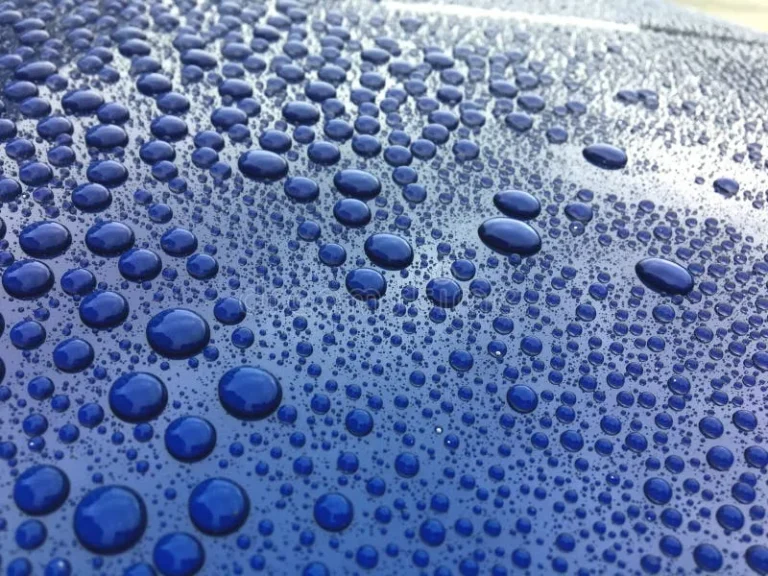
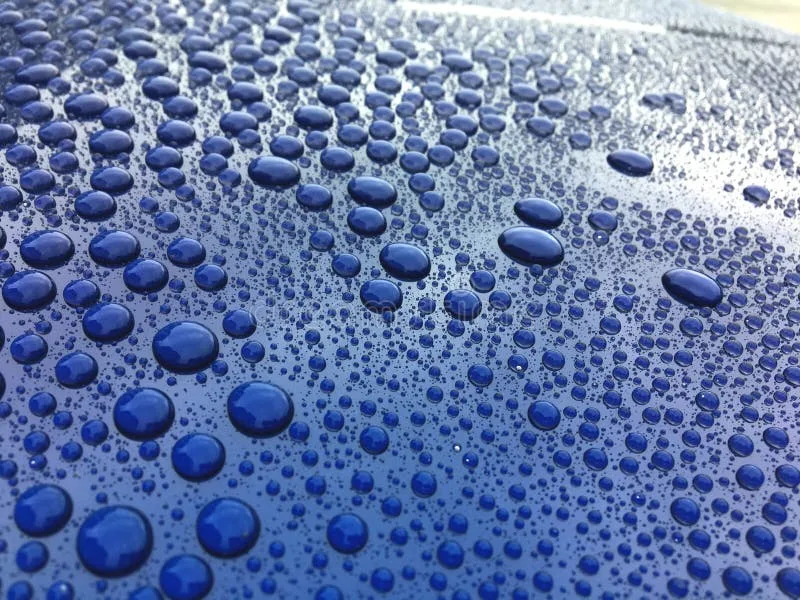
The water beading test. Spray a fine mist of water on the hood or roof. Healthy ceramic coating creates tight, round beads that stand up tall. If the beads are flat, wide, or irregular, the coating has degraded.
If the water sheets off completely, the coating is gone in that area.
What chemical damage looks like. Etching appears as small dull spots or rings where chemical droplets dried on the paint. They are often circular. They do not wipe off with a microfiber cloth.
Chemical etching requires polishing to remove, which further thins the coating.
Loss of slickness. Run your fingers gently across the paint. A healthy coating feels glassy smooth. If it feels rough or sticky, the silica layer has been compromised.
That roughness also attracts more dirt, creating a cycle of more frequent washes and more damage.
When to act. If you see any of these signs after one wash, stop using that tunnel permanently. Switch to a hand wash or a rinseless method for at least the next three washes. Then run the beading test again.
Mistakes That Will Kill Your Coating Faster Than a Brush Wash
These errors are common. They are also entirely avoidable.
Washing too soon after application. The number one cause of premature coating failure. Even a quick rinse can disrupt curing. Wait the full window.
Assuming all touchless washes are equal. Two tunnels in the same city can use completely different chemicals. One might be pH-neutral. The other might use industrial degreaser.
Never assume.
Letting chemicals dry on the paint. Some tunnels have long dwell times between presoak and rinse. If the soap dries on the panel, it becomes more concentrated and more aggressive. Choose a tunnel with a short presoak cycle or pre-wet the car yourself to keep the chemicals diluted.
Using a dirty microfiber towel for drying. Touchless washes leave the car wet. If you dry it with a towel that has old wax or dirt embedded in it, you introduce scratches. Use a clean, plush microfiber dedicated to coated surfaces.
Skipping the ceramic topper. Many people assume a single coating lasts forever. It does not. Using a ceramic booster spray every two to three washes replenishes the silica layer.
Our research indicates that coatings maintained with regular toppers last 50% longer than those left alone.
Best Practices: How to Use Touchless Washes Without Regret
You do not have to abandon touchless washes entirely. You just need a system.
Pre-rinse before you enter. Use the self-serve wand or a pressure washer at home to knock off loose dirt. This reduces the demand on the chemical presoak.
Select a mild cycle. Many tunnels offer a “basic” or “economy” wash that uses less aggressive soap. Pick that one. Avoid the “premium” or “works” cycle that adds a second chemical presoak.
Skip the wax cycle. Tunnel wax is often a cheap polymer sealant. It can cloud the clarity of a ceramic coating. You do not need it.
The coating handles UV protection and gloss on its own.
Use a ceramic booster after the wash. After drying, spray a dedicated ceramic topper onto each panel and wipe it off. This restores any silica lost during the wash and keeps the water beading sharp.
Stick to one trusted tunnel. Once you find a wash that uses pH-neutral soap and has a short dwell time, stay with it. Consistency matters more than frequency. Washing every week at the same safe tunnel is better than washing every three weeks at a different tunnel with unknown chemistry.
Real Scenarios: Three Owners, Three Outcomes
These are composite stories based on aggregate user feedback and manufacturer documentation. They show how the decision tree plays out in real life.
Scenario A: Professional coating, careful owner. Mark had a professional-grade coating installed on his sedan. He waited 10 days before the first wash. He called three local touchless tunnels and found one using a pH 7.2 soap.
He ran that wash every two weeks for eight months. After eight months, the water beading angle was still above 110 degrees. The coating lost less than 5 percent of its original performance.
Scenario B: Consumer coating, aggressive wash. Lisa applied a spray-on consumer coating to her SUV. She waited three days then used a tunnel with a pH 10.5 presoak. After four washes over two months, the water beading flattened.
She switched to hand washing and applied a ceramic booster. The coating partially recovered but never returned to full performance. She had to reapply the coating after six months instead of the expected 12.
Scenario C: No coating, curious buyer. James had no ceramic coating. He read about touchless safety and decided to get a professional coating. He followed the full curing window and chose a pH-neutral tunnel from day one.
His coating has held strong for 14 months as of 2026. His only regret was not doing it sooner.
The pattern is clear. The decision tree works when you follow every branch.
Frequently Asked Questions
How soon after ceramic coating can I use a touchless car wash?
Wait at least 48 hours for professional coatings and 7 to 14 days for consumer coatings. The chemical bonds need time to cross-link fully. Washing too early can compromise adhesion and shorten the coating's lifespan.
Will the spot-free rinse leave water spots on my coating?
It can if the rinse water is not fully deionized. Hard water minerals can etch into the silica layer, especially on thin consumer coatings. Use a ceramic booster after drying to seal the surface and reduce spotting risk.
Is a laser wash the same as a touchless wash?
Yes. Laser wash, touch-free, and touchless are all the same concept. They use high-pressure water and chemicals instead of brushes or cloth strips.
The safety factors (pH, dwell time, curing) apply identically.
How often should I wash a ceramic-coated car with a touchless tunnel?
Once every one to two weeks is fine for maintenance. More frequent washes increase chemical exposure without additional benefit. Use a rinseless wash in between if the car is only dusty.
Can I use a touchless wash if my coating is already showing signs of wear?
You can, but fix the coating first. If the beading is weak or the surface feels rough, apply a ceramic booster or reapply the coating before exposing it to harsh chemicals. A damaged coating will degrade faster under aggressive soap.
The Verdict: Your Decision Matrix
Here is the final decision table. Use it before every touchless wash.
| Coating Type | Age (days) | Wash pH | Result |
|---|---|---|---|
| Professional | 14+ | 7.0–8.0 | Safe |
| Professional | 14+ | 8.5–10.0 | Caution, limit frequency |
| Professional | 14+ | 10.5+ | Avoid |
| Professional | 1–13 | Any | Hand wash only |
| Consumer | 14+ | 7.0–7.5 | Safe |
| Consumer | 14+ | 8.0+ | Avoid |
| Consumer | 1–13 | Any | Hand wash only |
When to hand wash instead. If you cannot verify the pH, if the coating is still curing, or if the coating is consumer-grade and the tunnel uses aggressive soap. Hand washing with a pH-neutral soap and a microfiber mitt is the gold standard. It takes 20 minutes and adds zero chemical risk.
When a touchless wash is your best option. If you live in an apartment, have limited mobility, or face extreme weather. In those cases, the convenience of a touchless tunnel outweighs the small risk of using a verified safe wash. Just stick to the decision tree and inspect your coating regularly.
Your ceramic coating is an investment. Treat it like one. Follow the conditions, check the chemistry, and know when to skip the tunnel.
Your paint will thank you.