If you’ve ever driven past a police car pulled over on the side of the road, you’ve probably wondered what you’re legally required to do under the Rhode Island move over law for emergency vehicles on roadside. Most drivers know they can’t just speed past, but the exact steps feel fuzzy. That uncertainty can lead to tickets, crashes, or worse.
The governing rule, Rhode Island General Law §31-22-12, sets clear requirements for all drivers on state public roads. Aggregate traffic safety data shows emergency responders face disproportionate risk at roadside stops. As of 2026, this law also covers civilian disabled vehicles with activated hazard lights.
Quick Answer
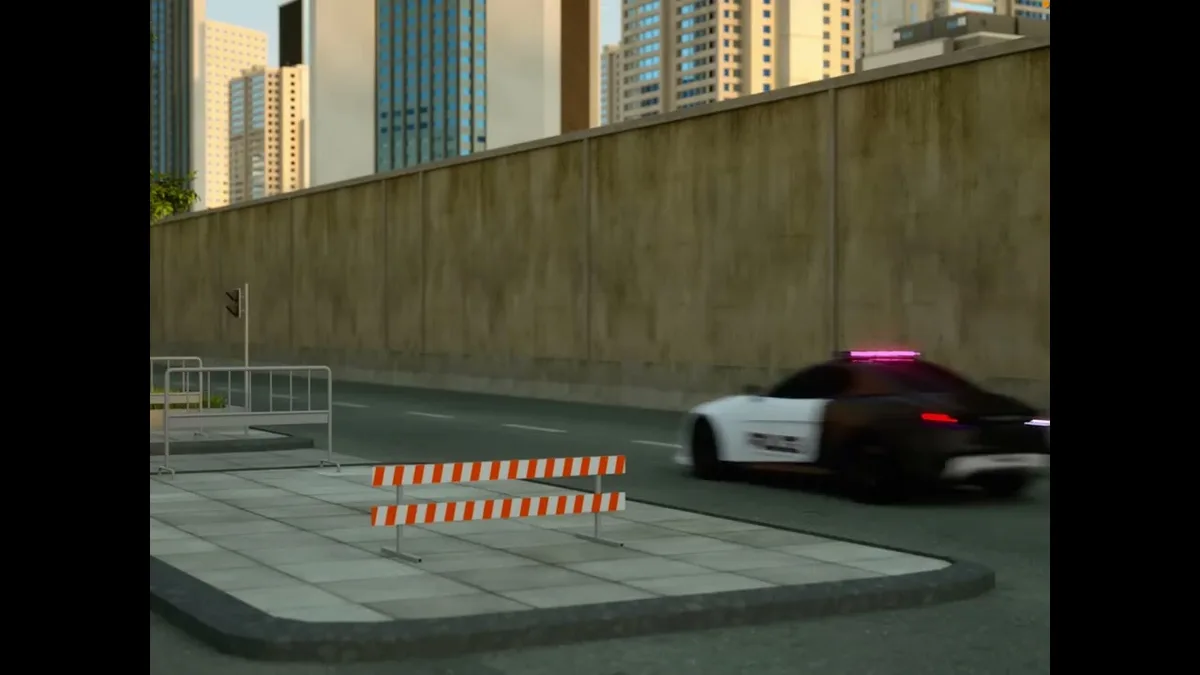
Rhode Island’s move over law requires drivers to move over a full lane when passing a stopped emergency vehicle with activated flashing lights. If a lane change is not safe, you must slow to 20 mph below the posted speed limit, with a minimum speed of 5 mph. This rule applies to law enforcement, fire, EMS, and public works vehicles.
It covers all state public roads, not just highways. Violations carry fines and license points.
What Rhode Island’s Move Over Law Actually Requires
The governing Rhode Island General Law §31-22-12 applies to every driver operating on state public roads. This includes out-of-state visitors, commercial motor vehicle operators, and rideshare drivers.
Covered vehicles include:
- Law enforcement vehicles with activated flashing lights or sirens
- Fire apparatus with activated flashing lights or sirens
- EMS ambulances with activated flashing lights or sirens
- Public works vehicles with activated flashing lights
- Civilian disabled vehicles with activated hazard lights (added in 2018)
The rule does not apply to stopped vehicles on the opposite side of a divided highway with a physical median barrier.
Why This Law Exists (And Why It’s Non-Negotiable)
Between 2010 and 2020, 12 Rhode Island emergency responders were killed by passing vehicles at roadside stops. Most of these deaths were preventable, caused by drivers failing to move over or slow down.
The law also protects civilian disabled motorists, who face the same risk when stopped on the road shoulder. Secondary crashes at emergency scenes are common, putting both responders and passing drivers in danger. This isn’t just a fine issue, it’s a life safety rule.
The Exact Rules: When, Where, and How to Comply

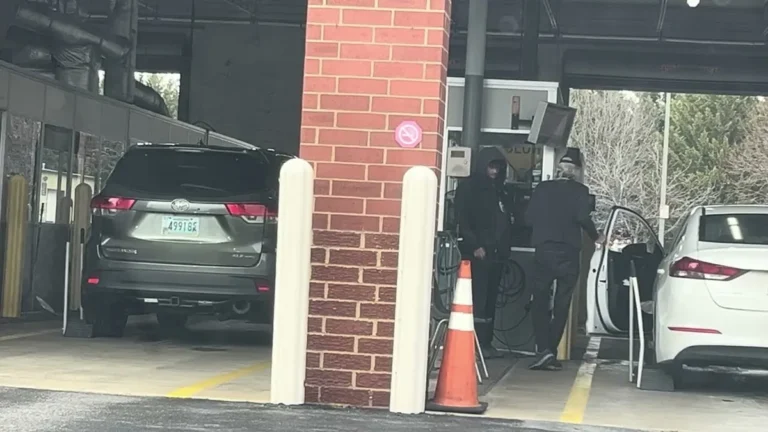
The move over requirement activates only when you approach a stopped vehicle with activated flashing lights or sirens. It does not apply to vehicles pulled over without activated lights, or parked on private property.
If You Can Safely Change Lanes
Signal your intent, check your blind spots, and move over a full lane away from the stopped vehicle. Maintain that lane position until you have fully passed the emergency vehicle.
If a Full Lane Shift Isn’t Safe
Reduce your speed to 20 mph below the posted speed limit. You must maintain a minimum speed of 5 mph even if the posted limit is very low. Keep this reduced speed until you have completely passed the stopped vehicle.
Rhode Island’s Specifics vs. Neighboring States

Rhode Island’s move over rules differ from neighboring states, which catches many out-of-state drivers off guard during summer tourist season.
| Requirement | Rhode Island | Massachusetts | Connecticut |
|---|---|---|---|
| Lane shift required if safe | Yes | Yes | Yes |
| Speed reduction if shift unsafe | 20 mph below posted (min 5 mph) | Slow to reasonable speed, no fixed minimum | 20 mph below on limited access highways, 10 mph below on other roads |
| Covers all public roads | Yes | Yes | Yes |
| Covers civilian disabled vehicles | Yes (2018 update) | Yes (hazard lights required) | Yes (hazard lights required) |
If you’re driving through Rhode Island from Massachusetts or Connecticut, don’t assume the rules match your home state. Rhode Island’s fixed 20 mph reduction requirement is stricter than Massachusetts’ vague reasonable speed rule. It also applies to more road types than Connecticut’s tiered system.
The Penalties for Getting It Wrong

First-time offenses carry a fine of $100 to $250. Two to three points are added to your driver’s license for each violation. License points stay on your record for 2 years, and accumulating 12 or more points in 3 years leads to a suspension.
Insurance providers report an average premium increase of 15% to 25% after a move over violation. If your non-compliance causes serious injury or death to a roadside worker or emergency responder, you can face felony charges with prison time and a permanent criminal record.
Real-World Scenarios (And How to Handle Them)
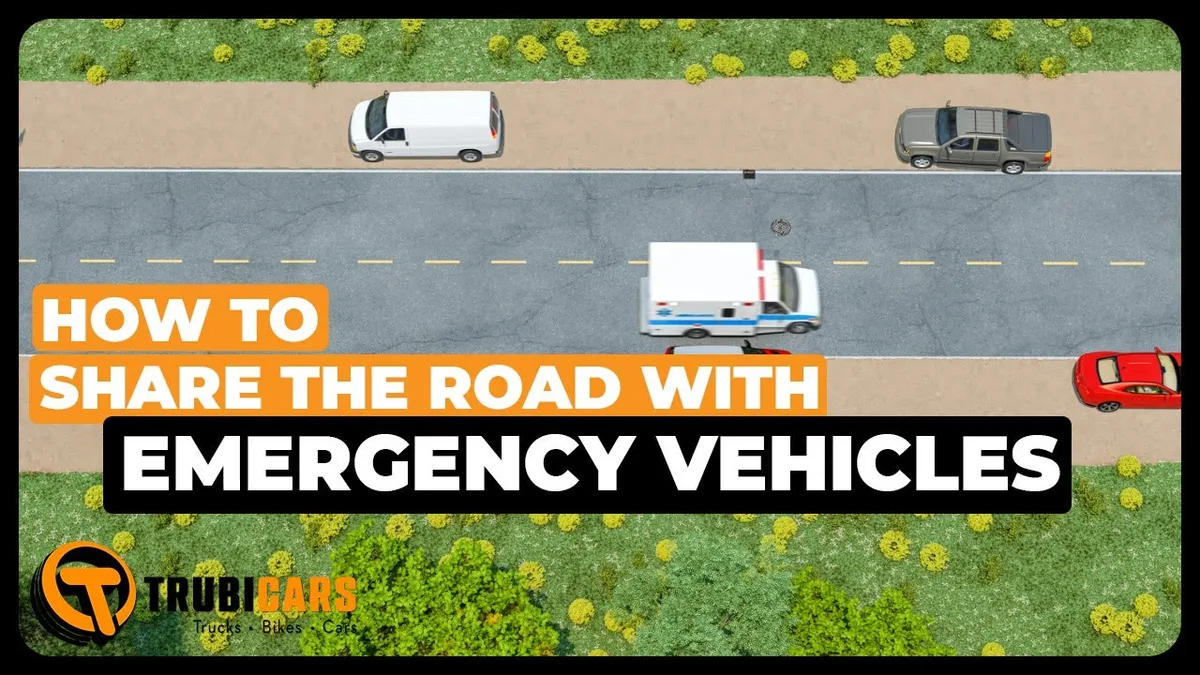
Narrow Roads With No Shoulder
These are common in rural Rhode Island. On these roads, a full lane shift is often impossible. You must slow to 20 mph below the posted limit, minimum 5 mph, and pass with extreme caution.
Heavy Traffic or Blocked Lanes
If you cannot safely change lanes on I-95 or I-195, reduce speed immediately. Maintain that reduced speed until you’ve fully passed the emergency vehicle.
Low Visibility or Nighttime Conditions
If you see flashing lights ahead, assume it’s an emergency vehicle and react accordingly. Use extra caution when visibility is poor.
Out-of-State Drivers in Rhode Island
If you’re visiting from Massachusetts or Connecticut, remember Rhode Island requires a fixed 20 mph reduction when you can’t move over. Don’t rely on your home state’s rules.
Civilian Disabled Vehicles
Rhode Island’s 2018 update covers any vehicle with activated hazard lights. This includes broken-down cars, not just emergency responders. The same move over or slow down rule applies.
Common Mistakes That Get Drivers in Trouble

Many drivers assume the law only applies to police cars. It covers fire trucks, ambulances, public works vehicles, and civilian cars with hazard lights on. Ignoring any of these can still get you ticketed.
Some drivers try to move over without signaling or checking blind spots. Sudden lane changes can cause accidents. Always signal, check mirrors, and merge smoothly.
Others slow down but not enough. Rhode Island requires 20 mph below the posted limit, with a minimum of 5 mph. Going 10 mph below on a 55 mph road isn’t enough.
A common misconception is that the law only applies on highways. It covers all public roads in Rhode Island, including city streets and rural routes.
What the Law Doesn’t Cover (But You Should Still Watch For)
The law doesn’t apply to stopped vehicles without activated lights. However, it’s still good practice to slow down and pass carefully. You never know when a driver might step out of their car.
It also doesn’t apply to vehicles on the opposite side of a divided highway with a physical median. But if there’s no median, the law still applies regardless of direction.
Public parking lots and private property are exempt. But if you’re on any public road, the move over rule is in effect.
Frequently Asked Questions
Does the move over law apply to tow trucks?
Yes, if the tow truck has activated flashing amber lights. Rhode Island treats them the same as emergency vehicles under the law.
What if I can’t see the emergency lights until the last second?
You’re still required to comply as soon as you see them. If you can’t move over safely, slow down immediately to 20 mph below the limit.
Are motorcycle officers covered by the move over law?
Yes. Any law enforcement vehicle with activated lights, including motorcycles, triggers the move over requirement.
Can I get a warning instead of a ticket for a first offense?
Possibly, but it’s not guaranteed. Officers have discretion, but fines and points are the standard penalty for violations.
Does the law apply to school buses with flashing lights?
No. School buses have their own separate stopping laws. The move over law only applies to emergency and disabled vehicles with activated lights.
Quick Compliance Checklist Before You Drive
Scan ahead for flashing lights on the roadside. Police, fire, EMS, and public works vehicles all trigger the requirement.
Check if a lane change is safe. If yes, signal and move over a full lane. If no, slow to 20 mph below the posted limit, minimum 5 mph.
Maintain your position until fully past the stopped vehicle. Don’t speed up or merge back too soon.
Watch for civilian cars with hazard lights. Rhode Island’s law covers them too.
Remember the rule applies on all public roads, not just highways. Stay alert in city traffic and rural areas.